Table of Contents >> Show >> Hide
Ringworm of the scalp, or Tinea Capitis, may sound like something you’d expect in a medieval story, but in reality, it’s a very common fungal infection that affects children and adults alike. While it’s often seen in kids, it can affect people of any age, leading to hair loss, scalp irritation, and a range of uncomfortable symptoms. But don’t worry – while the name may sound alarming, ringworm is treatable with the right steps. Let’s break down what Tinea Capitis is, its causes, symptoms, and how it’s treated.
What is Ringworm of the Scalp?
Ringworm of the scalp is a type of fungal infection that primarily affects the skin and hair on the scalp. The term “ringworm” is a bit misleading, as there’s no actual worm involved – it’s the result of a fungal infection caused by dermatophytes, which are fungi that thrive on keratin, the protein found in hair, skin, and nails.
Common Causes of Tinea Capitis
The fungus responsible for Tinea Capitis is often spread through direct contact with an infected person or animal, or by touching contaminated objects such as combs, hats, or bed linens. It’s also common in schools, daycare centers, and other places where children are in close contact. In some cases, it can even be contracted from pets, especially cats, which are common carriers of the infection. So, while your kids may be the usual suspects, your pet might be the hidden culprit!
How the Infection Develops
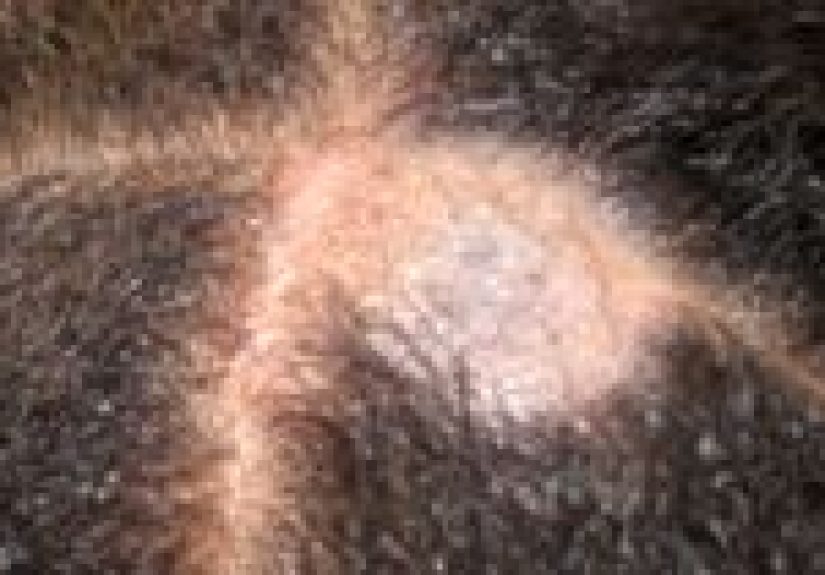
The infection begins when the dermatophyte fungus comes into contact with the scalp. The fungi then invade the hair follicles and begin to grow, causing an inflammatory response. This can lead to irritation, redness, and the formation of a scaly patch on the scalp. Over time, the infected area may become itchy, and patches of hair may start to fall out.
Symptoms of Ringworm of the Scalp
Spotting the signs of Tinea Capitis early can help prevent further spread and minimize damage to your hair and scalp. Here are the most common symptoms:
- Itchy Scalp: One of the first signs of ringworm is an itchy scalp. The fungal infection causes irritation that leads to constant scratching.
- Hair Loss: As the infection progresses, patches of hair may begin to fall out, leaving bald spots on the scalp. These spots may be round or irregular.
- Red, Scaly Patches: The scalp may develop red, scaly patches that can appear inflamed or swollen. Sometimes, these patches are ring-shaped, giving the condition its “ringworm” name.
- Black Dots: If the infection causes hair to break off at the scalp, small black dots might appear, which are actually broken hair shafts.
- Swollen Lymph Nodes: In some cases, Tinea Capitis can cause swelling in the lymph nodes around the neck, especially if the infection becomes severe or is left untreated for a long time.
How is Ringworm of the Scalp Diagnosed?
If you suspect that you or your child has ringworm of the scalp, it’s essential to see a healthcare professional. The diagnosis is usually based on the appearance of the scalp, but a doctor might also perform a skin scraping or culture test to confirm the presence of the fungi.
Treatment Options for Ringworm of the Scalp
While Tinea Capitis can be uncomfortable and unsightly, the good news is that it’s treatable. The main goal of treatment is to eliminate the fungi from the scalp, reduce symptoms, and prevent the infection from spreading to others.
Medications
The most effective treatment for ringworm of the scalp is antifungal medication. These medications are typically prescribed in the form of oral pills, as topical creams and shampoos are usually not effective for treating the infection deep within the hair follicles. Some common oral antifungal medications include:
- Griseofulvin: This is a common prescription medication that works by interrupting the growth of the fungal cells.
- Terbinafine: Another effective antifungal medication that can help clear the infection more quickly than griseofulvin.
- Itraconazole: A prescription antifungal that is also used in some cases when other medications are not effective.
Topical Treatments
While oral medication is the primary treatment, antifungal shampoos may also be used as a supplementary treatment. These shampoos help reduce the spread of the infection and prevent further fungal growth. Shampoos containing ketoconazole or selenium sulfide are commonly recommended for treating Tinea Capitis.
Home Remedies
Some people opt for home remedies alongside prescribed treatments to help soothe the scalp. These may not cure the infection, but they can provide relief from the itching and discomfort associated with ringworm of the scalp. Common home remedies include:
- Tea Tree Oil: Known for its antifungal properties, tea tree oil can be diluted with a carrier oil and massaged into the scalp to help reduce symptoms.
- Aloe Vera: Aloe vera gel can help soothe irritated skin and reduce inflammation caused by the infection.
Prevention Tips
Prevention is key to avoiding Tinea Capitis. While it’s not always possible to prevent the infection completely, here are some steps you can take to reduce the risk:
- Avoid sharing personal items: Do not share combs, brushes, towels, or hats, as these can carry the fungus from one person to another.
- Keep hair clean: Regular washing of the hair and scalp can help reduce the risk of fungal infections.
- Check pets for signs of infection: If you have pets, check them for signs of ringworm. If you notice any symptoms, take your pet to the vet for treatment.
When to Seek Medical Help
While Tinea Capitis is generally treatable with medication, it’s important to seek medical help if:
- The infection doesn’t improve with home care and over-the-counter treatments.
- The infection is severe, causing a lot of pain or swelling.
- There is a risk of the infection spreading to other areas of the body.
Personal Experiences with Ringworm of the Scalp
While I was lucky to avoid Tinea Capitis, a friend of mine dealt with it for several months. She had a persistent patch on her scalp that kept growing. Initially, she thought it was just dandruff or a bad case of dry scalp, but when the patch started getting larger and more inflamed, she decided to see her dermatologist. After a thorough examination and some tests, the doctor confirmed it was ringworm. She was prescribed griseofulvin and also used a medicated shampoo. The treatment was effective, but it took time – about six weeks – for the infection to clear completely. During the process, she had to refrain from scratching her scalp, which was difficult, and she used a cool compress to ease the itching. The experience taught her the importance of early diagnosis and treatment, especially with fungal infections that can be tricky to manage on your own.
Conclusion
Ringworm of the scalp (Tinea Capitis) is an uncomfortable but treatable fungal infection. With the right treatment plan, it’s possible to manage the symptoms, prevent further spread, and restore the health of your scalp. Whether you’re dealing with it yourself or helping a loved one, it’s important to seek professional advice early on and follow the prescribed treatment for the best results. Remember to practice good hygiene, avoid sharing personal items, and keep an eye on your pets – prevention is always better than a cure!