Table of Contents >> Show >> Hide
- What Makes This Fish Chowder So Rich and Creamy?
- Ingredients for Rich and Creamy Fish Chowder
- Step-by-Step: How to Make Rich and Creamy Fish Chowder
- Tips for an Extra-Rich, Silky Chowder
- Variations and Substitutions
- Serving, Storage, and Food Safety
- Common Questions About Creamy Fish Chowder
- Personal Experiences: How to Make Fish Chowder Part of Your Cold-Weather Routine
There are chilly evenings, and then there are fish chowder evenings. You know the kind: it’s cold, you’re tired,
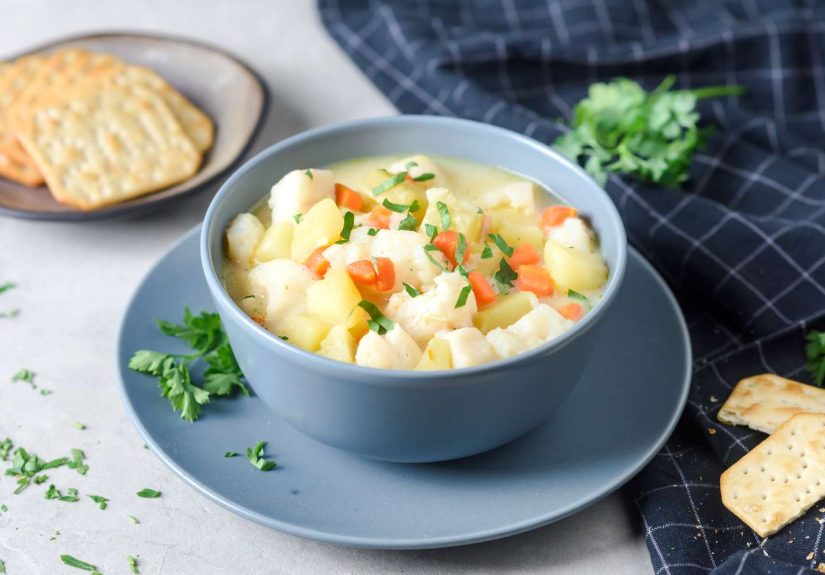
and nothing sounds good until you picture a steaming bowl of rich and creamy fish chowder piled with tender potatoes,
flaky white fish, and smoky bacon. Suddenly, a sandwich will not do.
The good news? This creamy fish chowder recipe turns simple pantry staples into a restaurant-level bowl of comfort in about an hour.
It borrows the best ideas from classic New England chowderslike using clam juice or seafood stock for big flavor and letting the
starch from potatoes help thicken the brothwhile keeping the method easy enough for a busy weeknight.
Whether you’re new to chowder or you’ve eaten it your whole life, this version is rich, cozy, and surprisingly straightforward.
What Makes This Fish Chowder So Rich and Creamy?
A great fish chowder walks a fine line: you want a silky, creamy broth without creating a heavy, paste-like soup.
This recipe hits that sweet spot by layering a few smart techniques:
- Rendered bacon fat: Cooking the bacon first gives you flavorful fat to sauté your onions, celery, and garlic.
- Clam juice or seafood stock: Using seafood-forward liquid instead of water or just chicken broth gives a deep, briny backbone.
- Potato starch: Simmering diced potatoes directly in the broth naturally thickens the chowder.
- Cream plus milk: A mix of heavy cream and whole milk creates a luxurious texture that’s rich but not overly heavy.
- Gentle cooking for the fish: Adding the fish at the end keeps every piece tender and flaky, not dry and rubbery.
The result is a chowder that clings to your spoon, tastes like the sea (in a good way), and still feels light enough that you can
comfortably go back for that second bowl you already know you want.
Ingredients for Rich and Creamy Fish Chowder
For the chowder base
- 4 slices thick-cut bacon, diced
- 2 tablespoons unsalted butter
- 1 medium yellow onion, finely chopped
- 2 ribs celery, finely chopped
- 2 cloves garlic, minced
- 3 medium Yukon Gold or russet potatoes, peeled and cut into 1/2-inch cubes
- 1/2 teaspoon smoked paprika (optional, for a subtle smoky note)
- 1 teaspoon dried thyme or 2 teaspoons fresh thyme leaves
- 1 bay leaf
- 2 tablespoons all-purpose flour (for a light roux)
For the liquid and seafood
- 2 cups clam juice or seafood stock (store-bought or homemade)
- 2 cups low-sodium chicken broth (or more seafood stock)
- 1 cup whole milk
- 1 cup heavy cream (or half-and-half for a lighter version)
- 1 1/2 to 2 pounds firm white fish, cut into 1-inch chunks (cod, haddock, pollock, or halibut)
- 1 cup corn kernels (fresh, canned, or frozen; optional but highly recommended)
- Salt and freshly ground black pepper, to taste
- 1–2 tablespoons chopped fresh parsley or chives, for garnish
- Lemon wedges, for serving (optional but brightens the richness)
What kind of fish works best?
For fish chowder, you want firm, flaky white fish that won’t disintegrate in the pot. Good options include:
- Cod: Classic, mild, and widely available.
- Haddock: Traditional in New England-style chowders, with a delicate flavor.
- Pollock or hake: Budget-friendly, mild, and great for feeding a crowd.
- Halibut: Firmer and more luxurious, if you’re feeling fancy.
Avoid very delicate fish that flake into tiny pieces (like tilapia) or strongly flavored fish (like mackerel) unless that’s exactly what you’re craving.
Step-by-Step: How to Make Rich and Creamy Fish Chowder
1. Render the bacon and build the flavor base
- Place a large, heavy-bottomed pot or Dutch oven over medium heat.
- Add the diced bacon and cook, stirring occasionally, until the fat is rendered and the bacon is crisp, 6–8 minutes.
- Use a slotted spoon to transfer the bacon to a paper towel-lined plate, leaving the fat in the pot.
- Add the butter to the bacon fat. Once melted, stir in the chopped onion and celery with a pinch of salt.
- Sauté until the vegetables are soft and translucent, 5–7 minutes, then add the garlic and cook 30 seconds more, just until fragrant.
2. Add potatoes, aromatics, and a light roux
- Stir in the potatoes, thyme, smoked paprika (if using), and bay leaf. Toss to coat in the fat.
- Sprinkle in the flour and cook, stirring frequently, for about 2 minutes. This cooks out the raw flour taste and helps thicken the chowder later.
3. Simmer the chowder base
- Gradually pour in the clam juice (or seafood stock) and chicken broth while stirring to avoid lumps.
- Bring the mixture to a gentle simmer. Reduce the heat to medium-low and cook until the potatoes are just tender when pierced with a fork, 10–15 minutes.
- If you’re adding corn, stir it in during the last 5 minutes of this simmering time.
4. Add the fish and dairy
- Once the potatoes are tender, stir in the milk and heavy cream. Do not let the chowder boil after this point; keep it at a gentle simmer.
- Add the chunks of fish, making sure they’re submerged in the hot liquid.
- Simmer gently, uncovered, until the fish is opaque and flakes easily with a fork, 5–8 minutes depending on the thickness of the pieces.
- Turn off the heat. Fish will continue to cook slightly in the hot chowder, so err on the side of slightly underdone rather than overcooked.
5. Finish and serve
- Remove the bay leaf. Taste and season with additional salt and plenty of freshly ground black pepper.
- Stir in most of the cooked bacon, reserving a little for garnishing.
- Ladle the chowder into warm bowls and top with the remaining bacon and chopped parsley or chives.
- Serve with crusty bread, oyster crackers, or a simple green salad. A squeeze of lemon over each bowl brightens the richness nicely.
Tips for an Extra-Rich, Silky Chowder
-
Heat control is everything: Once you add the dairy and fish, keep the chowder below a boil.
A hard boil can cause the milk to split and the fish to toughen. -
Use whole milk and real cream: This is not the moment for skim milk. Whole milk and heavy cream (or at least half-and-half)
give you that classic chowder body. - Rest before serving: Let the chowder sit, covered, for 5–10 minutes off the heat. The flavors meld and the texture thickens slightly.
-
Adjust thickness: If the chowder ends up too thick, add a splash of warm broth or milk to loosen it.
If it’s too thin, mash a few potato cubes against the side of the pot and stir them in to naturally thicken the broth.
Variations and Substitutions
Make it a mixed seafood chowder
Want to turn this into a full-on seafood chowder? Replace part of the fish with shrimp, scallops, or chunks of salmon.
Add quick-cooking seafood like shrimp and scallops near the end of cooking so they don’t overcook.
Keep the total seafood around 1 1/2 to 2 pounds.
Smokier flavor
For a more pronounced smoky flavor, use thick-cut smoked bacon, add a little extra smoked paprika, or stir in a splash
of smoked salt at the end instead of regular salt. Taste as you gosmoke can go from cozy to campfire pretty quickly.
Dairy-light version
If you want something a little lighter, use half-and-half instead of heavy cream and whole milk, or stir in
an extra cup of broth and reduce the cream to 1/2 cup. The chowder will be a bit more brothy but still satisfying.
Gluten-free fish chowder
To make this gluten-free, simply skip the flour and rely on the potatoes for thickening. You can mash a few extra potato chunks
into the broth for more body or stir in a small cornstarch slurry (1 tablespoon cornstarch mixed with 1 tablespoon cold water)
at the very end and simmer until slightly thickened.
Serving, Storage, and Food Safety
This rich and creamy fish chowder is best eaten the day it’s made, but leftovers can be delicious too with a little care.
- Serving size: This recipe makes about 4–6 generous servings, depending on how big your bowls are.
-
Storage: Cool leftovers to room temperature (no more than 2 hours at room temp), then transfer to an airtight
container and refrigerate for up to 2–3 days. -
Reheating: Reheat gently on the stovetop over low heat, stirring often, until steaming hot
(the fish should reach 145°F internally). Avoid boiling to keep the dairy from curdling and the fish from drying out. -
Freezing: Dairy-based chowders don’t freeze very well; the texture often turns grainy once thawed.
If you know you’ll want to freeze some, make the broth and potatoes first, freeze that portion, and add the cream and fish
when you reheat and finish the chowder.
Common Questions About Creamy Fish Chowder
Can I use frozen fish?
Yes. Frozen fish works well as long as you thaw it properly first. Thaw in the refrigerator overnight or under cold running water,
then pat the fish very dry with paper towels before cutting it into chunks. Excess moisture can dilute the chowder.
What if I don’t have clam juice?
You can still get a delicious chowder. Use seafood stock if you have it, or use all chicken broth plus a splash of bottled fish sauce
for extra depth. If you live near a fish market, ask for fish heads or bones to make a quick stock.
How can I make it more “New England-style”?
For a stricter New England fish chowder feel, keep the ingredients simple: fish, potatoes, onion, cream, and maybe a little salt pork
or bacon. Skip the smoked paprika and corn, and rely on the clam juice and cream for flavor.
Personal Experiences: How to Make Fish Chowder Part of Your Cold-Weather Routine
The first time you make rich and creamy fish chowder at home, it feels a little bit like magic. You start with a pile of humble ingredientspotatoes,
onions, a few slices of bacon, and a piece of fishand an hour later you’ve got this deeply comforting pot of soup that tastes like something you’d
order on a coastal vacation. Once you realize how easy that transformation is, it’s hard not to start planning “chowder nights” into your weekly routine.
One of the best tricks is to treat chowder as a flexible “use-what-you-have” meal. Have a couple of leftover baked potatoes? Dice them up and
drop them into the pot. Only have salmon in the freezer instead of white fish? Greatyour chowder just turned into a creamy salmon chowder.
A cup of leftover corn, half a bell pepper, or a handful of peas can all join the party without upsetting the balance.
As long as you protect the core methodgentle heat once the dairy and fish go inyou can improvise with confidence.
Chowder also rewards a little bit of prep. If you know you’ll be busy, you can chop your onions, celery, and potatoes the night before,
store them in airtight containers in the fridge, and even pre-cook the bacon. When you’re ready to cook, most of the “work” is already done;
you’re basically assembling and simmering. This is especially helpful if you’re feeding a crowd or want to serve soup as part of a holiday spread.
A big pot on the stove with a stack of bowls and a basket of warm rolls is just about the easiest way to make everyone feel welcome.
Another small but game-changing habit is to taste your chowder at three different moments: after the potatoes are tender, after the fish finishes cooking,
and again after it rests off the heat. At each point, ask yourself what it needs. More salt? A grind of black pepper? A squeeze of lemon to wake up the richness?
A spoonful of cream to make it silkier? You’ll quickly get a feel for how the flavors develop and what “perfect” tastes like to you.
Finally, don’t underestimate the power of garnishes. That last sprinkle of crisp bacon and fresh herbs on top doesn’t just look prettyit adds texture, color,
and little bursts of flavor that keep each spoonful interesting. If you want to lean all the way into the cozy vibes, warm your bowls in a low oven before serving
so the chowder stays hot longer. It’s a tiny step, but it’s the kind of detail that turns a simple fish chowder recipe into a signature house specialty.
SEO JSON