Table of Contents >> Show >> Hide
- Why Rice and Whole Grains Deserve a Permanent Spot on Your Menu
- Your Grain Starter Kit
- Perfect Rice & Grains 101 (Without the Drama)
- Flavor Builders That Make Any Grain Taste Like a Recipe
- Rice & Grain Recipes: 18 Make-It-Your-Own Ideas
- 1) Weeknight “fried rice” that actually uses leftovers
- 2) One-pot chicken (or chickpea) and rice with lemon
- 3) Coconut rice + black beans bowl
- 4) Risotto “training wheels” (still creamy, less stressful)
- 5) Barley “risotto” with mushrooms
- 6) Quinoa taco bowls
- 7) Farro salad that gets better overnight
- 8) Brown rice “power bowl” with roasted vegetables
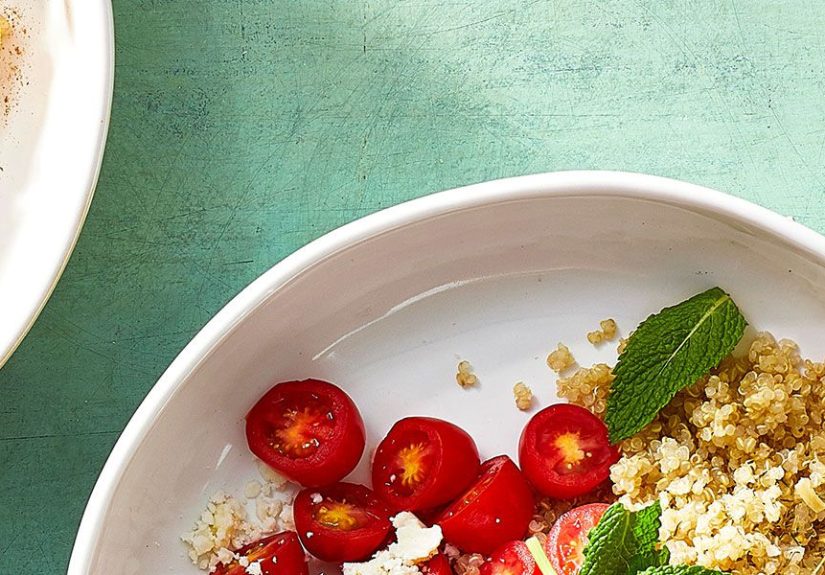
- 9) Quick bulgur tabbouleh-ish salad
- 10) Creamy savory oats for breakfast-for-dinner
- 11) Congee-style rice porridge (cozy, gentle, customizable)
- 12) Spanish-style tomato rice
- 13) Stuffed peppers with rice and turkey
- 14) Grain-and-greens soup (use what you’ve got)
- 15) Sesame ginger rice noodles’ cousin: sesame quinoa
- 16) Crispy rice salad vibes
- 17) Simple rice pudding (dessert that feels like nostalgia)
- 18) “Better-than-takeout” grain bowls
- Leftovers, Meal Prep, and Food Safety (Because Rice Has Rules)
- Conclusion: Your “Grain Confidence” Era Starts Now
- Kitchen Experiences: What Cooking Rice & Grains Really Feels Like (The Extra )
Rice is the quiet overachiever of the pantry. It doesn’t brag, it doesn’t demand applause, and it still shows up to make dinner feel like dinner. Pair it with a few other grainsquinoa, farro, barley, oats, bulgurand suddenly you’ve got a whole lineup of rice & grain recipes that can go cozy, fancy, healthy, or “I’m eating this out of a bowl in sweatpants” without breaking a sweat.
This guide is your practical (and occasionally snarky) roadmap to cooking grains with confidence and turning them into easy rice recipes, vibrant grain bowl recipes, make-ahead lunches, and comfort-food classics. Expect foolproof techniques, flavor hacks, and specific recipe ideas you can mix and match all week.
Why Rice and Whole Grains Deserve a Permanent Spot on Your Menu
If your weeknight meals sometimes feel like a tug-of-war between “healthy” and “actually satisfying,” grains are the peace treaty. Whole grains bring fiber and nutrients that refined grains lose in processing, and research consistently links whole-grain eating patterns with better heart health markers. Translation: more benefits, more chew, more staying power.
But the real magic is versatility. Rice can be fluffy, sticky, crisped, creamy, or pudding-soft. Whole grains can be nutty, hearty, and salad-ready. And once you learn a few base methods, you’re not following recipesyou’re running the kitchen.
Your Grain Starter Kit
Pantry picks (build your “choose-your-own-adventure” stash)
- Long-grain white rice (basmati or jasmine): fluffy sides, bowls, quick pilafs.
- Short/medium-grain rice (Arborio): creamy risotto-style dishes.
- Brown rice: hearty, nutty, meal-prep friendly.
- Quinoa: fast, protein-containing seed that acts like a grain.
- Farro: chewy, nutty, salad superstar.
- Pearl barley: soup MVP and “risotto’s laid-back cousin.”
- Oats (rolled or steel-cut): breakfast and savory porridges.
- Bulgur or couscous: quick-cook options for busy nights.
Tools that make grains easier (not fancier)
- Fine-mesh sieve for rinsing rice and quinoa.
- Medium saucepan with a tight lid (a good lid is half the battle).
- Sheet pan for quick cooling leftovers and crisping cooked grains.
- Rice cooker or Instant Pot (optional, but very “set it and forget it”).
Perfect Rice & Grains 101 (Without the Drama)
Most grain frustration comes from three things: too much water, too much heat, or not enough patience at the end. The fix is simple: measure, simmer gently, and rest before fluffing. The rest is where texture gets its glow-up.
White rice (the reliable classic)
For many long-grain white rices, a 1:1-ish water-to-rice approach works when you control evaporation and keep the heat low. If your rice is consistently mushy, you’re either over-watering or lifting the lid like it’s a reality show reveal. Don’t.
- Rinse if you want less surface starch (fluffier, less sticky grains).
- Bring to a brief boil, then cover and simmer low.
- Rest off heat 10 minutes before fluffing.
Jasmine & basmati (fragrant rice that wants to be fluffy)
Fragrant rice is sensitive to water. Jasmine often likes a touch more than 1:1, while basmati can vary by brand and age. If you’re using jasmine for Thai-inspired rice bowls or coconut rice, err on the side of slightly drier grainsespecially if leftovers are headed to fried rice.
Brown rice (meal prep hero, slightly more patient)
Brown rice keeps its bran, so it takes longer and typically needs more water. The upside: a nutty flavor and sturdier texture that holds up in healthy grain bowl recipes and packed lunches. If your brown rice is always “almost done but not quite,” it probably needs more timenot more stirring.
Quinoa (fast and fluffy when you don’t drown it)
Quinoa’s secret is dialing in the liquid. Too much water and it turns soggy; too little and it’s crunchy in the “this is fine” way that is not fine. Many cooks land around 1 cup quinoa to about 1 3/4 cups water for a reliably fluffy result, then rest it covered so steam finishes the job.
Flavor tip: toast quinoa in a dry pan for 1–2 minutes before simmering. It smells nutty and tastes like you tried harder than you did.
Farro & barley (chewy grains that love salads and soups)
Farro and barley are built for texture. They stay pleasantly chewy, making them perfect for grain salads, Mediterranean bowls, and hearty soups. Cooking times and liquid needs vary by type (especially with farro), so check the packagebut a common “starting point” is roughly 1 cup farro to about 2 1/2 cups liquid.
Oats (not just breakfast)
Steel-cut oats are basically barley’s breakfast cousin: hearty, chewy, and great with savory toppings. A common baseline is about 1 part oats to 3 parts water, then adjust for your preferred texture. Add salt early. Your future self will thank you.
Flavor Builders That Make Any Grain Taste Like a Recipe
If rice is the canvas, flavor builders are the paintand you don’t need a whole art degree. Use one or two of these and your grains stop tasting like “plain” and start tasting like “planned.”
- Toast the grain in a little oil or butter before adding liquid (especially for rice pilaf, farro, couscous).
- Start with aromatics: sauté onion/shallot/garlic/scallions first.
- Swap water for broth (or half broth, half water).
- Add a bold accent: tomato paste, miso, curry paste, chili crisp, or sofrito.
- Finish bright: lemon/lime juice, vinegar, fresh herbs.
- Finish rich: olive oil, butter, yogurt, tahini, or Parmesan.
Rice & Grain Recipes: 18 Make-It-Your-Own Ideas
1) Weeknight “fried rice” that actually uses leftovers
Use cold, day-old rice for better texture. Sauté veggies, add rice, then a simple sauce (soy + sesame + a little sugar or honey). Push everything aside, scramble an egg, then combine. Finish with scallions and chili crisp. Add leftover chicken, tofu, shrimpwhatever’s hanging out in your fridge like it pays rent.
2) One-pot chicken (or chickpea) and rice with lemon
Brown chicken thighs (or skip for chickpeas), sauté onion and garlic, stir in rice to toast, then add broth and simmer. Finish with lemon zest, lemon juice, and a pile of chopped herbs. It tastes like “Sunday dinner” on a Tuesday, which is basically modern magic.
3) Coconut rice + black beans bowl
Cook jasmine rice with half coconut milk and half water (plus salt). Top with black beans, avocado, pickled onions, and lime. Optional but recommended: a crunchy topping like toasted pepitas.
4) Risotto “training wheels” (still creamy, less stressful)
Classic risotto is a technique, not a personality test. Warm your broth, toast Arborio rice in butter or oil, then add broth gradually while stirring until creamy. When it’s al dente, finish with Parmesan and a knob of butter. Mushrooms, peas, roasted squash, or spinach make it feel seasonal without requiring a farmers market degree.
5) Barley “risotto” with mushrooms
Same comfort, more chew. Barley takes longer than Arborio, but it’s hard to mess up. Sauté mushrooms until browned, add barley to toast, then simmer with broth. Finish with thyme and a little Parmesan (or nutritional yeast for a dairy-free vibe).
6) Quinoa taco bowls
Cook quinoa, then build: seasoned black beans, corn, salsa, shredded lettuce, cheese, cilantro, and a spoon of Greek yogurt. For extra flair, roast bell peppers and onions with taco seasoning and call it “meal prep.”
7) Farro salad that gets better overnight
Cook farro until tender-chewy, then toss with chopped cucumber, cherry tomatoes, olives, feta, lemon juice, olive oil, and oregano. The grains soak up the dressing as they chill, so tomorrow’s lunch tastes like you planned aheadeven if you didn’t.
8) Brown rice “power bowl” with roasted vegetables
Roast a tray of vegetables (sweet potatoes + broccoli is a classic), add brown rice, then drizzle tahini-lemon sauce. Top with seeds for crunch. This is the bowl that convinces people they like “healthy” food.
9) Quick bulgur tabbouleh-ish salad
Soak bulgur in hot water until tender, then mix with parsley, mint, tomatoes, cucumber, lemon juice, and olive oil. It’s bright, refreshing, and wildly useful next to grilled chicken, salmon, or falafel.
10) Creamy savory oats for breakfast-for-dinner
Cook oats with salt. Stir in a little cheese (or miso for savory depth), top with a fried egg, scallions, and sautéed greens. It’s comfort food with a protein hat.
11) Congee-style rice porridge (cozy, gentle, customizable)
Simmer rice with lots of water or broth until it breaks down into a silky porridge. Top with shredded chicken, ginger, soy sauce, sesame oil, and crunchy toppings like peanuts or fried shallots.
12) Spanish-style tomato rice
Sauté onion and garlic, stir in rice to toast, add tomato paste and paprika, then simmer with broth. Add peas or shrimp at the end. This one tastes like it should come with a vacation.
13) Stuffed peppers with rice and turkey
Mix cooked rice with browned ground turkey (or plant-based crumbles), tomato sauce, spices, and cheese. Stuff into peppers and bake until tender. It’s the edible version of a warm blanket.
14) Grain-and-greens soup (use what you’ve got)
Start with onion, carrots, celery. Add garlic, broth, and a grain like barley or brown rice. Finish with greens (kale/spinach) and a splash of lemon. Soup is basically “clean out the fridge” with better PR.
15) Sesame ginger rice noodles’ cousin: sesame quinoa
Toss quinoa with a dressing of soy sauce, rice vinegar, sesame oil, grated ginger, and a touch of honey. Add shredded carrots, cucumbers, edamame, and sesame seeds.
16) Crispy rice salad vibes
Spread cooked rice on a sheet pan, drizzle with oil, bake until crisp at the edges, then toss with chopped herbs, cucumbers, and a punchy lime dressing. It’s crunchy, bright, and a little addictive.
17) Simple rice pudding (dessert that feels like nostalgia)
Simmer cooked rice with milk, sugar, vanilla, and a pinch of salt until thick and creamy. Cinnamon on top is non-negotiable (okay, it’s negotiable, but why would you?).
18) “Better-than-takeout” grain bowls
Pick one grain, one protein, two veggies, one sauce, one crunchy topper. Suddenly you’ve got a restaurant-style bowl without the $18 price tag and 45-minute delivery estimate.
Leftovers, Meal Prep, and Food Safety (Because Rice Has Rules)
Cooked rice is delicious… and it’s also one of those foods that needs basic, consistent handling. Uncooked rice can carry Bacillus cereus spores; if cooked rice sits too long at room temperature, bacteria can grow and toxins may form. The practical takeaway: cool it fast, refrigerate promptly, and don’t play “guess the fridge age.”
Smart leftover habits
- Cool quickly: spread rice in a shallow layer or use shallow containers so it drops in temperature faster.
- Refrigerate promptly: don’t leave cooked rice hanging out on the counter like it’s people-watching.
- Use within a few days: many food-safety guidelines suggest 3–4 days for cooked leftovers in the fridge.
- Reheat thoroughly and keep texture nice by adding a spoon of water and covering while reheating.
Conclusion: Your “Grain Confidence” Era Starts Now
The best thing about rice & grain recipes is that they reward small habits. Measure your liquid, simmer gently, rest before fluffing, and add one bold flavor move at the end. That’s it. You don’t need a hundred specialty ingredientsyou need a few reliable grains and a handful of techniques that make them taste like something you’d happily eat twice.
Start with one staple (jasmine rice or quinoa), add one chewy grain (farro or barley), and rotate through sauces and toppings. In a week, you’ll have bowls, salads, soups, and sides that feel fresheven when your schedule doesn’t.
Kitchen Experiences: What Cooking Rice & Grains Really Feels Like (The Extra )
Here’s the part nobody tells you when you first start exploring grains: your kitchen will teach you faster than any recipe card. The first “experience” most people have is the lid-lifting temptation. You start a pot of rice, hear a whisper from the stove that says, “Check me,” and suddenly you’re peeking every two minutes like a suspense movie. Then you wonder why your rice is uneven or gummy. The moment you learn to trust the simmer and let the steam do its job, your rice instantly levels up.
Another common moment: the “my quinoa tastes like sadness” phase. It’s usually not your faultit’s just under-seasoned water and a grain that’s begging for a little help. The first time you toast quinoa before cooking, or simmer it in broth and finish with lemon and herbs, it stops being a health-food obligation and becomes something you actually crave. That’s when quinoa starts showing up in lunches, not just good intentions.
Then there’s the very relatable meal-prep arc. Cook a big batch of brown rice on Sunday, feel unstoppable, and by Wednesday you’re staring into the fridge thinking, “If I eat one more plain bowl of rice, I will simply become rice.” This is where sauces and textures save you. A simple tahini-lemon drizzle, a spoon of salsa, or a quick soy-ginger dressing can make the same grains taste like a completely different meal. And when you discover crispy ricespreading leftovers on a sheet pan, baking until the edges crunch it feels like you found a cheat code.
Farro and barley also have a very specific “experience”: the first bite that makes you notice texture. Chewy grains are satisfying in a way that fluffy rice isn’t trying to be. People often describe it as “finally, a salad that eats like a meal.” You’ll notice how farro holds dressing without turning mushy, which makes it perfect for packed lunches. It’s also the grain that convinces skeptical eaters that salads can be filling.
Risotto has its own emotional journey. At first it seems fussyconstant stirring, slow broth additions, lots of standing in one place. But once you do it a couple times, it becomes oddly calming. There’s a rhythm: stir, ladle, simmer, taste, repeat. The sensory feedback is immediate: you can see the starch turning the pot creamy and feel the rice getting tender. And when you finish with Parmesan and butter (or a dairy-free alternative), it tastes like you paid for it at a restaurant.
Finally, there’s the leftover rice lessonusually learned when someone tries to “wing it” with food safety. The experienced home-cook move is to cool rice quickly, store it promptly, and label the container if you’re the type of person who forgets what day it is (no judgment). The bonus is that properly chilled rice is also the best rice for fried rice. So the habit that keeps you safer also makes your next meal tastier. That’s the kind of practical win grains deliver: small skills that stack into better texture, better flavor, and a kitchen that feels easier to run.