Table of Contents >> Show >> Hide
- What Are Reclaimed Oak Parquet Side Tables?
- Why Reclaimed Wood Has Become So Popular
- What Makes the Parquet Pattern So Appealing?
- Best Interior Styles for Reclaimed Oak Parquet Side Tables
- How to Choose the Right Reclaimed Oak Parquet Side Table
- How to Style Reclaimed Oak Parquet Side Tables
- Care and Maintenance Tips
- Common Mistakes to Avoid
- Are Reclaimed Oak Parquet Side Tables Worth It?
- Real-Life Experience: Living with Reclaimed Oak Parquet Side Tables
- Conclusion
Some furniture whispers. Some furniture shouts. And then there are reclaimed oak parquet side tables, which casually walk into a room wearing vintage boots, a tailored jacket, and the confident grin of someone who has seen at least three design trends come and go. These tables combine three things homeowners keep falling in love with: the warmth of oak, the character of reclaimed wood, and the geometric charm of parquet patterns.
At first glance, a reclaimed oak parquet side table may look like a simple accent piece. It holds your coffee, your book, your remote, and possibly your emergency chocolate stash. But look closer. The tabletop is often built from small pieces of salvaged oak arranged in a repeating pattern, such as herringbone, chevron, basketweave, or a more rustic geometric layout. Every plank has its own grain, tone, knot, nail mark, and tiny imperfection. In other words, it has personality. A lot more personality than that flat-pack table you assembled while questioning your life choices.
This article explores what makes reclaimed oak parquet side tables special, how they fit into different interiors, what to look for before buying one, and how to care for them so they age beautifully instead of dramatically. Think of it as a friendly design guide with fewer confusing showroom words and more useful advice.
What Are Reclaimed Oak Parquet Side Tables?
A reclaimed oak parquet side table is a small accent table made partly or entirely from oak that has been salvaged from old structures, flooring, beams, barns, factories, or previous furniture. Instead of using newly harvested lumber, makers give existing wood another life. The “parquet” part refers to a decorative arrangement of wood pieces in a geometric pattern. While parquet is most famous in flooring, it looks just as striking on a tabletop.
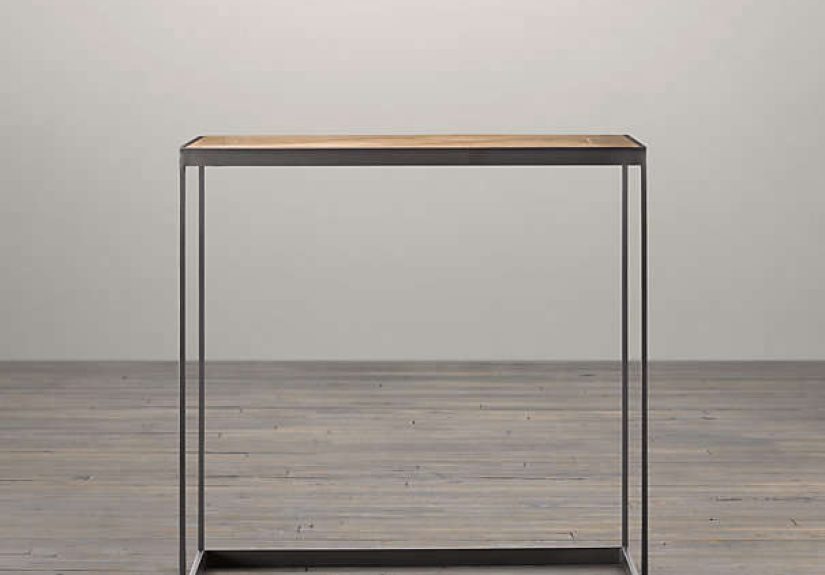
These tables are usually placed beside a sofa, reading chair, lounge chair, or bed. They may feature a chunky wooden base, a slender metal frame, drawers, open shelving, or a clean cube-like silhouette. The top is where the magic happens. Reclaimed oak pieces are arranged to create movement, depth, and texture. The result is a table that feels crafted rather than manufactured.
Why Oak Is Such a Strong Choice
Oak has long been used in furniture because it balances beauty and toughness. It has a visible grain, good density, and a timeless look that can lean rustic, traditional, modern, or industrial depending on the finish. White oak often feels slightly cooler and more refined, while red oak can show warmer tones and a more open grain. Reclaimed oak may include both subtle and dramatic color variations because the wood has already lived a previous life before becoming furniture.
For side tables, oak is especially practical. A side table is a hardworking little hero. It catches keys, lamps, mugs, vases, phone chargers, snack bowls, and the occasional elbow. Oak can handle daily use well, especially when properly sealed and maintained. It does not need to be treated like glass, though coasters are still highly recommended unless you enjoy circular regret.
Why Reclaimed Wood Has Become So Popular
Reclaimed wood is popular because it solves several design problems at once. It brings warmth to a room, reduces demand for new material, and offers a lived-in look that brand-new wood often tries very hard to imitate. The irony is charming: factories can produce “distressed” furniture, but reclaimed wood already earned its wrinkles honestly.
Using reclaimed material can also support a more sustainable approach to home design. Salvaged and reused materials help reduce waste and can lessen the need for new resource extraction. In furniture, reclaimed wood also offers something that is difficult to duplicate: a surface with history. You may see old saw marks, darker streaks, filled nail holes, or slight unevenness. These are not flaws in the usual sense. They are part of the visual story.
The Beauty of Imperfection
One of the main reasons people choose reclaimed oak furniture is because it does not look overly perfect. A reclaimed oak parquet side table might show color shifts from honey to smoke brown, or one block may have a tighter grain while the next has a bolder cathedral pattern. That variation creates depth. It also makes the piece easier to live with. A small scratch on a reclaimed table is not a tragedy; it is merely another sentence in the table’s biography.
This is why reclaimed oak works so well in busy homes. In a living room with kids, pets, guests, movie nights, and popcorn that somehow ends up everywhere, a piece with natural texture can be far more forgiving than a glossy black table that records fingerprints like a crime scene investigator.
What Makes the Parquet Pattern So Appealing?
Parquet adds rhythm. Instead of a plain slab of wood, the tabletop becomes a pattern of smaller pieces. Herringbone creates a zigzag effect using rectangular pieces set at angles. Chevron creates a cleaner V-shaped look because the ends are cut to meet in a point. Basketweave and block patterns feel more classic and architectural. On a small table, these patterns provide just enough detail without overwhelming the room.
The best part is that parquet makes a compact surface feel designed. A side table is small by nature, so every inch matters. A patterned oak top gives the piece presence. It says, “Yes, I am only twenty-something inches wide, but I came prepared.”
Parquet Adds Texture Without Clutter
Many people want a room that feels interesting but not crowded. Reclaimed oak parquet side tables are excellent for that goal. The pattern creates visual energy, while the natural wood keeps the look grounded. You do not need to add ten accessories on top. A lamp, a ceramic bowl, and one good book may be enough. The table already brings texture, contrast, and craftsmanship.
In minimalist rooms, parquet prevents the space from feeling cold. In rustic rooms, it reinforces the cozy mood. In industrial interiors, the mix of reclaimed wood and metal can look especially strong. In traditional homes, parquet connects beautifully with classic flooring, paneled walls, leather chairs, and warm brass accents.
Best Interior Styles for Reclaimed Oak Parquet Side Tables
One reason these tables are so versatile is that they sit comfortably between old and new. They can soften modern spaces or sharpen rustic ones. Here are several interior styles where they work particularly well.
Modern Rustic
Modern rustic design loves natural materials, clean lines, and cozy textures. A reclaimed oak parquet side table fits perfectly beside a linen sofa, a wool rug, and a stoneware lamp. Choose a lighter or medium oak finish if you want an airy, relaxed feeling. Add black metal legs if the room needs contrast.
Industrial
Industrial rooms often use metal, leather, exposed brick, concrete, and darker wood. A parquet side table with an iron frame can tie those materials together. The oak adds warmth while the metal keeps the look structured. This is the design equivalent of a handshake between a lumberyard and a downtown loft.
Farmhouse and Transitional
Farmhouse interiors benefit from reclaimed wood because it feels authentic. However, parquet gives the table a more refined edge, preventing the space from looking too theme-heavy. Pair it with slipcovered seating, woven baskets, soft neutral pillows, and warm lighting. Transitional rooms can use these tables to bridge classic and contemporary furniture.
Contemporary Organic
Organic modern design focuses on natural shapes, warm neutrals, and tactile materials. A reclaimed oak parquet table works beautifully with boucle chairs, travertine accents, clay vases, and cream-colored upholstery. The wood grain gives the room a human touch, which is helpful when a space starts to look a little too much like a very expensive waiting room.
How to Choose the Right Reclaimed Oak Parquet Side Table
Before buying, think about size, function, finish, construction, and placement. A beautiful side table that is the wrong height will annoy you every day. Furniture should not require emotional negotiation before you can set down a cup of tea.
Check the Height
A side table usually works best when its top is close to the height of the sofa or chair arm. If it is too low, you will feel like you are reaching into a tiny canyon. If it is too high, it may look awkward and block the visual line of the seating area. For bedside use, match the table height to the top of the mattress or slightly above it.
Consider the Width and Depth
Small rooms may need a narrow rectangular side table. Larger seating areas can handle a square or chunky design. A round or softened-edge table can be useful in tight spaces because it is easier to move around. If the table will hold a large lamp, choose a top with enough surface area so the lamp does not look like it is balancing on a postage stamp.
Look at the Finish
Reclaimed oak can come in natural, weathered, smoked, gray-washed, dark brown, or sealed matte finishes. Natural finishes highlight grain and variation. Dark finishes feel richer and more dramatic. Matte finishes tend to look more modern and hide minor marks better than glossy finishes. If you have other wood tones in the room, do not panic. Woods do not have to match perfectly; they simply need to relate. Repeating a similar undertone somewhere else in the room can make the mix feel intentional.
Inspect the Construction
Because reclaimed wood may have natural movement, construction matters. Look for sturdy joinery, a stable base, and a well-sealed top. Some tables use solid reclaimed oak, while others combine reclaimed wood veneer, engineered wood, or metal frames. There is nothing automatically wrong with mixed construction, but shoppers should know what they are buying. A solid reclaimed oak table will usually feel heavier and may age differently than a veneer-topped piece.
How to Style Reclaimed Oak Parquet Side Tables
Styling a side table is about balance. You want it to look useful, not abandoned. You also want it to look edited, not like a tiny yard sale. Start with three layers: lighting, function, and personality.
Use a Lamp with the Right Scale
A lamp can make or break the table. On a patterned parquet top, a simple lamp often works best. Try a ceramic base, black metal lamp, linen shade, or aged brass finish. Avoid placing a lamp with an overly busy pattern on top of an already busy wood pattern unless your design goal is “visual jazz concert.”
Add One Practical Item
Use a tray, small dish, or coaster set for daily items. This keeps the surface organized and protects the finish. A tray also creates a visual boundary, which is helpful when the table becomes home to earbuds, receipts, lip balm, and one mysterious screw nobody wants to throw away.
Finish with Something Personal
Add a framed photo, small plant, sculptural object, candle, or favorite book. Reclaimed oak already feels personal, so choose accessories that support that mood. A slightly handmade object often looks better than something overly polished.
Care and Maintenance Tips
Reclaimed oak parquet side tables are durable, but they still need thoughtful care. Wood reacts to moisture, heat, sunlight, and humidity. A little maintenance goes a long way, and thankfully it does not require a lab coat.
Use Coasters and Wipe Spills Quickly
Water rings are the classic enemy of wood tables. Use coasters under glasses, mugs, vases, and plant pots. If liquid spills, blot it quickly with a soft cloth. Avoid letting standing water sit on the surface, especially near seams in the parquet pattern.
Dust with a Soft Cloth
Regular dusting keeps grit from scratching the finish. Use a soft microfiber or cotton cloth. Avoid harsh cleaners, abrasive pads, and heavy silicone polishes. For deeper cleaning, use a barely damp cloth and dry immediately. When in doubt, test any cleaner on an unseen area first.
Protect It from Extreme Conditions
Do not place the table directly against a heating vent, radiator, or sunny window for long periods. Big swings in temperature and humidity can encourage wood movement. Reclaimed wood may already have small irregularities, and that is part of the charm, but smart placement helps keep the table stable.
Refresh the Finish When Needed
Depending on the finish, some reclaimed wood tables benefit from occasional wax, oil, or a finish-safe conditioner. Always follow the maker’s instructions. If the table has a factory-applied protective coating, random oils may not absorb properly and could leave residue. The underside of the table is a great test spot because nobody’s guests are politely crawling under your furniture to judge your maintenance choices.
Common Mistakes to Avoid
The first mistake is assuming reclaimed means indestructible. Reclaimed oak is strong, but the finish still needs protection. The second mistake is over-styling the tabletop. Since parquet already has pattern, too many accessories can make it look crowded. The third mistake is buying only for looks without checking proportions. A stunning table that is too short, too tall, or too deep will never feel quite right.
Another common mistake is expecting perfect uniformity. Reclaimed oak parquet side tables are supposed to show variation. If you want every inch to look identical, reclaimed wood may not be your ideal match. But if you enjoy character, texture, and a little visual surprise, these tables deliver beautifully.
Are Reclaimed Oak Parquet Side Tables Worth It?
For many homeowners, yes. They offer a strong mix of durability, sustainability, character, and design flexibility. They can anchor a seating area, warm up a modern room, or add structure to a cozy corner. They also tend to feel less disposable than trend-based furniture. A good reclaimed oak table does not beg to be replaced every season. It simply gets better at looking like itself.
The value depends on construction quality, materials, finish, and craftsmanship. A handmade solid reclaimed oak piece will usually cost more than a mass-produced table with a reclaimed veneer. Both can be attractive, but they are not the same. Buyers should read product details carefully and choose based on budget, expected use, and long-term plans.
Real-Life Experience: Living with Reclaimed Oak Parquet Side Tables
Living with reclaimed oak parquet side tables is a bit like living with a charming old house: you get beauty, character, and the occasional reminder that natural materials have opinions. In a real living room, these tables quickly become more than decorative accents. They become daily landing zones. The morning coffee goes there. The book you swear you will finish goes there. The remote control vanishes there, usually under a magazine you were definitely going to read.
One of the biggest practical advantages is how forgiving the surface feels. A smooth lacquered table may look elegant in a showroom, but at home it can become a stress object. Every fingerprint, dust speck, and tiny scratch seems to wave at you. Reclaimed oak, especially in a parquet pattern, is more relaxed. The grain, seams, and tonal variation help disguise minor wear. That does not mean you should treat it badly, but it does mean you can live with it comfortably.
In small apartments, a reclaimed oak parquet side table can do a surprising amount of visual work. Place one beside a plain sofa and suddenly the seating area feels layered. The table adds texture without requiring a large footprint. In a bedroom, it can replace a standard nightstand if you do not need much storage. Add a warm lamp, a stack of books, and a small dish for jewelry or keys, and the corner feels finished.
In family homes, these tables are especially useful because they do not look ruined by normal life. A tiny dent or mark blends into the reclaimed character. This is wonderful for anyone who wants a beautiful home but does not want to follow guests around with a coaster like a nervous museum guard. Of course, coasters still matter. The goal is relaxed ownership, not furniture neglect with a decorative excuse.
Another experience worth noting is how well reclaimed oak pairs with other materials. It looks good next to leather, linen, boucle, cotton, wool, stone, ceramic, iron, brass, and glass. This makes it easy to update the room without replacing the table. Change the lamp, swap the rug, add new pillows, and the table still belongs. That flexibility is one reason reclaimed oak pieces often stay in homes for years.
The only real challenge is restraint. Because parquet is visually interesting, it is easy to overdecorate the top. A lamp, coaster, and one personal object are usually enough. Let the pattern breathe. The table has already done the hard design work; it does not need six candles, three vases, and a decorative chain large enough to secure a medieval gate.
Over time, the table becomes part of the rhythm of the home. It collects stories in small, quiet ways: a coffee ring you caught just in time, a holiday candle, a late-night glass of water, a favorite novel, a vase of flowers from the grocery store that somehow looked expensive for three glorious days. That is the appeal of reclaimed oak parquet side tables. They are useful, beautiful, and just imperfect enough to feel human.
Conclusion
Reclaimed oak parquet side tables bring together durability, sustainability, craftsmanship, and style in one compact piece of furniture. The oak provides strength and warmth, the reclaimed material adds history, and the parquet pattern gives the surface movement and architectural interest. Whether your home leans modern rustic, industrial, farmhouse, transitional, or organic contemporary, these tables can add texture without clutter and character without trying too hard.
Choose the right size, check the construction, protect the surface, and style it with a light hand. Do that, and a reclaimed oak parquet side table can become one of those rare furniture pieces that feels both practical and special. It holds your coffee today, your lamp tonight, and maybe a few decades of stories after that. Not bad for a small table with very good posture.