Table of Contents >> Show >> Hide
- The Real “Thing” Plumbers Always Do Before a Freeze
- Why Frozen Pipes Get So Expensive So Fast
- Here’s the Pre-Freeze Checklist Plumbers Trust
- 1. Shut Off, Disconnect, and Drain Outdoor Faucets
- 2. Insulate Exposed Pipes in Unheated Areas
- 3. Seal Drafts and Air Leaks Around Plumbing
- 4. Keep the House Warm EnoughEven When You’re Away
- 5. Open Cabinet Doors Near Vulnerable Pipes
- 6. Let a Small Stream or Drip Run During Severe Cold
- 7. Close Garage Doors if Plumbing Runs Through the Garage
- 8. Know Where the Main Water Shutoff Valve Is
- What to Do If a Pipe Is Already Frozen
- The Most Common Freeze Mistakes Homeowners Make
- A Practical Example: The $40 Fix vs. The “Why Is the Ceiling Sagging?” Bill
- The Smart Bottom Line
- Experience Section: What People Learn the Hard Way After One Big Freeze
- SEO Tags
There are two kinds of homeowners in winter: the ones who prepare before the temperature drops, and the ones who learn what a burst pipe sounds like at 2:13 a.m. Spoiler alert: it is not festive.
When a hard freeze is on the way, plumbers do not rely on luck, wishful thinking, or the old “the house should be fine” speech. They winterize the plumbing system before the cold settles in. That means protecting exposed pipes, shutting down outdoor water lines, blocking cold air, and making sure vulnerable plumbing has a fighting chance when the forecast gets ugly.
This is the real secret behind avoiding expensive winter water damage: plumbers prepare the weak spots before they freeze, not after. And that one habit can save you thousands in repairs to drywall, flooring, cabinets, insulation, paint, and everything else water loves to ruin.
The Real “Thing” Plumbers Always Do Before a Freeze
If you want the simplest version, here it is: they winterize vulnerable pipes early.
That sounds almost suspiciously obvious, but it matters because frozen-pipe damage usually does not start where you can see it. It starts in unheated spaces, under sinks on exterior walls, inside garages, crawl spaces, basements, attics, laundry rooms, and outdoor hose bibs. In other words, the exact places most people do not inspect until the water stops flowingor starts flowing where it definitely should not.
Professional plumbers know that ice is only half the problem. The real danger is pressure. When water freezes, it expands. That pressure can build inside the pipe, and when the blockage gives way or the pipe splits, you are suddenly paying for an emergency you did not budget for. So the goal is not just to “keep pipes warm.” The goal is to protect the whole system in advance.
Why Frozen Pipes Get So Expensive So Fast
A frozen pipe is annoying. A burst pipe is a financial personality test.
What makes freeze damage so brutal is the chain reaction. Water leaks into walls, under flooring, into insulation, around electrical components, behind cabinets, and sometimes down into lower levels before anyone notices. By the time you spot the stain on the ceiling or the warped floorboard, the real damage has already moved in, unpacked a suitcase, and made itself comfortable.
That is why winter plumbing tips are not just “nice to know” advice. They are home-protection basics. Preventing frozen pipes is almost always cheaper than repairing burst pipes, drying out a structure, replacing finishes, and dealing with the mess afterward.
Here’s the Pre-Freeze Checklist Plumbers Trust
1. Shut Off, Disconnect, and Drain Outdoor Faucets
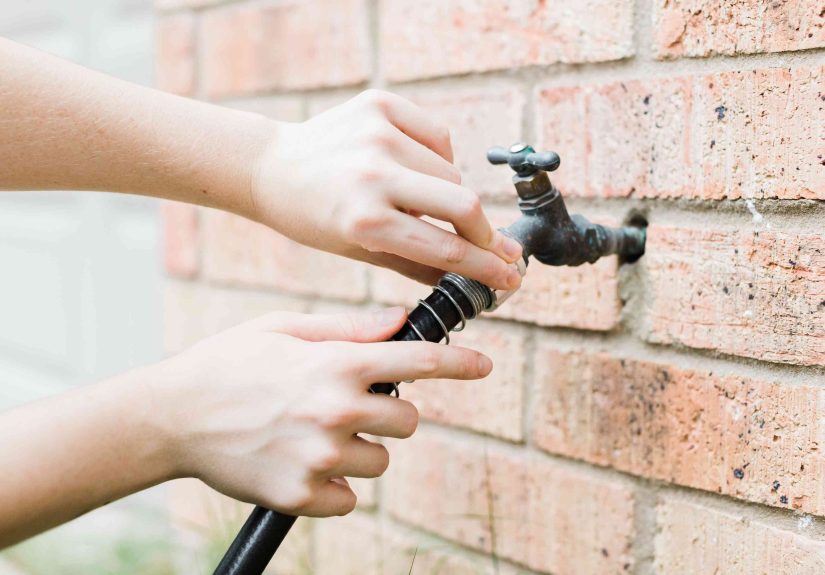
If a plumber had to pick one move homeowners ignore most often, this would be near the top. Outdoor faucets and hoses are freeze magnets. Water left in a connected hose or exposed spigot can freeze, expand, and damage not just the faucet, but the pipe feeding it inside the house.
Before a freeze, plumbers typically:
- Disconnect garden hoses
- Drain and store hoses somewhere protected
- Shut off interior valves feeding outdoor spigots, if the home has them
- Drain exterior faucet lines
- Install insulated faucet covers where appropriate
This is a small task with a very large payoff. It is also one of the easiest ways to prevent frozen pipes without tearing into walls or buying a truckload of gear.
2. Insulate Exposed Pipes in Unheated Areas
Pipe insulation is not glamorous. It will never go viral. It will not impress your neighbors. It may, however, save your kitchen ceiling.
Plumbers routinely add insulation to exposed water lines in basements, crawl spaces, garages, attics, utility rooms, and other chilly zones. Foam pipe sleeves are common because they are affordable, easy to install, and effective for many residential situations. In especially vulnerable areas, a plumber may also recommend heating cable or heat tape designed for plumbing applications, installed exactly as the manufacturer directs.
The point is not to turn your pipes into a luxury spa experience. The point is to reduce exposure to freezing air and buy those lines enough protection to survive cold snaps.
3. Seal Drafts and Air Leaks Around Plumbing
This step gets overlooked because people think frozen pipes are only a plumbing problem. Often, they are an air leak problem wearing a plumbing costume.
If cold air is sneaking in around pipe penetrations, rim joists, crawl-space gaps, garage walls, or utility openings, even a heated house can leave certain plumbing lines exposed to freezing temperatures. Plumbers and home pros know that sealing those cracks matters almost as much as insulating the pipe itself.
That is why one of the smartest winter home maintenance moves is sealing openings where pipes enter walls, floors, or foundation areas. A tiny gap can invite a shocking amount of cold air. Think of it as telling winter, politely but firmly, that it is not welcome in your wall cavity.
4. Keep the House Warm EnoughEven When You’re Away
Turning the heat way down to save money can become one of the most expensive “money-saving” choices of the year. Plumbers generally recommend keeping indoor temperatures steady during freezing weather, especially if pipes run through exterior walls or unheated spaces.
If you are leaving town, do not shut the heat off. Keep the thermostat at a safe temperature so pipes inside walls, floors, and cabinets stay above freezing. This matters even more in older homes, homes with crawl spaces, or houses with any history of winter plumbing issues.
Translation: your pipes do not care that you found a cheap weekend getaway. They still expect heat.
5. Open Cabinet Doors Near Vulnerable Pipes
Pipes under kitchen and bathroom sinksespecially those on exterior wallscan get colder than the room itself. Before a freeze, plumbers often recommend opening cabinet doors to let warmer indoor air circulate around those lines.
It is simple, costs nothing, and can make a real difference during a cold snap. Just make sure household chemicals are kept safely away from children and pets if cabinets are left open.
6. Let a Small Stream or Drip Run During Severe Cold
This is the tip people remember, but it is only part of the strategy. Plumbers do not usually suggest running every faucet all winter like you are trying to impress the local water department. They use a targeted drip on faucets connected to vulnerable pipes when temperatures are expected to drop hard.
Moving water is less likely to freeze than standing water, and a small trickle can also help reduce pressure buildup. If you know certain lines are at risksay, a sink on an exterior wall or plumbing in a poorly insulated part of the housea strategic drip can be a smart temporary defense.
7. Close Garage Doors if Plumbing Runs Through the Garage
Garage plumbing is often exposed to colder air than people realize. If you have water supply lines in or along the garage, keep the garage doors closed as much as possible before and during a freeze. That small habit helps limit cold-air exposure and protects nearby plumbing.
8. Know Where the Main Water Shutoff Valve Is
This is the difference between a stressful plumbing problem and an all-out indoor waterfall event.
Before cold weather arrives, plumbers make sure they know where the main water shutoff isand homeowners should too. If a pipe bursts, shutting off the main water quickly can dramatically reduce damage. Do not wait until water is spraying across the basement like a lawn sprinkler with emotional issues.
Every adult in the house should know:
- Where the main shutoff valve is
- How to turn it off
- Which tools, if any, are needed
What to Do If a Pipe Is Already Frozen
If you turn on a faucet and only a trickle comes out, you may have a frozen pipe. Do not panic, but do act quickly.
Start with the faucet
Open the faucet served by the frozen pipe. As the ice begins to melt, water can move through the system, which helps the thawing process.
Apply heat safely
Use safe heat sources such as:
- A hair dryer
- An electric heating pad
- Warm towels
- A space heater used carefully in a dry, clear area
Never use an open flame. No blowtorch. No propane heater aimed at the pipe like you are starring in a questionable DIY action film. Open flames create a serious fire risk and can damage plumbing.
Work from the accessible area toward the frozen section
If you can identify the frozen area, warm it gradually. If the pipe is inside a wall, or if you cannot reach it safely, call a licensed plumber.
If the pipe has burst, shut off the main valve immediately
Then call a plumber and begin protecting the area from additional water damage. The faster you stop the flow, the better your odds of keeping the repair bill from turning into a full-blown home restoration project.
The Most Common Freeze Mistakes Homeowners Make
- Leaving hoses attached and assuming an outdoor faucet will somehow “be fine.”
- Ignoring crawl spaces, attics, and garages because they are out of sight.
- Turning the thermostat too low when leaving home.
- Using dripping faucets as the only plan instead of also insulating and sealing air leaks.
- Waiting until the freeze warning starts instead of prepping earlier.
- Not knowing the shutoff location until water is already pouring out.
If you want to prevent burst pipes, the winning strategy is layered protection. There is no magic single fix. There is only preparation.
A Practical Example: The $40 Fix vs. The “Why Is the Ceiling Sagging?” Bill
Imagine two homeowners on the same block.
The first disconnects outdoor hoses, drains the hose bib, adds foam pipe insulation in the crawl space, seals a draft near the pipe entry point, opens the sink cabinet, and lets one vulnerable faucet drip during the overnight freeze. Total cost: maybe a few supplies and a little time.
The second does nothing because the house “has always handled winter pretty well.” By morning, a pipe along an exterior wall has frozen and cracked. By afternoon, the thaw starts, water leaks inside the wall, the flooring takes a hit, and suddenly this person knows three restoration companies by name.
That is why plumbers always do the boring stuff first. The boring stuff is what prevents expensive drama.
The Smart Bottom Line
If you remember one thing from this article, let it be this: plumbers do not wait for a freeze to test the plumbing system. They winterize before the cold hits. That means protecting exposed pipes, managing outdoor water lines, sealing air leaks, keeping indoor temperatures steady, and knowing how to respond fast if something still goes wrong.
So yes, the title is a little dramatic. But the truth is not. These simple winter plumbing tips really can save you thousandsbecause preventing frozen pipes is almost always cheaper, faster, and less stressful than dealing with burst pipes after the fact.
Your future self, standing in a warm, dry house during the next cold snap, will be extremely grateful.
Experience Section: What People Learn the Hard Way After One Big Freeze
Ask enough homeowners about a winter plumbing scare and you will hear the same pattern over and over. Nobody says, “I am so glad I ignored that faucet cover and left the hose attached.” What they usually say is some version of, “I thought it would be okay for one night.” That one night is doing a lot of work in that sentence.
One common experience goes like this: the weather app predicts a hard freeze, but the day before feels manageable, so preparation gets pushed to tomorrow. Tomorrow arrives with wind, sleet, a dramatic temperature drop, and exactly zero motivation to crawl into the garage or fiddle with outdoor shutoff valves. By the next morning, the kitchen sink on the exterior wall is giving out a weak trickle. At that moment, people discover an important truth: frozen pipes are not loud at first. They are sneaky. They start with hesitation, reduced flow, odd silence, or a faucet that suddenly behaves like it is rationing water for a wilderness challenge show.
Another experience people talk about is how often the problem shows up far from where they expected. They assume the issue will be an outdoor faucet, then find out the actual trouble is a pipe in a crawl space, behind a vanity, or near a garage wall that never felt especially cold before. This is why plumbers are so methodical. They do not just protect the obvious spots. They think about every place where cold air and plumbing intersect, because the pipe that freezes is often the pipe the homeowner forgot existed.
Vacation homes and long weekends create their own category of regret. Plenty of people leave town, set the thermostat too low, and come back to the unmistakable smell of damp drywall and bad decisions. The experience is not just expensive. It is disruptive. You are not only calling a plumber. You may be calling a mitigation company, your insurance carrier, a flooring contractor, maybe an electrician, and possibly your own patience, which is now hanging by a thread.
Then there are the people who did most things right but skipped one tiny step. They insulated the basement lines but forgot to open the cabinet under the kitchen sink. They covered the outdoor faucet but left the hose connected. They knew where the shutoff valve was but had not tested whether it would actually turn easily. These stories matter because they show that winter prep is rarely about one heroic move. It is about a bunch of small, unglamorous decisions that work together.
The encouraging part is that the homeowners who go through one freeze-related plumbing mess almost always become excellent at prevention afterward. They label shutoff valves. They buy insulation sleeves before the first cold front. They stop treating winter plumbing tips like optional reading. In a weird way, the experience turns them into the calm person on the block saying, “Did you disconnect your hoses yet?” That may not sound exciting, but compared with emergency water extraction at dawn, it is a fantastic personality upgrade.