Table of Contents >> Show >> Hide
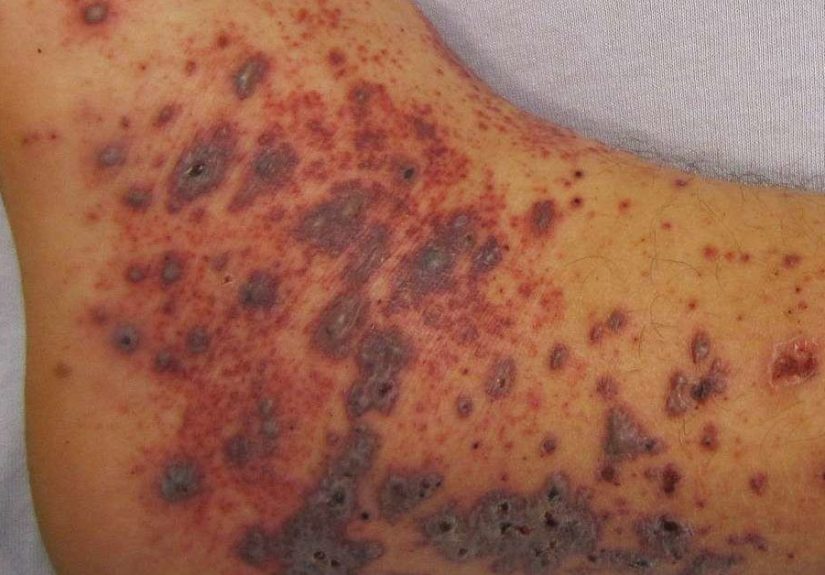
Petechiae are tiny red, purple, or brown dots that can show up on the skin like someone sprinkled pepper with dramatic flair. They are usually flat, round, and smaller than a pinhead. Unlike many common rashes, petechiae do not fade or turn pale when you press on them. That small detail matters because petechiae are not caused by irritation on the skin’s surface. They happen when tiny blood vessels called capillaries leak a small amount of blood under the skin.
Sometimes petechiae appear after something harmless, such as intense coughing, vomiting, crying, lifting heavy objects, or straining. In other cases, they may be a clue that the body is dealing with an infection, low platelet count, medication reaction, autoimmune disorder, or another medical condition. In plain English: petechiae can be minor, but they deserve respect. They are the skin’s version of a tiny warning light on the dashboard.
This guide explains what petechiae look like, common causes, when to seek medical help, how doctors diagnose the problem, and what treatments may be used depending on the underlying cause.
What Are Petechiae?
Petechiae are pinpoint spots of bleeding under the skin or mucous membranes. They may appear red, purple, brown, or dark depending on a person’s skin tone and how long the spots have been present. They often appear in clusters and can look like a rash, but they are technically small areas of bleeding rather than a classic skin rash.
A simple way to check them is the “press test.” If you gently press the spot with a clear glass or fingertip and the color does not fade, it may be petechiae. This is called a non-blanching spot. Of course, your finger is not a medical degree, so this test should not replace a professional evaluation when symptoms are concerning.
Petechiae vs. Purpura vs. Bruising
Petechiae are usually very small, often less than 2 millimeters. Larger areas of bleeding under the skin may be called purpura, while even bigger patches are often called ecchymoses, better known as bruises. These terms are related because all involve blood leaking under the skin, but their size and pattern differ.
Petechiae may appear on the legs, arms, stomach, buttocks, face, inside the mouth, or even on the eyelids. In people with darker skin tones, they may be harder to notice, so checking the palms, soles, mouth, and inner eyelids may help reveal them more clearly.
Common Causes of Petechiae
Petechiae are a symptom, not a disease by themselves. Treatment depends on what is causing the tiny blood vessels to leak. Below are some of the most common reasons petechiae may appear.
1. Physical Strain
One of the less scary causes of petechiae is pressure from straining. Severe coughing, repeated vomiting, intense crying, childbirth, or heavy lifting can temporarily increase pressure in small blood vessels. This may cause petechiae around the eyes, face, neck, or upper chest.
For example, someone with a rough stomach virus may notice tiny red dots around the eyes after vomiting. In many cases, these spots fade as the body recovers. Still, if the petechiae spread, return often, or appear with other symptoms, a medical checkup is wise.
2. Minor Injury or Skin Trauma
Pressure, friction, tight clothing, carrying a heavy backpack, or minor skin trauma can sometimes cause petechiae. A tight blood pressure cuff, tourniquet, or strong suction can also create small spots. The skin is tough, but capillaries are tiny and not always fans of rough treatment.
3. Viral or Bacterial Infections
Infections are a major category of petechiae causes. Viral illnesses can sometimes trigger petechiae, especially when they affect blood clotting or platelet levels. Certain bacterial infections may also cause petechiae, and some can be serious.
Petechiae with fever, chills, confusion, severe headache, stiff neck, extreme sleepiness, trouble breathing, or a rapidly spreading rash should be treated as urgent. In rare but dangerous cases, petechiae may be linked with meningococcal infection, sepsis, or other severe infections that require emergency care.
4. Low Platelet Count
Platelets help blood clot. When platelet levels are too low, the body may bleed more easily, and petechiae can appear. This condition is called thrombocytopenia. It may happen because of immune disorders, infections, certain medications, bone marrow problems, liver disease, or other medical conditions.
People with low platelets may also notice easy bruising, nosebleeds, bleeding gums, heavy menstrual bleeding, or blood in urine or stool. Petechiae plus unusual bleeding is a good reason to contact a healthcare professional promptly.
5. Medication Side Effects
Some medications can increase the chance of petechiae by affecting platelets, clotting, or blood vessel strength. Examples may include blood thinners, antiplatelet drugs, some antibiotics, chemotherapy medicines, and certain seizure medications. This does not mean you should stop a prescribed medication on your own. That is how small problems sometimes put on a superhero cape and become big problems.
If petechiae appear after starting a new medication, contact a doctor or pharmacist. They can help decide whether the medicine may be involved and whether testing or a safer alternative is needed.
6. Autoimmune Conditions
Autoimmune disorders occur when the immune system mistakenly attacks healthy parts of the body. Some autoimmune conditions can affect platelets, blood vessels, or clotting, leading to petechiae or purpura. Immune thrombocytopenia, often called ITP, is one example. In ITP, the immune system attacks platelets, which can cause bruising, bleeding, and pinpoint skin spots.
7. Blood and Bone Marrow Disorders
Less commonly, petechiae may be related to blood disorders or bone marrow conditions that interfere with normal blood cell production. These conditions can affect platelets, red blood cells, or white blood cells. Symptoms may include fatigue, frequent infections, unusual bruising, pale skin, swollen lymph nodes, or unexplained weight loss.
This does not mean every tiny red dot is a medical thriller. Most skin spots are not caused by severe disease. But persistent petechiae, widespread petechiae, or petechiae with other unusual symptoms should be evaluated.
8. Vitamin Deficiencies
Vitamin C and vitamin K play roles in blood vessel health and clotting. Severe deficiency is not common in people with balanced diets, but it can happen. Vitamin C deficiency may weaken blood vessels, while vitamin K deficiency can affect clotting. People with poor nutrition, certain digestive disorders, heavy alcohol use, or problems absorbing nutrients may be at higher risk.
When Petechiae May Be an Emergency
Not all petechiae are dangerous, but some warning signs should never be ignored. Seek urgent medical care if petechiae appear with fever, stiff neck, confusion, fainting, severe headache, shortness of breath, chest pain, uncontrolled bleeding, severe abdominal pain, or a rash that spreads quickly.
Parents and caregivers should be especially cautious with children. A child with petechiae and fever, unusual sleepiness, trouble waking, breathing problems, or a stiff neck needs immediate medical attention. When in doubt, it is better to be the person who “overreacted” than the person who waited too long.
How Doctors Diagnose Petechiae
Doctors usually begin with a physical exam and medical history. They may ask when the spots appeared, whether they spread, what symptoms came with them, and whether there were recent infections, injuries, medications, vaccinations, travel, or bleeding problems.
Common tests may include a complete blood count to check platelet levels, red blood cells, and white blood cells. Depending on the situation, doctors may also order blood clotting tests, liver function tests, kidney tests, infection testing, inflammatory markers, or a blood smear. If a blood disorder is suspected, referral to a hematologist may be recommended.
The goal is not simply to “treat the spots.” The real goal is to find out why the spots appeared in the first place. Petechiae are the clue; the cause is the mystery. The doctor is the detective, ideally one with lab access and better lighting than your bathroom mirror.
Treatments for Petechiae
There is no one-size-fits-all treatment for petechiae because treatment depends on the cause. The spots themselves often fade as the underlying issue improves. Here are common treatment approaches.
Treatment for Strain-Related Petechiae
If petechiae are caused by coughing, vomiting, or physical strain, they may clear on their own. Treatment may focus on the trigger, such as managing a cough, treating nausea, resting, and staying hydrated. The spots may take days to fade as the body reabsorbs the leaked blood.
Treatment for Infection-Related Petechiae
If a bacterial infection is suspected, doctors may prescribe antibiotics. Serious infections may require emergency treatment, hospital care, IV fluids, monitoring, and other supportive care. Viral infections may need rest, fluids, fever control, and observation unless complications develop.
Treatment for Low Platelets
When petechiae are caused by low platelet levels, treatment depends on how low the count is and what is causing the problem. Some cases are monitored closely. Others may require medications that calm the immune system, treatments that help raise platelet counts, or care from a blood specialist.
Treatment for Medication Reactions
If a medication is suspected, a clinician may adjust the dose, switch medicines, or run tests to confirm the cause. Never stop blood thinners, seizure medications, steroids, or other important prescriptions without medical guidance. The internet is excellent for recipes and cat videos, but medication changes need a professional human.
Treatment for Nutritional Deficiencies
If vitamin deficiency is involved, treatment may include dietary changes or supplements recommended by a healthcare professional. Foods rich in vitamin C include citrus fruits, strawberries, bell peppers, broccoli, and potatoes. Vitamin K is found in leafy greens such as kale, spinach, and collards. Supplements should be used carefully, especially for people taking blood thinners.
Can Petechiae Be Prevented?
You cannot prevent every case of petechiae, but you can reduce certain risks. Protect your skin from unnecessary trauma, avoid extremely tight clothing or straps, manage coughing or vomiting early, and follow medication instructions carefully. Do not take aspirin, blood thinners, or supplements that affect bleeding unless recommended by a healthcare professional.
Good hygiene, staying up to date with recommended vaccines, and seeking treatment for infections may also reduce risk. For people with known platelet disorders or bleeding conditions, regular medical follow-up is important.
Living With Petechiae: Practical Experience and Real-Life Observations
One of the most common experiences people describe with petechiae is the sudden “What on earth is that?” moment. Maybe the dots appear after a hard coughing spell, a workout, or a weekend of being sick. They may be painless, flat, and not itchy, which makes them even more confusing. A regular rash often announces itself with itching or irritation. Petechiae can be quiet, tiny, and suspiciously calm.
A practical first step is to notice the pattern. Petechiae around the eyes after vomiting may tell a different story than widespread spots on the legs with fever and fatigue. Spots that stay in one small area after pressure from a strap may be less concerning than spots that keep spreading. Taking a clear photo in good lighting can help track changes and gives your healthcare provider something useful to review. Skin has a sneaky habit of looking different under bathroom lights, sunlight, and panic.
Another helpful habit is writing down recent changes. Did you start a new medication? Have a viral illness? Take aspirin or an anti-inflammatory medicine? Notice unusual bruising? Have nosebleeds or bleeding gums? These details can help a doctor decide whether basic reassurance is enough or whether lab tests are needed.
Parents often feel extra anxious when petechiae appear on a child, and that concern is understandable. Children get rashes all the time, but petechiae with fever or unusual behavior should be checked quickly. A child who is alert, playful, and has a few dots after intense coughing may be in a very different situation than a child who is sleepy, feverish, or rapidly developing more spots. The key is not to memorize every medical condition; it is to recognize when the overall picture looks wrong.
People with recurring petechiae often learn to become careful observers without becoming full-time skin detectives. If spots repeatedly appear after workouts, tight socks, or heavy lifting, it is worth discussing with a clinician, especially if bruising or bleeding also occurs. Sometimes the answer is simple. Sometimes it requires checking platelets, clotting, or other health markers.
Emotionally, petechiae can be stressful because they look dramatic while often feeling like nothing. That mismatch can make people spiral into worst-case searches online. A better approach is balanced: do not ignore petechiae, but do not assume disaster from one cluster of dots. Watch for warning signs, document changes, and get medical advice when symptoms are new, widespread, unexplained, or paired with fever or bleeding.
In everyday life, the best “treatment experience” is usually cause-based care. If petechiae came from strain, rest and time may be enough. If they came from infection, treating the infection matters. If they came from low platelets or medication effects, professional guidance is essential. The dots are not the enemy; they are the messenger. And like any messenger, they are much more useful when you listen instead of arguing with them in the mirror.
Conclusion
Petechiae are tiny non-blanching spots caused by small amounts of bleeding under the skin. They may result from harmless strain, minor trauma, infections, medication effects, low platelet counts, autoimmune conditions, vitamin deficiencies, or more serious blood and vascular disorders. The most important point is context. A few spots after coughing may not mean the same thing as rapidly spreading petechiae with fever, confusion, stiff neck, or unusual bleeding.
If petechiae are new, unexplained, spreading, or accompanied by concerning symptoms, seek medical advice. Proper diagnosis helps treat the real cause, not just the visible dots. Your skin may be quiet, but sometimes it is very good at sending messages.
Note: This article is for educational purposes only and is not a substitute for diagnosis, treatment, or emergency care from a qualified healthcare professional.