Table of Contents >> Show >> Hide
- Why This Low Calorie Baked Beans Recipe Works
- Low Calorie Baked Beans Recipe
- What Makes These Baked Beans Lower in Calories?
- Flavor Tips That Make a Big Difference
- Easy Variations for Different Tastes
- What to Serve with Low Calorie Baked Beans
- Storage, Meal Prep, and Reheating
- Common Mistakes to Avoid
- Conclusion
- Experiences With a Low Calorie Baked Beans Recipe
- SEO Tags
There are two kinds of baked beans in this world. The first kind shows up at the cookout wearing a glitter jacket made of bacon fat, brown sugar, and enough sticky sauce to glue a paper plate to your knee. The second kind still tastes rich, smoky, and deeply satisfying, but it does not leave you feeling like you accidentally ate dessert with a side of sodium. This is the second kind.
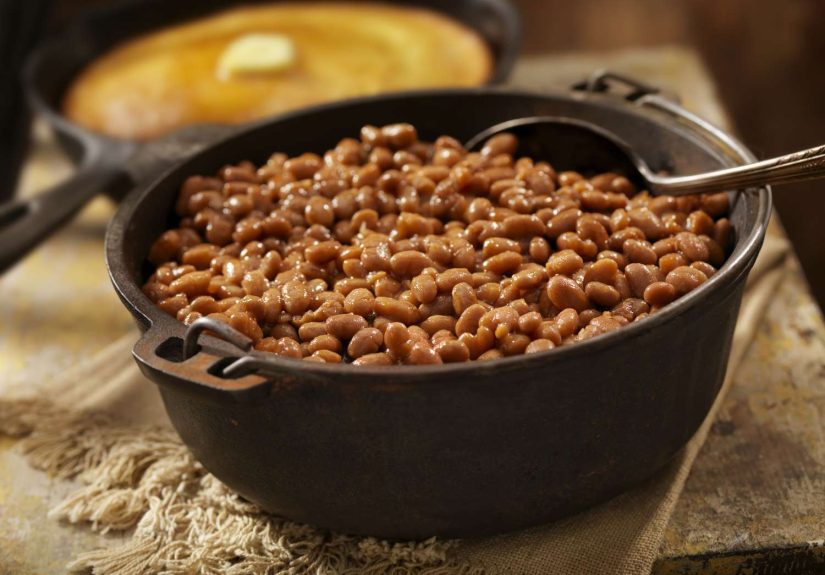
A good low calorie baked beans recipe should not taste like punishment. That is the whole game. You still want the sweet-tangy balance, the soft beans, the oniony depth, and that classic barbecue-side personality. You just do not need half a pound of bacon and a snowdrift of sugar to get there. With smart ingredient swaps, better portion control, and a sauce that leans on tomato, mustard, vinegar, smoked paprika, and a modest touch of molasses, baked beans can stay cozy without getting ridiculously heavy.
This version is designed for real life. It uses canned beans for convenience, keeps the ingredient list practical, and gives you a dish that works for weeknight dinners, backyard cookouts, meal prep, and those moments when you want something warm and comforting but still friendly to your goals. It is also easy to customize, which is excellent news for picky eaters, vegetarians, spice lovers, and people who open the fridge and cook by vibes.
Why This Low Calorie Baked Beans Recipe Works
The secret is not removing flavor. The secret is moving flavor around. Instead of relying on lots of bacon and sugar, this recipe uses aromatics and acids to do the heavy lifting. Onion and garlic build a savory base. Tomato sauce and tomato paste add body and that familiar baked-bean backbone. Yellow mustard and apple cider vinegar brighten the whole pot so it does not taste flat. Smoked paprika brings that backyard-barbecue energy without asking you to fry an entire breakfast in the process.
Beans do the rest. They are filling, hearty, and naturally satisfying, which means you get the comfort-food effect without needing a ton of added fat. Navy beans are especially great here because they are creamy, mild, and excellent at soaking up sauce. They also look the part. If baked beans had a casting director, navy beans would get the lead role every time.
This recipe also keeps sweetness in check. Classic baked beans often turn sweet enough to qualify as a side dish with an identity crisis. Here, a small amount of molasses gives you depth and that old-school flavor, while just a little brown sugar rounds things out. The result tastes balanced instead of candy-coated.
Low Calorie Baked Beans Recipe
Yield
Serves 6 as a side dish
Ingredients
- 2 cans (15 ounces each) no-salt-added navy beans, drained and rinsed
- 1 teaspoon olive oil
- 1 small yellow onion, finely diced
- 2 cloves garlic, minced
- 1/2 cup no-salt-added tomato sauce
- 1 tablespoon tomato paste
- 1 tablespoon molasses
- 1 tablespoon light brown sugar
- 1 tablespoon yellow mustard
- 1 tablespoon apple cider vinegar
- 1 teaspoon Worcestershire sauce
- 1/2 teaspoon smoked paprika
- 1/4 teaspoon black pepper
- Pinch of cayenne pepper, optional
- 1/4 cup water, plus more as needed
- Chopped parsley or green onion for garnish, optional
Instructions
- Preheat the oven. Heat your oven to 375°F. Lightly coat a small baking dish or oven-safe skillet with cooking spray.
- Build the flavor base. Warm the olive oil in a skillet over medium heat. Add the onion and cook for 4 to 5 minutes, until softened. Stir in the garlic and cook for 30 seconds more. Your kitchen should start smelling like somebody competent lives there.
- Make the sauce. Add the tomato sauce, tomato paste, molasses, brown sugar, mustard, apple cider vinegar, Worcestershire sauce, smoked paprika, black pepper, cayenne if using, and water. Stir until smooth and gently simmer for 2 to 3 minutes.
- Add the beans. Fold in the drained, rinsed navy beans and stir gently so the beans stay mostly intact. If the mixture looks too thick, add another splash of water.
- Bake. Transfer the mixture to the prepared dish and bake uncovered for 30 to 35 minutes, until bubbly around the edges and thickened to your liking.
- Rest and serve. Let the beans sit for 5 to 10 minutes before serving. This gives the sauce time to settle and thicken a little more. Garnish with chopped parsley or green onion if you want a fresh finish.
What Makes These Baked Beans Lower in Calories?
A lot of the calories in traditional baked beans come from sugary add-ins and fatty meat, not the beans themselves. Beans are hearty enough on their own, so this recipe keeps the focus where it belongs. The amount of sweetener is moderate, the oil is minimal, and there is no big bacon blanket involved.
Another win is using no-salt-added canned beans and rinsing them well. That move helps keep sodium more reasonable while still giving you all the convenience of canned beans. It is one of those rare healthy habits that takes almost no effort. You open a can, pour stuff into a colander, rinse for a few seconds, and suddenly you feel like the sort of person who reads labels on purpose.
The sauce also leans on strong flavors that are naturally low in calories. Mustard, vinegar, garlic, onion, tomato, and smoked paprika all bring a lot of character without asking for much in return. That is exactly what you want in a healthy baked beans recipe.
Flavor Tips That Make a Big Difference
Use smoked paprika generously, but not recklessly
Smoked paprika is the easiest way to mimic some of the cozy depth people usually expect from bacon-heavy baked beans. It adds warmth and a subtle campfire quality. Too little and the beans can taste timid. Too much and the whole dish starts yelling. Half a teaspoon is a sweet spot for most batches.
Do not skip the vinegar
The vinegar is not there to make the beans sour. It is there to keep the flavor from feeling sleepy. Beans are creamy and soft, so they benefit from something sharp and bright. Apple cider vinegar works beautifully, though white vinegar can step in if needed.
Let them rest before serving
Fresh from the oven, the sauce may look a little loose. Give it a few minutes. Baked beans thicken as they sit, which means patience is not just a virtue here; it is part of the recipe.
Easy Variations for Different Tastes
Vegetarian version
Use a vegetarian Worcestershire sauce or replace it with a teaspoon of low-sodium soy sauce plus a tiny squeeze of lemon. Everything else can stay the same.
Smokier version
Add a few drops of liquid smoke or top the finished beans with one crisp slice of chopped center-cut bacon. That gives you the aroma of classic baked beans without turning the recipe into a calorie festival.
Sweeter version
Stir in one extra teaspoon of brown sugar or maple syrup if you prefer a sweeter barbecue-style bean. Small changes go a long way.
Spicier version
Add extra cayenne, a pinch of chili flakes, or a diced jalapeño sautéed with the onion. The beans can handle it.
Different bean version
Navy beans are traditional, but great northern beans, cannellini beans, or pinto beans also work well. The texture changes slightly, yet the recipe still lands in delicious territory.
What to Serve with Low Calorie Baked Beans
These beans are versatile enough to play several roles. They work as a side dish, a meal-prep component, or the foundation of a quick lunch. Pair them with grilled chicken, turkey burgers, roasted vegetables, or a crisp green salad for a balanced plate. Spoon them over a baked potato and add steamed broccoli for a surprisingly satisfying dinner. Pile them next to coleslaw and corn on the cob at a summer cookout and nobody will complain that the beans got healthier.
For breakfast, yes, breakfast, try a scoop with scrambled eggs and whole grain toast. It sounds a little diner-meets-weeknight-survival, but it absolutely works. Beans are nothing if not committed team players.
Storage, Meal Prep, and Reheating
One of the best things about a low calorie baked beans recipe is that it gets even better after the flavors sit together for a while. Store leftovers in an airtight container in the refrigerator for up to 4 days. Reheat gently on the stove or in the microwave with a splash of water if the sauce has thickened too much.
These beans also freeze well. Let them cool completely, portion them into containers, and freeze for up to 3 months. Thaw overnight in the refrigerator and reheat as needed. That makes them a strong choice for meal prep, especially when you want a side dish ready to go without defaulting to something bland and sad.
Common Mistakes to Avoid
Using beans straight from the can without rinsing
This can make the dish saltier and starchier than necessary. A quick rinse improves both flavor and texture.
Adding too much sweetener too early
The sauce will concentrate as it bakes, so it is smarter to start modestly. You can always add a touch more later, but you cannot un-sugar the pot once it has gone full dessert.
Overbaking until the sauce disappears
Baked beans should be thick and glossy, not dry and gloomy. Check them around the 30-minute mark.
Skipping seasoning adjustments
The exact flavor depends on your canned beans, tomato product, and mustard. Taste before baking and make tiny adjustments. Sometimes all a batch needs is a pinch more pepper or another half teaspoon of vinegar.
Conclusion
This low calorie baked beans recipe proves that healthy comfort food does not need to be boring, joyless, or aggressively beige. You still get the familiar baked-bean comfort: tender beans, a rich sauce, smoky depth, and that sweet-tangy balance everybody wants on the plate. The difference is that this version uses smarter ingredients and better balance, so it fits more easily into everyday eating.
That is the real beauty of it. You can bring these beans to a barbecue, serve them with dinner, stash them in the fridge for lunch, or spoon them over toast when the day has gone off the rails. They are affordable, filling, easy to make, and genuinely satisfying. In other words, they are doing far more than many side dishes, and they are doing it without demanding a dramatic speech about wellness. Respect.
Experiences With a Low Calorie Baked Beans Recipe
One of the most interesting things about making a lighter baked beans recipe is how quickly it changes the way you think about “healthy food.” A lot of people expect lighter recipes to feel like obvious compromises. They imagine a sad imitation of the original, the sort of dish that politely shows up and then gets ignored while everyone hunts for the potato salad. But baked beans are a great example of the opposite. When the flavor is built properly, the lower-calorie version does not feel like a backup plan. It just feels like a smart recipe.
In real kitchens, this matters more than nutrition theory ever will. On a busy weeknight, a low calorie baked beans recipe is appealing because it uses pantry staples and does not ask for much emotional energy. You rinse the beans, chop an onion, stir together a sauce, and let the oven handle the rest. That simplicity makes the recipe approachable for beginners, busy parents, college students, and honestly anyone who has ever stared into the refrigerator hoping dinner would introduce itself.
The experience of eating it is different from heavier baked beans in a good way. Traditional versions can be delicious, but they are often so sweet and rich that they dominate the plate. After a few bites, the dish starts feeling heavy. This lighter version tends to stay balanced, which means it works better alongside grilled chicken, turkey burgers, roasted vegetables, or even eggs. You get comfort without the post-meal slump that makes you want to negotiate with the couch.
Another common experience is surprise at how customizable the recipe is. Some people discover they like it a little tangier and add extra vinegar. Others want more smoke and lean into paprika or a tiny bit of liquid smoke. Some add diced jalapeño for heat, while others toss in bell peppers for sweetness and texture. Because the base is simple and solid, the recipe adapts well to different preferences without falling apart. That makes it useful in households where not everybody agrees on what “perfect baked beans” means, which is a more common domestic conflict than the world probably realizes.
Meal prep is another place where this recipe tends to shine. People often find that the beans taste even better the next day, once the sauce has had time to settle into every bite. A container of baked beans in the fridge can rescue lunch, bulk up a grain bowl, fill a baked potato, or become a fast side dish with almost no effort. That kind of flexibility gives the recipe real staying power. It stops being a one-time side dish and starts becoming part of your routine.
Then there is the social side. Bringing a healthier baked bean dish to a cookout can feel mildly risky at first, because nobody wants to become the person who ruined the barbecue with a “better-for-you” experiment. But once people taste a version that still has richness, tang, and smoky depth, the skepticism usually disappears fast. In many cases, nobody even notices it is lighter until you mention it. And that is the dream, really. Healthy food should not need a warning label or a long apology.
Perhaps the best experience tied to this recipe is the feeling that you can make comfort food fit into normal life more often. It is not about chasing perfection. It is about finding a version that tastes great, feels satisfying, and lets you enjoy a classic dish without turning every serving into an event. That balance is what makes a low calorie baked beans recipe worth keeping around. It is practical, flavorful, forgiving, and quietly impressive, which is exactly the kind of recipe that earns a permanent place in the rotation.