Table of Contents >> Show >> Hide
Sausage is one of those foods that looks simple until you start asking questions. Is a hot dog a sausage? Is salami cooked? Why does bratwurst behave like a juicy little balloon on the grill? And why does one package say “fully cooked” while another gives you the stare of responsibility and demands a meat thermometer?
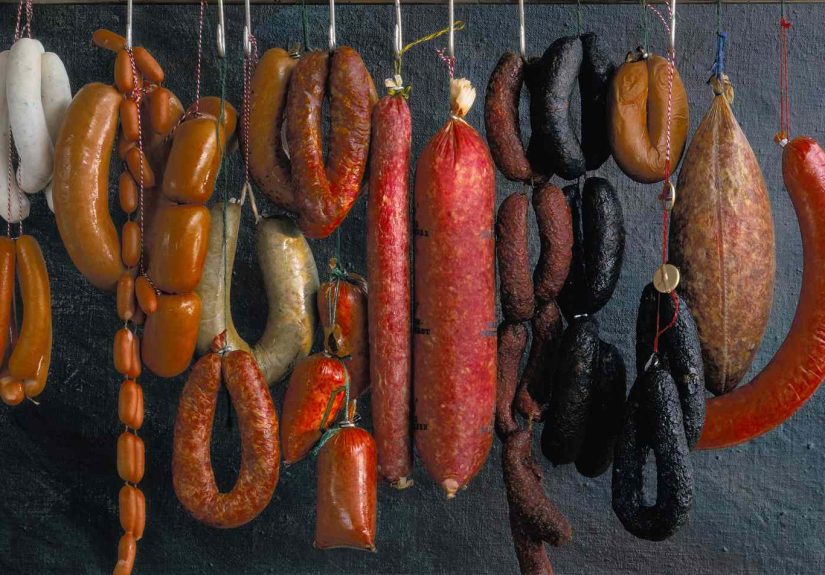
The world of sausage is big, smoky, spicy, salty, regional, and occasionally confusing. At its most basic, sausage is ground or chopped meat mixed with salt, fat, seasonings, and sometimes curing ingredients, then shaped into links, patties, rings, logs, or slices. Some sausages are stuffed into casings. Others are sold loose as bulk sausage. Some need full cooking, while others are ready to eat right out of the package. In other words, sausage is not one food. It is a whole department of delicious decisions.
This guide breaks down the major sausage types, varieties, and categories in plain American English. You will learn the difference between fresh sausage, cooked sausage, smoked sausage, dry sausage, semi-dry sausage, cured sausage, breakfast sausage, Italian sausage, bratwurst, kielbasa, chorizo, and more. Bring a fork. Or at least a bun.
What Is Sausage?
Sausage is usually made by combining ground meat with fat, salt, spices, herbs, and other flavorings. Pork is common, but sausages can also be made from beef, chicken, turkey, lamb, veal, game meats, seafood, or plant-based ingredients. The mixture may be packed into natural casings, collagen casings, cellulose casings, or sold without a casing at all.
The magic of sausage is balance. Salt seasons the meat and helps bind texture. Fat keeps the bite juicy. Spices create identity. Fennel says “Italian sausage.” Sage says “breakfast sausage.” Garlic and smoke may point toward kielbasa. Paprika can send your taste buds toward chorizo. Sausage is basically meat with a passport and a personality.
Main Sausage Categories
There are many ways to classify sausage, but the most useful method is by how it is processed. Processing determines texture, flavor, storage, cooking method, and food safety. The major categories are fresh sausage, cooked sausage, smoked sausage, cured sausage, dry sausage, and semi-dry sausage.
Fresh Sausage
Fresh sausage is made from raw meat that has not been cooked, smoked, dried, or fully cured. It must be refrigerated or frozen and cooked thoroughly before eating. Common examples include fresh Italian sausage, breakfast sausage, fresh bratwurst, Mexican chorizo, and fresh pork sausage links.
Fresh sausage is juicy and versatile, but it is also the category that demands the most attention in the kitchen. It should be cooked until it reaches a safe internal temperature. For fresh sausage made with beef, pork, lamb, or veal, the usual safe minimum is 160°F. Poultry sausage should reach 165°F. A thermometer is not a fancy gadget here; it is the tiny referee that keeps dinner honest.
Fresh sausages are excellent grilled, pan-seared, roasted, simmered, or removed from their casings and crumbled into sauces, soups, casseroles, breakfast scrambles, and pasta dishes.
Cooked Sausage
Cooked sausage is made from meat that has been fully cooked during processing. These sausages are often ready to eat, though they are usually warmed before serving for better flavor and texture. Examples include hot dogs, frankfurters, bologna, mortadella, liverwurst, and some styles of knockwurst.
Cooked sausages often have a smooth, finely ground texture because the meat mixture is emulsified. That means the meat, fat, water, and seasonings are blended into a uniform paste before cooking. This is why a hot dog has a different bite from a coarse Italian sausage. One is smooth and snappy; the other is rustic and meaty.
Smoked Sausage
Smoked sausage is flavored, preserved, or cooked with smoke. Some smoked sausages are fully cooked and ready to eat, while others are smoked but still require cooking. Always read the package label instead of guessing. Guessing is fun in board games, not with raw meat.
Popular smoked sausages include andouille, kielbasa, smoked bratwurst, smoked beef sausage, smoked turkey sausage, and some styles of linguica. Smoke adds depth, color, aroma, and that campfire-adjacent flavor that makes beans, rice, gumbo, jambalaya, and sheet-pan dinners taste like someone had a plan.
Cured Sausage
Cured sausage is preserved with salt and curing agents. Some cured sausages are cooked, while others are dried or fermented. Curing contributes flavor, color, and shelf life. Examples include salami, pepperoni, Spanish chorizo, soppressata, and certain deli-style sausages.
Cured sausage is often sliced thin and served on sandwiches, pizza, charcuterie boards, antipasto platters, or snack plates. The flavor is usually concentrated, salty, tangy, and deeply seasoned. A little can go a long way, which is helpful because nobody wants a charcuterie board that looks like it lost a wrestling match with a deli slicer.
Dry Sausage
Dry sausage is fermented, cured, and air-dried until much of its moisture is removed. This creates a firm texture and concentrated flavor. Dry sausages may or may not be smoked. Examples include hard salami, Genoa salami, pepperoni, and some European-style cured sausages.
Because dry sausage goes through controlled drying and fermentation, it develops a tangy flavor and dense texture. It is commonly served thinly sliced at room temperature, where the fat softens slightly and the spices become more expressive.
Semi-Dry Sausage
Semi-dry sausage is similar to dry sausage but retains more moisture. It is often fermented and heated in a smokehouse, giving it a tangy, smoky, semi-firm texture. Summer sausage and Lebanon bologna are classic examples.
Semi-dry sausages are popular for snacking, party trays, road trips, and holiday gift baskets. They pair well with crackers, sharp cheese, mustard, pickles, and the confident feeling that you have prepared “an appetizer” when you mostly just opened packages neatly.
Popular Sausage Varieties
Once you understand sausage categories, the varieties become easier to navigate. A variety is usually defined by region, seasoning, meat type, texture, and traditional use.
Breakfast Sausage
Breakfast sausage is an American favorite, usually made from pork and seasoned with sage, black pepper, thyme, red pepper flakes, brown sugar, or maple. It comes as links, patties, or bulk sausage. It is usually fresh, meaning it must be cooked before eating.
Use breakfast sausage with eggs, biscuits, gravy, hash, breakfast casseroles, pancakes, or breakfast sandwiches. It is also excellent crumbled into stuffing, because apparently breakfast can sneak into Thanksgiving and nobody complains.
Italian Sausage
Italian sausage in the United States typically refers to a pork sausage flavored with fennel or anise. It comes in sweet, mild, and hot varieties. Sweet Italian sausage often includes basil or sweet spices, while hot Italian sausage brings red pepper flakes to the party.
Italian sausage works beautifully in pasta sauce, lasagna, pizza, soups, peppers and onions, meatballs, and grilled sandwiches. Fresh Italian sausage must be cooked before serving.
Bratwurst
Bratwurst is a German-style sausage often made from pork, veal, beef, or a blend. It is usually mildly seasoned with spices such as nutmeg, ginger, coriander, caraway, or white pepper. In the United States, bratwurst is closely associated with grilling, tailgates, beer, mustard, and the noble art of not dropping onions into the charcoal.
Fresh bratwurst needs cooking. Many cooks gently simmer brats before grilling, while others cook them slowly over indirect heat to keep the casings from splitting and the juices from escaping.
Kielbasa
Kielbasa is a Polish-style sausage known for its garlicky, smoky, savory flavor. In American grocery stores, kielbasa is often sold fully cooked and smoked, though fresh versions also exist. It may be made from pork, beef, turkey, or blends.
Kielbasa is excellent with cabbage, potatoes, sauerkraut, beans, pierogi, soups, and skillet meals. Slice it into coins, brown it in a pan, and suddenly a humble weeknight dinner starts acting like it came from a cozy Eastern European kitchen.
Andouille
Andouille is a smoked sausage strongly associated with Cajun and Creole cooking in the United States. It is typically coarse, smoky, garlicky, and spicy. Andouille is a signature ingredient in gumbo, jambalaya, red beans and rice, shrimp boils, and hearty stews.
Its bold flavor makes it a seasoning ingredient as much as a protein. Add andouille to a pot, and it does not quietly participate. It announces itself, pulls up a chair, and probably knows where the hot sauce is.
Chorizo
Chorizo comes in several forms. Mexican chorizo is typically fresh, raw, highly seasoned, and sold loose or in casings. It must be cooked before eating. Spanish chorizo is usually cured, firm, sliceable, and flavored with smoked paprika.
Mexican chorizo is great with eggs, potatoes, tacos, beans, queso, and breakfast burritos. Spanish chorizo works well on charcuterie boards, in paella-inspired rice dishes, tapas, soups, and sandwiches.
Hot Dogs and Frankfurters
Hot dogs and frankfurters are cooked sausages made from finely ground meat, seasonings, and curing ingredients. They are usually fully cooked but should still be reheated according to package directions, especially when serving people who need extra food-safety care.
Regional hot dog styles across the United States turn the humble frank into local art. Chicago loads it with mustard, relish, onion, tomato, pickle, sport peppers, and celery salt. New York keeps it classic with mustard and sauerkraut or onions. Chili dogs bring the glorious danger of needing extra napkins.
Salami and Pepperoni
Salami is a broad family of cured sausages, often fermented and dried. Pepperoni is an American-style cured sausage inspired by Italian traditions and famous for its role on pizza. Salami can be mild, spicy, garlicky, smoky, or wine-scented depending on the style.
These sausages are usually served thinly sliced. Their concentrated flavor makes them ideal for sandwiches, pizza, snack boards, chopped salads, pasta salads, and antipasto plates.
Sausage by Meat Type
Sausage can also be classified by the meat used. Pork sausage is the classic choice because pork fat gives excellent moisture and flavor. Beef sausage is popular in smoked links, hot dogs, kosher-style products, and barbecue traditions. Chicken and turkey sausages are lighter options and often come in flavors such as apple, spinach, feta, garlic, or jalapeño.
Lamb sausage appears in Mediterranean and Middle Eastern styles, often seasoned with garlic, cumin, coriander, mint, or paprika. Game sausages, such as venison or elk sausage, are usually blended with pork fat to prevent dryness. Plant-based sausages now form their own fast-growing category, using ingredients such as soy, pea protein, wheat gluten, mushrooms, beans, oils, and spices to mimic the bite and seasoning profile of traditional sausage.
Sausage by Shape and Format
Not all sausages are links. Sausage may be sold in many forms, and each format has a best use.
Links
Links are the classic sausage shape. They can be grilled, roasted, pan-fried, simmered, or sliced. Bratwurst, Italian sausage, kielbasa, hot dogs, and breakfast links all fall into this familiar format.
Patties
Sausage patties are common at breakfast. They cook quickly and fit neatly into biscuits, English muffins, and breakfast sandwiches. Their flat shape gives more browned surface area, which is a polite way of saying “more crispy edges.”
Bulk Sausage
Bulk sausage is loose seasoned meat without a casing. It is perfect for crumbling into sauces, soups, stuffing, casseroles, tacos, gravy, and skillet meals. If links are the formal version, bulk sausage is the friend who shows up in jeans and still saves dinner.
Rings and Ropes
Some sausages are sold as rings or long ropes, especially kielbasa, smoked sausage, and certain regional styles. These are easy to slice and add to one-pan dinners, soups, or party platters.
How to Choose the Right Sausage
Choosing sausage starts with the meal you want to make. For grilling, fresh bratwurst, Italian sausage, hot dogs, smoked sausage, and kielbasa are strong choices. For pasta, choose Italian sausage, chicken sausage, or spicy chorizo. For soups and stews, smoked sausage, andouille, kielbasa, and chorizo deliver deep flavor. For snacking, choose dry or semi-dry sausages such as salami, pepperoni, or summer sausage.
Next, read the label. Look for whether the sausage is fresh, fully cooked, smoked, cured, refrigerated, or shelf-stable. Check the meat type, spice level, sodium content, allergens, and cooking instructions. If a label says “keep refrigerated,” believe it. Sausage may be charming, but it is not magic.
Cooking Tips for Better Sausage
The biggest mistake people make with sausage is blasting it with heat until the casing splits and the juices escape. Sausage likes steady cooking. For fresh links, use medium heat and turn them often. On the grill, indirect heat helps cook the center without burning the outside. In a skillet, a splash of water can help steam the sausage first; once the water evaporates, the sausage browns in its own fat.
For smoked or cooked sausages, the goal is usually browning and reheating rather than full cooking from raw. Slice them for crispy edges, grill them whole for snap, or simmer them in soups to season the broth. For cured dry sausages, do not cook unless a recipe specifically calls for it. Slice thin and serve at room temperature for the best texture and flavor.
Storage and Food Safety Basics
Fresh sausage should be kept refrigerated or frozen and cooked before eating. Cooked and smoked sausages should be stored according to package instructions. Dry and shelf-stable sausages may last longer unopened, but once opened they usually need refrigeration. When in doubt, follow the label and use a food thermometer for raw sausage.
Cross-contamination is another important point. Keep raw sausage separate from ready-to-eat foods. Wash hands, cutting boards, utensils, and plates after touching raw meat. Do not place cooked sausages back on the same plate that held raw links unless the plate has been washed. Your grill may be rustic, but your food safety should not be.
Experience Notes: What Sausage Teaches You in the Kitchen
After cooking many types of sausage in home kitchens, backyard grills, sheet pans, soups, and “what is left in the fridge?” dinners, one lesson becomes clear: sausage is one of the easiest ingredients to use well and one of the easiest to mistreat. It rewards patience. It punishes panic.
Fresh sausage, for example, often looks ready before it actually is. The casing browns quickly, especially on a hot grill, but the center may still need more time. That is why slower heat works better than aggressive flame. When sausages are cooked over medium or indirect heat, they stay plump and juicy. When they are cooked over roaring heat, they split, leak fat, flare up, and become the sad little logs of a cookout gone sideways.
Another useful experience is learning that sausage can season an entire dish. A few slices of andouille can give a pot of beans smoky depth. Crumbled Italian sausage can turn plain tomato sauce into something that tastes like it simmered all afternoon. Chorizo can make potatoes, eggs, or rice taste bold without needing a cabinet full of spices. Kielbasa can rescue cabbage from its unfair reputation as boring. Sausage brings salt, fat, spice, and aroma in one package, which is why budget cooks have loved it for generations.
Pairing sausage with the right ingredients also matters. Rich pork sausage loves acidity, so mustard, pickles, sauerkraut, tomatoes, vinegar, and peppers are not just decorations. They cut through the fat and make each bite brighter. Spicy sausage works well with creamy or starchy foods such as eggs, potatoes, beans, rice, pasta, and cheese. Smoky sausage loves sweetness from onions, bell peppers, apples, barbecue sauce, or roasted root vegetables.
Texture is another big part of the experience. A snappy hot dog, a coarse bratwurst, a crumbly fresh chorizo, and a firm slice of salami are all sausages, but they do very different jobs. If you want juicy bites on a bun, choose links. If you want flavor spread throughout a dish, use bulk sausage or remove the casing. If you want a snack board, reach for dry or semi-dry sausage. If you want smoky background flavor, use kielbasa or andouille.
The best practical advice is simple: match the sausage to the cooking method. Do not treat raw bratwurst like a hot dog. Do not treat cured salami like breakfast links. Do not assume smoked sausage is always fully cooked. Read the label, use moderate heat, and let each variety do what it does best.
Finally, sausage is a reminder that “simple food” is not the same as boring food. It carries regional history, preservation techniques, family traditions, immigrant influences, and local tastes. From a diner breakfast patty to a New Orleans gumbo, from Polish kielbasa to Spanish-style chorizo, sausage is proof that ground meat plus seasoning can become culture. Also dinner. And sometimes breakfast the next morning, if you planned wisely.
Conclusion
Sausage types, varieties, and categories are easier to understand when you start with processing: fresh, cooked, smoked, cured, dry, and semi-dry. From there, the world opens up into breakfast sausage, Italian sausage, bratwurst, kielbasa, andouille, chorizo, salami, pepperoni, hot dogs, and many more regional favorites.
The key is knowing what you have before you cook it. Fresh sausage needs full cooking. Cooked sausage usually needs reheating. Smoked sausage may be ready-to-eat or may require cooking, depending on the label. Dry and semi-dry sausages are often best sliced thin and served as snacks or appetizers. With the right handling, cooking method, and flavor pairing, sausage can turn everyday meals into something hearty, practical, and deeply satisfying.
In short, sausage is not just a link. It is a whole category of culinary common sense wrapped in casing, smoke, spice, and tradition. Respect the label, control the heat, and keep mustard nearby.