Table of Contents >> Show >> Hide
- What Does “Listening to the Doctor's Heart” Really Mean?
- The Stethoscope Is Not Enough: Why Empathy Matters in Medicine
- How Doctors Listen: The Quiet Skill Behind Good Care
- How Patients Can Listen Better Without Becoming Passive
- The Doctor’s Heart Under Pressure
- Relationship-Centered Care: A Better Way Forward
- Technology Can Help, But It Cannot Hug
- Specific Examples of Listening That Changes Care
- How to Build Trust in a Medical Visit
- Experience Section: What “Listening to the Doctor's Heart” Feels Like in Real Life
- Conclusion: The Human Pulse of Better Health Care
Doctors spend their days listening to hearts. They press a stethoscope against a chest, tilt their head slightly, and translate a tiny drum solo into medical meaning. Lub-dub. Pause. Maybe a murmur. Maybe a rhythm that says, “Please call cardiology.”
But here is the twist: sometimes the heart that needs listening belongs to the doctor.
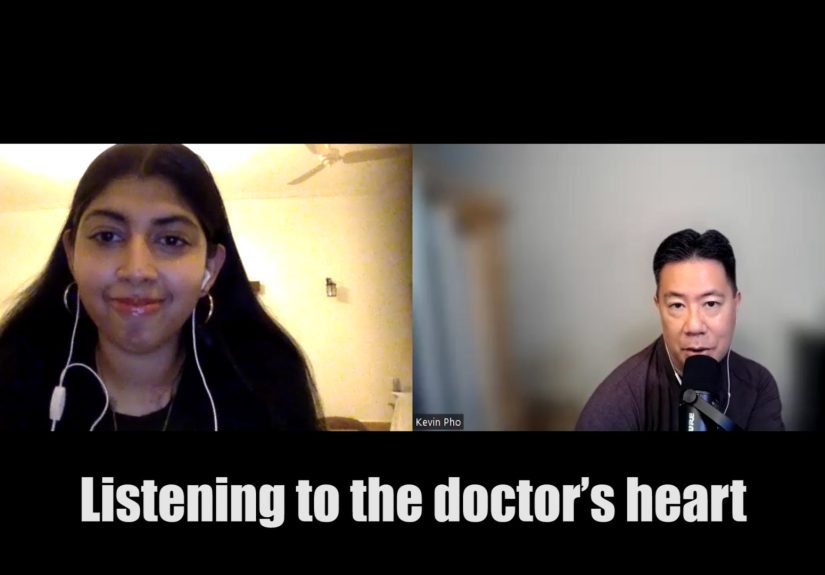
“Listening to the doctor’s heart” is not about borrowing a stethoscope and surprising your physician during a checkup. Please do not do that unless you enjoy awkward silence and laminated privacy forms. It is about seeing the person behind the white coat: the trained professional, yes, but also the human being trying to practice good medicine in a loud, rushed, emotionally heavy world.
In modern health care, the best doctor-patient relationship is not a speech. It is a conversation. It is not simply the doctor explaining and the patient nodding like a polite dashboard ornament. It is a two-way exchange built on empathy, trust, clear information, honest questions, and enough humanity to make a sterile exam room feel a little less like a refrigerator with posters.
What Does “Listening to the Doctor’s Heart” Really Mean?
The phrase has two meanings. First, it means paying attention to how doctors communicate: their advice, concerns, warnings, and treatment plans. Second, it means listening for the values underneath their work: compassion, responsibility, fatigue, hope, and the desire to help people get better.
A good physician does more than name a disease. A good physician listens to a story, notices fear hiding behind jokes, explains uncertainty without pretending to be a fortune cookie, and helps a patient make decisions that fit real life. Real life includes missed work, medication costs, transportation problems, family pressure, cultural beliefs, and the fact that nobody remembers a seven-step instruction list after hearing the word “biopsy.”
Patients also bring a heart into the room. They bring anxiety, pain, Google search results, old family stories, and sometimes a strong opinion from an aunt who once watched a documentary. The doctor brings medical training, experience, ethical duties, time pressure, and often a schedule that looks like it was designed by a caffeinated octopus.
Listening to the doctor’s heart means recognizing that healing works best when both sides are allowed to be human.
The Stethoscope Is Not Enough: Why Empathy Matters in Medicine
Medicine loves data. Blood pressure, oxygen saturation, lab values, imaging reports, risk scoreshealth care can measure almost everything except the exact weight of a worried sentence. Yet a patient’s story often contains clues no machine can catch.
When a doctor asks, “What worries you most?” the answer may change the entire visit. The patient who came in for chest discomfort may be terrified because a brother died of a heart attack. The patient who “keeps forgetting” medication may actually be choosing between pills and groceries. The patient who seems angry may be scared, embarrassed, or exhausted from not being believed.
Empathy is not a decorative pillow in the clinic. It is a clinical tool. It helps doctors understand symptoms, improve trust, encourage adherence, and reduce confusion. It also helps patients feel less like a chart number wearing shoes.
Empathy Is Not the Same as Agreeing With Everything
Listening does not mean the doctor must approve every request. If a patient demands antibiotics for a viral cold, unnecessary imaging for a minor sprain, or a treatment that may cause harm, a good doctor should not simply say yes. Patient-centered care is not “the customer is always right” with a blood pressure cuff.
Instead, the best doctors listen first, explain clearly, and make recommendations based on evidence and the patient’s values. “I hear why you’re worried” can live in the same sentence as “I don’t think this test will help you today.” That is not cold medicine; that is careful medicine.
How Doctors Listen: The Quiet Skill Behind Good Care
Listening in medicine is active work. It is not just waiting for the patient to stop talking so the doctor can click the next box in the electronic health record. Real listening has structure.
1. Listening for the Story
Symptoms rarely arrive alone. Pain has timing, triggers, intensity, location, and emotional meaning. A headache that appears after long work shifts tells a different story from a sudden, severe headache that feels like a lightning strike. A cough in a smoker, a teacher, a new parent, and a construction worker may have different causes and different consequences.
When doctors listen well, they gather medical facts while also understanding the patient’s life. This is how diagnosis becomes more than a guessing game in a lab coat.
2. Listening for Fear
Patients do not always say, “I am afraid.” They say, “Is this normal?” or “My neighbor had the same thing,” or “I read something online.” A rushed response can shut the door. A curious response opens it.
A doctor who says, “Tell me what you read and what concerns you,” is not surrendering to the internet. The doctor is finding the emotional address of the patient’s worry. Once fear has an address, the conversation can actually arrive there.
3. Listening for Understanding
One of the most practical communication tools in health care is teach-back. Instead of asking, “Do you understand?”a question that often receives a brave but inaccurate “yes”the doctor asks the patient to explain the plan in their own words. For example: “Just so I know I explained it clearly, can you tell me how you’ll take this medication when you get home?”
This is not a pop quiz. Nobody loses points for confusing “twice daily” with “every twelve hours,” though the medication bottle might quietly judge everyone involved. Teach-back protects patients from misunderstanding and helps doctors correct unclear instructions before they become real problems.
How Patients Can Listen Better Without Becoming Passive
Listening to the doctor’s heart does not mean obeying silently. It means participating respectfully and actively. A good patient is not a quiet patient. A good patient is an engaged patient.
Bring Your Questions
Before an appointment, write down the top three concerns. Not seventeen. Three. Doctors want to help, but a surprise scroll of symptoms at the end of a visit can create chaos. The famous “Oh, one more thing” may be medically important, but it also has the dramatic timing of a courtroom confession.
Useful questions include:
- What do you think is causing my symptoms?
- What warning signs should make me seek urgent care?
- What are the benefits and risks of this treatment?
- Are there lower-cost options?
- When should I expect to feel better?
- What should I do if the plan does not work?
Tell the Truth, Even When It Is Awkward
Doctors are difficult to shock. They have heard about rashes, bowel habits, strange pains, missed doses, alcohol use, sexual concerns, panic symptoms, and objects that went places objects were not originally designed to visit. Honesty helps them help you.
If you did not take the medication, say so. If you cannot afford it, say so. If a side effect made you stop, say so. If you are using supplements, cannabis, over-the-counter sleep aids, or your cousin’s “natural detox tea,” say soespecially the tea. The liver deserves transparency.
Repeat the Plan Back
At the end of the visit, summarize: “So I’m going to take this medicine once in the morning, schedule the blood test next week, and call if the fever comes back. Is that right?” This simple habit can prevent confusion and makes the doctor’s job easier.
It also sends a powerful message: “I am listening, and I want to be part of my care.” That is music to a clinician’s ears, even if the clinic speakers are playing suspiciously cheerful elevator jazz.
The Doctor’s Heart Under Pressure
Doctors are often expected to be endlessly calm, endlessly available, and endlessly correct. That expectation is convenient, inspiring, and completely unrealistic. Physicians work inside systems filled with administrative tasks, insurance rules, staffing shortages, electronic documentation, short appointment slots, and emotional exposure to suffering and death.
Burnout is not simply “being tired.” It can involve emotional exhaustion, cynicism, detachment, and a reduced sense of accomplishment. In practical terms, it can make the warmest doctor feel like a phone battery at 1% while still being asked to run navigation, flashlight, video, and twelve apps in the background.
When doctors lose the time and emotional space to listen, patients feel it. Conversations become shorter. Explanations become thinner. Important details can be missed. Trust becomes harder to build. This is why caring for clinicians is not a luxury perk, like better coffee in the break room. It is part of patient safety and quality care.
Relationship-Centered Care: A Better Way Forward
The strongest medical encounters are relationship-centered. That means the doctor, patient, family, nurses, pharmacists, and care team all matter. Health care is not a solo performance; it is an orchestra. Unfortunately, the orchestra is sometimes playing while the sheet music is updating, the billing department is calling, and the drummer is stuck in traffic.
Relationship-centered communication creates a framework for better care. It includes greeting patients respectfully, asking open-ended questions, acknowledging emotion, explaining options, checking understanding, and making decisions together. These skills can be taught and improved, just like reading an EKG or suturing a wound.
Training doctors in communication is not a sign that they are bad at talking. It is a sign that talking in medicine is hard. A physician may need to explain a cancer diagnosis, negotiate a diabetes plan, calm a frightened parent, discuss end-of-life care, and correct misinformationall before lunch. That is not small talk. That is high-stakes human work.
Technology Can Help, But It Cannot Hug
Telemedicine, patient portals, wearable devices, artificial intelligence, and electronic records are changing health care. Some changes are helpful. A portal message can clarify a medication dose. A video visit can save a long drive. A wearable may detect an irregular rhythm. AI may help organize information.
But technology cannot replace the emotional signal of being seen and heard. A chatbot may explain cholesterol, but it cannot notice the patient’s eyes filling with tears when the word “stroke” is mentioned. A smartwatch can count steps, but it cannot ask why a person stopped walking after their spouse died.
The future of medicine should not be technology versus compassion. It should be technology serving compassion. Let machines help with reminders, records, pattern detection, and paperwork. Let humans do the deeply human work: listening, interpreting, comforting, deciding, and healing.
Specific Examples of Listening That Changes Care
The Patient Who “Refuses” Medication
A doctor sees a patient whose blood pressure remains high. The chart says “noncompliant,” a word that should probably be retired to a dusty medical museum. A rushed visit leads to another prescription. A listening visit reveals the real issue: the patient works nights, forgets morning doses, and feels dizzy when standing. The better plan may be a different dosing schedule, a lower dose, home blood pressure monitoring, or a conversation about side effects.
The Patient With Repeated ER Visits
A patient returns again and again for shortness of breath. The tests are not alarming, but the distress is real. A physician who listens beyond the lungs may discover panic attacks, unsafe housing, workplace exposure, or grief. The right diagnosis may not appear on the first scan. It may appear in the third minute of uninterrupted listening.
The Doctor Who Sounds Brief, But Is Carrying Ten Emergencies
Sometimes a doctor seems rushed because the system is rushed. A patient can still advocate respectfully: “I know you’re busy, but I’m worried I don’t understand the plan. Could we take one minute to review what matters most?” That sentence listens to the doctor’s pressure while also protecting the patient’s needs.
How to Build Trust in a Medical Visit
Trust is built through small behaviors. The doctor sits down. The patient asks directly. The doctor admits uncertainty. The patient shares context. The doctor explains why a test is or is not needed. The patient repeats the plan. Nobody has to be perfect; everyone has to be honest enough to keep the conversation alive.
For doctors, trust often begins with presence: eye contact when possible, a greeting, a moment of silence after difficult news, and language that does not require a medical dictionary and a survival flashlight. For patients, trust grows through preparation, honesty, follow-through, and speaking up when something does not make sense.
The magic is not magic. It is communication done carefully.
Experience Section: What “Listening to the Doctor’s Heart” Feels Like in Real Life
Imagine sitting in a clinic waiting room with a paper gown folded on your lap like the world’s least flattering fashion statement. You have rehearsed your symptoms in your head. You know exactly what to say. Then the doctor walks in, and suddenly your brain opens fourteen tabs, freezes, and plays a childhood cereal commercial.
This is why listening in health care must be practical. In real appointments, people forget things. They get nervous. They minimize pain because they do not want to seem dramatic. They exaggerate pain because they are afraid they will not be taken seriously. They nod when confused. They laugh when scared. They say, “I’m fine,” while looking like a haunted Victorian painting.
One useful experience is learning to treat the doctor’s visit like a team meeting, not a royal audience. The doctor is not a wizard behind a curtain. The patient is not a broken appliance. Both are people trying to solve a problem with limited time and imperfect information. When a patient arrives with notes, medication lists, symptom timelines, and honest priorities, the visit changes. The doctor can move from detective mode to partnership mode faster.
Another important experience is noticing tone. A doctor who pauses, listens, and says, “That sounds really hard,” can lower the emotional temperature of the room. The medical facts may not change, but the patient’s ability to hear them often does. Compassion creates bandwidth. When fear is acknowledged, information has somewhere to land.
Patients can offer the same courtesy. A simple “I know you have a lot of patients today, but I’m scared and need help understanding this” can transform the conversation. It is direct without being hostile. It recognizes the doctor’s workload without disappearing inside it. It says, “I respect your role, and I need you to see me.”
There is also the experience of disagreement. Maybe a doctor recommends watchful waiting when the patient expected immediate testing. Maybe a patient wants to try lifestyle changes before medication. These moments do not have to become battles. The strongest question is often, “Can you help me understand your reasoning?” It invites explanation rather than defensiveness. On the doctor’s side, the matching question is, “What concerns you most about this plan?” That question can reveal cost worries, side effect fears, past trauma, or family experiences that shape the patient’s reaction.
Listening to the doctor’s heart also means understanding that good doctors carry stories. They remember patients they could not save, diagnoses they almost missed, families they had to comfort, and victories nobody else saw. They may go from delivering bad news in one room to celebrating improved lab results in the next. Their emotional gear shifts are enormous. Most do this while answering messages, documenting visits, reviewing tests, and fighting the ancient printer in the nurses’ station.
For patients, this does not mean accepting poor communication or unsafe care. Respect goes both ways. If a doctor dismisses symptoms, refuses to explain, or makes a patient feel small, seeking clarification, a second opinion, or another clinician may be appropriate. Listening to the doctor’s heart should never mean ignoring your own.
The best experiences happen when both hearts are in the room. The patient says what hurts. The doctor listens for what matters. The doctor explains what is known, what is uncertain, and what comes next. The patient asks questions. The plan becomes shared property. Nobody leaves with every fear erased, but both leave with a clearer path.
That is the quiet beauty of medicine when it works. It is not just the stethoscope touching the chest. It is one human being saying, “Tell me what is happening,” and another saying, “I will try.”
Conclusion: The Human Pulse of Better Health Care
Listening to the doctor’s heart is a reminder that health care depends on more than tests, prescriptions, and polished clinic floors. It depends on communication that respects both science and humanity. Doctors need to listen deeply to patients, and patients benefit when they listen actively, ask questions, and recognize the pressures doctors face.
Empathy is not soft in the weak sense. It is soft like a pillow under a broken bone: supportive, necessary, and very noticeable when missing. The future of better health care will belong to systems that protect time for conversation, train clinicians in relationship-centered communication, reduce burnout, and help patients become confident partners in their own care.
So the next time a doctor listens to your heart, remember to listen toonot only to the medical advice, but to the human intention behind it. Somewhere between the stethoscope and the story, healing begins.
Note: This article is for general informational and educational purposes only. It does not replace professional medical advice, diagnosis, or treatment. Always consult a qualified health care professional about personal medical concerns.