Table of Contents >> Show >> Hide
- What Losing 30 Pounds in 3 Months Really Means
- So… Is Losing 30 Pounds in 3 Months Safe?
- The Big Risks of Rapid Weight Loss
- 1) Muscle loss (and the “soft but smaller” surprise)
- 2) Gallstones (yes, your gallbladder has opinions)
- 3) Nutrient deficiencies (your body is not a phone; “low power mode” is not a lifestyle)
- 4) Dehydration and electrolyte issues
- 5) Hormonal changes, mood changes, and sleep problems
- 6) Weight regain (the classic “I can’t look at chicken breast anymore” finale)
- How to Tell You’re Losing Too Fast
- Safer Alternatives That Still Get Results
- Alternative #1: Aim for a steadier pace and think in percentages
- Alternative #2: Build a “fat-loss friendly” plate (without becoming a salad astronaut)
- Alternative #3: Strength training + moderate movement (the “keep your muscle” combo)
- Alternative #4: Use “friction reduction” instead of pure willpower
- A Practical 12-Week Plan That’s Safer Than a Crash Diet
- If You’re Determined to Try for 30 Pounds Anyway: Do It Safely
- Conclusion: Fast Isn’t the Same as Smart
- Experiences: What Losing 30 Pounds in 3 Months Can Feel Like (Realistic Scenarios)
Losing 30 pounds in three months sounds like the kind of before-and-after montage where you jog in the rain once and suddenly own eight-pack abs.
In real life, it’s a bigger question: Is it safe, is it realistic, and is it worth it?
The honest answer is: it depends on your starting weight, your health history, and how you try to do it. For some people, rapid loss can be medically
managed. For many others, it turns into a crash-diet roller coasterdramatic drops, miserable side effects, and a “plot twist” where the scale rebounds.
Let’s break it down with clear math, real risks, and safer alternatives that don’t require you to live on lettuce and regret.
What Losing 30 Pounds in 3 Months Really Means
“Three months” is usually about 12–13 weeks. Losing 30 pounds in that time works out to roughly 2.3–2.5 pounds per week.
That’s faster than the commonly recommended “steady” pace for most adults, which is why safety becomes the headline here.
Why speed matters
- Fast loss isn’t always fat loss. Early drops can be water weight, glycogen changes, and less food in your digestive tract.
- The faster you cut, the more you risk losing muscle. Muscle is metabolically active tissue you want to keep.
- Rapid restriction is harder to maintain. And what you can’t maintain usually doesn’t last.
So… Is Losing 30 Pounds in 3 Months Safe?
For most people, aiming for 30 pounds in 3 months is aggressive and can increase the chance of side effects. That doesn’t mean it’s
automatically dangerousbut it does mean you should treat it like a serious project, not a social-media challenge.
When it may be safer (still not DIY)
Rapid weight loss is more likely to be appropriate when it’s medically supervisedfor example, in people with a higher starting weight,
obesity-related health complications, or specialized clinical programs that monitor nutrition and safety markers.
When it’s more likely to be risky
- You’re starting at a lower weight (meaning 30 pounds is a large percentage of your body weight).
- You have a history of disordered eating, binge/restrict cycles, or obsessive tracking.
- You’re relying on “detoxes,” extreme fasting, unregulated supplements, or ultra-low-calorie plans without medical oversight.
- You’re pregnant, postpartum, a teen, or managing complex medical conditions (thyroid disease, kidney disease, heart rhythm issues, etc.).
The Big Risks of Rapid Weight Loss
Fast weight loss isn’t just “hard.” It can change how your body functions. Here are the most common risksespecially when the method is overly restrictive.
1) Muscle loss (and the “soft but smaller” surprise)
Many people want to lose fatbut rapid loss often takes muscle along for the ride. That can reduce strength, make you feel more fatigued,
and lower your daily calorie needs over time (because a smaller body burns fewer calories overall).
2) Gallstones (yes, your gallbladder has opinions)
Rapid weight loss is a known risk factor for gallstones. When you lose weight quickly, the liver can send more cholesterol into bile and the gallbladder
may not empty as effectivelyconditions that can encourage stone formation. This risk is higher with very low-calorie approaches and after certain weight-loss
procedures.
3) Nutrient deficiencies (your body is not a phone; “low power mode” is not a lifestyle)
When calories drop sharply, it’s easier to miss key nutrientsprotein, iron, calcium, vitamin D, B vitamins, essential fats, and more. Deficiencies can show up as:
- low energy, dizziness, headaches
- constipation or digestive disruption
- hair shedding and brittle nails
- poor workout recovery and frequent soreness
4) Dehydration and electrolyte issues
Rapid changes in food intakeespecially if paired with intense exercise, sauna sessions, or diureticscan disrupt hydration and electrolytes.
Feeling lightheaded, having heart palpitations, or experiencing severe cramps is a “stop and reassess” situation, not a “push through” moment.
5) Hormonal changes, mood changes, and sleep problems
Aggressive dieting can increase irritability, anxiety, and preoccupation with food. It may also affect menstrual regularity in some peopleespecially when combined
with high training loads and insufficient fueling.
6) Weight regain (the classic “I can’t look at chicken breast anymore” finale)
The more rigid the plan, the more likely it is to snap under real-life pressure: travel, holidays, stress, social meals, and the simple fact that you are a human.
When the plan breaks, many people swing to the opposite extremeresulting in regain and frustration.
How to Tell You’re Losing Too Fast
A quick drop on the scale isn’t always a problem, but these signals deserve attention:
- persistent dizziness, faintness, or heart palpitations
- hair loss, brittle nails, or constant coldness
- severe fatigue, poor sleep, or worsening mood
- frequent injuries, muscle weakness, or declining workout performance
- intense food obsession, binge episodes, or rigid “good vs bad” thinking
- abdominal pain after fatty meals (possible gallbladder symptomsget checked)
Safer Alternatives That Still Get Results
If your main goal is to improve health, energy, labs, or how you feel in your clothes, you don’t need a crash diet.
You need a plan you can repeat on your worst Tuesdaywhen work is chaos and you’re one inconvenience away from eating cereal straight out of the box.
Alternative #1: Aim for a steadier pace and think in percentages
Instead of fixating on 30 pounds, aim for something like 5%–10% of your current body weight over a longer window, then reassess.
That approach is often more sustainable and can still meaningfully improve health markers for many people.
Alternative #2: Build a “fat-loss friendly” plate (without becoming a salad astronaut)
- Protein at every meal to support fullness and preserve lean mass (examples: eggs, Greek yogurt, chicken, tofu, beans, fish).
- High-fiber plants (vegetables, fruit, beans, whole grains) for volume and better appetite control.
- Healthy fats in sensible amounts (olive oil, nuts, avocado) so meals feel satisfying and not like punishment.
- Mostly minimally processed foods, while still allowing treats on purpose (planned beats impulsive).
Alternative #3: Strength training + moderate movement (the “keep your muscle” combo)
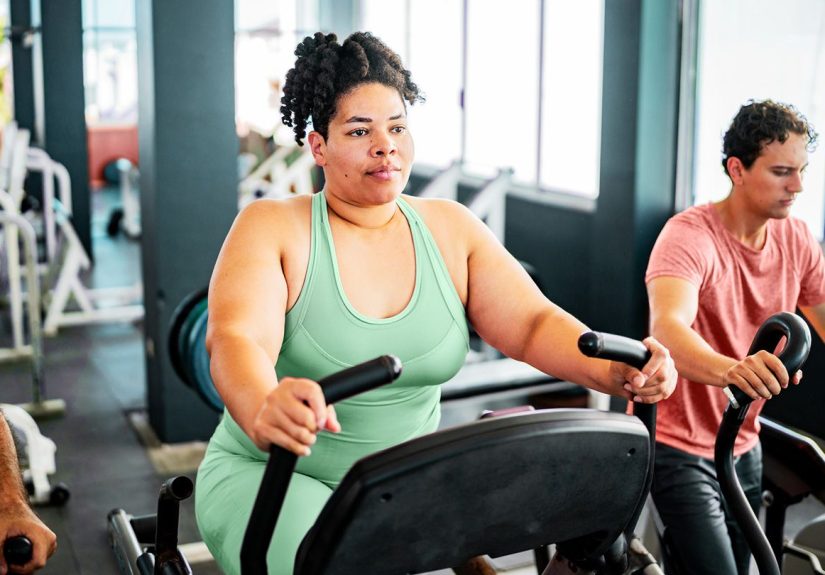
If you want your body to look and function betternot just weigh lessinclude resistance training 2–4 times per week.
Add consistent walking or other aerobic movement to support heart health and create a manageable calorie gap.
Alternative #4: Use “friction reduction” instead of pure willpower
- Prep 2–3 go-to breakfasts and rotate them (decision fatigue is real).
- Keep high-protein snacks available (so hunger doesn’t drive chaos).
- Set an evening “kitchen closing time” most nights.
- Prioritize sleepbecause tired you makes snack choices like a raccoon in a pantry.
A Practical 12-Week Plan That’s Safer Than a Crash Diet
Want a three-month structure without the “emergency weight loss” vibe? Try this:
Weeks 1–2: Stabilize and measure reality
- Track habits (not just calories): steps, protein servings, sleep hours.
- Build two balanced meals you actually enjoy.
- Add 20–30 minutes of walking most days.
Weeks 3–6: Create a moderate deficit and lift consistently
- Strength train 2–4 days/week (full-body or upper/lower split).
- Increase fiber and protein; reduce ultra-processed “bonus calories.”
- Use a consistent check-in (weekly average weight or waist measurement).
Weeks 7–10: Adjust gently, not drastically
- If progress stalls: increase daily steps by 1,000–2,000 or slightly reduce liquid calories/snacks.
- Keep protein steady; don’t “fix” plateaus by starving.
- Plan social meals so you don’t feel trapped in all-or-nothing thinking.
Weeks 11–12: Practice maintenance habits
- Choose 2–3 “non-negotiables” (protein breakfast, strength twice weekly, daily walk).
- Build a realistic weekend strategy (because weekends are where plans go to audition for a drama series).
- Decide what “success” looks like beyond the scale: energy, labs, stamina, confidence.
If You’re Determined to Try for 30 Pounds Anyway: Do It Safely
If you’re set on an aggressive target, treat it like a medical and performance goalnot a punishment plan.
Consider these safety guardrails:
- Talk to a clinician first, especially if you take medications or have chronic health conditions.
- Avoid extreme calorie drops unless you’re in a medically supervised program designed for that level of restriction.
- Prioritize protein and strength training to reduce lean-mass loss.
- Monitor symptoms (dizziness, severe fatigue, abdominal pain) and stop “pushing through” red flags.
- Plan the after: maintenance is the real finish line. If the plan ends at week 12, weight regain often begins at week 13.
Conclusion: Fast Isn’t the Same as Smart
Losing 30 pounds in 3 months can be possible, but it isn’t automatically safeor automatically worth it. The faster you pursue weight loss,
the more important it becomes to protect your muscle, nutrition, mood, and long-term habits.
If your goal is better health and a body you feel good living in, the best “alternative” to rapid weight loss is often a plan you can follow
without feeling like you’re constantly one minor inconvenience away from eating peanut butter with a spoon in the dark. (No judgment. Just… a better plan.)
Experiences: What Losing 30 Pounds in 3 Months Can Feel Like (Realistic Scenarios)
The experience of rapid weight loss is rarely a straight line. Many people report that the first two weeks feel weirdly exciting: the scale drops fast,
pants loosen, and you start imagining your future self casually jogging up stairs while holding groceries and confidence. Then reality arrivesusually in the
form of hunger, schedule conflicts, and a sudden, intense desire to eat an entire loaf of bread because you smelled a bakery through a closed car window.
Scenario 1 (higher starting weight, structured plan): Jordan begins at a higher weight and starts a clinician-guided program with clear protein targets,
planned meals, and gentle walking that ramps up over time. In week one, Jordan drops several poundsmostly water and glycogenthen settles into a steadier pace.
The big “aha” is that the plan feels calmer than expected: no mystery rules, no detox teas, just consistent meals and a focus on sleep. The hardest part isn’t
exerciseit’s learning that a “good day” isn’t the day you eat the least; it’s the day you hit your basics and feel normal.
Scenario 2 (aggressive restriction, predictable backlash): Maya tries to hit 30 pounds in 3 months with a crash diettiny portions,
skipped meals, and workouts fueled by caffeine and determination. The first few weeks look impressive on the scale, but energy crashes hard. Workouts start
to feel heavier, sleep gets worse, and mood takes a hit. Social events become stressful: either Maya avoids them or arrives ravenous and then feels guilty.
By week six, the plan becomes mentally exhausting. The “experience” isn’t just physicalit’s constant food thoughts, which can crowd out everything else.
Scenario 3 (balanced approach, slower but steadier wins): Chris starts with the same 30/3 goal but pivots to a steadier plan:
protein at breakfast, strength training three times a week, and a daily step goal. The scale moves more slowly than Chris hoped, but measurements improve,
cravings are more manageable, and workouts feel better. A funny thing happens: the plan becomes part of life instead of the main event. Chris still eats pizza
sometimesjust intentionally, without turning it into a “well, might as well blow the whole week” moment.
Across these experiences, a few patterns show up again and again. First: rapid loss often comes with more discomfortfatigue, irritability,
digestive issues, and “why am I cold all the time?” moments. Second: the most successful people don’t white-knuckle their way through. They build
structureeasy meals, realistic movement, and a plan for weekendsso progress doesn’t rely on perfect motivation. Third: people who preserve muscle tend to
feel better. Strength training and adequate protein can change the whole vibe from “I’m shrinking” to “I’m building something.”
If you’re considering an aggressive timeline, it can help to think of your body as a long-term project, not a short-term sprint. The best experience isn’t
the one where you lose the most weight the fastestit’s the one where you finish three months feeling stronger, more capable, and confident you won’t rebound
the second real life shows up with a birthday cake and a busy week.