Table of Contents >> Show >> Hide
- What Cholesterol Actually Does in the Body
- The Main Types of Cholesterol That Matter Most
- How High Cholesterol Changes the Body Over Time
- The Effects of Cholesterol on the Heart
- The Effects of Cholesterol on the Brain
- The Effects of Cholesterol on the Legs and Circulation
- The Effects of Cholesterol on Arteries Throughout the Body
- The Effects of Cholesterol on Digestion and the Gallbladder
- The Effects of Cholesterol on Skin, Tendons, and Eyes
- Why High Cholesterol Often Goes Unnoticed
- What Raises Cholesterol in the First Place
- How Lowering Cholesterol Can Help the Body
- Experiences Related to the Topic: What Cholesterol Can Feel Like in Real Life
- Conclusion
Cholesterol has one of the worst public relations teams in health. Mention it at brunch and people act like you just invited a villain to sit beside the waffles. But cholesterol itself is not the enemy. In fact, your body depends on it. The real trouble starts when certain cholesterol particles build up in the bloodstream and begin quietly messing with your arteries, circulation, and long-term health.
If you want the plain-English version, here it is: your body needs some cholesterol to function, but too much of the wrong kind can slowly damage blood vessels and raise your risk for heart attack, stroke, and other problems. It is a little like salt. Helpful in the right amount, chaotic when things get too enthusiastic.
Understanding the effects of cholesterol on the body matters because high cholesterol usually does not announce itself with fireworks. No dramatic soundtrack. No flashing warning light on your forehead. It often works silently for years before symptoms appear, which is exactly why it deserves more attention than it usually gets.
What Cholesterol Actually Does in the Body
Cholesterol is a waxy, fat-like substance found in every cell of your body. Your liver makes all the cholesterol you need for basic functions, which is useful because your body is not in the habit of manufacturing unnecessary things just for entertainment. Cholesterol helps build cell membranes, supports hormone production, contributes to vitamin D production, and helps your liver make bile acids that digest fat.
That means cholesterol is involved in some very important jobs. Your brain, nerves, muscles, skin, liver, and other organs all rely on cell structures that contain cholesterol. Without it, your body would have a much harder time maintaining normal function. So the goal is not to eliminate cholesterol completely. The goal is balance.
The Main Types of Cholesterol That Matter Most
When people talk about cholesterol, they are usually talking about cholesterol carried through the blood by particles called lipoproteins. The two biggest stars of this medical drama are LDL and HDL.
LDL Cholesterol
LDL stands for low-density lipoprotein. This is the one commonly called “bad” cholesterol because high levels of LDL can contribute to plaque buildup inside artery walls. Think of LDL as the delivery truck that sometimes drops too many packages in the wrong neighborhood and never comes back to clean up the mess.
HDL Cholesterol
HDL stands for high-density lipoprotein. It is often called “good” cholesterol because it helps carry cholesterol away from the bloodstream and back to the liver, where it can be processed and removed. HDL is generally protective, although it should not be treated like a magical shield that cancels out every other risk factor on its own.
Triglycerides
Triglycerides are not cholesterol, but they are usually measured on the same blood test because they matter for heart health. High triglycerides often travel with other problems such as obesity, insulin resistance, type 2 diabetes, and low HDL. When that happens, your cardiovascular system is not exactly sending thank-you notes.
How High Cholesterol Changes the Body Over Time
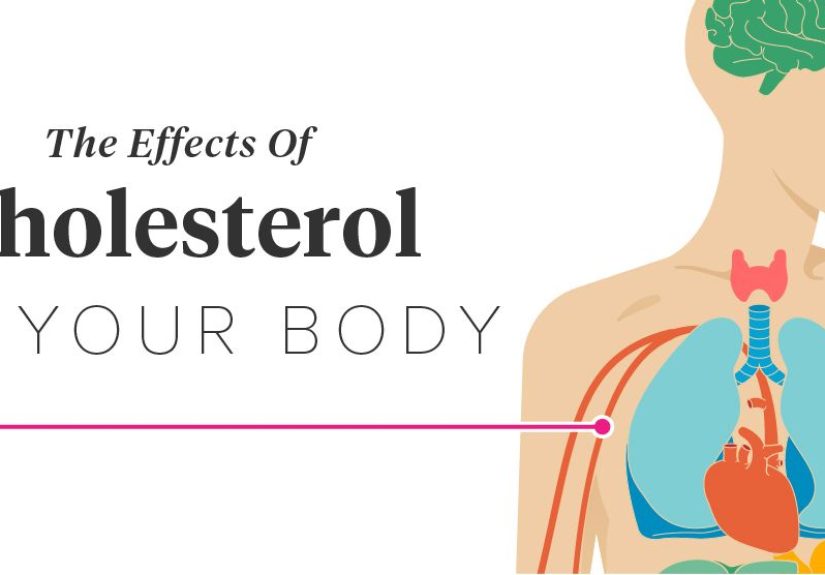
The biggest effect of unhealthy cholesterol levels is what happens inside your arteries. Excess LDL can settle into the walls of blood vessels. Over time, it joins forces with inflammatory cells, fat, calcium, and other substances to form plaque. This process is called atherosclerosis.
At first, plaque buildup may not seem like a big deal. Arteries can still do their job for a while. But gradually, plaque makes them narrower, stiffer, and less flexible. Blood flow becomes less efficient. If a plaque ruptures, a blood clot can form and suddenly block blood flow altogether. That is when things go from “quiet problem” to “medical emergency” very quickly.
The Effects of Cholesterol on the Heart
The heart is one of the most obvious places where cholesterol can cause trouble. When plaque builds up in the coronary arteries, which supply blood to the heart muscle, the heart may not get enough oxygen-rich blood. That can lead to coronary artery disease.
Some people first notice this as chest pressure, tightness, or discomfort with activity. Others feel short of breath or unusually fatigued. And some people do not notice anything until they have a heart attack. That is one reason high cholesterol is such a sneaky operator. It can be doing damage long before symptoms become obvious.
In severe cases, reduced blood flow can injure heart muscle or contribute to heart attack risk. High cholesterol does not work alone, of course. High blood pressure, smoking, diabetes, obesity, inactivity, chronic stress, and family history all pile onto the risk. Unfortunately, the body does not grade on a curve.
The Effects of Cholesterol on the Brain
Your brain depends on steady, reliable blood flow. When cholesterol contributes to plaque buildup in arteries that lead to the brain, the risk of stroke rises. A clot can block a narrowed artery, or plaque can rupture and trigger a sudden interruption in blood supply.
This is one of the most serious effects of cholesterol on the body because brain tissue is highly sensitive to oxygen loss. Even a short interruption can change speech, movement, memory, vision, or thinking. In other words, cholesterol problems are not only about the heart. They are also very much about the brain.
That is why managing cholesterol is often discussed as part of overall cardiovascular and brain health, not just one lab result floating alone on a portal you keep meaning to open later.
The Effects of Cholesterol on the Legs and Circulation
Cholesterol can also affect circulation in the rest of the body. When plaque develops in the arteries of the legs, it can lead to peripheral artery disease, often called PAD. Reduced blood flow to the legs and feet may cause pain when walking, cramping, weakness, or a heavy tired feeling that improves with rest.
Some people notice that they cannot walk as far as they used to. Others chalk it up to getting older, being out of shape, or having “weird legs today,” which sounds casual but is not a diagnostic category. Poor circulation can also slow wound healing and increase the risk of more serious complications if the disease advances.
The Effects of Cholesterol on Arteries Throughout the Body
Atherosclerosis is not picky. It can affect arteries throughout the body, including those that supply the intestines, kidneys, and other organs. That means high cholesterol can have whole-body consequences, even when the symptoms seem unrelated at first.
Over time, narrowed arteries reduce the efficiency of blood flow, which can strain organs that need a constant supply of oxygen and nutrients. The body is remarkably good at coping for a while, but it is not fond of decades of traffic jams in its blood vessels.
The Effects of Cholesterol on Digestion and the Gallbladder
Cholesterol also plays a normal role in digestion because the liver uses it to make bile acids. These help your body break down and absorb dietary fat. So once again, cholesterol is not inherently bad. It is useful and necessary.
But cholesterol is also involved in some gallstones. Many gallstones are made largely of cholesterol, which can harden into pebble-like material inside the gallbladder. This is a different issue from high blood cholesterol itself, but it is another example of how cholesterol shows up in the body’s daily operations, sometimes helpfully and sometimes in a much less charming way.
The Effects of Cholesterol on Skin, Tendons, and Eyes
Most people with high cholesterol do not have obvious physical signs. However, certain inherited disorders, especially familial hypercholesterolemia, can lead to visible cholesterol deposits. These may show up as bumps or plaques around the eyes, thickening in tendons such as the Achilles tendon, or a pale ring around the cornea at an unusually young age.
These signs are not common in everyday high cholesterol, but they matter because they can point to a strong genetic cause. Someone can be fit, active, and outwardly healthy and still have dangerously high LDL because of family history. In those cases, cholesterol is less about lifestyle blame and more about biology being a little too creative.
Why High Cholesterol Often Goes Unnoticed
One of the most frustrating effects of cholesterol on the body is that high cholesterol usually causes no symptoms at all. You cannot reliably feel your LDL rising. There is no standard “cholesterol headache,” no mysterious bad-cholesterol elbow twitch, and no universal warning sign before trouble begins.
That is why blood testing matters. A lipid panel can measure total cholesterol, LDL, HDL, and triglycerides. Without checking, many people assume everything is fine because they feel fine. Unfortunately, arteries do not always send progress reports.
What Raises Cholesterol in the First Place
Cholesterol levels are influenced by a mix of genetics, lifestyle, and other health conditions. Diet plays a role, especially when it is high in saturated fat and trans fat. Physical inactivity, smoking, excess body weight, and certain conditions such as type 2 diabetes can push cholesterol in the wrong direction.
Genes matter too. Familial hypercholesterolemia and other inherited lipid disorders can cause very high LDL levels even in people who otherwise live a healthy lifestyle. Age, hormonal changes, and some medications may also affect cholesterol levels.
This is important because it helps move the conversation away from oversimplified blame. High cholesterol is not always the result of “eating badly,” and normal weight does not guarantee normal cholesterol. The body is more complicated than a social media comment section.
How Lowering Cholesterol Can Help the Body
The good news is that improving cholesterol levels can reduce the risk of cardiovascular disease and help protect the body over time. For some people, lifestyle changes are enough. For others, medication is also necessary. Both approaches are valid, and neither one deserves a gold star over the other.
Food Choices
Eating patterns that emphasize vegetables, fruits, beans, nuts, whole grains, and healthier fats can help improve cholesterol levels. Limiting saturated fat and avoiding trans fat can lower LDL. Soluble fiber, found in foods such as oats, beans, and some fruits, can also help reduce LDL levels.
Physical Activity
Regular exercise can improve lipid patterns, support weight management, and benefit heart and blood vessel health overall. It does not have to be dramatic. Your body counts consistent movement even if it does not come with matching gym outfits and a heroic playlist.
Weight Management and Smoking Cessation
Losing excess weight, when appropriate, can improve cholesterol and triglycerides. Quitting smoking also helps protect blood vessels and overall cardiovascular health. Your arteries are very much in favor of this decision.
Medication
Some people need medication to bring LDL down enough to lower their risk. Statins are the most common option, and they are often used alongside lifestyle changes, not as a replacement for them. Depending on a person’s risk and cholesterol pattern, clinicians may also use other therapies such as ezetimibe, PCSK9-targeting drugs, fibrates, or other lipid-lowering treatments.
Experiences Related to the Topic: What Cholesterol Can Feel Like in Real Life
Note: The following examples are composite experiences based on common real-world situations people describe when dealing with cholesterol issues. They are included to make the topic more relatable and should not replace medical advice.
The first common experience is surprise. A person goes in for a routine checkup expecting a quick “everything looks fine,” only to learn that LDL is high and triglycerides are climbing too. They feel completely normal, which makes the result feel almost rude. No chest pain. No dizziness. No dramatic movie scene. Just a blood test quietly revealing that something has been building in the background. Many people describe this moment as a wake-up call because it is the first time they realize that cardiovascular risk can be silent for years.
The second experience is frustration. Someone improves their meals, walks more, loses weight, and still has numbers that refuse to behave. This is especially common when family history is strong. People in this situation often feel like they are being punished for a test they studied for. But cholesterol is not only about willpower. Genetics can significantly affect how the body makes, uses, and clears lipids. For those individuals, starting medication can feel less like failure and more like finally using the right tool for the job.
The third experience is the “I thought I was healthy” moment. This often happens to active adults who exercise regularly and assume cholesterol cannot possibly be their issue. Then they discover that fitness does not automatically cancel out inherited risk. Some describe looking back at relatives who had early heart disease and suddenly seeing the pattern much more clearly. That realization can be emotional, but it also helps people take screening and treatment more seriously.
Another common experience is discovering cholesterol’s effects indirectly. A person may not notice cholesterol itself, but they notice symptoms related to circulation: getting winded more easily, leg pain when walking, or chest discomfort during exertion. Once evaluated, they learn the underlying issue is plaque buildup. In these cases, the big emotional theme is often regret. Many say they wish they had taken earlier lab results more seriously, especially because high cholesterol had seemed abstract until it was linked to a real symptom.
There is also the day-to-day experience of changing habits. People often describe the first few weeks of eating differently as a negotiation with their cravings, their schedule, and their grocery cart. Over time, though, many say the routine becomes easier. Oatmeal stops feeling like punishment. Walking after dinner turns into a habit. Reading nutrition labels becomes less mysterious. The body usually appreciates these upgrades even if the taste buds file a brief complaint.
Finally, there is the experience of relief. After months of treatment, people often feel encouraged when their numbers improve. Not because a lab report is thrilling entertainment, but because lower LDL means lower long-term risk. It is proof that the body can benefit from small, consistent changes. Cholesterol may be silent, but progress can be visible. And that is a very satisfying plot twist.
Conclusion
The effects of cholesterol on the body are both essential and potentially harmful. Your body needs cholesterol to build cells, make hormones, support vitamin D production, and create bile acids for digestion. But when LDL rises too high, it can contribute to plaque buildup that affects the heart, brain, legs, and blood vessels throughout the body.
The most important thing to remember is that high cholesterol often has no symptoms until damage has already begun. That makes screening, prevention, and treatment especially important. Whether the solution involves diet, exercise, medication, or all three, managing cholesterol is one of the clearest ways to protect long-term health. Your arteries may never send a thank-you card, but they will absolutely appreciate the effort.