Table of Contents >> Show >> Hide
- The Basics: What Counts as a Dog Ear Infection?
- Common Causes (Spoiler: It’s Often Not Just “Dirty Ears”)
- Symptoms: How to Tell It’s More Than “Just Itchy”
- Step 1: Get the Right Diagnosis (Yes, This Matters)
- Step 2: Don’t Start With Random Home Remedies
- Step 3: The Core Treatment Plan (What Works Most of the Time)
- How to Clean a Dog’s Ears Safely (Without Starting a Soap Opera)
- How to Apply Ear Drops Correctly
- How Long Does Treatment Take?
- What If Ear Infections Keep Coming Back?
- Prevention: The “Less Drama, More Peace” Plan
- Quick FAQ
- Conclusion
- Real-World Experiences: What Owners Learn the Hard Way (and Wish They’d Known Sooner)
Dog ear infections are one of those problems that can go from “Hmm, that’s a weird smell” to “My dog is auditioning for a head-shaking marathon” in about 12 seconds. The good news: most ear infections are treatable. The not-so-fun news: treating them correctly usually means doing more than a quick wipe and a pep talk.
This guide walks you through what actually works (and what can make things worse), how vets diagnose ear infections, how to give ear meds without turning your bathroom into a wrestling arena, and how to prevent the “monthly ear infection subscription plan.”
The Basics: What Counts as a Dog Ear Infection?
Most “dog ear infections” people talk about are otitis externainflammation and infection of the outer ear canal. But infections can also involve the middle or inner ear (otitis media/interna), which is more serious and may require different treatment.
Why dogs get ear infections so easily: their ear canals are shaped more like an L than a straight hallway. That bend can trap moisture, wax, and debrisbasically creating a cozy little “microbe Airbnb.”
Common Causes (Spoiler: It’s Often Not Just “Dirty Ears”)
Ear infections usually happen because something sets the stage, and microbes take advantage. Common triggers include:
- Yeast overgrowth (often with a brown, waxy discharge and a “corn chips” vibe)
- Bacteria (sometimes more pus-like discharge and a stronger odor)
- Allergies (environmental or food) that inflame the ear canal and make infections more likely
- Moisture from swimming/baths (“swimmer’s ear,” dog edition)
- Ear mites (more common in puppies or multi-pet households)
- Foreign material like foxtails/plant awns
- Anatomy (floppy ears, hairy canals, narrow canals) that reduces airflow
Important: Many dogs have mixed infectionsyeast and bacteria togetherwhich is one reason random over-the-counter guessing often fails.
Symptoms: How to Tell It’s More Than “Just Itchy”
Watch for:
- Head shaking, ear scratching, rubbing ears on furniture
- Redness, heat, swelling of the ear canal or flap
- Odor (from mild funk to “what died in here?”)
- Discharge (brown wax, yellow/green pus, black debris)
- Pain when you touch the ear, yelping, pulling away
- Head tilt, balance issues, vomiting, or hearing changes (possible deeper infection)
When it’s an urgent vet visit
- Severe pain, swelling that closes the canal, or bleeding
- Head tilt, stumbling, rapid eye movements, or nausea
- Facial droop (can happen with deeper ear disease)
- Symptoms that recur frequently or don’t improve within 48–72 hours of proper treatment
Step 1: Get the Right Diagnosis (Yes, This Matters)
If you take one thing from this article, take this: the best treatment depends on the cause. A vet typically uses:
- Otoscopy to look down the canal and check the eardrum (tympanic membrane)
- Ear cytology (microscope check of debris) to identify yeast vs. bacteria and inflammation
- Culture/sensitivity for recurrent or severe infections to choose the right antibiotic
If the ear is extremely painful or packed with debris, some dogs need sedation for a thorough exam and deep cleaningbecause your dog deserves better than “traumatized by Q-tip theater.”
Step 2: Don’t Start With Random Home Remedies
It’s tempting to Google “dog ear infection home remedy” at 2 a.m. (we’ve all been there). But here’s the problem: you typically can’t tell at home if the eardrum is damaged. If it is, certain liquids can reach the middle ear and cause serious complications.
Also, “natural” doesn’t mean “safe.” Vinegar, peroxide, essential oils, alcohol-based solutions, or human ear drops can inflame tissue, worsen pain, or simply fail to treat the actual organism involved.
Step 3: The Core Treatment Plan (What Works Most of the Time)
Most vet-approved plans include some combination of:
1) Professional cleaning (often the game-changer)
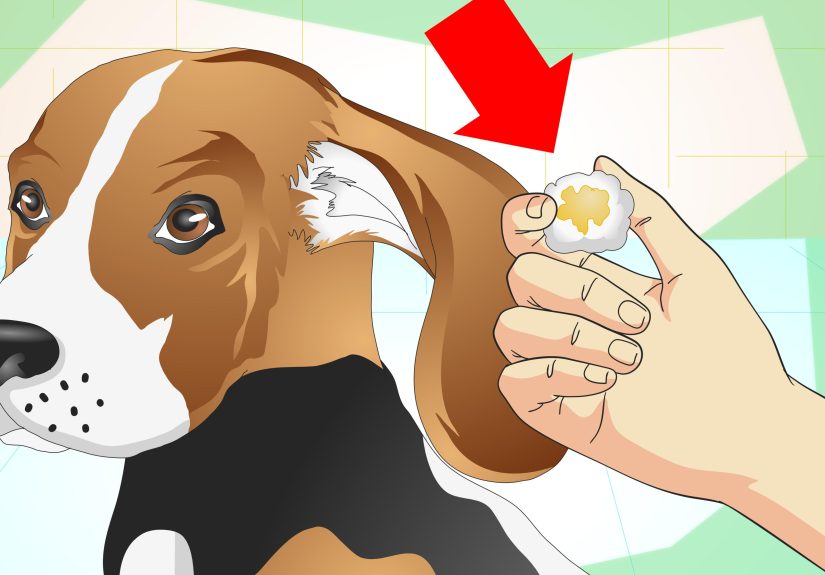
Cleaning removes wax, biofilm, pus, and debris so medication can actually contact the infected skin. In many cases, vets do an initial deep clean/flush in the clinic, especially if the canal is clogged.
2) Topical ear medication (the main event)
Most uncomplicated ear infections are treated with prescription ear drops that may include:
- Antifungal (for yeast)
- Antibiotic (for bacteria)
- Corticosteroid (to reduce swelling, itch, and pain)
Because mixed infections are common, combination products are frequently used. The vet chooses medication based on what they see on cytology, how inflamed the ear is, and your dog’s history.
3) Oral meds (sometimes necessary)
If the infection is severe, the canal is very swollen, or there’s concern for deeper involvement, the vet may prescribe:
- Oral antibiotics (especially if infection extends beyond the outer canal)
- Oral antifungals in select stubborn yeast cases
- Pain relief/anti-inflammatory medication to keep your dog comfortable
4) Treat the underlying cause (how you stop repeats)
Recurrent ear infections are often driven by allergies or chronic inflammation. If you only treat the infection but not the trigger, it’s like mopping the floor while the bathtub is overflowing.
Depending on your dog, long-term management might include allergy control (diet trial, allergy meds, immunotherapy), better ear-drying routines, or changes in grooming/cleaning frequency.
How to Clean a Dog’s Ears Safely (Without Starting a Soap Opera)
First rule: If the ear is extremely red, painful, bleeding, or has a lot of swelling/discharge, don’t DIY-clean aggressively. Call your vet.
What you’ll need
- Vet-recommended ear cleaner (not human products unless your vet explicitly approves)
- Cotton balls or gauze squares
- Towel (for the inevitable head-shake splash zone)
- Treats (high-value, because you’re asking a lot)
Step-by-step
- Set up: Choose a small area you can wipe down. Put a towel down. Accept your fate with grace.
- Lift the ear flap and look. If you see severe swelling, bleeding, or your dog yelpsstop and call the vet.
- Fill the canal with the ear cleaner as directed (don’t be timid; most products require enough volume to work).
- Massage the base of the ear for 20–30 seconds. You should hear a squishy soundthis is the cleaner breaking up debris.
- Let your dog shake. Stand back. This is the canine version of a spin cycle.
- Wipe the visible parts with cotton/gauze. Do not dig deep.
What not to use: Cotton-tipped swabs (they can push debris deeper and irritate the canal), sharp tools, or “ear candles” (just… no).
How to Apply Ear Drops Correctly
Ear drops work best when they reach the infected skin. Here’s the method that usually wins:
- Clean the ear only if your vet instructed you to before medicating (some cases require medication first).
- Lift the ear flap and place the tip near the opening (don’t jam it inside).
- Squeeze the prescribed number of drops.
- Massage the base of the ear again to distribute medication.
- Reward your dog like they just solved a crossword puzzle.
Pro tip: If your dog runs when they see the bottle, try “counterconditioning”: show bottle → treat → put bottle away. Repeat. Then progress to touching ear → treat, and so on. You’re basically teaching your dog that ear care predicts snacks, not betrayal.
How Long Does Treatment Take?
Many uncomplicated ear infections improve within a few days, but treatment often lasts 1–2+ weeks depending on severity and the medication. Chronic infections can take longer, and stopping early is a classic way to get a rebound infection.
Your vet may recheck the ear and repeat cytology to confirm the infection is truly goneespecially in dogs with recurring problems.
What If Ear Infections Keep Coming Back?
Recurring ear infections are common in dogs with underlying inflammation. If your dog keeps relapsing, a vet will often evaluate “the whole picture,” such as:
- Allergies (atopic dermatitis, food allergy)
- Ear canal changes (thickening, narrowing, mineralization) from chronic inflammation
- Resistant bacteria that require culture-guided therapy
- Middle ear infection hiding behind an intact-looking canal
- Endocrine issues or skin disease that predispose to infections
In severe chronic caseswhere the canal becomes permanently narrowed or painfuladvanced treatments may include deep flushes under anesthesia, imaging, or surgical options recommended by specialists.
Prevention: The “Less Drama, More Peace” Plan
You can’t prevent every ear infection, but you can reduce risk:
- Dry ears after swimming/baths (especially floppy-eared breeds)
- Use ear cleaner as directed for dogs prone to wax/yeast buildup
- Manage allergies with your vet (often the #1 reason infections recur)
- Keep grooming sensibleexcess hair removal in the canal can irritate some dogs, while gentle trimming around the ear can improve airflow
- Check ears weekly: quick sniff + look for redness/discharge goes a long way
Quick FAQ
Can I treat my dog’s ear infection without a vet?
For mild irritation, a vet-approved cleaner may help maintenancebut an actual infection usually needs targeted treatment. Without knowing whether it’s yeast, bacteria, mites, a foreign body, or a deeper infection, home treatment is a gamble.
Are over-the-counter ear drops okay?
Some OTC products can be useful for routine cleaning or mild wax buildup. But for infections, you need correct medication and a safe plan (especially if the eardrum might be compromised). Ask your vet before using anything new.
Why does my dog’s ear infection smell so bad?
Odor often comes from microbial overgrowth (yeast/bacteria) plus inflamed, moist tissue. Cleaning and correct medication typically reduce smell quickly.
Is it contagious to other pets?
Most bacterial/yeast ear infections aren’t “catchy” in a typical household way, but ear mites are contagious. If mites are suspected, your vet may recommend treating other pets too.
Conclusion
Treating dog ear infections successfully is a mix of correct diagnosis, thorough cleaning, targeted medication, and (for repeat offenders) addressing the underlying causeoften allergies. If your dog has significant pain, heavy discharge, balance issues, or repeated infections, your best move is a veterinary exam and a tailored plan.
And remember: the goal isn’t just “make the ear smell less weird.” The goal is a comfortable dog, a healthy ear canal, and fewer surprise head-shake showers for you.
Real-World Experiences: What Owners Learn the Hard Way (and Wish They’d Known Sooner)
Talk to enough dog owners and you’ll hear the same storyline: “My dog started shaking their head a little, so I figured it would pass.” Two days later, the ear smells like a gym sock in July, the scratching becomes nonstop, and everyone in the house is stressedespecially the dog.
Experience #1: The ‘It’s Just Water’ assumption. Owners of swimmer dogs often think the problem is simply trapped water. Sometimes that’s true at firstmoisture is a common trigger. But many people learn that once inflammation starts, yeast and bacteria can multiply quickly. The lesson they share: after swimming, drying ears and using a vet-approved drying/cleaning routine (if your vet recommends it) can prevent a minor irritation from turning into a full-blown infection. Several owners also say they stopped letting their dog “air-dry” naturally because the ear canal doesn’t ventilate like human ears.
Experience #2: The cleaning mistake that backfires. A common regret is “I cleaned too aggressively.” Some owners admit they went at the canal with cotton swabs, trying to get everything spotless. The result? More irritation, more inflammation, and sometimes debris pushed deeper. Many end up learning the best approach is to flush with a proper cleaner, massage, let the dog shake, then wipe only what’s visible. “Cleaning” isn’t scraping; it’s loosening and removing gunk safely.
Experience #3: The ‘I stopped early’ relapse. Another classic: the ear looks better after a few days, so meds get skipped. Owners then watch the infection come roaring backoften worse. People who’ve been through this tend to become extremely loyal to the full treatment schedule. Some even set phone alarms labeled “EAR DROPS OR CHAOS” to keep themselves on track.
Experience #4: The chronic cycle finally explained. Owners of dogs with recurring ear infections often describe a turning point: a vet explains that the infection is the symptom, not the root cause. For many dogs, allergies inflame the ear canal repeatedly, making infections easy to trigger. Once allergy management startswhether that’s a diet trial, medication, immunotherapy, or a combinationthe frequency of infections often drops. Owners frequently report that “ear infections every month” became “maybe once or twice a year” after getting underlying inflammation under control.
Experience #5: Middle ear involvement surprises people. Some owners share that their dog’s ear infection didn’t respond to typical drops, or symptoms included a head tilt or balance issues. That’s when deeper disease (like otitis media) enters the conversation. Their lesson is consistent: if your dog isn’t improving on the expected timeline, don’t keep repeating the same approachrecheck promptly. Dogs can’t tell you “this feels like it’s behind the eardrum,” so you have to let the vet investigate.
Experience #6: The emotional part is real. Owners also talk about guiltthinking they “caused” the infection by missing a cleaning or letting the dog swim. Most vets reassure them that ear infections are common and often tied to anatomy or allergies. The best mindset is practical, not punishing: learn your dog’s early signs (a little odor, a little redness, extra scratching), act fast, and stick to a plan. Dogs are forgiving. Your couch, however, may never forgive the ear-fling discharge incident.
Overall, the most repeated advice from experienced owners is simple: don’t guess, don’t delay, and don’t quit treatment early. Add a little prevention, a lot of consistency, and a snack bribe budgetand ear infections become far less dramatic.