Table of Contents >> Show >> Hide
- What TF2 Trading Actually Is
- Before You Trade: Set Up Your Account Properly
- How to Trade Items on Team Fortress 2 Step by Step
- What Items Are Commonly Traded in TF2?
- How the Steam Community Market Fits Into TF2 Trading
- How to Price TF2 Items Without Looking Lost
- How to Avoid Getting Scammed
- A Good Beginner Strategy for TF2 Trading
- Common TF2 Trading Mistakes
- Conclusion
- Experiences Related to Trading Items on Team Fortress 2
Learning how to trade items on Team Fortress 2 can feel a little like being dropped into a flea market run by rocket-jumping magicians. One player wants a hat, another wants a taunt, a third speaks only in keys and refined metal, and somehow everyone acts like this is perfectly normal. In TF2, it is.
The good news is that TF2 trading is not nearly as mysterious as it looks from the outside. Once you understand the difference between a direct trade and the Steam Community Market, know what makes an item valuable, and learn how to avoid the classic scammer nonsense, the whole system becomes much easier to navigate. You do not need a PhD in hat economics. You just need a little patience, a careful eye, and the emotional strength to not panic when someone says, “Bro, quick trade?”
This guide breaks down how to trade items on Team Fortress 2 step by step, explains what you can actually trade, shows how pricing usually works, and covers the habits that help new players avoid bad deals. Whether you want to swap duplicate weapons, build a backpack of cosmetics, or dip a toe into the larger TF2 economy, this is where to start.
What TF2 Trading Actually Is
At its core, TF2 trading is the exchange of in-game items between players. These items can include weapons, cosmetics, taunts, tools, keys, metal, and other tradable inventory pieces. Trading happens through Steam’s trading system, which means TF2 item trading is tied closely to your Steam account, Steam security settings, and Steam inventory.
There are two big lanes in the road here:
Direct Trading
This is the classic player-to-player swap. You send or receive a trade offer, both sides place items in the trade window, and the deal goes through if each person confirms it. Direct trading is how most TF2 item-for-item deals happen, especially when people are trading weapons, hats, taunts, keys, or metal.
Steam Community Market
This is different. The market is not a direct barter system. It is Steam’s built-in marketplace for eligible items, where you buy and sell using Steam Wallet funds. That means it is useful for certain TF2 items, but it is not the same thing as negotiating a trade with another player. It is more like listing something in a giant digital storefront than haggling with a fellow Mercenary enthusiast.
If you remember one thing, remember this: trading is item-for-item between players, while the Steam Community Market is item-for-wallet-funds for eligible items only.
Before You Trade: Set Up Your Account Properly
Make Sure You Can Actually Trade
Not every account has the same freedom. A TF2 Premium account has fewer restrictions than a free account, and that matters if you want to trade regularly. Free-to-play accounts can receive items through trading, but they are more limited in what they can trade away. In plain English: you can participate, but not with the same flexibility as a Premium player.
For people who plan to trade more than once in a blue moon, upgrading to Premium is usually the smart move. It removes a lot of friction and makes the whole process feel less like you are trying to run a garage sale through a locked window.
Enable Steam Guard Mobile Authenticator
This is not exciting, but it is important. Steam Guard Mobile Authenticator helps protect your account and also reduces trade holds once it has been active long enough. Without it, trades can be delayed, which is deeply annoying when you are trying to make a simple deal and the system responds like an overcautious airport security line.
In practical terms, serious TF2 traders almost always use Steam Guard. It adds security and makes trading smoother.
Know the Difference Between Tradable and Marketable
These are not interchangeable terms.
- Tradable means you can swap the item directly with another player.
- Marketable means you can list it on the Steam Community Market.
- Untradable means it stays with you unless a specific rule or tool applies.
Some items can be traded but not sold on the market. Some can be sold on the market but may be temporarily locked after purchase. Some are neither. Before you try to move an item, check its status in your inventory. This one tiny habit prevents a lot of confusion and saves you from planning a trade around an item that is basically glued to your backpack.
How to Trade Items on Team Fortress 2 Step by Step
Now for the part everyone came for.
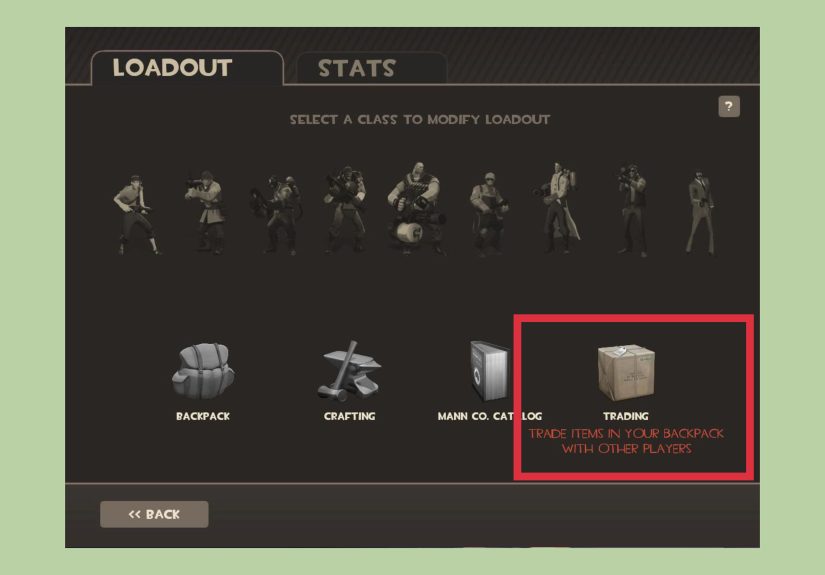
Method 1: Send a Trade Offer Through Steam
- Open Steam and go to your Inventory.
- Click Trade Offers.
- Choose New Trade Offer.
- Select the friend or player you want to trade with.
- Add your TF2 items to your side of the trade window.
- Review the items on the other side carefully.
- Confirm the offer and complete any Steam Guard confirmation steps.
This is the cleanest and most common way to trade TF2 items. It works well whether you are swapping a duplicate weapon, buying a cosmetic with keys, or trading for a taunt you have wanted since approximately the Jurassic period of your Steam library.
Method 2: Trade From a Player Profile
You can also start a trade from another player’s Steam profile if they allow trade offers. This is handy when someone shares a trade link or when you are working out a deal outside the game and want to jump straight to the offer window.
Inspect Everything Before Confirming
This is where smart traders separate themselves from future regret. Before clicking confirm, inspect every item in the trade. Check:
- Item name
- Quality
- Effect
- Killstreak tier
- Festivized status
- Paint or attached parts, if relevant
- Tradable status
A “Strange” item is not the same as a regular one. An “Unusual” hat is definitely not the same as a normal cosmetic. One missing word in an item title can turn a great trade into a sad little life lesson.
What Items Are Commonly Traded in TF2?
Weapons
Weapon trading is often where players begin. Duplicate drops can be swapped for weapons you actually want, which is a big upgrade from staring at your backpack and wondering why the game has gifted you your fourth version of something you never use.
Cosmetics
Hats, shirts, glasses, and assorted forms of battlefield fashion are a huge part of the TF2 economy. Many basic cosmetics are affordable, while rare or highly desirable ones can become much more valuable.
Taunts
Taunts are popular because they are flashy, funny, and very TF2. Some players collect them casually. Others treat them like trophies. Both approaches are valid, although the second one tends to involve more spreadsheets.
Keys and Refined Metal
In the trading community, Mann Co. Supply Crate Keys and refined metal are commonly used like currency. Refined metal tends to show up in lower-value trades, while keys are often used for larger deals. New traders do not need to master every pricing shorthand immediately, but they should understand that many offers are built around these two items rather than direct cash values.
That is why experienced traders might say something like, “This cosmetic is worth a bit of ref,” or “That taunt is priced in keys.” It sounds odd at first, but after a while it becomes normal. Disturbingly normal.
Higher-Tier Items
Some of the most valuable TF2 items have special qualities or rare effects. Unusual items, for example, are famous for their particle effects and collector appeal. Strange items can track stats, which also affects demand. Vintage, Genuine, and other qualities may matter too, depending on the item and the buyer.
When trading higher-tier items, tiny details matter. Two hats with the same base name can have very different values because of quality, effect, demand, or rarity.
How the Steam Community Market Fits Into TF2 Trading
The Steam Community Market is useful, but it is not the whole TF2 economy. Think of it as one tool in the toolbox.
For marketable items, the market gives you public pricing history, buy orders, sell orders, and quick transactions. It is especially helpful when you want a general sense of demand. It can also be convenient for buying or selling eligible items without negotiating directly with another person.
But there are limits. Not every TF2 item is marketable, and Steam Wallet funds do not turn back into cash you can withdraw. Once money enters the Steam Wallet ecosystem, it stays there. So the market is great for convenience, but less ideal if your goal is to treat every virtual hat like a tiny stock portfolio.
How to Price TF2 Items Without Looking Lost
Compare Similar Items
Do not compare a regular cosmetic to an Unusual version and assume they live in the same universe. They do not. Pricing depends on the exact item, quality, attached properties, and demand. A taunt with an effect, a Strange weapon with extras, or a painted cosmetic can all shift in value.
Watch for Temporary Locks
Some items bought from the Steam Community Market are temporarily untradable. If you use a temporarily locked usable item on another item, the lock can carry over. That matters because a good trade is not very helpful when the item you planned to flip immediately turns into a decorative paperweight for a week.
Think About Liquidity
Some items are easy to move. Others sit in your backpack like awkward party guests. Lower-tier, commonly traded items tend to be easier to sell or swap. Very niche collectibles might have higher value on paper but fewer interested buyers. Smart trading is not only about value; it is also about how quickly you can move an item when you need to.
How to Avoid Getting Scammed
TF2 trading is fun, but scammers love fun the way raccoons love unattended trash cans. Stay alert.
Watch for Last-Second Item Swaps
A common trick is changing the item in the trade window right before confirmation. Always re-check the trade just before accepting. Every single time. No exceptions.
Be Suspicious of Urgency
If someone is pushing you to hurry, that is a red flag. Honest traders do not need to create panic like they are selling concert tickets during a thunderstorm.
Do Not Click Random Trade Links
Phishing pages are a real problem. Trade only through trusted Steam pages, known profile links, or platforms you recognize. If a site looks weird, asks for strange login behavior, or feels like it was designed by a villain with access to clip art, back out immediately.
Do Not Trade Based on Vibes Alone
“Seems legit” is not a security strategy. Check the profile, check the offer, check the item details, and confirm through official Steam tools.
A Good Beginner Strategy for TF2 Trading
If you are new, keep it simple:
- Upgrade to Premium if you plan to trade often.
- Enable Steam Guard Mobile Authenticator.
- Start with low-risk trades such as duplicate weapons or small cosmetic swaps.
- Learn item qualities before touching high-value trades.
- Use the Steam Community Market as a reference point for eligible items.
- Never rush because someone typed in all caps.
There is no prize for speedrunning the TF2 economy. The best first month of trading is usually a boring one, and that is good. Boring means you are learning instead of recovering from a disaster.
Common TF2 Trading Mistakes
New traders often make the same errors:
- Buying random Mann Co. Store items without checking trading value
- Ignoring whether an item is tradable or marketable
- Confusing Steam Community Market prices with direct trade value
- Skipping account security setup
- Accepting offers too quickly because they “look close enough”
- Jumping into high-end Unusual trading before understanding the basics
None of these mistakes are rare. In fact, they are practically TF2 trading traditions. The trick is to experience them as warnings instead of as personal biography.
Conclusion
Knowing how to trade items on Team Fortress 2 is part technical know-how, part market awareness, and part common sense. You need the right account setup, a clear understanding of direct trades versus the Steam Community Market, and enough patience to inspect each item before you commit. Once those pieces are in place, trading becomes less intimidating and a lot more fun.
For casual players, trading is a great way to turn duplicate weapons and unused cosmetics into items you will actually enjoy. For collectors, it opens the door to rare qualities, stylish loadouts, and the wonderfully weird culture that has kept the TF2 economy alive for years. For everyone else, it is at least a good reminder that a cartoon shooter somehow developed one of gaming’s most fascinating little marketplaces.
Start small, trade carefully, secure your account, and never let anyone pressure you into a rushed deal. The best TF2 trade is not always the flashiest one. Usually, it is the one you still feel good about five minutes later.
Experiences Related to Trading Items on Team Fortress 2
One of the most interesting things about TF2 trading is that the experience changes as soon as you stop seeing items as random backpack clutter and start seeing them as part of a living economy. For many players, the first trade is tiny. Maybe it is just swapping a duplicate weapon for one they actually need. Maybe it is trading a few low-value items for a cosmetic that finally makes their Soldier look less like he got dressed in a dark basement. It feels small, but that first trade usually flips a switch. Suddenly the inventory is not just a pile of drops. It is a set of possibilities.
After that, players often notice how social TF2 trading can be. Even when the system is built into Steam, the experience itself feels very human. Some traders are polite and methodical. Some are funny. Some type like they are in a hostage situation and need the deal finished in twelve seconds. You quickly learn that trading is not only about item values. It is also about reading people, spotting red flags, and figuring out who actually knows what they are offering.
A common experience for beginners is mild confusion followed by mild obsession. At first, phrases like “ref,” “keys,” “Strange,” “Unusual,” and “marketable” feel like a second language. Then, two weeks later, you catch yourself casually comparing cosmetic values while eating lunch, and you realize TF2 has quietly turned you into a part-time accountant for imaginary hats. That progression is extremely normal. Deeply ridiculous, but normal.
There is also a very real emotional side to TF2 trading. A successful trade can feel great, especially when you land an item you have wanted for a long time or make a deal that feels smart and fair. On the other hand, a bad trade sticks with people. Most longtime traders can describe at least one moment when they moved too fast, ignored an item detail, trusted the wrong person, or traded away something that became much more valuable later. Those experiences are frustrating, but they also teach the habits that make better traders: slow down, verify everything, and do not confuse excitement with good judgment.
Another thing players often experience is the strange charm of the TF2 community itself. Few games make cosmetic collecting feel this personal. A weapon is not always just a weapon, and a hat is definitely not just a hat. Items become part of identity. They reflect favorite classes, old events, inside jokes, lucky finds, and personal style. Trading, then, is not only about value. It is about building a loadout that feels like yours. That is one reason the TF2 economy has held attention for so long: behind every trade window is a player trying to shape their version of the game.
In the end, the experience of trading TF2 items is a mix of strategy, curiosity, caution, and personality. It can be goofy, competitive, satisfying, and occasionally nerve-racking. It teaches players how virtual economies work, how communities create value, and how a digital item can mean a lot simply because people decide it does. And yes, it also teaches that some people will absolutely spend an alarming amount of time negotiating over a fictional hat. Welcome to Team Fortress 2.