Table of Contents >> Show >> Hide
- Step Zero: Identify Your Pan (Because Not All Pans Like the Same Drama)
- The 10-Minute Triage Pros Swear By
- The Pro Playbook: Methods That Actually Work (Pick Your Level)
- Method 1: The “Hot Deglaze” Trick (Fastest for fresh burns)
- Method 2: Boil Water + Dish Soap (The gentle workhorse)
- Method 3: Baking Soda Simmer (The “soften and lift” classic)
- Method 4: Vinegar Boil + Baking Soda (The fizzy “lift-off” combo)
- Method 5: Baking Soda Paste (Overnight = less elbow grease)
- Method 6: Dishwasher Tablet Rub (Oddly effective, especially on stainless)
- Method 7: Bar Keepers Friend (Stainless steel’s best wingman)
- Method 8: Baking Soda + Hydrogen Peroxide (For baked-on grease, mostly sheet pans)
- Method 9: Salt Scrub (Cast iron’s “don’t mess with my seasoning” solution)
- Method 10: Cream of Tartar Boil (The “backup singer” to baking soda)
- Choose-Your-Own-Rescue: Best Methods by Pan Type
- What Not to Do (Unless You Enjoy Regret)
- How to Prevent Burnt-On Gunk Next Time
- Quick FAQ
- Kitchen Experiences: The Burnt-Pan Moments We’ve All Lived Through (And What They Teach You)
- Conclusion
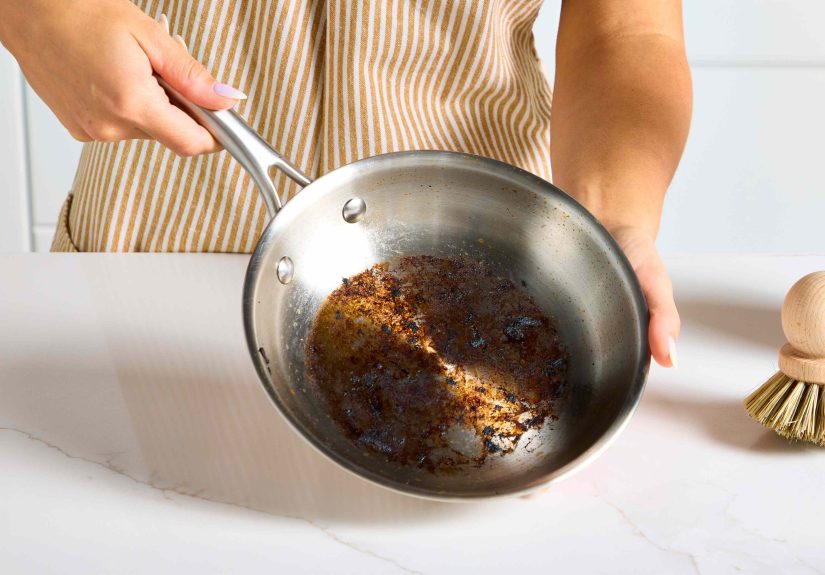
You walked away for “just a second.” You came back to a smell that can only be described as charcoal-forward. Now your pan has a crusty, blackened layer that looks like it could file taxes on its own.
Good news: most “ruined” pans aren’t ruined. In a lot of cases, that stubborn gunk is just carbonized food and oil annoying, yes, but totally beatable with the right combo of heat, time, and the least dramatic scrubbing possible. The trick is matching the method to the material so you don’t trade “burnt mess” for “scratched forever.”
Step Zero: Identify Your Pan (Because Not All Pans Like the Same Drama)
Before you reach for whatever’s under the sink like you’re in a cleaning game show, take five seconds to ID your cookware:
- Stainless steel: Shiny, tough, and forgiving. Usually the easiest to rescue.
- Nonstick: Delicate coating. Needs gentle tools and patience (and a soft sponge, not vengeance).
- Cast iron: Heavy, seasoned, and happiest when you don’t soak it for hours.
- Enameled cast iron (Dutch oven): Smooth enamel finish. Tough, but can scratch if you go wild.
- Aluminum/hard-anodized: Can discolor with harsh abrasives or certain reactions. Check brand care notes.
- Baking sheets: Usually aluminum or stainless. Built-up grease is common; deep cleaning is a whole genre.
The 10-Minute Triage Pros Swear By
1) Let the pan cool (seriously)
Thermal shock is how pans warp and coatings crack. If it’s screaming hot, let it cool down naturally until it’s safe to handle. Your future pancakes will thank you.
2) Scrape off the loose stuffgently
Use a wooden spoon, silicone spatula, or a plastic scraper to lift any flakes or loose burnt bits. Think “archaeologist,” not “jackhammer.”
3) Start with the least aggressive method
Pros don’t start with the nuclear option. They start with heat + water, then step up only if needed. The goal is to loosen the gunk so it releases, not to grind it into submission.
The Pro Playbook: Methods That Actually Work (Pick Your Level)
Method 1: The “Hot Deglaze” Trick (Fastest for fresh burns)
If the pan is still warm (not scorching), add a splash of water and use a wooden spoon to loosen stuck bits. This is basically deglazingexcept your “sauce” is regret and steam.
- Best for: stainless steel, stainless-clad pans
- Avoid for: nonstick if you’re tempted to scrape too hard
Method 2: Boil Water + Dish Soap (The gentle workhorse)
This is the method that quietly fixes a lot of disasters without any chemistry fireworks. You simmer soapy water to soften burnt-on residue, then wipe and wash normally.
- Best for: stainless steel, enamel, many everyday pans
- Tool tip: use a nylon brush or non-scratch sponge
Method 3: Baking Soda Simmer (The “soften and lift” classic)
Baking soda is mildly abrasive and great at loosening scorched food when warmed with water. Sprinkle baking soda into water in the pan, bring it to a simmer, and let it do the unglamorous heavy lifting.
- Best for: stainless steel, enamel, some aluminum (test first)
- Works well on: burnt rice, scorched milk, sticky sauces
Method 4: Vinegar Boil + Baking Soda (The fizzy “lift-off” combo)
If your pan looks like it survived reentry, a vinegar-and-water boil followed by baking soda can help lift stubborn carbonized bits. Expect fizzingso don’t fill the pan to the brim unless you enjoy cleaning your stovetop twice.
- Best for: stainless steel, some enamel (gentle scrub)
- Not ideal for: cast iron seasoning, delicate nonstick coatings
Method 5: Baking Soda Paste (Overnight = less elbow grease)
When “scrub now” isn’t happening, paste is your best friend. Mix baking soda with a little water into a thick paste, spread it over the burnt layer, and let time do the work. Later, wipe and gently scrub.
- Best for: nonstick (gentle), enamel, stainless
- Bonus: minimal mess, maximum “look at me being responsible” energy
Method 6: Dishwasher Tablet Rub (Oddly effective, especially on stainless)
Some pros use a damp dishwasher tablet as a targeted scrubber for stainless steel gunk. It’s a “spot treatment” approachless soaking, more precision.
- Best for: stainless steel, some baking sheets (check finish)
- Avoid for: nonstick and fragile coatings
Method 7: Bar Keepers Friend (Stainless steel’s best wingman)
For stainless steel, a dedicated cleanser can be the difference between “scrub for an hour” and “done before your coffee cools.” The pro move is to make a paste, rub gently, and not let it sit too longfollow label guidance closely.
- Best for: stainless steel cookware and sinks
- Key habit: rinse thoroughly and dry to prevent spots
Method 8: Baking Soda + Hydrogen Peroxide (For baked-on grease, mostly sheet pans)
For burnt grease on uncoated metal baking sheets, a paste of baking soda and hydrogen peroxide is a common deep-clean approach. It’s especially popular when you want the grime to lift overnight instead of becoming your weekend hobby.
- Best for: uncoated metal baking sheets
- Use caution: don’t use on nonstick-coated sheets or delicate finishes
Method 9: Salt Scrub (Cast iron’s “don’t mess with my seasoning” solution)
Cast iron doesn’t want a long soak. Instead, use coarse salt as a scrubber: it acts like a gentle abrasive that helps lift stuck food without stripping everything. Afterward, dry completely and add a thin layer of oil.
- Best for: cast iron skillets and griddles
- Finish strong: heat briefly to drive off moisture
Method 10: Cream of Tartar Boil (The “backup singer” to baking soda)
If you’re out of baking soda or want another mild abrasive option, cream of tartar can work similarly when boiled with water. It’s not magicjust a helpful tool when the pantry is doing the bare minimum.
Choose-Your-Own-Rescue: Best Methods by Pan Type
Stainless Steel
Stainless can take a lot, but you still want the smart order of operations: deglaze, simmer, then polish. A typical progression:
- Deglaze warm pan with water and a wooden spoon.
- Simmer water + baking soda for stubborn areas.
- Spot-treat with a stainless-safe cleanser if needed.
Example: Burnt sugar on stainless is notoriously clingy. Simmering water with baking soda softens the caramelized layer, and a gentle cleanser finish can bring back the shine.
Nonstick
Nonstick is like a cat: helpful, beautiful, and absolutely not interested in your harsh scrubbing energy. Stick to:
- Warm soapy soak
- Baking soda paste (no abrasive pads)
- Soft sponge or non-scratch brush
If the coating is peeling, deeply scratched, or flaking, it’s time to retire the pan. No cleaning method can fix that safely.
Enameled Cast Iron (Dutch Oven)
For burnt-on bits inside an enameled Dutch oven, simmering water with baking soda is a go-to. Follow with gentle scrubbing using non-scratch tools.
Example: A scorched tomato sauce ring can look permanent, but a baking soda simmer often softens the stain enough to wipe away without scratching the enamel.
Cast Iron
Modern guidance is more flexible than the old “soap is forbidden” myth. Still, for a burnt layer:
- Boil a small amount of water briefly to loosen stuck bits.
- Scrub with a brush or coarse salt.
- Rinse, dry completely, then oil lightly.
Aluminum and Hard-Anodized
Aluminum can discolor, and hard-anodized finishes can be damaged by aggressive abrasives. Your safest route is usually warm soapy water + gentle tools, then baking soda paste if needed (test a small area first). When in doubt, check the brand’s care guide.
Baking Sheets
Baking sheets collect “patina” that is basically baked-on grease wearing a trench coat. For uncoated metal sheets, an overnight paste approach is popular; for coated sheets, stick to gentle methods. If a sheet is warped, heavily rusted, or has peeling coating, replacement is the sane option.
What Not to Do (Unless You Enjoy Regret)
- Don’t use steel wool on nonstick, enamel, or polished finishesscratches are forever.
- Don’t leave strong cleansers sitting too longfollow product directions and rinse well.
- Don’t mix household chemicals (especially products containing bleach) with other cleaners.
- Don’t shock a hot pan with cold waterwarping is not a personality trait you want in cookware.
- Don’t soak cast iron for hoursrust loves a long, moist relationship.
How to Prevent Burnt-On Gunk Next Time
Control heat like it’s a budget
Most scorches happen because heat climbs faster than you think. Medium is usually enough; high is for boiling water, not for “I forgot the onions are still in there.”
Use enough fatand let it heat properly
A thin film of oil can prevent sticking. Also, don’t drop food into a cold pan and hope it behaves. Preheat, then cook.
Deglaze while you cook
If you see a brown layer forming (fond), add a splash of liquid and scrape it up as flavor. That’s delicious. That’s also less cleaning later.
Soak sooner, scrub less
Even a 10-minute warm soak after dinner can stop residue from turning into geological strata overnight.
Quick FAQ
Is vinegar and baking soda “real chemistry” or just internet theater?
It’s both. The fizz can help loosen debris, but the bigger win is often the heat + soaking + gentle abrasion. Use it when it helps, not because bubbles feel productive.
Why does burnt gunk cling so hard?
High heat can polymerize oils and carbonize food, creating a tough layer that acts like glue. Softening it with heat and soaking is usually more effective than brute-force scrubbing.
Can I save a pan that looks permanently stained?
Often, yesespecially stainless steel and enamel. But if the surface is damaged (peeling nonstick, deep gouges), it’s safer to replace it.
What’s the most “pro” habit of all?
Pros clean as they go. Not obsessivelyjust strategically. Warm pan, quick rinse, short soak, done. The easiest gunk to remove is the gunk you don’t let set up camp.
Kitchen Experiences: The Burnt-Pan Moments We’ve All Lived Through (And What They Teach You)
Every kitchen has a “burnt pan origin story.” It’s practically a rite of passage, like learning that a potholder you think is dry can still betray you. The most common scenario is also the most innocent: you start a sauce, you get distracted for “one minute,” and you return to a smell that announces itself before you even reach the stove. The panic sets in. You try to scrape it immediately. Nothing happens. You scrub harder. Now it’s not only burnt, it’s burnt and scratched. Congratsyou’ve unlocked a new level of frustration.
Here’s what experienced cooks learn (usually after at least one smoky incident): burnt-on food rarely responds to force the way you want it to. The gunk isn’t just “stuck,” it’s transformed. Sugars caramelize and then carbonize. Oils can polymerize into a stubborn film. Proteins can bake into a crust. That’s why the calmest-looking person in the kitchen is often the one who says, “Just simmer water in it,” while everyone else is auditioning for an infomercial about elbow grease. Heat and time don’t feel heroic, but they’re consistently effective.
Another classic experience: the “I’ll deal with it later” soak that turns into a next-day science experiment. You wake up, look at the pan, and suddenly feel like the pan is judging you. At that point, people tend to reach for the most aggressive tool they ownsteel wool, a metal scraper, or whatever looks sharp enough to remove the evidence. But the better lesson is this: if you can’t clean it right away, at least set yourself up for success. A quick warm soak, or a baking soda paste left to sit, is basically future-you’s love language.
Then there are the “special occasion” burns: scorched rice at the bottom of a pot, a sheet pan with baked-on grease from a marathon batch of chicken thighs, or a Dutch oven that looks like it hosted a barbecue inside. These moments teach you to match the method to the mess. Burnt rice often responds beautifully to simmering water with baking soda because the layer softens and releases. Baked-on grease on uncoated metal can improve dramatically with an overnight paste approach. Enamel usually prefers gentle simmer-and-wipe over aggressive scraping. And stainless steel? Stainless is the friend who can take a hit and still look goodespecially if you finish with a stainless-safe cleanser and a thorough rinse.
The most useful takeaway from real kitchens is surprisingly simple: “rescue” is a process, not a single trick. Start gentle. Escalate only if needed. Use the right tool (non-scratch sponge beats rage-scrubbing every time). And if you ever find yourself thinking, “I should just throw this pan away,” pausebecause nine times out of ten, it’s not a trash situation. It’s a “boil, soak, wipe, repeat” situation. Which is less dramatic, yes, but also how the pros keep cooking without buying a new pan every time dinner goes off-script.
Conclusion
A burnt pan isn’t a moral failing. It’s just a kitchen plot twist. The pro approach is to treat burnt-on gunk like a stuck jar lid: apply the right kind of pressure in the right way, and let physics (and a little pantry chemistry) do the work. Identify the pan material, start with gentle heat-and-soak methods, and save stronger cleaners for surfaces that can handle them. With a few smart moves, you’ll get the gunk offand keep your cookware looking like it hasn’t been through culinary battle.