Table of Contents >> Show >> Hide
- Part 1: Understand What Rights You Actually Have
- Part 2: Register Your Music with the U.S. Copyright Office
- Part 3: Lock Down Splits, Metadata, and Royalties
- Part 4: Protect Your Music Online
- Part 5: Enforce Your Rights in the Real World
- What the “with Pictures” Part Might Look Like
- Real-World Experiences: Lessons from the Copyright Trenches
- Conclusion: Keep Your Creativity and Your Control
You poured your soul into that song. You fought with the bridge, lovingly EQ’d the snare,
and even convinced your vocalist friend to nail that high note on take 37. The last thing
you want is for someone to download your track, re-upload it, or throw it in an ad without
askingor paying. The good news? You don’t need a law degree to protect the rights to your
music. You just need a basic understanding of copyright, a few smart habits, and a game plan
for what to do when things go wrong.
In this guide, you’ll learn how to protect your music in 15 practical stepsfrom understanding
what copyright actually does, to registering your songs, to sending DMCA takedowns if someone
rips your track online. Think of this as your friendly “music rights survival kit” that helps
you stay creative and in control.
Part 1: Understand What Rights You Actually Have
Step 1: Learn what copyright protects in your music
In the United States, copyright protection kicks in the moment your music is “fixed in a
tangible medium”for example, recorded into your DAW or written down on paper. That protection
doesn’t require a formal registration to exist, but registration gives you powerful extra
benefits like the ability to sue in federal court and claim statutory damages in an
infringement case.
For music, you usually deal with two separate copyrights:
- The musical composition: the underlying songmelody, lyrics, harmony.
- The sound recording: the actual recorded performance (the master).
One song can have multiple recordings (live, remixes, acoustic versions), and those are
separate from the underlying composition. Understanding this split is crucial when you
register works, sign contracts, or chase down unpaid royalties.
Step 2: Fix your music clearly and keep early evidence
Your music must be “fixed” to qualify for copyright protectionmeaning it exists in a form
that can be reproduced, like a recording, a lead sheet, or notation. Emailing an MP3 to
yourself, saving a session in your DAW, exporting a demo, or scanning handwritten sheet
music all count as fixation.
To make your ownership easier to prove later:
- Keep dated project files and bounced demos in cloud storage.
- Use clear file names (e.g.,
ArtistName_SongTitle_v1_2025-12-05.wav). - Save emails, messages, or session notes that show who created what and when.
You don’t have to mail a CD to yourself anymore (the old “poor man’s copyright” isn’t
legally reliable). Solid digital records and formal registration are far better proof.
Part 2: Register Your Music with the U.S. Copyright Office
Step 3: Decide what you’re registering: composition, recording, or both
Before you head to the U.S. Copyright Office’s website, decide whether you’re registering:
- Just the musical composition (songwriting/lyrics).
- Just the sound recording (the master).
- Both together, when allowed under current forms and rules.
Songwriters often register compositions, while labels or independent artists who own their
masters register sound recordings. If you’re a DIY artist, you might be both the songwriter
and the owner of the master, so you’ll want to make sure you’re covered on both sides.
Step 4: Create your online account and choose the right form
To register your music in the U.S., go to the official U.S. Copyright Office registration
portal and create an account. From there, you’ll choose the correct type of application
for your work, such as:
- A form for musical compositions (for the underlying song, lyrics, and music).
-
A form for sound recordings (the master), sometimes combined with the
composition when the same party owns both, depending on current guidelines. - Group registration options for certain unpublished works or albums, if you qualify.
Check the official instructions before filing; forms and rules can evolve, and you want
to make sure you pick the option that covers your catalog efficiently.
Step 5: Complete the application and pay the filing fee
Each registration requires basic information:
- Title of the song or collection.
- Names of authors and claimants (who wrote it, who owns it).
- Year of completion and publication status.
- Any prior registrations or pre-existing material (like samples you don’t own).
You’ll also pay a filing fee, which varies depending on the type of registration and whether
you’re registering a single work or a group. Treat this like an investment: a relatively
small fee now can save you major headachesand unlock major damagesif someone later
infringes your music.
Step 6: Upload a “deposit” copy of your best version
For music registrations, you’ll submit a “deposit” copy of the workusually an audio file or
notated music, depending on what you’re registering. Choose a clear, final version that
represents the song as you intend it. Follow the file type, size, and formatting requirements
carefully so your application doesn’t get delayed.
Once your registration is approved, keep the certificate and confirmation emails in a safe,
searchable place. When a dispute pops up, being able to pull that certificate instantly is
a power move.
Part 3: Lock Down Splits, Metadata, and Royalties
Step 7: Put your splits and credits in writing
Friendships are great. Split sheets are better.
Any time you co-write or co-produce a track, agree on ownership splits before the
song comes out. That includes:
- Songwriting splits (lyrics and composition).
- Master ownership shares (who owns the recording).
- Producer points or backend percentages, if applicable.
Use a simple split sheet that lists each contributor, their role, their percentage, and
signatures (digital is fine). Store it in cloud storage along with your project files.
Written agreements won’t prevent disagreements, but they’ll end them a lot faster.
Step 8: Join a performing rights organization (PRO)
To get paid when your music is played publiclyon radio, TV, streaming services, venues,
restaurants, and moreyou’ll typically need to join a performing rights organization
(PRO) as a songwriter and possibly as a publisher. In the U.S., the big names include
ASCAP, BMI, and SESAC.
A PRO:
- Licenses your songs for public performance.
- Tracks where and how often they’re played.
- Collects performance royalties and pays you.
Sign up as a writer first, then decide if you need your own publishing entity or if you’ll
work with a publishing administrator. Either way, joining a PRO is a key step in both
protecting and monetizing your music rights.
Step 9: Use a publisher, distributor, or admin service wisely
Music rights protection isn’t just about stopping theftit’s also about making sure your
rights are exploited in your favor. A good distributor or publishing administrator can:
- Register your songs with collection societies around the world.
- Collect mechanical and performance royalties internationally.
- Provide tools like YouTube Content ID or audio fingerprinting.
Read the fine print: pay attention to contract length, commission percentage, and what rights
you’re granting. “Admin” deals usually let you keep ownership while someone else handles
registrations and royalty collection for a fee.
Part 4: Protect Your Music Online
Step 10: Use clear copyright notices and smart sharing
While your music is protected whether you use the © symbol or not, a simple copyright notice
reminds people that you’re serious. For example:
© 2025 Your Name. All rights reserved.
You can add this to:
- Track metadata and ID3 tags.
- Album art, lyric videos, and YouTube descriptions.
- Your website, EPK, and social media bios.
When sharing demos, send private links, watermarked audio, or shorter clips if you’re not
ready for the world (or opportunistic sample hunters) to have the full track.
Step 11: Use content ID, fingerprinting, and monitoring tools
Many distributors and third-party services offer tools that scan platforms for your music.
These systems create an audio “fingerprint” of your tracks and automatically identify uses
on sites like YouTube, Facebook, and Instagram.
Depending on the service, you may be able to:
- Monetize user-generated videos using your songs.
- Block or mute infringing uploads.
- Receive reports on where your music appears.
Combine these tools with occasional manual searches of your artist name and song titles,
and you’ve got a decent early-warning system for potential infringements.
Step 12: Learn how to send a DMCA takedown notice
If someone uploads your track without permission, the Digital Millennium Copyright Act
(DMCA) gives you a way to ask platforms or hosts to remove infringing content. Most major
sites have online forms for submitting a DMCA notice.
A proper DMCA notice generally includes:
- Your contact information.
- A description of the copyrighted work (your song).
- The URL(s) of the infringing material.
- A statement that you believe in good faith the use is not authorized.
-
A statement, under penalty of perjury, that the information is accurate and that you’re
the copyright owner or authorized agent. - Your physical or electronic signature.
Send DMCA notices only when you’re confident you own the rights at issue. Abuse of the
process can backfire, including legal consequences if you knowingly misrepresent a claim.
Part 5: Enforce Your Rights in the Real World
Step 13: Save your paper trail and timestamps
If you ever need to prove ownership or fight a dispute, documentation is your best friend.
Keep:
- Registration certificates and confirmation emails.
- Split sheets and contracts.
- Invoices, licenses, and sync agreements.
- Emails or messages where people acknowledge your authorship.
Store these in organized folders in cloud storage, and consider backing them up in a second
location. Future-you will be very grateful to present a neat bundle of evidence instead of
“a bunch of random screenshots somewhere on an old phone.”
Step 14: Try a friendly approach before going nuclear
Not every infringement is malicious. Sometimes a fan uses your music in good faith without
understanding the rules. Other times, a small creator grabs a track from a “free music”
playlist that wasn’t actually free to use.
When you first discover an unauthorized use, you might:
- Reach out with a polite message explaining you own the rights.
- Offer options: remove the content, give proper credit and a license fee, or use an
official version via your distributor. - Follow up with a formal DMCA notice if they ignore you or refuse to cooperate.
This approach can preserve relationships and even lead to legit collaborations instead of
instant legal combat.
Step 15: Talk to an entertainment lawyer when it gets serious
If the infringement is substantiallike a brand using your track in a national ad campaign,
or another artist lifting your hook into a commercial releaseit’s time to talk to an
entertainment or IP attorney.
A lawyer can:
- Assess how strong your claim is.
- Send cease-and-desist letters or demand letters.
- Negotiate settlements, licenses, or credits.
- File a lawsuit if necessary.
Having your registrations, split sheets, and documentation ready will make your lawyer’s job
easierand your position stronger.
What the “with Pictures” Part Might Look Like
If you’re turning this guide into a visual tutorial, this is where you’d include helpful
screenshots and diagrams, such as:
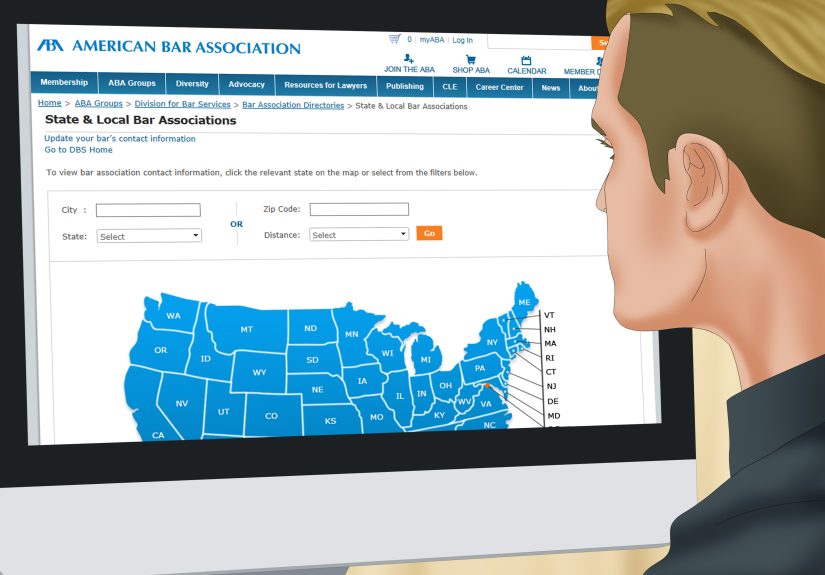
- A screenshot of the U.S. Copyright Office registration portal.
- A sample split sheet with fictional names and percentages.
- A mock DMCA takedown email showing the structure and key statements.
- Flowcharts that show how money moves from streaming services to PROs to you.
Visuals won’t change the legal reality of your rights, but they make it much easier to
understand the processand to share it with bandmates who “don’t read long things.”
Real-World Experiences: Lessons from the Copyright Trenches
Let’s look at some common real-world scenarios that musicians run into when trying to protect
their rightsand the lessons hiding inside them.
Experience 1: The “Upload First, Register Later” Trap
Imagine an artist named Maya. She drops a song on all major platforms without registering
her copyright because she’s in a rush to hit a release date. A few months later, she discovers
a producer selling beats online that use her entire instrumental, lightly tweaked. She can
prove she made the track first thanks to DAW sessions and dated demos, but now she’s facing
a complicated infringement situation with no registration in place at the time of the
violation. She’ll still have rights, but she may miss out on some of the strongest remedies
that timely registration could have unlocked.
The lesson: register key songs before or shortly after releaseespecially
tracks you believe have real commercial potential. That way, if someone blatantly copies
you, you’re positioned to pursue statutory damages and attorney’s fees where the law allows,
not just basic compensation.
Experience 2: The Collab with No Split Sheet
Now picture a producer, Leo, who loves collaboration. He co-writes hooks with vocalists,
trades beats with other producers, and works in a very “let’s just vibe” environment. His
songs start doing well on playlists, which is greatuntil money shows up. Suddenly, people
remember contributing “way more than they were credited for,” and chaos begins.
Leo spends months trying to untangle verbal agreements through text messages and old DMs.
One collaborator refuses to sign off unless they get a bigger cut. A potential sync deal is
delayed because the music supervisor can’t confirm who owns what.
The lesson: split sheets aren’t just paperworkthey’re conflict prevention tools.
Agree on splits at the end of each session while everyone remembers what they actually did,
and get signatures before the track leaves your hard drive. It’s far easier to negotiate
fairly in a calm studio than in the middle of a royalty dispute.
Experience 3: The DIY DMCA Warrior
Another artist, Janelle, finds multiple TikTok accounts and YouTube channels using her tracks
without permission. At first, she feels flattered. Then she realizes these videos are
generating thousands of views with zero credit and zero payout. She decides to learn how
DMCA takedowns work and starts sending properly formatted notices to platforms hosting the
infringing content.
At first, it’s intimidatinglegal language, perjury statements, and all. But after a few
rounds, she has a template. She keeps a simple spreadsheet of URLs, dates, and outcomes.
Some posters apologize and take the videos down. Others get removed by the platforms after
the notices are processed. Over time, Janelle becomes much more confident in defending her
catalog, and she starts using monetization tools so that future uses can be channeled into
legitimate, revenue-generating placements.
The lesson: you don’t have to suffer in silence when your music is used without
permission. Learn the basics of takedowns, use platform tools, and don’t be afraid
to escalate to a lawyer when real money is at stake. You can be both kind and very firm about
your rights.
Experience 4: The Artist Who Treated Rights Like a Business
Finally, take an artist who approaches rights with the same seriousness as recording. They
keep organized folders for contracts and registrations, join a PRO, work with a reputable
distributor, and have a go-to attorney for bigger deals. They register their main releases
promptly, use split sheets for every collab, and audit their royalty statements occasionally
to catch errors.
Nothing dramatic happensand that’s the point. When a brand wants to license a song, the
paperwork is ready. When a foreign collection society needs information, it’s easy to provide.
When a small infringement pops up, it’s handled quickly because ownership is obvious. This
artist spends less time fighting fires and more time making music.
The lesson: protecting your music rights is less about one big heroic act and more
about consistent, boring, grown-up habits. Register, document, organize, monitor,
and ask for help when needed. Future opportunitiesand future youwill thank you.
Conclusion: Keep Your Creativity and Your Control
Protecting the rights to your music isn’t about being paranoid; it’s about respecting your
own work. By understanding the basics of copyright, registering your songs, joining a PRO,
using online protection tools, and documenting your collaborations, you build a safety net
around your creativity.
You don’t need to master every legal nuance to get started. Just follow these 15 steps,
add visuals if you’re turning this into a “with pictures” guide, and treat your music like
what it is: valuable intellectual property. Make the art you lovebut make sure it legally
belongs to you, too.