Table of Contents >> Show >> Hide
- Why Kitchen Fire Prevention Matters
- How to Prevent a Kitchen Fire: 13 Steps
- 1. Stay in the kitchen when food is cooking on the stovetop
- 2. Use a timer for everything, not just baking
- 3. Keep anything flammable away from the stove
- 4. Watch grease and oil like they owe you money
- 5. Keep a lid nearby whenever you cook
- 6. Wear close-fitting clothes and tie back long hair
- 7. Keep the stove, oven, and hood clean
- 8. Turn pot and pan handles inward
- 9. Create a kid-free and pet-free zone
- 10. Do not cook when you are sleepy, impaired, or distracted
- 11. Use kitchen appliances safely
- 12. Install and maintain smoke alarms the right way
- 13. Have a simple kitchen fire plan
- Common Kitchen Fire Mistakes to Avoid
- Conclusion
- Real-World Experiences and Lessons From Everyday Kitchens
- SEO Tags
The kitchen is where good dinners, great memories, and occasionally terrible decisions are made. One minute you are melting butter like a champion. The next, you are wondering why a dish towel is flirting with the burner. Kitchen fires often start fast, but the good news is that most of them are preventable with a few smart habits. If you want to know how to prevent a kitchen fire without turning dinner into a military operation, start here.
These kitchen fire prevention tips are simple, practical, and built for real life in real American homes. Whether you cook every night, only on weekends, or mainly reheat leftovers with suspicious confidence, these 13 steps can lower your risk and make your kitchen a much safer place to work.
Why Kitchen Fire Prevention Matters
Cooking is one of the most common causes of home fires, and the biggest culprit is usually unattended cooking. That means a pan left on the stove while someone answers the door, scrolls a phone, folds laundry, or “just runs upstairs for one second,” which is famous last-words energy in home safety. Add hot oil, paper towels, loose sleeves, distracted kids, pets underfoot, or a greasy stovetop, and a small mistake can become a serious emergency in a hurry.
The smartest way to handle a kitchen fire is to keep it from starting in the first place. That is exactly what these steps are designed to help you do.
How to Prevent a Kitchen Fire: 13 Steps
1. Stay in the kitchen when food is cooking on the stovetop
If you are frying, boiling, grilling, broiling, or doing anything that involves heat and active cooking, stay nearby. Unattended cooking is the king of avoidable kitchen mistakes. A pot can boil over, oil can overheat, food can char, and flames can spread before you have time to react. If you absolutely have to leave the room, even briefly, turn off the burner first. Yes, even if the pasta is “almost done.”
This one habit does more for stovetop safety than almost anything else. Think of it as your kitchen rule of thumb: hot pan, present human.
2. Use a timer for everything, not just baking
Timers are one of the most underrated kitchen fire prevention tools in your house. Use one when food is in the oven, simmering on the stove, reheating, or even to remind yourself to check a slow-cooking dish. The point is not that you forget things on purpose. The point is that life is noisy, phones buzz, dogs bark, group chats explode, and your brain occasionally decides soup can supervise itself.
A timer pulls your attention back before smoke does. Use your phone, a smart speaker, the microwave timer, or an old-school egg timer that sounds like a tiny alarmed cricket. Whatever works is the right answer.
3. Keep anything flammable away from the stove
One of the easiest ways to prevent a kitchen fire is to create a clean safety zone around the cooktop. Paper towels, napkins, oven mitts, wooden utensils, food packaging, recipe cards, dish towels, grocery bags, and decorative clutter do not belong near open flame or hot burners. Curtains hanging close to a stove deserve special suspicion.
If it can burn, melt, or smolder, give it some distance. Your stovetop is not a storage shelf, and the area around it should stay as clear as possible. A neat cooking zone is not just prettier. It is safer.
4. Watch grease and oil like they owe you money
Cooking oil can heat up quickly and ignite when it gets too hot. That is why frying deserves your full attention. Never fill a pan with more oil than you need, and do not crank the heat to maximum just because you are hungry and optimistic. Heat oil gradually and keep an eye on it. If it starts smoking, it is telling you very clearly that things are headed in the wrong direction.
Grease fires are especially dangerous because water makes them worse, not better. Prevention is everything here. Use the right pan, moderate the heat, and never wander off while oil is heating.
5. Keep a lid nearby whenever you cook
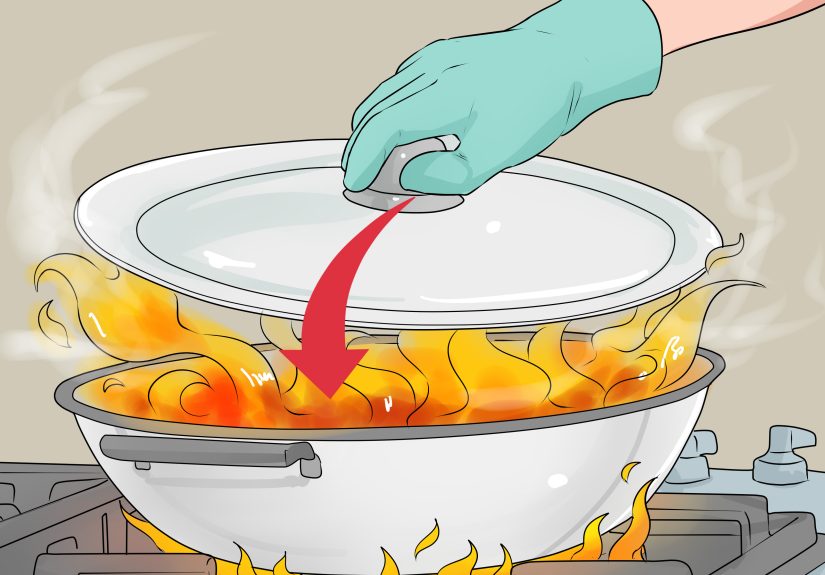
This sounds almost too simple, but it matters. A properly sized metal lid or baking sheet can help smother a small pan fire if one starts. You do not want to be rummaging through cabinets while flames audition for a disaster movie. Keeping a lid close by is one of those tiny habits that pays off big.
Just as important, know what not to do: never throw water on a grease fire. If a small grease fire starts, cover it if it is safe to do so, turn off the heat if you can, and leave the pan covered. If the fire does not go out immediately, get everyone out and call 911. Hero mode is overrated.
6. Wear close-fitting clothes and tie back long hair
Flowy sleeves may look charming right up until they drift over a burner. Loose clothing can catch fire surprisingly fast, especially when you are leaning over the stove, reaching into the oven, or carrying hot food across a crowded kitchen. The safer move is to wear short sleeves or fitted sleeves while cooking, and tie back long hair.
This is also a good reason to skip hanging scarves, extra-loose robes, or anything that turns your dinner routine into a fabric hazard. You are making tacos, not testing fate.
7. Keep the stove, oven, and hood clean
Grease buildup is not just gross. It is fuel. When grease accumulates on burners, drip pans, oven walls, filters, and range hoods, it increases the chance that a flare-up will spread or that smoke and heat will become more intense. Regular cleaning lowers fire risk and makes your kitchen equipment work better too.
You do not need a dramatic deep-clean every day, but you do need consistency. Wipe spills after cooking, clean greasy surfaces before they harden into a science project, and check the range hood filter on a regular schedule. Future you will be grateful, and so will the smoke alarm.
8. Turn pot and pan handles inward
Pan handles sticking out over the edge of the stove are an accident waiting to happen. They can be bumped by adults, grabbed by children, brushed by a sleeve, or smacked by an enthusiastic pet tail. Turning handles inward reduces the chance of hot oil, boiling water, or heavy cookware tipping over.
This one step helps prevent both fires and burns, which makes it a high-value safety habit. Use back burners when possible, especially if children are nearby. It is a small adjustment that can prevent a very big problem.
9. Create a kid-free and pet-free zone
Busy kitchens and roaming little feet do not mix well. Keep children and pets at least a few feet away from the stove and oven when cooking is happening. A curious child can grab a handle, tug a towel, or reach for something hot before you can react. A pet can weave around your legs at the exact moment you are draining pasta or moving a skillet.
Set the rule early and keep it consistent. The cooking area is a no-play zone. This does not make you mean. It makes you the kind of person who prefers dinner without a trip to the emergency room.
10. Do not cook when you are sleepy, impaired, or distracted
If you are exhausted, ill, have been drinking alcohol, or took medicine that makes you drowsy, it is a bad time to fry anything. Even routine cooking tasks require attention, timing, and quick judgment. When your brain is operating in power-save mode, mistakes are more likely.
On nights like that, choose a safer option: microwave something, eat cold leftovers, make a sandwich, or order takeout if that is in the budget. No one wins a medal for pan-searing chicken while half asleep. Smart cooking includes knowing when not to cook.
11. Use kitchen appliances safely
Kitchen fires are not limited to the stovetop. Toasters, air fryers, toaster ovens, coffee makers, and electric skillets all generate heat and need room to breathe. Follow the manufacturer’s instructions, keep appliances on stable surfaces, and do not crowd them with paper, plastic, or cloth. Avoid using extension cords for major kitchen appliances unless the manual specifically allows it.
Check cords for damage, unplug small appliances when not in use if recommended, and keep crumbs and grease from piling up inside machines. Appliances are helpful, but they are not magical. They still require maintenance and common sense.
12. Install and maintain smoke alarms the right way
Smoke alarms are a backup layer of protection, not a substitute for careful cooking. They should be installed and maintained properly, including being tested regularly. In and near the kitchen, placement matters because alarms too close to cooking appliances can cause nuisance alarms, and people sometimes make terrible decisions like removing batteries or disabling the unit altogether.
Keep smoke alarms working, replace them as recommended, and never disable one just because bacon exists. A working alarm gives you and everyone else in the home crucial warning time if a fire starts and spreads beyond the kitchen.
13. Have a simple kitchen fire plan
Prevention is the goal, but preparation matters too. Keep a fire extinguisher rated for kitchen use where it is easy to reach, and make sure adults in the home know how to use it. Keep emergency numbers available, know two ways out of your home, and make sure everyone understands the rule: if a fire grows, creates a lot of smoke, or does not go out fast, get out and call 911.
Your plan does not need to be dramatic or complicated. It just needs to be clear. Panic loves confusion. Preparation hates it.
Common Kitchen Fire Mistakes to Avoid
Even careful people slip into risky habits without realizing it. A few of the most common mistakes include walking away from food “for a second,” leaving paper towels near the stove, using a wet potholder, wearing loose sleeves, letting grease build up, and silencing smoke alarms instead of fixing the real problem. Another big one is multitasking too aggressively. Cooking while helping with homework, taking a work call, unloading groceries, and texting your cousin back at the same time is how little problems become loud ones.
Kitchen safety does not require fear. It requires attention. A calm, organized kitchen is a safer kitchen.
Conclusion
If you want to know how to prevent a kitchen fire, the answer is not one giant trick. It is a collection of steady, sensible habits: stay in the kitchen, watch grease carefully, keep flammable items away, clean up buildup, use timers, maintain smoke alarms, and avoid cooking when you are too tired or distracted. That is the real secret. Fire prevention lives in the small choices you make before anything goes wrong.
The best kitchens are not just places where food turns out well. They are places where people feel safe, confident, and prepared. Learn the habits, practice them often, and your kitchen will be known for good meals instead of unnecessary excitement.
Real-World Experiences and Lessons From Everyday Kitchens
Anyone who has spent enough time cooking has a near-miss story, and those stories are often the reason people finally take kitchen fire safety seriously. One of the most common experiences is the “I only left for a minute” moment. Someone puts oil in a skillet, walks away to answer the door, and comes back to a pan smoking like it is sending distress signals to the neighborhood. That kind of experience sticks with you because it feels so ordinary. Nothing dramatic happened before the risk appeared. That is what makes kitchen fires sneaky. They do not always begin with chaos. They often begin with routine.
Another familiar lesson comes from holiday cooking. On big food days, kitchens get crowded, counters disappear under ingredients, and people start treating the stovetop like extra storage. A tray lands too close to a burner. A dish towel gets draped over the oven handle. Someone is basting, someone is baking, someone is opening the fridge every nine seconds, and suddenly the room is one bad decision away from flames. People often remember these close calls because they reveal how quickly “festive” can become “fire hazard with side dishes.”
Families with children usually learn another truth fast: pot handles matter. Many parents and grandparents can remember the first time a child reached up toward a pan handle or tried to “help” at exactly the wrong moment. That is why experienced home cooks turn handles inward almost automatically. It is not paranoia. It is pattern recognition. The same goes for pet owners who have learned that a dog underfoot while carrying hot food is not adorable; it is a moving obstacle with excellent timing and zero safety awareness.
Then there is the lesson of fatigue. Plenty of people discover their worst kitchen decisions happen at the end of a long day. They are tired, hungry, and trying to make something fast. They forget the burner is on. They leave food in the oven too long. They set down packaging too close to heat. Experience teaches that being “good at cooking” is not the same as being safe while cooking. Even confident cooks make mistakes when they are distracted or exhausted.
Perhaps the most useful experience of all is the moment someone realizes that prevention is easier than response. Keeping a lid nearby, wiping grease before it builds up, using a timer, and checking smoke alarms may seem boring right up until the day those habits save time, money, and stress. Most people who have had a close call do not become fearful cooks. They become smarter cooks. They stop trusting luck and start trusting systems. And that is really what kitchen fire prevention is: not panic, not perfection, just smart routines repeated often enough that safety becomes part of how the kitchen works every single day.