Table of Contents >> Show >> Hide
- Step 1: Choose the Right Dwarf Pineapple Plant
- Step 2: Use a Pot and Soil Mix That Drain Fast
- Step 3: Give It Bright Light and Warm Temperatures
- Step 4: Water Carefully Without Drowning the Roots
- Step 5: Feed Lightly but Regularly During Active Growth
- Step 6: Watch for Flowering, Fruit, and Pups
- Step 7: Harvest, Divide Pups, and Start Again
- Common Mistakes to Avoid
- Conclusion
- Real-World Growing Experience: What the Process Usually Feels Like
- SEO Tags
If you have ever looked at a pineapple and thought, “This fruit seems dramatic enough to deserve its own throne,” good news: dwarf pineapples totally agree. These compact tropical plants bring spiky leaves, a bright ornamental vibe, and tiny adorable fruit that looks like it belongs in a dollhouse designed by a botanist. Better yet, learning how to grow dwarf pineapples is not nearly as intimidating as it sounds.
Dwarf pineapples are usually sold as ornamental pineapple types, and while they are related to the full-size grocery-store pineapple, they are grown more for their compact size, bold foliage, and cute fruit than for dessert. That said, they still want the same tropical basics: warmth, light, drainage, and a grower who does not confuse “tropical” with “please drown me.”
This guide breaks the process into seven simple steps, from choosing the right plant to handling flowering, pups, and harvest. Along the way, you will also learn the most common mistakes, what real growing progress looks like, and why patience is not optional. Pineapple plants move at their own speed. They are not lazy. They are just committed to a slow, prickly masterpiece.
Step 1: Choose the Right Dwarf Pineapple Plant
The first step is picking the right starting material. When shopping, you may see labels such as dwarf pineapple, ornamental pineapple, or mini pineapple. In many garden centers, these are sold as decorative bromeliad relatives with compact growth and small fruit. Some gardeners start from crowns, while others buy a young potted plant or offsets, often called pups.
Best options for beginners
If this is your first attempt, buy a healthy nursery plant or a well-rooted pup. Starting from an established plant usually saves time and reduces the risk of rot during rooting. If you are using a crown, make sure it comes from healthy fruit with firm leaves and no mushy center. A sad, brown, collapsing crown is not a bargain. It is a warning label in disguise.
What to look for
Choose a plant with stiff, upright leaves, clean foliage, and no signs of mealybugs, scale, or mushy tissue near the base. Small cosmetic blemishes are not the end of the world, but a soft stem or sour smell usually means trouble. Pineapple plants are in the bromeliad family, and like many bromeliads, they eventually flower once, fruit, and then produce pups to continue the cycle. That means a healthy young plant is really the beginning of a whole little pineapple dynasty.
Step 2: Use a Pot and Soil Mix That Drain Fast
If there is one rule that matters more than any other in dwarf pineapple care, it is this: do not let the roots sit in soggy soil. Pineapples like moisture, but they hate swampy conditions. Think “tropical hillside,” not “forgotten sponge.”
The right container
Use a pot with drainage holes. That is non-negotiable. A terra-cotta pot can be especially helpful because it dries more quickly than plastic, though either material works if the mix drains well. Start with a container that fits the root ball comfortably; oversized pots hold too much moisture and can make rot more likely.
The right potting mix
A loose, airy mix is ideal. A good home-grower blend might include standard potting mix plus extra perlite, coarse sand, or fine orchid bark. The goal is fast drainage with enough organic matter to support steady growth. Slightly acidic to mildly acidic conditions are generally preferred, and compacted soil is the enemy. If water sits on top instead of soaking through, your mix is too heavy.
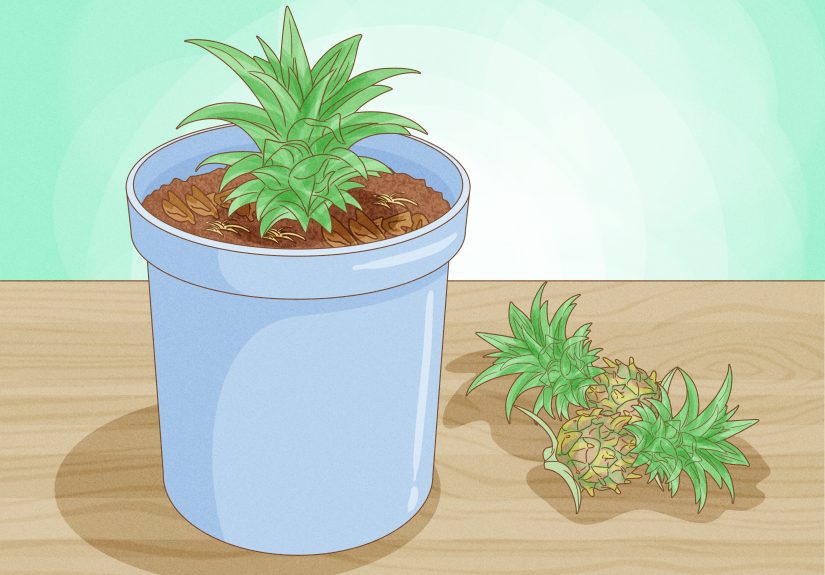
If you are planting a crown, strip off a few of the lower leaves, let the cut end dry for several days to about a week, and then plant it shallowly into moist, well-drained mix. That drying period is boring, yes, but it helps reduce the chance of rot. Sometimes the best gardening move is simply doing nothing for a little while.
Step 3: Give It Bright Light and Warm Temperatures
Dwarf pineapple plants are not shy about their lighting preferences. They want bright light, lots of it, and preferably the kind that makes other houseplants complain to management.
Indoor light needs
Place your plant near a sunny south- or west-facing window if possible. Bright indoor light is essential for strong growth, good color, and eventual flowering. Outdoors, full sun works well in warm climates, but if you are moving a plant from indoors to outside, introduce it gradually so the leaves do not scorch. Pineapples enjoy strong light, but sudden change can still cause stress.
Temperature matters more than people think
These plants prefer warmth and slow down when temperatures dip too low. In general, they perform best in consistently warm conditions, and indoor growers should try to keep them comfortably above cool-draft territory. If you move your plant outside in summer, bring it back in before chilly fall temperatures arrive. Pineapples can survive brief stress better than they can thrive in it, and “survive” is not the same as “grow beautifully.”
Humidity helps too, especially indoors where heating or air conditioning can dry the air. You do not need to recreate a rainforest, but avoiding extremely dry air can make a noticeable difference in leaf quality and vigor.
Step 4: Water Carefully Without Drowning the Roots
Many gardeners lose dwarf pineapples not from neglect, but from affection expressed through excessive watering. It is the classic houseplant tragedy: “I loved it so much I turned it into soup.”
How often to water
Water when the top portion of the potting mix has dried out a bit. The exact timing depends on season, pot size, light, and indoor temperature. In active growth, the plant may need more frequent watering. In cooler months, it will usually need less. The mix should stay lightly moist but never wet for long periods.
How to water correctly
Water thoroughly, then let excess water drain away completely. Never leave the pot sitting in a saucer full of water. Good drainage is just as important as the water itself. If leaves begin yellowing from the bottom while the base feels soft, that is often a sign of overwatering. If the leaf tips crisp and the plant looks stalled, you may be waiting too long between drinks or exposing it to very dry air.
A dwarf pineapple is more forgiving of slight dryness than constant wetness. When in doubt, check the soil before watering again. Your finger is a better watering tool than optimism.
Step 5: Feed Lightly but Regularly During Active Growth
Dwarf pineapples are not the hungriest plants in the world, but they do appreciate regular feeding while actively growing. A little nutrition goes a long way toward fuller foliage, better color, and a stronger chance of flowering later on.
What fertilizer to use
A balanced liquid houseplant fertilizer diluted to half strength works well for many growers. During spring and summer, feed every few weeks to about once a month depending on the product label and how vigorously the plant is growing. Some gardeners also use a controlled-release fertilizer, but the important part is moderation. Too much fertilizer can burn roots or create weak, overly lush growth.
When to slow down
In fall and winter, reduce feeding if growth slows. A plant sitting in lower light and cooler indoor conditions is not going to use nutrients at the same pace it does in the bright warmth of summer. Forcing fertilizer on a resting plant is like handing three energy drinks to someone who is clearly trying to nap.
If leaves are pale and growth seems stalled during the active season, the plant may need more light, more warmth, or a modest feeding schedule. Fertilizer is helpful, but it cannot compensate for weak light or soggy roots. Good pineapple care is a team sport.
Step 6: Watch for Flowering, Fruit, and Pups
This is the part where growing dwarf pineapples gets fun. After enough maturity, the center of the plant produces a flower spike, then a small developing fruit. On ornamental or dwarf forms, the fruit is usually tiny compared to a supermarket pineapple, but visually it is a star. It looks like a tropical trophy you accidentally won by being patient.
How long does it take?
Pineapples are slow growers. A plant started from a crown may take well over a year, sometimes closer to two years, before flowering under home conditions. An established pup or nursery-grown plant may reach that stage faster. Growth rate depends heavily on warmth, light, and consistent care.
What if it refuses to bloom?
If your plant is mature but still sulking, give it more light and make sure temperatures are warm enough. Some growers use a classic bromeliad trick: placing the mature plant in a clear bag with a ripe apple for a couple of days. As the apple releases ethylene, it can help encourage blooming in mature bromeliads. This is not magic, and it should only be tried on a healthy, mature plant, but it is one of those delightfully weird gardening hacks that actually has science behind it.
Do not panic when the parent plant ages
After flowering and fruiting, the mother plant will gradually decline. That sounds sad, but it is normal for bromeliads. Before fading out, it often produces pups at the base. These offsets can be left in place for a fuller clump or separated once they are roughly one-third to one-half the size of the parent and have some roots of their own. In other words, the plant is not quitting. It is just delegating.
Step 7: Harvest, Divide Pups, and Start Again
The last step is where your dwarf pineapple project turns from a one-time novelty into an ongoing collection. Once the fruit is fully colored and attractive, you can enjoy it on the plant for ornamental value or harvest it depending on the variety and your goals.
Harvesting the fruit
On many dwarf or ornamental forms, the fruit is small and more decorative than satisfying at snack time. Still, it is a genuine reward for your effort. Use a clean blade or pruners to remove the fruiting stalk. If the plant is being grown mainly for looks, there is no rush. The tiny fruit can remain showy for quite a while.
Dividing pups
Once pups are large enough, gently remove them with a clean knife or pruners, keeping as much base tissue and root as possible. Pot them into the same fast-draining mix used for the parent. Keep them slightly shadier and a bit more humid while they settle in, but do not keep the mix soggy. Soon enough, each pup becomes its own independent pineapple plant with opinions, spines, and future fruit ambitions.
This is the real secret to growing dwarf pineapples successfully: one plant often turns into several over time. What starts as a fun container plant can become a repeatable, satisfying cycle that keeps your windowsill looking like a tiny tropical rebellion.
Common Mistakes to Avoid
The biggest mistake is overwatering, but it is far from the only one. Weak light is another major issue. A pineapple that sits in a dim corner may stay alive, but it will not look impressive or grow with much enthusiasm. Poor drainage, oversized pots, cold drafts, and overfertilizing also create problems quickly.
Another common mistake is expecting speed. Dwarf pineapples are not fast-turnaround plants. They reward consistency more than fussing. If you keep digging around the roots, moving the pot every week, or changing the entire care routine whenever one leaf bends the wrong way, you may be the drama in this relationship.
Pests such as mealybugs, scale, and spider mites can occasionally appear, especially indoors. Check the leaf bases and undersides regularly. Catching problems early is much easier than battling a full-blown infestation after the plant has turned into a bug timeshare.
Conclusion
Learning how to grow dwarf pineapples comes down to mastering a few core ideas: use a fast-draining mix, give the plant strong light, keep it warm, water with restraint, and feed lightly during active growth. From there, the process becomes a long but rewarding wait for flowers, fruit, and the next generation of pups.
The charm of dwarf pineapples is not just that they are unusual. It is that they feel equal parts tropical houseplant, conversation piece, and slow-motion science experiment. You get structure, color, personality, and eventually fruit that looks almost too cute to be real. If you can handle a little patience and a few sharp leaves, this is one of the most entertaining plants you can grow at home.
Real-World Growing Experience: What the Process Usually Feels Like
For many home gardeners, the experience of growing a dwarf pineapple starts with pure excitement and a tiny bit of overconfidence. The plant is small, dramatic, and weirdly stylish, so it is easy to assume it will either grow quickly or somehow thrive on admiration alone. Then reality enters wearing gardening gloves. During the first few weeks, not much seems to happen above the soil. That can make beginners nervous, especially if they are used to fast-growing pothos, herbs, or vegetables that reward them every time they blink. Pineapples do not work that way. They settle in first. Quietly. Stubbornly.
The second phase is usually where growers start learning discipline. You water less than you think, move the plant to the brightest window in the house, and realize that “indirect bright light” was not enough after all. Many people notice the leaves get stronger, more upright, and richer in color once the light improves. This is also when growers begin to understand just how important drainage is. A pineapple in a loose, airy mix often looks calm and confident. A pineapple in dense, wet soil looks like it is writing a complaint letter.
After a few months, the emotional experience becomes surprisingly funny. You begin checking the center of the plant more often than necessary. Every tiny shift in the crown feels important. Is that new growth? Is that a flower spike? Is it plotting something? Pineapple growing has a way of turning reasonable adults into amateur detectives staring at a rosette with coffee in hand.
One of the most rewarding moments comes when the plant finally looks established and begins pushing stronger central growth. Even before flowering, there is a noticeable change in posture. The plant stops looking like it is merely surviving and starts looking intentional, architectural, almost confident. Guests ask about it. You get to casually say, “Oh, that’s my dwarf pineapple,” which is a wonderfully satisfying sentence.
Then comes the waiting game for bloom and fruit. This part teaches patience better than any self-help book ever could. Weeks stretch into months. Sometimes more than a year passes before anything dramatic happens. But when the center finally changes and a bloom or baby fruit begins to form, the entire project suddenly feels worth it. A tiny pineapple emerging from the middle of a spiky plant feels delightfully absurd in the best possible way.
Growers also often describe a mix of pride and confusion when the mother plant starts producing pups after fruiting. On one hand, it is exciting because the plant is reproducing. On the other hand, it feels like the plant has quietly launched a sequel without asking permission. Dividing and potting up those pups becomes part of the fun. By then, most gardeners are hooked. They are no longer just growing a novelty plant; they are managing a miniature pineapple family.
That is probably the most honest summary of the experience: growing dwarf pineapples is slow, slightly ridiculous, unexpectedly educational, and deeply satisfying. It is the kind of project that teaches restraint, observation, and patience while still rewarding you with a plant that looks like tropical sculpture. You start because it seems fun. You continue because the plant becomes a character in your home. And by the time you are potting up the next generation of pups, you realize the tiny pineapple was never the whole point. The real reward was learning how to grow something unusual well.