Table of Contents >> Show >> Hide
- First, a Very Important Reality Check: Is Water Lettuce Legal Where You Live?
- What Water Lettuce Does Well (When It’s Managed)
- Choosing the Right Setup: Pond vs. Aquarium
- Light: The Make-or-Break Ingredient
- Water Conditions: Temperature, Flow, and “Stop Spinning Me”
- Nutrients: Feeding Water Lettuce Without Starting an Algae Party
- How Water Lettuce Reproduces (and How You Stay in Charge)
- Planting and Placement Tips (Yes, Floating Counts as Planting)
- Overwintering Water Lettuce in Colder Climates
- Common Problems and How to Fix Them
- Safety Notes: Pets, Kids, and Skin Irritation
- Responsible Disposal: How to Remove Water Lettuce Without Creating a Problem
- of Real-World Experiences and “What People Usually Learn the Hard Way”
- Conclusion
Water lettuce sounds like something you’d toss into a salad, but Pistia stratiotes is strictly a “look-don’t-eat”
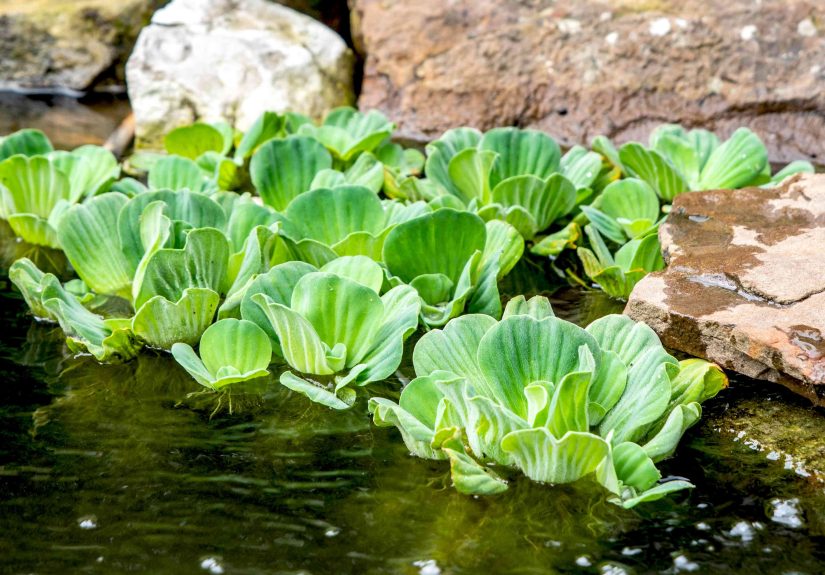
kind of plant. It’s a floating aquatic plant with soft, velvety, ribbed leaves that form a cute rosettelike a tiny green
rose that decided it prefers swimming to standing up. In ponds and aquariums, water lettuce can be gorgeous, helpful, and
surprisingly dramatic (yes, it will absolutely faint if you change conditions too fast).
This guide covers how to grow water lettuce successfully, keep it healthy, and control it responsiblybecause when water
lettuce is happy, it can multiply fast enough to make you wonder if it’s secretly working with a coupon printer.
First, a Very Important Reality Check: Is Water Lettuce Legal Where You Live?
Water lettuce is considered invasive in parts of the United States. Some states restrict or prohibit possession, sale, or
transport. Before you buy it for a backyard pond or aquarium, check your state’s rules (and any county or watershed rules,
too). This isn’t just a “cover yourself legally” tipreleasing water lettuce into natural waterways can cause real ecological
damage.
If it’s legal in your area, greattreat it like a decorative pet that never stops having babies. If it’s not legal, skip it
and choose a permitted floating plant alternative.
What Water Lettuce Does Well (When It’s Managed)
- Provides shade that can reduce sunlight for algae and keep fish cooler in summer.
- Absorbs nutrients (especially nitrogen and phosphorus), which can improve water clarity in balanced systems.
- Creates habitat with dangling roots that give fry and shy fish a place to hide.
- Looks fantastic in water gardens, patio ponds, and open-top aquariums.
The catch: if you let it cover most of the surface, you can reduce oxygen exchange, block light to submerged plants, and
create a stagnant “green lid” effect. Water lettuce is best when it’s a featured accent, not the entire cast.
Choosing the Right Setup: Pond vs. Aquarium
Water Lettuce in a Pond
Outdoor ponds are water lettuce’s happy placewarm temperatures, real sun, and lots of natural nutrients. The biggest pond
challenges are runaway growth, wind pushing plants into corners or skimmers, and seasonal temperature drops.
Pond pro tip: Aim to keep water lettuce at roughly 30–50% surface coverage. Enough to shade and beautify,
not enough to smother everything else.
Water Lettuce in an Aquarium
Aquariums work well if they’re open-top or have plenty of space above the waterline. Water lettuce hates being pressed into
a lid where humidity and splashing can damage leaves. It also dislikes strong surface agitation from hang-on-back filters
or powerheads that tumble it like laundry.
Aquarium pro tip: Use a floating ring (airline tubing works) to corral it away from filter flow, or baffle your
outflow to calm the surface.
Light: The Make-or-Break Ingredient
Water lettuce wants bright light. Outdoors, it generally prefers full sun, but in extreme heat it can appreciate dappled
afternoon shade to prevent leaf scorch. Indoors, strong aquarium lighting or a bright grow light is usually needed.
- Outdoor ponds: Full sun is great; provide partial shade during intense summer afternoons in very hot climates.
- Indoor aquariums: Medium-to-high light works best; weak lighting often causes tiny rosettes and slow growth.
- Photoperiod: A consistent daily schedule helps. Too little light = sulking. Too much light + high heat = crisping.
If your water lettuce is stretching, staying small, or losing older leaves quickly, lighting is one of the first things to
adjust.
Water Conditions: Temperature, Flow, and “Stop Spinning Me”
Temperature
Water lettuce is a warm-water plant. It grows best in tropical-to-subtropical conditions and struggles when water stays cold.
In most of the U.S., it’s treated as a seasonal outdoor plant unless you overwinter it indoors.
Practical range: If your water is comfortably warm for fish and your hands don’t go numb, water lettuce is usually okay.
If frost is in the forecast, water lettuce is not going to “tough it out.”
Water Flow
Gentle is the goal. Water lettuce prefers calmer water where it can float undisturbed. Strong currents can flip rosettes,
damage leaves, and cause the plant to rot where it stays wet on top.
- In ponds, position aerators and waterfalls so the strongest churn doesn’t blast the plants.
- In aquariums, baffle filter output and keep water lettuce out of direct flow.
Basic Water Quality
Water lettuce isn’t fussy about exact numbers in the way some sensitive plants are, but stability matters. Big swingslike
sudden temperature drops, dramatic pH shifts, or “I just did a massive clean and now everything is different”can cause leaf
melt and stalled growth.
Nutrients: Feeding Water Lettuce Without Starting an Algae Party
Water lettuce grows fast, which means it uses nutrients fast. In many ponds, fish waste and natural nutrient cycling are
enough. In aquariumsespecially lightly stocked tankswater lettuce may run out of nitrogen and micronutrients.
Signs it needs more nutrients:
- Pale or yellowing leaves (especially older leaves)
- Small rosettes that don’t size up
- Slow reproduction despite good light and warmth
How to fertilize safely:
- Start low and go slow. Use an aquatic plant fertilizer suitable for your setup and follow the label directions.
- In fish tanks, avoid over-fertilizing; excess nutrients can trigger algae. Monitor the tank and adjust gradually.
- In ponds, be cautious with fertilizerspond ecosystems can tip into algae blooms if nutrient levels spike.
The sweet spot is where water lettuce grows steadily and stays green, while the rest of your system remains balanced.
How Water Lettuce Reproduces (and How You Stay in Charge)
Water lettuce reproduces mainly by sending out short runners (stolons) that produce daughter plants. That’s why a small
starter cluster can become a floating carpet in a hurry. Under the right conditions, it can multiply very quickly.
To propagate intentionally:
- Let a healthy mother rosette produce daughter plants on a runner.
- When the baby plants are stable and have decent roots, gently separate them (or leave them connected for a natural look).
- Spread them out so they don’t stack on top of each other and trap moisture.
To control growth: Remove excess plants weekly during peak season. Think of it like mowing a lawnregular small trims beat
panic-removal later.
Planting and Placement Tips (Yes, Floating Counts as Planting)
- Just float it. Place rosettes on the surface with roots hanging down.
- Avoid soaking the leaves. Water lettuce prefers dry-ish leaves on top; constant splashing can cause rot.
- Give it space. Crowding encourages leaf damage, poor airflow, and the dreaded “wet blanket” effect.
- Quarantine when possible. New plants can bring hitchhikers like snail eggs or algae. A rinse and short observation period helps.
Overwintering Water Lettuce in Colder Climates
In most temperate U.S. regions, water lettuce won’t survive outdoors once water temperatures drop significantly. If you want
to keep it year to year, overwinter it indoors.
Simple Overwinter Plan
- Before the first frost, bring a small, healthy batch indoors (not the entire summer jungle).
- Use a tub or aquarium with warm water and bright light (a dedicated grow light works well).
- Keep surface agitation low so leaves stay mostly dry.
- Expect slower growth in winter; your goal is survival and steady health, not maximum expansion.
Many growers find that overwintering works best when you keep only a few strong rosettes and treat them like “starter stock”
for spring.
Common Problems and How to Fix Them
1) Yellow Leaves
Often a nutrient issue (especially low nitrogen or missing micronutrients), sometimes a light issue. Increase nutrients
gradually, confirm lighting is strong enough, and remove severely damaged leaves.
2) Brown, Crispy Patches (Leaf Scorch)
Usually too much direct sun combined with high heat, or sudden exposure to stronger light than the plant was used to. Provide
partial afternoon shade outdoors, or acclimate indoor plants slowly to brighter lights.
3) Mushy Bases or Rot
Common causes: constant splashing, overcrowding, poor airflow at the surface, or plants staying flipped/wet. Reduce surface
turbulence, thin the patch, and remove rotting plants promptly.
4) Tiny Rosettes That Never “Bulk Up”
This is classic low light or low nutrients (or both). Boost lighting intensity or duration and ensure the plant has access
to nutrientsespecially in lightly stocked aquariums.
5) Pests (Aphids Outdoors)
Outdoor water lettuce can attract aphids. The safest approach is mechanical: remove heavily infested plants, rinse with a
strong spray of water, and consider dunking plants briefly to dislodge pests. Avoid using garden insecticides near ponds or
aquariums unless you are absolutely sure they are aquatic-safe and appropriate for your setup.
Safety Notes: Pets, Kids, and Skin Irritation
Water lettuce is not a snack. Like many plants in its broader family group, it can be irritating if ingested, and some
people experience skin irritation after handling it. If you have curious pets or small children, treat water lettuce like a
“hands off” ornamental and wash your hands after maintenance. Wearing gloves is a smart move if you’re doing big cleanouts.
Responsible Disposal: How to Remove Water Lettuce Without Creating a Problem
Never dump water lettuce (or aquarium/pond water containing fragments) into storm drains, ditches, creeks, lakes, or any
natural waterway. Even small pieces can start new growth in the right conditions.
Better disposal options:
- Let removed plants dry completely in the sun, then bag and place in the trash.
- Compost only if your compost is secure and far from waterways (and the plant is fully dried first).
- Clean nets, buckets, and tools so fragments don’t hitchhike to other waterbodies.
of Real-World Experiences and “What People Usually Learn the Hard Way”
People who grow water lettuce successfully tend to share a few common experiencesespecially the moment they realize this
plant is both a beauty and a busybody. One of the most frequent stories goes like this: someone buys a small handful of
rosettes for a patio pond, loves the look, and comes back two weeks later to find the surface half covered. The plant didn’t
“randomly explode”it simply got warm water, strong sun, and nutrients, which is basically a motivational speech for water
lettuce.
Another common experience happens in aquariums: water lettuce looks amazing on day one, then starts melting by day five. In
many cases, the culprit is surface turbulence. Hang-on-back filters and strong outflows can keep flipping the plant or
splashing the leaves so they stay wet. Water lettuce leaves aren’t built for that “constantly misted by a tiny waterfall”
lifestyle. When aquarists add a floating ring to hold plants in a calmer corneror baffle the outflowthe difference can be
immediate: leaves stay intact, roots lengthen, and new rosettes start forming.
Pond keepers often learn that “more is not better” when it comes to surface coverage. A lush patch of water lettuce can make
the water look clearer by absorbing nutrients and shading algae, but if it turns into a full blanket, the pond can feel
stagnant. Many hobbyists report that fish behavior changes when the surface is completely sealed offfish may cluster in the
few open areas where oxygen exchange is better. The practical solution most people settle on is a weekly thinning routine:
scoop out extra plants and keep open lanes of water. It’s simple, and it prevents the frantic “I just removed three garbage
bags of plants” weekend.
Temperature surprises are another classic. In late summer, water lettuce can look unstoppablethen a sudden cool snap hits,
growth slows, and leaves start browning. Growers in cooler regions often treat water lettuce like an annual: enjoy it for the
season, then compost or discard it responsibly. Those who try overwintering indoors frequently discover it’s doable, but it
demands bright light and a calm surface. People who succeed usually overwinter only a small batch of healthy rosettes rather
than trying to save an entire pond’s worth. Think “starter culture,” not “moving day.”
Finally, a very real “experience lesson” is the legal and ecological side: many water gardeners only learn about restrictions
after they’ve already fallen in love with the plant. The best hobbyists pivot quicklyeither swapping to legal alternatives
or committing to extra careful containment and disposal where it’s permitted. Water lettuce can be a great plant when managed
like a responsible gardener, and a real problem when treated like a harmless freebie. The growers who love it long-term are
the ones who keep it beautiful and keep it contained.
Conclusion
Water lettuce is one of the easiest ways to add a lush, tropical look to a pond or aquariumprovided you give it strong
light, warm water, gentle surface conditions, and enough nutrients to stay green. The ongoing “care” is mostly about
management: trimming it back before it takes over, keeping leaves from staying wet, and disposing of extras responsibly.
Do that, and water lettuce becomes a reliable, fast-growing floater that makes your water feature look like it belongs in a
resort brochure (minus the overpriced poolside nachos).