Table of Contents >> Show >> Hide
- Meet the Arrowhead Vine: What It Is and Why It’s So Easy to Love
- Light: The Secret Sauce for Great Color and Strong Growth
- Watering: Keep It Moist, Not Marshy
- Soil and Pots: Give the Roots Air, Not a Sponge
- Temperature and Humidity: Tropical-ish, Not a Sauna
- Feeding, Pruning, and Training: How to Keep It Full (Not Wild)
- Repotting: The 2-Year Checkup
- Propagation: Turn One Plant into Three (Without a Lab Coat)
- Common Problems (and the Fixes That Actually Work)
- Safety and Outdoor Considerations
- Quick FAQ
- Real-Life Experiences Growing Arrowhead Vine (The “I Learned This So You Don’t Have To” Section)
The arrowhead vine (also called arrowhead plant or Syngonium podophyllum) is the kind of houseplant that makes you look like you have your life together.
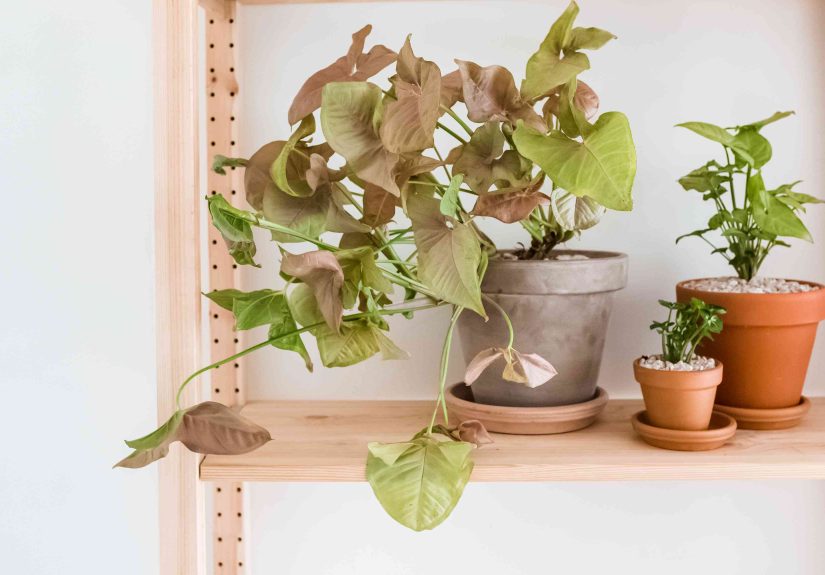
It grows fast, forgives a few missed waterings, and shows off with cute arrow-shaped leaves that can be green, pink, cream, or splashed like a tiny tropical watercolor.
Put it on a shelf and it trails. Give it a pole and it climbs. Either way, it has “I live in a stylish apartment” energy.
This guide covers everything you need to grow a happy arrowhead vine: light, watering, soil, humidity, pruning, repotting, propagation, troubleshooting, and a few “learned-the-hard-way” tips at the end.
You’ll finish with a care routine that’s simple, repeatable, and flexiblebecause you have a schedule, and your plant should respect that.
Meet the Arrowhead Vine: What It Is and Why It’s So Easy to Love
Quick ID: the “arrowhead” look
When it’s young, this plant usually makes simple, arrow-shaped leavespointy, crisp, and totally on theme.
As it matures (especially if it climbs), it can develop more complex, lobed or divided leaves. That leaf “glow-up” is one of the most satisfying parts of growing syngonium.
Growth habit: trailing, climbing, or bushy (your choice)
Arrowhead vine is naturally a climber with aerial roots. Indoors, you can keep it compact and bushy by pinching and pruning,
or let it trail from a hanging pot, or train it up a moss pole for bigger leaves and a more mature look.
It’s basically three plants in oneno subscription required.
Light: The Secret Sauce for Great Color and Strong Growth
Best light indoors
Aim for bright, indirect light. Think “near a window, but not sunbathing on the windowsill.”
Too much direct sun can bleach or scorch leaves, while low light slows growth and can make stems stretch out and look leggy.
A spot a few feet back from an east- or west-facing window is often perfect.
Variegated varieties need a bit more brightness
If your arrowhead vine has white, cream, or pale-pink variegation, brighter indirect light helps it keep that pattern.
In dim light, many variegated plants start producing greener leaves (the plant’s way of saying, “I’m trying to photosynthesize here”).
If you’re short on window space, a simple grow light can work wonders.
Light troubleshooting in real life
- Leggy growth: usually not enough light. Move it a little closer to a window.
- Bleached patches: likely too much direct sun. Pull it back or add a sheer curtain.
- Small leaves: can be low light, low nutrients, or the plant needing a prune-and-reset.
Watering: Keep It Moist, Not Marshy
The easiest watering rule: the “finger test”
Arrowhead vine likes soil that stays lightly moist, but it hates sitting in soggy mix.
Use the low-tech method that works: stick a finger into the soil. If the top inch or two feels dry, water.
If it’s still damp, wait. Your plant doesn’t need daily attentionit needs good timing.
Seasonal rhythm (because plants also have winter moods)
In spring and summer, arrowhead vines typically drink more as they grow. In fall and winter, they slow down,
so watering often drops. The goal is consistency: thorough watering (until it drains) followed by a
short dry-down at the top before the next watering.
Drainage is non-negotiable
Choose a pot with drainage holes. If you love a decorative cachepot, keep the plant in a plastic nursery pot inside it,
and always dump leftover water. “It’s fine” is not a drainage strategy.
Soil and Pots: Give the Roots Air, Not a Sponge
What kind of potting mix works best?
Use a well-draining houseplant mix. Arrowhead vines do well in soil-based potting mixes,
but they’re happiest when extra drainage is built in.
A simple upgrade: mix standard potting soil with perlite and a chunky amendment (like orchid bark) so water moves through easily.
You want “moist cake,” not “wet oatmeal.”
Picking a pot
- Size: Don’t jump to a huge pot. Go 1–2 inches wider when repotting.
- Material: Terracotta dries faster (great if you overwater), plastic holds moisture longer (great if you forget).
- Shape: If you want it to climb, choose a pot that can support a stake or moss pole without tipping.
Temperature and Humidity: Tropical-ish, Not a Sauna
Comfortable temperatures
Most homes are perfect: think roughly 60–80°F. Avoid cold drafts, blasting vents, or windows that turn into ice cubes at night.
If you move your plant outdoors in warm months, bring it back inside before temperatures drop too low.
Humidity: helpful, not mandatory (but your plant will applaud)
Arrowhead vine appreciates higher humidity and can look noticeably fresher with it, especially in winter heating season.
You don’t need a rainforestjust a boost. Try:
- Pebble tray: set the pot on pebbles in a shallow tray with water below the pot base.
- Group plants: plants create a tiny humidity zone together.
- Humidifier: the deluxe option, especially if your air is very dry.
Feeding, Pruning, and Training: How to Keep It Full (Not Wild)
Fertilizer: little and often (during growth)
During spring and summer, a monthly feeding with a balanced houseplant fertilizer diluted to half strength
is usually plenty. In fall and winter, you can reduce or pause feeding since growth slows.
If your plant is putting out tiny leaves or growing slowly in good light, light feeding can help.
Pruning for a bushier look
If your arrowhead vine starts looking like a long vine with leaves only at the ends, it’s time for a trim.
Cut just above a node (where leaves attach). New growth often branches from that area, giving you a fuller plant.
Bonus: those cuttings can become new plants (see propagation below).
Train it to climb for “mature leaf” vibes
Want bigger leaves and a more architectural shape? Give it support: a moss pole, trellis, or stake.
As it climbs, it’s more likely to develop the mature, more divided leaf form. It’s like the plant’s promotion to management.
Repotting: The 2-Year Checkup
How often?
Many arrowhead vines do well being repotted every 2–3 years, or sooner if the plant dries out too quickly,
roots circle the bottom, or growth stalls even with good light and feeding.
Simple repot steps
- Water the plant the day before (slightly damp roots handle change better).
- Slide it out by holding the root balldon’t yank the stems.
- Loosen tightly bound roots gently with your fingers.
- Move up one pot size with fresh, airy mix.
- Water thoroughly and place it back in bright, indirect light.
Propagation: Turn One Plant into Three (Without a Lab Coat)
Method 1: Stem cuttings in water
This is the crowd favorite because you can watch roots form. Here’s how:
- Choose a healthy vine and cut a 4–6 inch piece with at least one node.
- Remove leaves that would sit in water (submerged leaves rot).
- Place the node in a clean jar of water; keep leaves above the water line.
- Put it in bright, indirect light. Refresh water regularly.
- When roots are a couple inches long, pot it into moist (not soggy) soil and keep it evenly moist for the first few weeks.
Method 2: Stem cuttings directly in soil
If you’d rather skip the water step, plant cuttings in a small pot of pre-moistened mix.
Keep the soil lightly moist and the cutting in bright, indirect light. A clear plastic bag loosely placed over the pot
can help hold humidity while roots formjust don’t seal it airtight like you’re storing leftovers.
Method 3: Division
If your plant is thick and multi-stemmed, you can divide it while repotting.
Gently separate the root ball into sections (each with stems and roots), and pot them up.
This method gives you instant “new plants,” but it can feel a little like plant surgerygo slow.
Common Problems (and the Fixes That Actually Work)
Yellow leaves
- Most common cause: too much water or poor drainage.
- Fix: let soil dry a bit more between waterings, check drainage holes, consider a chunkier mix.
- Also normal: an occasional older leaf yellows as the plant grows. One leaf? Probably fine. Ten leaves? Investigate.
Brown, crispy tips or edges
- Common causes: low humidity, underwatering, or inconsistent watering.
- Fix: water more consistently, add a humidifier/pebble tray, and keep it away from heating vents.
Drooping leaves
- Underwatered: leaves may droop and perk up after a thorough watering.
- Overwatered: droop plus soggy soil can mean root stresslet it dry and consider repotting if the mix stays wet for too long.
Pests: the usual tiny troublemakers
Indoors, watch for spider mites, mealybugs, and aphids. Early signs include stippling, sticky residue, webbing, or cottony clusters.
Start simple: rinse leaves, wipe with a damp cloth, and isolate the plant. If needed, use an insecticidal soap according to label directions.
Keeping the plant healthy (proper light + not-too-wet soil) is your best long-term pest prevention plan.
Leaf spot, rot, and other “uh-oh” issues
Many fungal/bacterial problems trace back to too much moisture, poor airflow, or waterlogged soil.
Remove damaged leaves, improve airflow, and avoid splashing water on foliage late in the day.
If stems feel mushy or roots smell bad, repot immediately into fresh, well-draining mix and trim away rotten roots.
Safety and Outdoor Considerations
Toxicity: keep away from pets and small kids
Arrowhead vine contains irritating calcium oxalate crystals and is considered toxic if chewed.
If you have pets who sample your plants like they’re at a salad bar, keep syngonium out of reach.
If chewing happens, contact your veterinarian for guidance.
Outdoor growing: warm zones, but be responsible
In very warm climates (often USDA zones 10–12), arrowhead vine can live outdoors.
However, in places like Florida it’s known to escape cultivation and behave invasively.
If you live in a warm area, avoid planting it in the ground, don’t dump trimmings outdoors, and dispose of plant material responsibly.
Your future self (and local ecosystems) will thank you.
Quick FAQ
Can arrowhead vine handle low light?
It can tolerate low light, but growth will slow and stems may stretch. For the best shape and color, brighter indirect light is better.
Should I mist my arrowhead vine?
Misting is optional and usually short-lived. For real humidity help, use a pebble tray, plant grouping, or a humidifier.
Why is my arrowhead vine losing variegation?
Usually not enough light. Move it to brighter indirect light and consider a grow light, especially in winter.
How do I make it fuller?
Prune above nodes and replant cuttings back into the same pot once rooted. Think of it as “haircut + extensions,” but botanical.
Real-Life Experiences Growing Arrowhead Vine (The “I Learned This So You Don’t Have To” Section)
The first arrowhead vine I ever took seriously lived on a bookshelf that I swore was “bright enough.”
It was bright enough… for me to read a book. Not bright enough for a tropical vine that wants to photosynthesize like it’s training for the Olympics.
Within a month, it started reachinglong stems, bigger gaps between leaves, and a general vibe of “I’m searching for the sun.”
I moved it two feet closer to a window (still out of direct sun), and the change was immediate: shorter internodes, fuller growth, and leaves that looked like they came from a plant influencer’s feed.
Lesson: light is not a yes/no question. Sometimes your plant just needs a small relocation, not a full moving truck.
My second big lesson was watering. Arrowhead vines like consistent moisture, and I… like forgetting things.
I tried to compensate by “watering extra” when I remembered, which is a fancy way of saying I occasionally turned the pot into a swamp.
The plant responded by dropping a few yellow leaves like it was dramatically quitting my household.
Once I switched to the finger testchecking the top inch or two before wateringthe plant stopped complaining.
Now I water thoroughly, let it drain, and don’t water again until the top layer dries a bit. It’s boring. It works.
Lesson: consistency beats intensity. Your plant wants a routine, not surprise pool parties.
Then came the moss pole experiment. I’d kept my syngonium trailing for months, and it looked cute, but a little wildlike it had secrets.
I added a small pole and loosely tied a few stems to it. Within weeks, it started pushing larger leaves and sturdier stems.
It also looked more “designed,” like a plant you’d see in a well-styled living room instead of a plant you rescued from the clearance rack.
Lesson: support changes the whole personality of an arrowhead vine. Trailing is playful. Climbing is sophisticated.
Propagation was the part that made me feel like a plant wizard. I took a few cuttings, rooted them in water, and watched tiny roots appear like little white commas.
The mistake I made once: I left a leaf under the water line. It got mushy, the water turned sad, and the jar smelled like regret.
Now I always keep leaves above water and only submerge nodes. When roots are a couple inches long, I pot them up and keep the soil lightly moist at first.
Replanting a few cuttings back into the original pot is the fastest way to make a plant look fuller without buying another one.
Lesson: nodes are everything, and leaves do not belong underwater unless they’re a seaweed salad.
Finally, there’s the “pet and placement” reality check. Arrowhead vines are not the best choice for homes where curious cats, dogs,
or toddlers treat plants like interactive exhibits. I learned to put mine on a higher shelf and choose hanging planters in rooms where pets roam.
It’s not about fearit’s about good setup. When the plant is in the right spot, you stop worrying and start enjoying it.
Lesson: the best plant care tip is sometimes furniture arrangement.
Arrowhead vine succeeds when you give it three basics: bright indirect light, a pot that drains well, and watering that’s steady (not extreme).
Add a little humidity, occasional fertilizer, and a haircut now and thenand it will reward you with fast growth, gorgeous leaves, and the quiet satisfaction of keeping something alive on purpose.