Table of Contents >> Show >> Hide
- 14 Steps to Brighter, More Luminous Skin
- 1. Accept that glow comes from healthy skin, not from erasing melanin
- 2. Wear sunscreen every single day
- 3. Stop tanning on purpose
- 4. Cleanse gently, not aggressively
- 5. Moisturize like you mean it
- 6. Exfoliate carefully to remove dull buildup
- 7. Add vitamin C in the morning
- 8. Use a retinoid at night for tone and texture
- 9. Consider niacinamide or azelaic acid for dark spots and redness
- 10. Treat acne and irritation quickly
- 11. Patch-test new products and avoid mystery “whitening” creams
- 12. Sleep, eat well, and stop smoking
- 13. Use professional treatments for stubborn pigmentation
- 14. Be patient and stay consistent
- A Simple Routine for Luminous, Fair-Looking Skin
- Common Mistakes That Make Skin Look Darker or Duller
- What “Luminous Pale Skin” Really Means
- Experience Notes: What This Looks Like in Real Life
- Conclusion
If you clicked this hoping for a magic cream that turns you into a Victorian porcelain doll by Tuesday, I have both good news and reality for you. The good news: you absolutely can make your skin look brighter, smoother, more even, and more luminous. The reality: healthy skin does not come from harsh bleaching, random DIY acid experiments, or chasing “pale” at all costs. It comes from protecting your natural skin tone, preventing tanning and dark spots, calming inflammation, and building a routine your face doesn’t want to file a complaint about.
So let’s define the goal properly. In practice, “luminous pale skin” usually means skin that looks clear, calm, even-toned, hydrated, and less sun-darkened. For some people, that means maintaining fair skin. For others, it means returning to their natural tone after tanning, acne marks, friction, irritation, or too much time treating sunscreen like an optional personality trait. In other words, we are aiming for healthy radiance, not dangerous bleaching.
Here are 14 practical, dermatologist-friendly steps that can help you get there.
14 Steps to Brighter, More Luminous Skin
1. Accept that glow comes from healthy skin, not from erasing melanin
The first step is mindset. Skin gets its color from melanin, and your natural skin tone is not a flaw to fix. What you can improve is dullness, tanning, rough texture, blotchiness, post-acne marks, and uneven pigmentation. That is where real progress happens.
If your skin looks darker than you want, the issue may not be your baseline complexion. It may be sun exposure, inflammation, dehydration, or a damaged skin barrier. Fix those first. Healthy skin almost always looks brighter than irritated skin, no matter the shade.
2. Wear sunscreen every single day
If luminous pale skin had a CEO, sunscreen would be sitting in the corner wearing a blazer and taking credit for everything. Daily sunscreen is the most important step because UV exposure causes tanning, dark spots, roughness, and premature aging. If you are trying to stay fair or return to your natural tone, skipping sunscreen is like mopping the floor while the sink is still overflowing.
Choose a broad-spectrum sunscreen with SPF 30 or higher. Apply it every morning, even when it is cloudy, even if you are driving, and even if your day’s big outdoor plan is “walk to the mailbox with dramatic purpose.” If you are outside for long periods, reapply every two hours. If you swim or sweat, reapply sooner.
3. Stop tanning on purpose
This is where many skin goals quietly go to die. If you spend weekends “getting a little color,” your skin is not receiving a beauty treatment. It is receiving UV damage with a vacation soundtrack.
A tan is your skin’s defense response to ultraviolet exposure. That means if your goal is a luminous, lighter-looking complexion, tanning works against you by deepening pigment and encouraging uneven tone over time. Avoid tanning beds too. They are not a sophisticated shortcut. They are just indoor bad decisions with fluorescent lighting.
4. Cleanse gently, not aggressively
People often assume brighter skin requires harsh scrubbing. Usually, it requires the opposite. Over-cleansing and abrasive scrubs can trigger irritation, dryness, redness, and more post-inflammatory pigmentation. The result is not luminous pale skin. The result is a cranky face.
Use a gentle cleanser morning and night. If you wear makeup or water-resistant sunscreen, remove it thoroughly in the evening, then follow with a mild cleanser. Your skin should feel clean after washing, not squeaky, tight, or spiritually betrayed.
5. Moisturize like you mean it
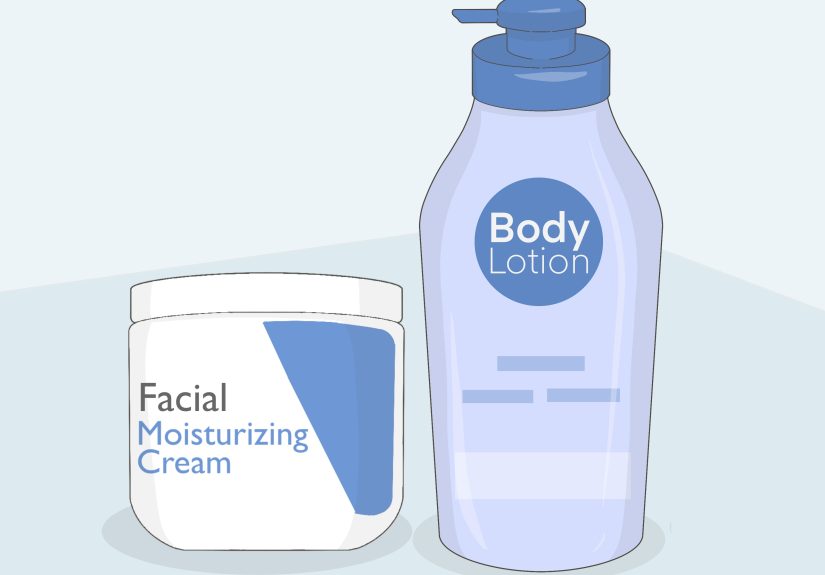
Luminous skin is hydrated skin. When your moisture barrier is healthy, light reflects better off the surface, and your face looks smoother, plumper, and more even. When your barrier is damaged, skin can look rough, flaky, dull, and darker in patches.
Look for a fragrance-free moisturizer with ingredients such as ceramides, glycerin, hyaluronic acid, petrolatum, or niacinamide. If your skin feels dry after active ingredients like retinoids or exfoliating acids, moisturizing becomes even more important. Think of moisturizer as the stage crew that makes the stars look good.
6. Exfoliate carefully to remove dull buildup
A little exfoliation can make a big difference because dead skin cells can leave your complexion looking flat and tired. But the keyword is little. Gentle chemical exfoliants usually beat harsh scrubs, especially for the face.
Alpha hydroxy acids such as glycolic acid or lactic acid can help improve texture and the appearance of uneven pigmentation. Start slowly, about one to two times per week, and see how your skin responds. More is not always more. Sometimes more is just redness in a fancy bottle.
7. Add vitamin C in the morning
Vitamin C is one of the most useful ingredients for a brighter, more even look. It helps defend against oxidative stress, supports collagen production, and can improve the appearance of dullness and discoloration. In plain English, it is one of the better bets for skin that looks more awake and polished.
Use a vitamin C serum in the morning after cleansing and before moisturizer and sunscreen. If your skin is sensitive, start with a lower-strength formula or use it every other day. Some people tolerate vitamin C beautifully. Others need a gentle introduction. Skin care is not a speed-dating event.
8. Use a retinoid at night for tone and texture
Retinoids and retinol can help with mild pigmentation irregularities, rough texture, fine lines, and acne. They work by increasing cell turnover and improving how skin renews itself. Over time, that can help the skin look clearer and more even.
If you are new to retinoids, start with an over-the-counter retinol or adapalene if acne is part of the picture. Use a pea-sized amount at night two to three times a week at first, then increase slowly. Pair it with moisturizer. And remember: retinoids make sun protection even more important. The ingredient is helpful, but it is not here to save you from a noon beach walk without SPF.
9. Consider niacinamide or azelaic acid for dark spots and redness
If your skin tone looks uneven because of redness, post-acne marks, or mild hyperpigmentation, niacinamide and azelaic acid are worth a look. Niacinamide can help brighten tone and support the skin barrier. Azelaic acid can be especially helpful for acne, redness, and the discoloration acne leaves behind.
These ingredients are often easier to tolerate than stronger brightening products. They are excellent “steady wins the race” choices if your skin gets dramatic every time you try something trendy.
10. Treat acne and irritation quickly
One breakout can leave behind a souvenir in the form of a dark or red mark that overstays its welcome for weeks or months. If you want luminous, even-toned skin, controlling acne and avoiding irritation matters just as much as brightening products do.
Use noncomedogenic products, avoid picking, and treat breakouts early with ingredients that suit your skin. If acne keeps returning or leaves marks easily, it is worth talking with a dermatologist. The fastest way to clearer-looking skin is often preventing inflammation before it has a chance to write its memoir on your face.
11. Patch-test new products and avoid mystery “whitening” creams
Brightening should never come at the cost of burning, peeling, or poisoning your skin. Unregulated skin-lightening creams can contain harmful ingredients, including mercury, and some products marketed for skin bleaching or whitening are not safe. If a product looks suspiciously magical, has vague labeling, or seems to promise overnight transformation, back away slowly.
Patch-test new products on a small area along your jawline or behind your ear before applying them to your whole face. And if you want help fading melasma or stubborn dark spots, a dermatologist is a far better strategy than playing ingredient roulette with a mystery jar from the internet.
12. Sleep, eat well, and stop smoking
Yes, this is the part where the boring healthy habits turn out to be annoyingly correct. Skin tends to look better when you sleep enough, manage stress, eat a balanced diet, stay hydrated, and avoid smoking. Smoking speeds up skin aging and contributes to a dull, sallow appearance. Lack of sleep and high stress can also make your skin look tired and inflamed.
You do not need a mythical superfood smoothie served in a crystal goblet. Start with basics: regular sleep, fruits and vegetables, protein, healthy fats, and enough water. Your skin is part of your body, not an independent contractor.
13. Use professional treatments for stubborn pigmentation
Sometimes home care helps, but not enough. If you have melasma, long-lasting sun spots, acne scars, or texture that will not budge, professional treatment may make the biggest difference. Dermatologists may recommend prescription options or procedures such as chemical peels, laser treatments, or other pigment-targeting therapies.
This matters because not all discoloration is the same. A stubborn brown patch from melasma does not behave like a fresh acne mark, and both are different from diffuse tanning. Guessing can waste months. Good diagnosis can save them.
14. Be patient and stay consistent
Skin does not transform because you used one expensive serum twice and whispered positive affirmations at the mirror. It changes through consistent care over time. Most brightening routines take weeks to show early results and several months for more noticeable improvement.
The most luminous skin usually comes from a boringly reliable routine: gentle cleanse, antioxidant or brightener, moisturizer, sunscreen, and one or two smart treatments at night. Consistency is not glamorous, but it is wildly effective.
A Simple Routine for Luminous, Fair-Looking Skin
Morning
Use a gentle cleanser, then apply a vitamin C or niacinamide serum if your skin tolerates it. Follow with moisturizer and a broad-spectrum SPF 30 or higher sunscreen.
Night
Remove makeup and sunscreen, cleanse gently, then apply a retinoid or azelaic acid on the nights you use treatment. Finish with moisturizer. On one or two non-retinoid nights per week, use a gentle exfoliating acid if needed.
Common Mistakes That Make Skin Look Darker or Duller
The biggest mistakes are sun exposure without proper protection, over-exfoliating, using too many active ingredients at once, picking at acne, and trying harsh whitening products. Another classic mistake is assuming irritation means a product is “working.” Usually, it means your skin barrier is filing paperwork against you.
Also, do not ignore your neck, chest, and hands. Nothing says “I am committed to facial glow but not to continuity” like a bright face sitting on top of a sun-damaged neck.
What “Luminous Pale Skin” Really Means
At its healthiest, this look is less about becoming a completely different shade and more about preserving or restoring your natural complexion. The skin looks brighter because it is protected from UV damage, less inflamed, more hydrated, and more even in texture and tone. That is the real secret. Not bleach. Not punishment. Not ten products battling it out on your bathroom shelf like a reality show.
Experience Notes: What This Looks Like in Real Life
In real life, the journey to brighter, fairer-looking skin is usually much less dramatic than people expect. It rarely begins with a miracle. It begins with someone realizing that their skin is not actually “too dark,” but simply more tanned, irritated, dry, or uneven than usual. A lot of people notice this after summer, after a stressful month, or after trying one too many viral products. Their skin looks tired, patchy, or rough, and they assume they need stronger treatments. Usually, they need calmer ones.
One of the most common experiences is the sunscreen awakening. You think you are “not really in the sun,” then realize you sit by a bright window, drive every day, walk outside at lunch, or spend weekends running errands with zero protection. Once daily sunscreen becomes a habit, people often notice that their skin stops getting darker, post-acne marks fade faster, and their overall tone starts looking more even. It is not flashy progress, but it is real progress.
Another very common experience is learning that scrubbing does not equal brightness. Plenty of people try to polish their face into radiance with gritty scrubs, harsh brushes, or acids used like they are seasoning. At first, the skin may look smoother for a day. Then comes redness, flaking, stinging, and surprise breakouts. Once they switch to a gentle cleanser, a steady moisturizer, and a mild exfoliant used only a couple of times a week, their skin often looks much better. Apparently, the face enjoys being treated like skin and not like a kitchen tile.
People also tend to underestimate how much acne and irritation affect color. A single breakout can leave behind a mark that changes the whole look of the complexion. When breakouts are under control, the skin often appears “lighter” even though the actual change is more about evenness than shade. That is why treating inflammation early can do more for radiance than chasing trendy whitening products.
And then there is the patience lesson, which is about as exciting as reading the back of a shampoo bottle but just as necessary. Brightening ingredients like vitamin C, niacinamide, azelaic acid, and retinoids usually work best when they are introduced slowly and used consistently. People who stick with simple routines often get better results than those who rotate six actives in two weeks and then wonder why their face looks offended.
Perhaps the most useful experience of all is learning what not to do. Most people who have chased “pale skin” too aggressively eventually realize that harsh bleaching, suspicious whitening creams, and overuse of active ingredients do not create luminosity. They create damage. The glow they were looking for usually appears only after they stop fighting their skin and start protecting it. That is the funny twist: the healthiest-looking skin often comes from doing fewer things, but doing them consistently and well.
Conclusion
If you want luminous pale skin, focus on the things that actually move the needle: protect your skin from UV exposure, prevent tanning, treat pigmentation gently, support your skin barrier, and stay consistent. The goal is not to bleach away your identity. The goal is to reveal clearer, calmer, brighter skin that looks healthy in any light, including the extremely rude lighting in an elevator.
When in doubt, remember this formula: less sun, less irritation, more consistency. That is how skin starts to look naturally luminous.