Table of Contents >> Show >> Hide
- First, a quick reality check: blackheads vs. “those tiny dots”
- Tip 1: Cleanse like you’re washing a peach, not sanding a table
- Tip 2: Add salicylic acid (BHA) to dissolve the “pore gunk”
- Tip 3: Use a retinoid at night to keep plugs from forming
- Tip 4: Use a clay mask strategically (once a week, not as a personality)
- Tip 5: Moisturize + sunscreen to protect the barrier (yes, even on oily noses)
- Tip 6: Skip the “nose torture devices”: don’t squeeze, over-scrub, or rely on pore strips
- A simple 2-week “nose reset” plan (practical, not perfect)
- 500+ words of real-life experiences with nose pores (the kind nobody puts on the label)
- Conclusion
Your nose is basically the Times Square of your face: bright lights (hello, oily shine), heavy traffic (touching, masks, glasses),
and a steady stream of “tourists” (makeup, sunscreen, sweat). So it’s no surprise the pores on your nose can look clogged, bumpy, or
dotted with tiny dark specks.
The good news: you can make nose pores look clearer without turning your bathroom into a DIY extraction lab. The even better news:
the best strategies are boringly consistent, not violently dramatic. (Your pores are not impressed by chaos. They prefer routines.)
First, a quick reality check: blackheads vs. “those tiny dots”
Not every dot on your nose is a blackhead. A lot of what people call “blackheads” are actually sebaceous filamentsnormal,
tiny channels in your pores that help move oil (sebum) to the surface. They often look like grayish or tan pinpoints and tend to come back
quickly, because your skin is… doing its job.
Blackheads (also called open comedones) are a type of acne. They form when a pore is plugged with oil and dead skin cells,
and the top of the plug is exposed to air, which can darken its appearance.
Why does this matter? Because you can’t “delete” sebaceous filaments forever, and trying to do so with aggressive squeezing usually trades
tiny dots for redness, irritation, and a grudge your skin will hold for weeks.
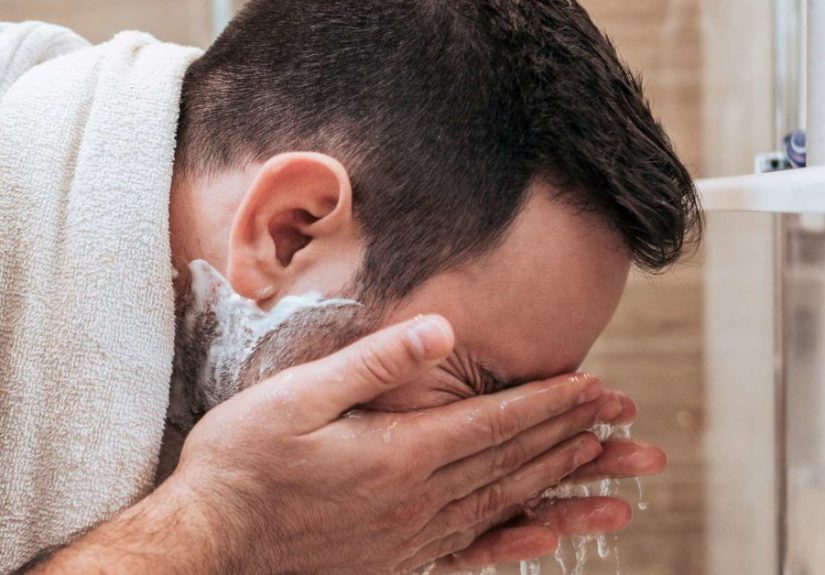
Tip 1: Cleanse like you’re washing a peach, not sanding a table
The fastest way to make nose pores look worse is to attack them with harsh scrubs, stiff brushes, or a washcloth used like you’re polishing
a bowling ball. Over-scrubbing can irritate skin and weaken the barrier, which can trigger more oiliness and more clogging over time.
What to do instead
- Use a gentle, non-abrasive cleanser (fragrance-free is often friendlier).
- Use lukewarm water and your fingertipsno aggressive tools needed.
- Wash up to twice daily (morning and night) and after heavy sweating.
- Pat dry with a clean towel. Don’t rub like you’re trying to start a campfire.
A simple example
Nighttime is the most important cleanse if you wear sunscreen or makeup. If you’re very oily, a gentle morning cleanse can help,
but if your skin feels tight or flaky, consider a water rinse in the morning and a full cleanse at night.
Tip 2: Add salicylic acid (BHA) to dissolve the “pore gunk”
If your nose pores are clogged, salicylic acid is often the MVP. It’s a beta-hydroxy acid (BHA) that helps exfoliate and
clear material inside the pore. It’s commonly recommended for blackheads/whiteheads and oily, congestion-prone areas like the nose.
How to use it without making your face hate you
- Start slow: 2–3 times per week, then increase if your skin stays calm.
- Pick your format: a cleanser (short-contact, gentler) or a leave-on (stronger).
- Watch your tolerance: dryness, stinging, or flaking = dial it back.
Specific examples
If you’re new to BHAs, try a salicylic acid cleanser on your nose area only (yes, you can “zone treat” your face) every other night for a week.
If you’re comfortable, move to once daily or add a leave-on BHA 2–3 nights per weekbut not on the same nights you start a retinoid.
Pro tip: If you wear heavy sunscreen or makeup, cleansing thoroughly matters more than buying a stronger acid. A great active ingredient can’t
do much if it’s trying to work through a layer of yesterday’s tinted SPF.
Tip 3: Use a retinoid at night to keep plugs from forming
Retinoids are the long-game strategy for clogged pores. They help keep dead skin cells from building up and forming plugs (comedones), which is
why dermatology guidelines frequently include topical retinoids for comedonal acne.
Beginner-friendly approach
- Choose a gentle starting point: OTC adapalene is commonly used for acne, or a low-strength retinol if you’re sensitive.
- Start 2–3 nights per week, then increase as tolerated.
- Use a pea-sized amount for the whole face (or a tiny dab for just the nose area if you’re spot-applying).
- Moisturize to reduce irritation (some people like the “moisturizer sandwich”: moisturizer → retinoid → moisturizer).
- Wear sunscreen daily because retinoids can increase sun sensitivity.
A realistic timeline
Retinoids are not a “wake up flawless tomorrow” ingredient. Expect several weeks to notice meaningful improvement. Early dryness or mild purging
can happen, especially if you start too fast or combine too many strong products at once. Consistency beats intensity.
Tip 4: Use a clay mask strategically (once a week, not as a personality)
Clay masks (like kaolin or bentonite) can help absorb excess oil and temporarily improve the look of congested poresespecially on the nose.
They’re not magic, but they’re a solid supporting actor when used correctly.
How to do it right
- Frequency: 1–2 times per week is plenty for most people.
- Timing: 10–15 minutes, or as directeddon’t leave it on until it cracks like desert pavement.
- Aftercare: rinse gently and moisturize. Yes, even if you’re oily.
Who should be careful
If you have eczema, rosacea, or very dry/sensitive skin, clay can be too drying. In that case, focus on gentle cleansing and a carefully paced
BHA/retinoid routine instead.
Tip 5: Moisturize + sunscreen to protect the barrier (yes, even on oily noses)
It’s tempting to treat an oily nose like it’s an enemy to defeat. But stripping your skin often backfires. When the skin barrier is irritated,
oil production can feel even more noticeable, and actives become harder to tolerate.
What to look for
- Moisturizer: lightweight, oil-free, non-comedogenic, fragrance-free if you’re sensitive.
- Sunscreen: broad-spectrum SPF 30+ every day (especially if using acids or retinoids).
- Makeup and hair products: avoid heavy, greasy formulas that can transfer onto your nose and clog pores.
Real-world example routine
Morning: gentle cleanse (or rinse) → lightweight moisturizer → oil-free SPF.
Night: cleanse thoroughly → treatment (BHA or retinoid, depending on the day) → moisturizer.
Tip 6: Skip the “nose torture devices”: don’t squeeze, over-scrub, or rely on pore strips
Let’s talk about the most common pore-cleaning mistakesbecause your nose deserves peace.
What to avoid
-
Squeezing and picking: It can cause inflammation, broken capillaries, scabbing, and dark marks. Plus, it rarely removes the whole plug,
so it comes back… and now it’s mad. - Harsh physical scrubs: They can irritate the skin and don’t reliably clear what’s inside the pore.
-
Pore strips as your main strategy: They may lift surface debris, but they don’t address the underlying causeand they can irritate or
overly strip the area, especially if overused.
If you want something “satisfying” that’s safer
- Use a warm shower (not hot) before cleansing to soften oils.
- Try a short-contact BHA cleanser and rinse well.
- Be consistent for 4–8 weeks. It’s less dramatic, but it actually works.
When professional help is worth it
If you have stubborn blackheads, painful acne, frequent cysts, or signs of scarring, a dermatologist can offer safer extractions, prescription
options, and a plan tailored to your skin. If you’ve tried a solid routine for 6–8 weeks with little improvement, it’s reasonable to level up.
A simple 2-week “nose reset” plan (practical, not perfect)
Here’s a starter plan that keeps irritation low while still targeting clogged pores.
| Time | Days | What to do |
|---|---|---|
| Morning | Daily | Gentle cleanse (or rinse) → lightweight moisturizer → SPF 30+ |
| Night | Daily | Cleanse thoroughly → moisturizer |
| Night (treatment) | Mon/Wed/Fri | Salicylic acid cleanser or leave-on BHA (start gentle) → moisturizer |
| Night (treatment) | Tue/Sat | Retinoid (start small, avoid eye/nose creases) → moisturizer |
| Night | Thu/Sun | “Recovery nights”: cleanse → moisturizer only |
| Any evening | 1x/week | Clay mask (nose/T-zone) for 10–15 minutes → moisturize |
If your skin gets dry or irritated, increase recovery nights and reduce treatment frequency. Your goal is progress, not punishment.
500+ words of real-life experiences with nose pores (the kind nobody puts on the label)
I wish I could tell you I learned everything about nose pores from calm, sensible research and not from standing three inches from a mirror,
squinting like a detective in a crime drama. But that would be a lie. Nose pores are the great equalizer: everyone has them, everyone notices them
under harsh bathroom lighting, and everyone has had at least one moment of thinking, “If I just fix this one tiny spot, my life will be organized.”
Spoiler: the spot is never the only spot, and your life remains delightfully unorganized.
The first “lesson” most people learn is that the nose is an oil factory with excellent business hours. You can do your skincare in the morning,
look great at noon, and by 4 p.m. your nose is back at work like it’s trying to win Employee of the Month. That doesn’t mean your routine failed.
It means your skin has sebaceous glands doing sebaceous gland things. When I finally accepted that “not shiny” isn’t the only definition of “clean,”
my skin stopped feeling like it was in a constant tug-of-war.
The second lesson is that scrubbing feels productive in the same way reorganizing your sock drawer feels productive: it’s satisfying,
it’s immediate, and it gives you the illusion of control. But too much scrubbing can leave your nose irritated and more noticeable. I’ve seen people
(and, yes, past versions of myself) try to “sand away” clogged pores, only to end up with redness that makes the dots look darker by comparison.
The irony is cruel: you set out to reduce texture and accidentally create a brand-new texture called “angry.”
Then there’s the pore strip phase. It’s basically the skincare version of a magic trick: “Look! Evidence!” And sure, it can pull up surface debris,
which is impressive in the moment. The problem is what happens afterwardtightness, dryness, and the inevitable return of those tiny dots, because
the underlying oil flow hasn’t changed. If your skin barrier is sensitive, the strip can turn a small cosmetic issue into a week-long irritation
situation. It’s like using duct tape to lint-roll a sweater: it works… until it very much doesn’t.
The best “experience-based” advice I can give is the least exciting: the routine that wins is the one you can keep doing. A gentle cleanser at night
made a bigger difference than any aggressive “deep clean” moment. Adding salicylic acid slowly helped my nose feel smoother without peeling.
Introducing a retinoid carefullyevery few nights, with moisturizermade clogged pores less dramatic over time, not overnight. And sunscreen became
non-negotiable, especially once I used stronger ingredients. It’s not glamorous, but it’s effective.
The biggest mindset shift is this: your goal isn’t to have poreless skin (that’s not a real thing outside of filters and wishful thinking).
Your goal is to have comfortable, healthy skin that looks clearer because it’s less congested and less irritated.
When your skin feels calm, your pores are less likely to look like they’re starring in their own close-up.
And if you slip up and pick? Welcome to the human club. Reset with gentle care, moisturize, protect with SPF, and get back to your routine.
Your nose will forgive you. (Eventually.)
Conclusion
Cleaning and unclogging pores on the nose isn’t about brute forceit’s about smart, consistent care. Focus on gentle cleansing, add salicylic acid to
clear inside the pore, use a retinoid at night to prevent new clogs, and support everything with moisturizer and daily sunscreen. Skip squeezing and
over-scrubbing, and treat “satisfying” quick fixes like pore strips as occasional extras, not your main plan. Give your routine 4–8 weeks, adjust
based on irritation, and bring in a dermatologist if blackheads are stubborn or acne is causing marks or discomfort.