Table of Contents >> Show >> Hide
- First, What Counts as a “Woven Harvest Basket”?
- Two Ways to High/Low Your Basket Life
- When to Go High vs. When to Go Low
- Care, Cleaning, and Keeping Your Basket From Getting Weird
- Mini FAQ: The Questions Everyone Asks at the Basket Wall
- Conclusion: Your Basket Strategy (Yes, That’s a Real Thing)
- Experience Add-On: of Real-Life “High/Low” Basket Moments
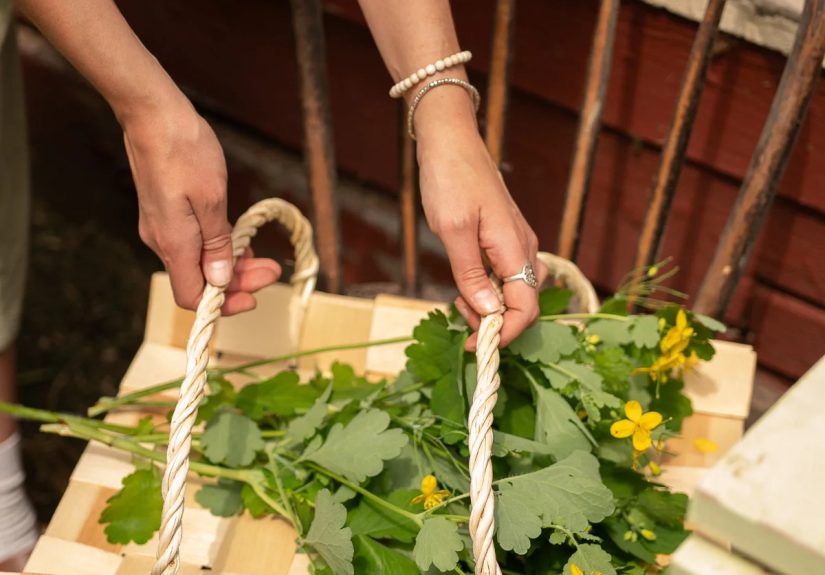
There are two kinds of people in fall: the ones who casually “pick up a few apples,” and the ones who return home with enough produce to open a farm stand (and a mysterious gourd they swear is “for décor”). Either way, the unsung hero is the woven harvest basketequal parts hardworking and good-looking, like jeans that also file your taxes.
This guide does a true high/low comparison in two ways: first for the “gather and display” moment (farmer’s market, countertop, tablescape), and then for the “hide and haul” moment (mudroom, pantry, laundry, toys). You’ll get practical buying tips, material breakdowns, styling ideas, and care instructionswithout turning your home into a basket museum (unless that’s your brand, in which case… carry on).
First, What Counts as a “Woven Harvest Basket”?
“Woven” can mean a lot of things, but here’s the helpful distinction: wicker is often used to describe a weaving style (the technique), while the “basket material” could be rattan, willow, seagrass, water hyacinth, bamboo, or even cotton rope. Translation: you can have a wicker-style basket made from different fibers.
A harvest basket isn’t just for apples and pumpkins. It’s any basket that can handle a little weight, looks good in public, and won’t shed crumbs of dried grass every time you move it (a surprisingly common personality trait).
Quick material cheat sheet
- Rattan: Often sturdier, great for baskets with handles and crisp structure.
- Seagrass: Flexible, classic “coastal-to-farmhouse” vibe; often used over a frame for shape.
- Water hyacinth: Chunkier texture, warm color; popular for storage baskets and hampers.
- Willow/reed: Traditional “market basket” look; can be lightweight but sturdy if well made.
- Cotton rope: Soft-sided, washable, kid-friendly; less “field harvest,” more “indoor hauling.”
Two Ways to High/Low Your Basket Life
Instead of obsessing over one “perfect” basket, match the basket to the job. Here are two common jobs woven harvest baskets do bestand how to pick a high (investment) or low (budget-friendly) option for each.
Way #1: Gather & Display (Market-to-Counter, Centerpiece, Produce Station)
This is the basket you carry with confidence. It sits on the counter looking like you have your life together, even if your group chat knows the truth.
The “High” pick: heirloom-level, structured, photogenic
Spend more when you want structure, comfortable handles, and a basket that stays beautiful after years of use. Premium woven baskets often use higher-quality rattan or willow, tighter weaving, reinforced rims, and better finishing (so fewer snags on sweaters and dish towels).
- Best for: apples, pears, mini pumpkins, bread, linens, hostess gifts
- Look for: a sturdy rim, smooth (or wrapped) handles, tight weave, flat base
- Typical “high” price range: about $120–$300+ depending on size and craftsmanship
Styling tip: for a “harvest basket centerpiece,” start with a neutral base (folded tea towels or a linen napkin), then add apples or pears, and finish with one dramatic thinglike a small pumpkin, a bunch of rosemary, or a “this was definitely not an impulse buy” pomegranate.
The “Low” pick: charming, hardworking, doesn’t require a special occasion
Budget baskets can still look greatespecially in natural fibers like seagrass or water hyacinth. The key is to avoid the flimsy stuff that collapses the second you put in three sweet potatoes and a dream.
- Best for: lighter produce, mail, napkins, snack station, casual countertop storage
- Look for: a lined interior (optional but helpful), a stable base, and handles that don’t feel “decorative only”
- Typical “low” price range: about $15–$60
Pro move: if your “low” basket is a little soft, give it a hidden backboneplace a stiff tray, a piece of cardboard covered in fabric, or a thin cutting board at the bottom. Your basket will instantly stand taller, like it just got promoted.
Produce note: baskets are greatjust choose the right produce
Some produce loves airflow (think potatoes, onions, and garlic). A breathable bin or open basket can help, as long as you keep it cool, dry, and out of direct sun. Bonus: your kitchen looks like a cozy market scene. Just don’t store everything togethersome items give off gases (like ethylene) that can speed ripening and sprouting.
Way #2: Hide & Haul (Mudroom, Pantry, Toys, Laundry, “Where Did All This Stuff Come From?”)
This is the basket that does the heavy lifting. It’s less “Pinterest harvest” and more “real life, but make it cute.” Here, function matters: capacity, durability, portability, and how the basket behaves when you actually use it daily.
The “High” pick: lidded, stackable, designed for real storage
Higher-end storage baskets often nail the details: fitted lids, cutout handles that don’t bite your hands, and shapes designed for shelving. If you want a calm-looking home, lidded baskets are basically a cheat code.
- Best for: blankets, kids’ toys, entryway gear, cords you swear you’ll organize later, seasonal items
- Look for: lids that sit flat, handles that are reinforced, and a size that fits your shelves (measure!)
- Typical “high” price range: about $80–$260+ per basket (or sets priced higher)
Styling tip: choose one “basket family” for open shelving (same tone, similar weave). It makes even chaotic contents feel intentionallike you planned it, rather than panic-stuffed it five minutes before guests arrived.
The “Low” pick: washable cotton rope, or textured natural fiber on a budget
If you’re storing kid stuff, pet gear, or laundry, you may want a basket that’s forgiving. Cotton rope baskets are often soft, lightweight, and easier to clean. Natural fiber baskets (like water hyacinth) can look more “decor,” but keep them away from damp zones and wet laundry.
- Best for: toys, nurseries, throw blankets, shoes, “drop zone” clutter, light laundry
- Look for: stitched handles, thicker rope, and a bottom that won’t taco-shape under weight
- Typical “low” price range: about $20–$70 (often lower in sets)
If your goal is pantry peace: go rectangular. Square and rectangle baskets use shelf space better than round ones, and they’re easier to label (because future-you deserves a win).
When to Go High vs. When to Go Low
Go “High” if…
- You’ll carry it often (handles matter more than you think).
- You want it on display in a main room (living room, kitchen counter, open shelving).
- You need structure (it must stand up on its own and keep shape).
- You want a long-term piece that ages well and doesn’t unravel.
Go “Low” if…
- It’s a “utility basket” (toys, pet gear, daily clutter, laundry).
- You plan to rotate it seasonally (fall today, spring cleaning tomorrow).
- You want multiples (a matched set usually beats one fancy basketvisually and financially).
- You’re experimenting with a new organizing system and don’t want to commit yet.
Care, Cleaning, and Keeping Your Basket From Getting Weird
Woven baskets are durable, but they have one arch-nemesis: too much moisture. The goal is gentle cleaning, good airflow, and patience (yes, even for the basket).
Routine care (monthly-ish)
- Dust with a soft cloth, a dry paintbrush, or a vacuum brush attachment.
- Shake crumbs outside (preferably away from where your neighbor is hosting a pristine outdoor dinner).
Spot cleaning (as needed)
- Use a barely damp cloth with mild soap for marks; avoid soaking.
- Blot, don’t scrub like you’re angry at it.
- Dry thoroughly with a towel and let it air dry with plenty of airflow.
Drying rules (the part everyone tries to speed-run)
- Avoid blasting it with artificial heat (it can damage fibers).
- A shaded, breezy spot is better than harsh direct sun for long periods.
- Never store baskets when they’re dampmildew loves that storyline.
Storage tips so baskets last longer
- Store in a cool, dry place out of direct sunlight to reduce fading and brittleness.
- Don’t hang heavy baskets by the handles long-term; it can stress and warp them.
- Avoid stacking heavy baskets on top of each other, especially if any are damp.
Mini FAQ: The Questions Everyone Asks at the Basket Wall
“Can I use woven baskets in the bathroom?”
You can, but choose wisely. Humidity is rough on natural fibers. If you love the look, keep them away from the shower zone and make sure the room is well-ventilated. Otherwise, go with metal or plastic where moisture is constant.
“Are woven baskets good for storing produce?”
For some produce, yesespecially items that benefit from airflow and cooler, dry storage (like potatoes and onions). Keep them out of direct light and avoid mixing produce that accelerates sprouting or spoiling. If you’re storing a lot, a pantry or cool basement zone can help.
“How do I keep the ‘low’ basket from looking cheap?”
Three fast upgrades: (1) pick a simpler weave and natural color, (2) group baskets in matching sets, and (3) let the basket be the texture while keeping surrounding décor calm. The basket is the accessorydon’t make it compete with five other accessories yelling at the same time.
Conclusion: Your Basket Strategy (Yes, That’s a Real Thing)
The best woven harvest baskets are the ones that match your life: a structured “high” basket when you want a beautiful, durable workhorse, and a smart “low” basket when you need flexible, affordable organization you won’t baby. Use the gather & display basket to bring warm harvest energy into the kitchen, and the hide & haul basket to keep everyday clutter from taking over your home like it pays rent.
And remember: baskets don’t magically create order. They simply make it faster to pretend you have it. (Which, frankly, is still extremely useful.)
Experience Add-On: of Real-Life “High/Low” Basket Moments
The most relatable basket experience is the “I bought one and now I own twelve” phenomenon. It starts innocently: you bring home a woven basket because it’s “perfect for apples.” Two weeks later, the basket is holding mail, a scarf, three dog toys, and a single lemon that has become part of the family. That’s the magic of basketsthey adapt to chaos without judging you.
In real homes, people tend to discover the high vs. low difference the moment they carry something heavy. A high-end basket with a reinforced rim and comfortable handles feels like it was designed by someone who has actually walked from the car to the kitchen with too many groceries. A cheaper basket can still be a win, but you may notice handles that twist, rims that flex, or a base that bulges just enough to make you rethink your life choicesespecially if you loaded it with sweet potatoes like you’re preparing for hibernation.
Another common experience: the “open-shelf illusion.” Put three matching baskets on a shelf and suddenly the room looks calm, curated, and vaguely European. Put three mismatched baskets up there and it looks like your shelves are hosting a networking event. Consistency is the secret sauce. People who swear they “aren’t organized” often become organized the moment they can group items (snacks, chargers, winter accessories) into a basket and label it. The brain loves a category.
Then there’s the seasonal basket glow-up. In late summer and fall, a basket becomes a centerpiece with almost no effort: apples, mini pumpkins, maybe a folded towel, and suddenly your kitchen looks like a cozy magazine spread. The same basket can switch roles after the holidays: it becomes a “grab-and-go” zone for mittens, a tidy home for extra candles, or the place where you toss random items before company arrives. This is why “low” baskets can be brilliantyou can reassign them without feeling precious.
Real-life pantry baskets are where confidence is built (or destroyed). A basket that’s too deep becomes the Bermuda Triangle of granola bars. A basket that’s too shallow becomes a snack landslide waiting to happen. People who succeed with pantry baskets often choose rectangular shapes, keep categories simple, and resist the temptation to store “everything” in one bin. The best basket setups aren’t perfectthey’re easy to maintain. If you can restock it without rearranging like you’re playing storage Tetris, you chose well.
Finally, there’s the emotional support basket. This is the basket by the door that catches the daily overflowkeys, receipts, sunglasses, the occasional mystery screw. It’s not glamorous, but it’s a tiny system that saves time and reduces stress. And whether you went high or low, that’s the real win: a basket that makes everyday life smoother, while looking good doing it.