Table of Contents >> Show >> Hide
- Table of contents
- What a hemorrhagic stroke is
- Common causes and risk factors
- Symptoms and warning signs
- How doctors diagnose a brain bleed
- Treatments: what happens in the ER and hospital
- Recovery and rehabilitation
- Prevention: lowering your risk
- Experiences: what it often feels like for patients and families (about )
- Conclusion
Quick reality check: A hemorrhagic stroke is a medical emergency caused by bleeding in or around the brainoften called a “brain bleed.” It can progress fast, and minutes matter. If you suspect a stroke, call 911 immediately. (No, “I’ll just lie down for a bit” is not a strategy.)
What a hemorrhagic stroke is
A stroke happens when the brain suddenly can’t get what it needs to function. In an ischemic stroke, a clot blocks blood flow. In a hemorrhagic stroke, a blood vessel breaks or leaks, and bleeding damages brain tissue or raises pressure inside the skull.
Hemorrhagic strokes are commonly grouped into two main types:
- Intracerebral hemorrhage (ICH): bleeding inside the brain tissue.
- Subarachnoid hemorrhage (SAH): bleeding in the space around the brain (often from a ruptured aneurysm).
Either way, the problem isn’t only blood lossit’s what the blood does where it doesn’t belong. It can irritate tissue, trigger swelling, and raise intracranial pressure. Think of your skull as a hard suitcase: there’s no “stretchy” setting for extra fluid.
Common causes and risk factors
1) High blood pressure (the big one)
Uncontrolled hypertension is a leading driver of intracerebral hemorrhage. Over time, constant high pressure can weaken small arteries in the brain, making them more likely to ruptureespecially in deep brain areas.
2) Aneurysm rupture (often behind subarachnoid hemorrhage)
An aneurysm is a weakened bulge in a blood vessel wall. If it ruptures, blood can spill into the subarachnoid space, causing sudden symptomsclassically a severe “thunderclap” headache.
3) Arteriovenous malformations (AVMs) and other vessel abnormalities
An AVM is a tangle of abnormal vessels that can bleed. Other structural vessel issues (including some that develop with age) can also increase risk.
4) Blood thinners and bleeding disorders
Medications that reduce clotting (such as warfarin or certain direct oral anticoagulants) can make bleeding worse if a vessel ruptures. Some bleeding disorders can increase risk as well.
5) Cerebral amyloid angiopathy (CAA)
In some older adults, protein deposits (amyloid) can build up in blood vessel walls and make them fragile. This is a common cause of lobar (outer-brain) hemorrhages and can raise the risk of recurrence.
6) Lifestyle and other contributors
Risk isn’t just “bad luck.” Factors that commonly stack the odds include smoking, heavy alcohol use, and stimulant drugs (like cocaine/amphetamines). Trauma can also cause intracranial bleeding, which may be treated similarly in the acute setting but is a separate category from “spontaneous” hemorrhagic stroke.
Practical takeaway: If you want one prevention target that pays the most “brain dividends,” it’s managing blood pressure. It’s not glamorous, but neither is the ICU.
Symptoms and warning signs
Many hemorrhagic stroke symptoms overlap with other stroke types because the brain doesn’t care why it’s injuredit just starts dropping functions. Watch for sudden:
- Weakness or numbness of the face, arm, or leg (especially one side)
- Confusion, trouble speaking, or understanding speech
- Vision problems in one or both eyes
- Dizziness, loss of balance, or trouble walking
- Severe headache with no known cause
“Thunderclap” headache: the classic SAH red flag
A subarachnoid hemorrhage can cause a headache that reaches maximum intensity quicklyoften described as “the worst headache of my life.” It may come with nausea/vomiting, neck stiffness, fainting, seizure, or rapid decline in alertness.
What to do immediately
Call 911. Don’t drive yourself “to be efficient.” EMS can start care sooner and route you to an appropriate stroke-capable hospital. Also: don’t give food, drink, or random pillsswallowing may be unsafe, and some meds can worsen bleeding.
How doctors diagnose a brain bleed
In the emergency department, clinicians focus on speed and claritybecause treatment choices depend heavily on whether this is bleeding or a clot.
Imaging is step one
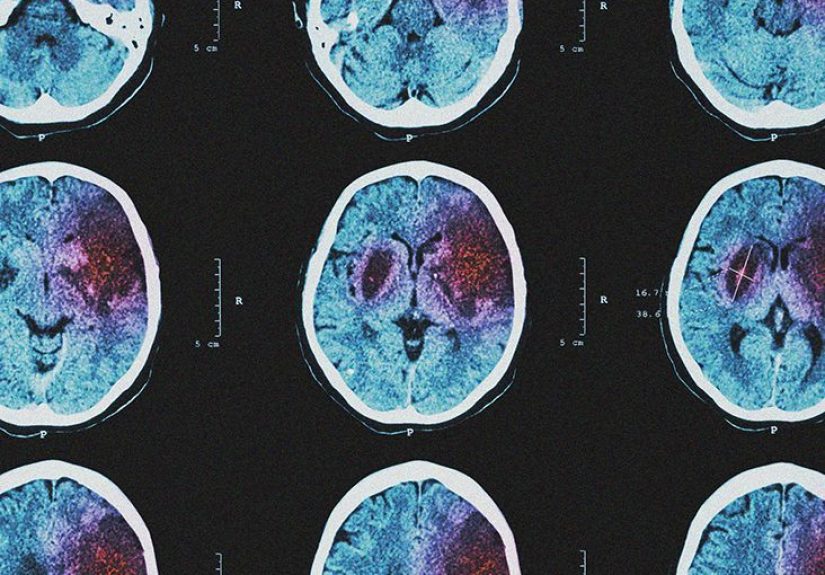
- Non-contrast CT scan: typically the fastest first test to detect acute bleeding.
- MRI: can help in certain cases (including timing of bleeding) and for underlying causes.
- CT angiography (CTA) / MR angiography (MRA): looks for aneurysms or other vessel problems.
- Cerebral angiography: may be used when detailed vessel mapping is needed.
When CT is “normal” but SAH is still suspected
If symptoms strongly suggest subarachnoid hemorrhage but the CT doesn’t show bleeding, clinicians may do a lumbar puncture (spinal tap) to look for evidence of blood breakdown products in cerebrospinal fluid.
Treatments: what happens in the ER and hospital
There’s no one-size-fits-all “hemorrhagic stroke pill.” Treatment is about stopping the bleeding, limiting damage, and preventing complicationsoften simultaneously.
1) Stabilizing the basics: airway, breathing, circulation
Severe hemorrhages can impair consciousness or breathing. The team may give oxygen, protect the airway, manage fever, control blood sugar, and treat seizures if they occur.
2) Blood pressure control (fast, but not chaotic)
For many people with spontaneous intracerebral hemorrhage and high systolic blood pressure (for example, 150–220 mmHg), guidelines support rapid but careful loweringoften targeting around 140 mmHgwith an emphasis on smooth control and avoiding large swings.
Why it matters: high pressure can contribute to ongoing bleeding or hematoma expansion, while overly aggressive drops can risk reduced brain perfusion. The goal is controlled stabilization, not “pressure limbo.”
3) Reversing blood thinners and correcting clotting problems
If a patient is on anticoagulants or has a clotting issue, clinicians may use reversal strategies or clotting support, depending on the medication and situation. These decisions balance the urgent need to limit life-threatening bleeding against the risk of triggering clots.
Example scenario: A person on warfarin arrives with a sudden one-sided weakness and decreased alertness. A CT shows intracerebral hemorrhage. The team checks coagulation labs and may urgently reverse anticoagulation while managing blood pressure and coordinating neurosurgical evaluation.
4) Neurosurgery and procedural treatments
Surgery isn’t for everyone, but it can be lifesaving in selected situations:
- Hematoma evacuation or minimally invasive clot removal in certain ICH cases
- Relieving pressure (for example, decompressive procedures when swelling is severe)
- External ventricular drain (EVD) to treat hydrocephalus (fluid buildup) and reduce pressure
- Aneurysm repair for SAH (typically clipping or endovascular coiling) to prevent rebleeding
5) Preventing and treating complications (especially in SAH)
After aneurysmal SAH, clinicians also watch closely for complications like vasospasm (narrowing of vessels that can reduce blood flow), delayed cerebral ischemia, and hydrocephalus. Medications such as nimodipine are commonly used in aneurysmal SAH care to improve neurologic outcomes, alongside careful ICU monitoring.
Recovery and rehabilitation
Recovery from hemorrhagic stroke is often a marathon with surprise hills. Many survivors need rehabilitation to regain abilities such as movement, speech, swallowing, memory, and endurance.
Common rehab components
- Physical therapy: walking, balance, strength, and stamina
- Occupational therapy: daily tasks (dressing, cooking, bathing), home safety, adaptive tools
- Speech-language therapy: speech, language comprehension, and swallowing safety
- Cognitive and emotional support: attention, memory, mood, and coping skills
Long-term outlook depends on factors like location/size of bleeding, speed of treatment, age, and medical comorbidities. Some people recover substantially; others have lasting disabilities. Progress may be faster early and slower laterstill meaningful, just less dramatic.
Prevention: lowering your risk
You can’t “wellness” your way out of every medical event, but hemorrhagic stroke has several prevention levers that actually work.
1) Control blood pressure (seriously, this is the headline)
Blood pressure management is one of the most important steps for preventing intracerebral hemorrhage and reducing recurrence risk after a hemorrhage. If you already had an ICH, long-term targets are often discussed in the range of 130/80 mmHg (individualized by your clinician).
2) Don’t smoke; avoid stimulant drugs
Smoking raises stroke risk overall, and stimulants (especially cocaine/amphetamines) can sharply increase the chance of bleeding through blood pressure spikes and vessel stress.
3) Use alcohol carefully
Heavy alcohol use is a known risk factor for hemorrhagic stroke and can worsen blood pressure and falls/trauma risk.
4) Review “blood-thinner” choices with your clinician
If you need anticoagulation for atrial fibrillation or other conditions, don’t stop it on your ownbut do discuss bleeding risk, dosing, fall risk, kidney function, and whether additional monitoring is needed. Prevention is often about choosing the safest option for your situation.
5) Build brain-healthy habits that also protect your heart
Prevention guidelines emphasize lifestyle factorsnutrition patterns (like Mediterranean-style eating), physical activity, weight management, diabetes care, sleep health, and addressing social determinants that affect access to care and healthy choices.
Experiences: what it often feels like for patients and families (about )
People often imagine a stroke as a single dramatic momentcollapse, ambulance, montage, recovery. Real life is messier, and hemorrhagic stroke tends to rewrite the script mid-scene.
The “before” moment can be confusing. With intracerebral hemorrhage, some people notice sudden weakness, slurred speech, or trouble walkingsymptoms that look like any other stroke. With subarachnoid hemorrhage, the headline is often the headache: sudden, explosive, and terrifying. Survivors sometimes describe it as a lightning strike in the skull. Family members may say the scariest part was how quickly someone went from “fine” to “not making sense” within minutes.
The emergency department feels like controlled chaos. There are CT scans, IV lines, blood pressure cuffs that suddenly become the center of the universe, and a lot of clinicians speaking in abbreviations. For families, waiting for scan results can feel like time slows down… while everyone else is moving at double speed. If the person is transferred to a larger center, the logistics can be emotionally exhaustingpacking chargers, calling relatives, learning ICU visiting rules, and trying to remember whether anyone ate lunch (spoiler: usually not).
The ICU phase is often about vigilance. Many patients don’t remember this period clearly, especially if they were sedated or very ill. Families, however, tend to remember everything: the alarms, the hourly neuro checks, the uncertainty about swelling, the fear of rebleeding, and the constant question“Is this getting better or worse?” For subarachnoid hemorrhage, families may hear about risks like vasospasm or hydrocephalus and realize recovery isn’t a straight line. It’s more like a board game where the hospital occasionally hands you a card that says, “Go back three spaces.”
Rehab is where the work becomes personal. Small winssitting up, taking a first assisted step, swallowing safely, saying a full sentencecan feel huge. And small setbacks can feel crushing. Fatigue is a common complaint; many survivors say they didn’t expect the tiredness to be so intense or so stubborn. Cognitive changes can be subtle but real: slower processing, trouble multitasking, or difficulty finding words. Loved ones may need time to adjust to a “new normal,” even when the survivor looks okay from the outside.
Emotionally, it’s a lot. Anxiety about recurrence, frustration with limitations, and mood changes are common themes. Caregivers often describe a second full-time job: coordinating appointments, managing meds, handling paperwork, and encouraging therapy while trying not to become the “therapy police.” Support groups, counseling, and clear education can make a meaningful differencenot because they magically fix the brain, but because they help people live with the reality in front of them.
If there’s one repeating lesson from survivors and families, it’s this: fast action matters, rehab matters, and blood pressure control becomes non-negotiable. The goal isn’t perfectionit’s progress, safety, and getting as much life back as possible.
Conclusion
Hemorrhagic stroke is a brain emergency caused by bleedingmost often as intracerebral hemorrhage or subarachnoid hemorrhage. The biggest priorities are recognizing symptoms quickly, calling 911, and getting rapid imaging and specialized care. Treatment may include careful blood pressure control, reversal of blood thinners when appropriate, procedures to relieve pressure, and (for aneurysmal SAH) aneurysm repair and intensive monitoring. Prevention leans heavily on controlling blood pressure, avoiding smoking and stimulant drugs, limiting heavy alcohol use, and managing chronic conditions with your healthcare team.
Bottom line: Know the warning signs, treat “sudden” symptoms as urgent, and make blood pressure your brain’s best friend.