Table of Contents >> Show >> Hide
- Why people keep trying garlic on acne
- Quick acne reality check: what you’re actually fighting
- So… does garlic work for acne?
- The biggest problem: garlic can hurt your skin (for real)
- How to be safe if you’re still curious about garlic
- If you want clearer skin, here’s what beats the garlic hack
- When to skip home remedies and call a professional
- FAQ: the garlic questions people really ask
- Conclusion: garlic isn’t your acne curesafety matters more than “natural”
- Experiences: what people try, what happens, and what actually helps (about )
- Experience 1: “I dabbed crushed garlic on a pimple overnight… and woke up to regret”
- Experience 2: “I ate raw garlic every day and waited for my skin to transform”
- Experience 3: “Garlic burned me, so I finally got serious about a simple routine”
- Experience 4: “I tried garlic supplements because I didn’t want to irritate my skin”
- Experience 5: “I wanted natural, so I chose proven ingredients with a gentler vibe”
Garlic has a certain reputation. It can make pasta legendary, keep vampires employed, andaccording to the internetevict pimples like a tiny,
spicy bouncer. But acne is a stubborn little ecosystem, not a single unwelcome guest. So the real question isn’t “Is garlic healthy?” It’s:
Does garlic meaningfully treat acne, and can you try it without turning your face into a cautionary tale?
Let’s separate the “maybe” from the “please don’t,” look at what science actually supports, and build a safe plan that won’t leave you smelling like
an Italian restaurant with a grudge.
Why people keep trying garlic on acne
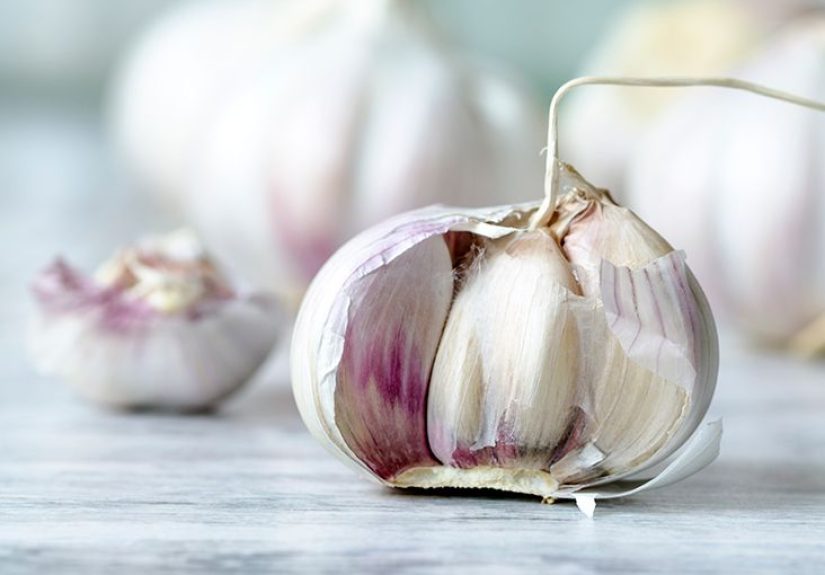
Garlic (Allium sativum) contains sulfur-based compoundsmost famously allicin, which forms when garlic is crushed or chopped.
In lab settings, garlic-related compounds have shown antimicrobial and anti-inflammatory activity. That’s the
origin story of the garlic-for-acne idea: acne can involve bacteria and inflammation, so garlic must be the natural “fix.”
The logic isn’t totally wild. It’s just incomplete. Acne isn’t one problemit’s several problems that pile up at the same time.
Quick acne reality check: what you’re actually fighting
Acne happens when pores clog and become inflamed. Oil (sebum) and dead skin cells build up in hair follicles, creating blackheads and whiteheads.
Add inflammation and bacteria, and you can get tender pimples, pustules, or deeper cysts.
This is why acne responds best to treatments that target multiple causes at onceunclog pores, reduce oil, calm inflammation,
and (when needed) cut down acne-associated bacteria.
So… does garlic work for acne?
What we know
Garlic compounds can show antimicrobial activity in the lab, and garlic may have anti-inflammatory effects in certain contexts. That supports
the theory that garlic could be helpfulat least on paper.
What we don’t have
We don’t have strong, high-quality clinical evidence showing that rubbing raw garlic on acne reliably improves real people’s acne outcomes
(fewer lesions, less inflammation, less scarring) compared with standard treatments. In acne guidelines, evidence is considered insufficient
for many alternative and plant-based approaches, and recommendations strongly favor proven therapies like benzoyl peroxide, topical retinoids,
and appropriate antibiotics (often in combination).
Translation: garlic is not a first-line acne treatmentand it’s definitely not a “try it, it can’t hurt” situation.
The biggest problem: garlic can hurt your skin (for real)
Fresh raw garlic is one of those “natural” remedies that can behave like a chemical irritant. Applied directly to skinespecially crushed garlic
and especially under a bandage (occlusion)it can cause severe irritation, contact dermatitis, and even
chemical burns.
This isn’t rare internet drama. Medical literature describes burn-like plaques, blisters, and painful irritant reactions after topical garlic use.
The risk rises with longer contact time, sensitive skin, pre-existing irritation (like from acne products), and occlusion (covering it so it stays
wet and concentrated).
In other words: the “garlic spot treatment” that looks harmless on TikTok can turn into blistered skin that takes weeks to calm downand may leave
discoloration behind. Not exactly the glow-up you ordered.
How to be safe if you’re still curious about garlic
If you only read one section, read this one.
1) Don’t apply raw garlic to your face
This is the safest guidance, full stop. Raw garlic is unpredictable on skin and has a documented burn risk. Acne already involves inflammation;
adding a strong irritant can worsen redness, swelling, and post-acne marks.
2) If you insist on “topical garlic,” choose formulation over folklore
If you want to experiment, the least risky route is a commercially formulated product that contains garlic extract as one ingredient in a
skin-safe base (not crushed cloves from your cutting board). Even then, remember: “less risky” doesn’t mean “recommended.”
- Patch test first: Apply a tiny amount to the inner forearm for 24 hours. Stop if burning, itching, or a rash appears.
- Avoid broken or irritated skin: No active pimples you’ve picked, no peeling, no “my face is already angry” days.
- Never occlude: No bandages, no plastic wrap, no pimple patches on top of it.
3) Eating garlic is generally safer than wearing it
Garlic in food is widely used and, for most people, is safe in typical dietary amounts. It may support overall health, and a healthy dietary pattern
can indirectly help skin (sleep, stress, inflammationyour body is one big group chat).
But “safe to eat” is not the same as “clinically proven to clear acne.” If you add garlic to meals, do it because you like it and it fits your body,
not because you expect a dramatic overnight change in your forehead.
4) Be cautious with garlic supplements
Supplements can deliver more concentrated garlic compounds than food. That increases the chance of side effects (GI upset, heartburn, odor) and
increases the importance of drug interactions. Garlic supplements can raise bleeding riskespecially if you use blood thinners, aspirin, or have
surgery planned. If you’re pregnant, breastfeeding, or on any regular medication, ask a clinician before using supplements.
If you want clearer skin, here’s what beats the garlic hack
The most reliable acne wins are boringin the way that seatbelts are boring but effective.
Step 1: Build a calm baseline routine
- Gentle cleanse once or twice daily (no sandpaper scrubs, no “squeaky clean” punishment).
- Non-comedogenic moisturizer to protect your skin barrier (yes, even oily skin).
- Sunscreen daily to reduce post-acne dark marks and irritation from acne actives.
Step 2: Pick one proven over-the-counter active
Choose one, start low, and go slow. More product doesn’t equal faster resultsjust faster irritation.
- Benzoyl peroxide helps reduce acne-associated bacteria and inflammation. Consider lower strengths first if you’re sensitive.
- Adapalene (a retinoid) helps prevent clogged pores and treats both blackheads and inflammatory acne over time.
- Salicylic acid helps unclog pores and can be helpful for blackheads/whiteheads.
Practical tip: A pea-sized amount can cover the whole face for many leave-on products. Start every other night, then increase as tolerated.
Redness and peeling can happen early; that’s your cue to slow down, not to add garlic “to soothe it.”
Step 3: If acne is moderate to severe, use combinations and get help early
Dermatology guidelines emphasize combining acne therapies because acne has multiple causes. For example, topical antibiotics are often paired with
benzoyl peroxide to reduce the risk of antibiotic resistance and improve results. For deeper, painful acne or scarring risk, prescription options
(stronger retinoids, oral antibiotics, hormonal therapies, isotretinoin) may be appropriate.
If you’ve tried consistent OTC care for a few months and acne is still controlling the narrative, a dermatologist can tailor treatment so you’re not
stuck in the endless cycle of “try random hacks → get irritated → start over.”
When to skip home remedies and call a professional
- Acne is painful, deep (nodules/cysts), or leaving scars.
- OTC treatment hasn’t helped after a few months of consistent use.
- You’re picking or scratching because it’s stressing you out (very human, very commonalso a scarring risk).
- You tried garlic (or any DIY irritant) and now have blistering, swelling, intense burning, or a rash.
FAQ: the garlic questions people really ask
“Can I rub garlic directly on a pimple just for a minute?”
It’s still risky. Skin reactions can happen even with short contact, and acne skin is often already sensitized by cleansers and actives. If you want a
spot treatment, a small amount of benzoyl peroxide or sulfur-based acne product is safer and more predictable.
“What about garlic mixed with honey/aloe/yogurt?”
Mixing garlic into a DIY mask doesn’t remove the core problem: raw garlic can still irritate or burn skin. Also, DIY mixtures aren’t standardized, so
the concentration is guesswork. If your goal is calming irritation, use a bland moisturizer and simplify your routine for a few days.
“Will eating garlic make my acne worse?”
There’s no strong evidence that garlic in normal food amounts causes acne. If you notice a personal pattern (certain foods trigger breakouts for you),
trust your diary over generalizations. Acne triggers can be very individual.
“Is garlic good for acne scars?”
Not in any proven way. In fact, irritating skin with garlic can increase inflammation and dark marks. For scars and discoloration, sunscreen, retinoids,
azelaic acid, and professional treatments are more evidence-based options.
Conclusion: garlic isn’t your acne curesafety matters more than “natural”
Garlic has interesting compounds and a strong reputation, but acne treatment isn’t about vibesit’s about reliable, skin-safe outcomes. The biggest
issue with garlic isn’t that it’s useless; it’s that raw garlic can injure skin, and irritated skin tends to look and feel worse than
the acne you started with.
If you’re curious, keep garlic in the kitchen. For your face, stick to proven acne ingredients, build a routine you can actually keep, and get help
early if acne is painful, scarring, or stubborn. Your future skin will thank youquietly, because it won’t be inflamed.
Experiences: what people try, what happens, and what actually helps (about )
Because garlic-for-acne sits at the intersection of hope and the internet, a lot of people end up running the same experiments. Here are some
real-world-style experiences (composite scenarios) that capture what tends to happenand the lessons that come with it.
Experience 1: “I dabbed crushed garlic on a pimple overnight… and woke up to regret”
A classic story: someone crushes a clove, places it on a breakout, and covers it with a bandage or pimple patch “to really let it work.”
In the morning, the pimple looks flatterbut the surrounding skin is red, shiny, and tender. Over the next day, it may blister or peel like a burn.
The acne didn’t vanish; it just got overshadowed by irritation. The takeaway: when garlic “works fast,” it may be acting more like an irritant than an
acne treatment. And once the skin barrier is damaged, everything burnsincluding your normal cleanser and moisturizer.
Experience 2: “I ate raw garlic every day and waited for my skin to transform”
This one usually starts with good intentions and ends with gum-mint negotiations. People add garlic to smoothies or swallow raw cloves because it feels
like a “whole body” approach. After a few weeks, some report they feel healthier overall, but their acne is basically unchanged. Others notice
heartburn or stomach upset and stop. The takeaway: garlic can be part of a healthy diet, but acne is influenced by hormones, genetics, skincare, and
inflammationso one ingredient rarely moves the needle alone.
Experience 3: “Garlic burned me, so I finally got serious about a simple routine”
Paradoxically, a bad DIY experience sometimes leads to better acne care. After a garlic mishap, people simplify: gentle cleanser, moisturizer,
sunscreen, and one acne active (like adapalene or benzoyl peroxide). At first it feels slowbecause it isbut after 8–12 weeks, breakouts become less
frequent and less angry. The takeaway: acne improvement often looks like a gradual trend line, not a dramatic overnight miracle.
Experience 4: “I tried garlic supplements because I didn’t want to irritate my skin”
This group avoids topical garlic but tries pills instead. Some notice no skin change. Others deal with reflux, gas, or “why do I smell like
a deli?” A few stop because they’re on medications and read about interactions. The takeaway: supplements can have stronger systemic effects than food,
including side effects and interactions, and they’re not a shortcut for acne treatment.
Experience 5: “I wanted natural, so I chose proven ingredients with a gentler vibe”
Some people compromise by choosing acne ingredients that are evidence-based but easier to tolerate: lower-strength benzoyl peroxide wash, salicylic acid
cleanser a few times a week, or azelaic acid for bumps and discoloration. They don’t necessarily call it “natural,” but it feels sustainable. The
takeaway: the safest “home remedy” is often a routine that respects your skin barrier and uses ingredients with predictable dosing and testing.
If your acne is affecting your confidence, comfort, or leaving marks, you’re not failingyou’re dealing with a medical condition that often needs
real treatment. And if you’re tempted by garlic again, remember: your skin is not a cast-iron skillet. Please don’t season it.