Table of Contents >> Show >> Hide
- What Is Chili Mac, Exactly?
- Fast vs. Slow: Which One Wins?
- The Fast Lane: 30-Minute One-Pot Cheesy Chili Mac
- The Middle Lane: Instant Pot Cheesy Chili Mac (Fast, Hands-Off)
- The Slow Lane: Slow Cooker Chili Mac (Deep Flavor, Zero Panic)
- Cheese Matters: How to Get “Melty” Instead of “Meh”
- Chili Flavor Without the “Can + Panic” Aftertaste
- Make It Yours: Swaps, Add-Ins, and Dietary Tweaks
- Toppings: Where Chili Mac Becomes a Personality
- Storage, Leftovers, and Reheating (Without Dry Pasta Sadness)
- Troubleshooting: Fix It Fast
- So… Fast or Slow?
- of “Cheesy Chili Mac” Experiences (The Relatable Kind)
Chili mac is what happens when two comfort-food legendschili and mac & cheesedecide to stop flirting and move in together. The result is saucy, hearty, and suspiciously good at turning “What’s for dinner?” into “Why didn’t we make a double batch?”
But here’s the real question: do you want your cheesy chili mac fast (weeknight speed-run) or slow (set-it-and-forget-it cozy vibes)? Good news: both roads lead to melty cheddar. Even better news: you can pick the method that fits your schedule without sacrificing flavoror ending up with pasta that tastes like it took a long nap in a swimming pool.
What Is Chili Mac, Exactly?
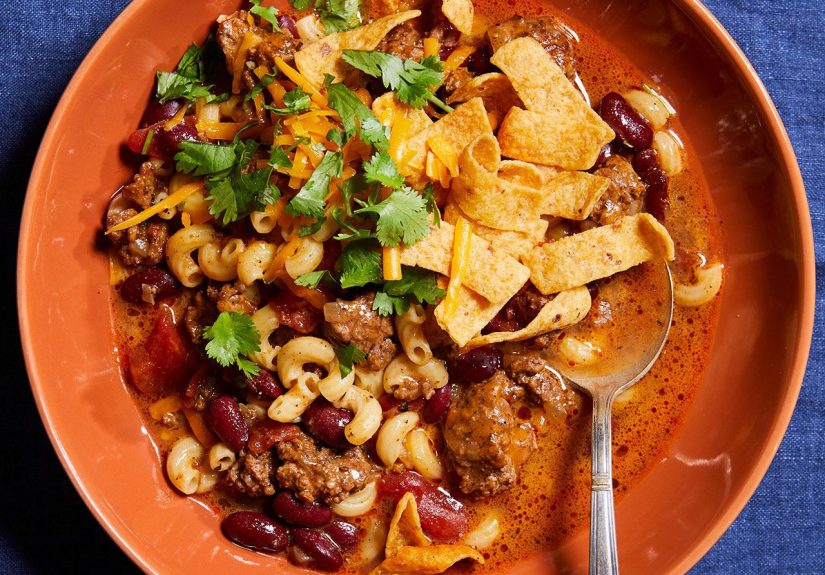
Classic chili mac is a mashup: a chili-style meat (or bean) sauce folded into tender pasta, finished with cheese for that glossy, stretchy, “I regret nothing” texture. Some versions are truly one-pot; others cook the pasta separately and stir it in at the end. You’ll see it on American family tables because it’s affordable, scalable, and forgivinglike that friend who doesn’t judge you for using canned beans on a Tuesday.
Fast vs. Slow: Which One Wins?
The truth: they’re different kinds of “best.” The fast route shines when you need dinner now. The slow route shines when you want deeper chili flavor and don’t want to babysit a pot. Here’s the practical breakdown:
Fast (Stovetop / One-Pot)
- Time: 25–40 minutes start to finish.
- Flavor: Bright, bold, and directespecially if you bloom spices in the pan.
- Texture: Great if you nail “al dente” and add cheese off-heat.
- Best for: Weeknights, hungry humans, and minimal planning.
Middle (Instant Pot / Pressure Cooker)
- Time: About 30–45 minutes including pressurizing and release.
- Flavor: Big payoff with less stirring.
- Texture: Comfortably soft pastaexcellent “chili mac” texture if you like it cozy.
- Best for: Busy evenings when you want hands-off cooking but not an all-day simmer.
Slow (Slow Cooker)
- Time: 3–8 hours depending on your heat setting and recipe.
- Flavor: Deep, mellow, and party-friendly.
- Texture: The only risk is pasta overcookingeasy to avoid with smart timing.
- Best for: Game day, potlucks, meal prep, and feeding a crowd.
The Fast Lane: 30-Minute One-Pot Cheesy Chili Mac
Fast chili mac is basically a delicious logistics problem: you’re cooking beef, building a chili-ish sauce, and cooking pasta in it without scorching the bottom or turning the noodles into glue. The secret is sequencing and a little heat management.
How the Fast Method Works (Without the Drama)
- Brown the meat (or sauté veggies for vegetarian versions). Drain excess fat if needed.
- Build flavor with onion/garlic plus spices (chili powder, cumin, oregano, smoked paprika).
- Add liquid + tomatoes (broth, tomato sauce, crushed or diced tomatoes). This becomes your pasta-cooking bath.
- Cook the pasta in the sauce at a gentle simmer, stirring often so nothing sticks.
- Turn off the heat, then add cheese. This is how you get creamy melt instead of greasy grit.
Fast-Lane Ingredient “Cheat Codes” (Still Tastes Homemade)
- Aromatics shortcut: frozen diced onion/pepper blend or pre-chopped fresh.
- Tomato backbone: canned fire-roasted tomatoes for instant depth.
- Beans: kidney, pinto, or black beansrinsed if you’re watching sodium.
- Spice mix: a chili seasoning packet works, but “custom spices” taste less like a store aisle.
Three Fast Mistakes (and How to Dodge Them)
- Burnt bottom: keep the simmer gentle, stir frequently, and scrape the pot base when you add liquid. If you smell toast but you didn’t make bread, move the food to a clean pot without scraping the scorched bits.
- Pasta not cooking evenly: add enough liquid so noodles can move, and stir early so nothing clumps. If it looks too thick mid-cook, add broth 1/4 cup at a time.
- Cheese turns grainy or oily: high heat is the enemy. Take the pot off heat before stirring in cheese, and use freshly shredded cheese when possible.
The Middle Lane: Instant Pot Cheesy Chili Mac (Fast, Hands-Off)
Pressure-cooker chili mac is the move when you want “stovetop flavor” without constant stirring. Most successful versions follow the same rhythm: sauté aromatics, toast spices, briefly cook the meat, then pressure-cook pasta and sauce together.
Instant Pot Timeline You Can Actually Trust
- 5–10 minutes: sauté onion/pepper/garlic; toast spices; brown meat.
- 2 minutes: add tomatoes, beans, pasta, and liquid; scrape the bottom so nothing is stuck.
- 4–6 minutes pressure cook (varies by pasta shape), then a short natural release.
- 2 minutes: stir, adjust thickness, then add cheese off-heat.
Pressure Cooker Pro Tips
- Submerge the pasta. If noodles sit above the liquid line, they can cook unevenly.
- Scrape the bottom well. Starchy sauces + stuck bits can trigger “burn” warnings.
- Expect comfort-style pasta. Pressure-cooked macaroni tends to be softer than stovetop al dentewhich is honestly very on-brand for chili mac.
The Slow Lane: Slow Cooker Chili Mac (Deep Flavor, Zero Panic)
Slow cooker chili mac is ideal when you want a dinner that basically raises itself while you live your life. The best approach is to treat it like slow-cooked chili first, and “mac & cheese” second.
The Pasta Rule That Saves Your Dinner
Pasta and long slow cooking are not best friends. If you add noodles at the beginning, they’ll overcook and turn mushy. Instead, use one of these smarter options:
- Option A (most reliable): cook pasta separately and stir it into the slow cooker at the end, right before serving.
- Option B (still easy): add uncooked pasta for only the last 30–40 minutes on high, watching texture.
How to Keep Slow Cooker Chili Mac Creamy
- Add cheese at the end. Residual heat melts it smoothly without breaking.
- Use a creamy helper. A little evaporated milk, cream cheese, or sour cream can round out the sauce.
- Control thickness. Slow cooker runs hot? Keep extra broth nearby for quick loosening.
Cheese Matters: How to Get “Melty” Instead of “Meh”
Cheesy chili mac is a texture dish. The goal is creamy and cohesivenot stringy rubber, not oily separation, and definitely not the dreaded “grainy cheddar sand.” Here’s what helps:
Build a Better Cheese Blend
- Sharp cheddar: big flavor, classic chili mac vibe.
- Monterey Jack or pepper jack: smoother melt, optional heat.
- Parmesan: boosts savory depth (use less; it’s intense).
- Processed cheese (optional): a small amount can improve creaminess and stability.
The Golden Rule: Turn Off the Heat
Add cheese after the pot is off heat. High heat can cause proteins to tighten and fats to separate, which is how you get oily pools and gritty texture. If you need to re-warm, use low heat and stir gentlyno boiling.
Chili Flavor Without the “Can + Panic” Aftertaste
Chili mac can taste flat if it’s all tomatoes and salt with no depth. The fix is simple: layer flavor early, then adjust at the end. Try this approach:
- Bloom spices in oil with onion/garlic for 30–60 seconds so they smell toasty, not dusty.
- Use umami boosters: tomato paste, a splash of Worcestershire, or hot sauce.
- Balance with acid: a squeeze of lime or a spoon of pickled jalapeño brine perks everything up.
- Optional “secret note”: a tiny pinch of cinnamon can round out bitterness in a too-dark chili base.
Make It Yours: Swaps, Add-Ins, and Dietary Tweaks
Meat (or Not)
Ground beef is classic, but ground turkey works well if you season assertively. Vegetarian chili mac can lean on beans, lentils, and chopped mushrooms for hearty texture. If you’re cooking ground meat, use a thermometer and cook it to a safe temperature before serving.
Beans: Yes, No, or “Half the House Says Yes”
Beans stretch the meal and add fiber. If you have bean skeptics at the table, use fewer beans, mash a small portion for thickness, or skip them entirely and add extra veggies.
Veggies That Don’t Feel Like a Lecture
- Peppers + onion: classic chili base.
- Celery: subtle sweetness and crunch.
- Corn: sweet pops that play nicely with spice.
- Spinach: stir in at the end; it wilts instantly and disappears (politely).
Pasta Shapes That Work
Elbows are traditional, but shells and rotini hold sauce beautifully. Whole-wheat pasta adds a nutty flavor and more fiberjust watch cooking time, since different shapes behave differently in one-pot methods.
Toppings: Where Chili Mac Becomes a Personality
Toppings are the fastest way to make the same pot feel “new” for leftovers. Pick a lane:
- Fresh + bright: scallions, cilantro, lime.
- Creamy: sour cream or Greek yogurt.
- Crunch: crushed tortilla chips, crackers, or toasted breadcrumbs.
- Heat: pickled jalapeños, hot sauce, or diced chiles.
Storage, Leftovers, and Reheating (Without Dry Pasta Sadness)
Chili mac stores well, but pasta keeps absorbing liquid over time. Expect it to thicken in the fridge.
- Refrigerator: 3–4 days in an airtight container.
- Freezer: up to 2 months for best quality (pasta can soften over longer storage).
- Reheat trick: add a splash of broth or milk, warm gently, and stir often.
- Food safety: reheat leftovers until steaming hot all the way through.
Troubleshooting: Fix It Fast
- Too thin: simmer uncovered a few minutes; don’t rush to flour.
- Too thick: broth, milk, or even hot wateradd gradually.
- Bland: salt, acid (lime/pickle brine), or a pinch more chili powder.
- Too spicy: dairy topping, extra cheese, or a small spoon of sugar to round edges.
So… Fast or Slow?
If dinner needs to happen now, go stovetop one-pot. If you want hands-off speed with cozy texture, grab the Instant Pot. If you’re feeding a crowd (or future you), let the slow cooker build that deep chili flavorand add pasta at the end like a responsible adult who still eats dinner with extra cheese.
of “Cheesy Chili Mac” Experiences (The Relatable Kind)
There are two kinds of weeknights: the ones where you have time to sauté onions until they’re sweet and golden, and the ones where you stare into the fridge like it owes you money. Fast cheesy chili mac is for that second kindwhen you need dinner that feels like a hug but behaves like a shortcut. You brown the meat, toss in spices, dump in tomatoes and broth, and suddenly your kitchen smells like you planned this. The best part is the moment you turn off the heat and add cheese: the pot goes from “chili with pasta” to “legend,” and everyone wandering by the stove becomes strangely interested in helping.
Slow cheesy chili mac, on the other hand, is a vibe. It’s the dish you start in the morning (or at lunch) and then forget aboutuntil the house starts smelling like a tailgate party with better lighting. It’s ideal for Sundays, game days, or those weeks where you want future meals waiting for you. And yes, the pasta timing matters. If you’ve ever tasted slow-cooker pasta that turned into soft little commas of regret, you already know: the noodles join the party late. Stir in cooked macaroni at the end, let it soak up some flavor, and suddenly you’ve got that perfect “thick but still spoonable” bowl that makes people ask for seconds before they finish firsts.
Chili mac also has a special talent for bringing out everyone’s opinions. Someone wants beans; someone claims beans are “filler.” Someone wants it spicy; someone wants it “Midwest spicy,” which is basically paprika’s gentle whisper. That’s when toppings save the day: keep the base mild and let the heat-seekers add jalapeños and hot sauce while the mellow crowd goes for sour cream and extra cheddar. It’s the rare dinner that can satisfy both camps without starting a dinner-table debate that ends with somebody dramatically Googling “What is chili, really?”
Leftovers are their own experience: day-two chili mac is thicker, richer, and somehow even more comforting. It reheats like a champ with a splash of broth or milk and a quick stir. You can even turn it into a baked casserole momentspread it in a dish, top with more cheese, and bake until bubbly. Suddenly last night’s easy weeknight dinner is wearing a fancy outfit. The moral of the story is simple: whether you go fast or slow, cheesy chili mac is less of a recipe and more of a reliable life strategy. Keep pasta, tomatoes, spices, and cheese around, and you’re never far from a dinner that tastes like you had it together all along.