Table of Contents >> Show >> Hide
- Why a Repurposed Drawer Fits Farmhouse Style So Well
- The Hallmarks of Farmhouse Style
- Best Ways to Repurpose an Old Drawer
- How to Create the Farmhouse Look Step by Step
- Farmhouse Color Ideas for a Repurposed Drawer
- How to Style the Finished Piece
- Mistakes to Avoid
- Experience: What It Really Feels Like to Style a Repurposed Drawer in Farmhouse Fashion
- Final Thoughts
- SEO Tags
There are two kinds of people in this world: people who see an old drawer and think, “trash,” and people who see an old drawer and think, “Ah yes, the future star of my entryway.” This article is for the second group. Or for the first group who are ready for a personality upgrade.
A repurposed drawer is one of the easiest, smartest, and most charming ways to bring farmhouse style into your home without buying a giant barn door, a fake rooster sign, or a truckload of expensive “rustic” décor that was suspiciously made last Tuesday. Farmhouse style works especially well with old drawers because both are rooted in the same idea: practical things should also be beautiful. A drawer was built to be useful, and with a little paint, a little imagination, and maybe a little sanding dust on your shirt, it can become useful all over again.
Whether you found a loose drawer at a flea market, rescued one from a tired dresser, or inherited a piece that has seen more family drama than a holiday dinner table, you can turn it into something that looks warm, collected, and genuinely lived in. That is the magic of farmhouse design. It is cozy but not fussy, simple but not boring, and full of texture, history, and honest materials.
Why a Repurposed Drawer Fits Farmhouse Style So Well
Farmhouse style has always leaned toward function first and polish second. It celebrates wood grain, worn edges, useful storage, vintage finds, and a slightly weathered look that says, “I have stories,” instead of, “Please do not sit on me.” That is exactly why an old drawer feels so at home in this design style.
Unlike sleek modern pieces that try to hide their age and imperfections, farmhouse décor often benefits from character. Small dents, original hardware holes, uneven grain, and old paint layers can become part of the charm. A drawer does not need to be flawless. In fact, if it looks a little too perfect, it can start drifting away from farmhouse and heading toward furniture showroom territory.
Repurposing a drawer also supports one of the most appealing parts of the farmhouse look: making practical use of what you already have. Instead of buying mass-produced décor, you create something personal. That makes the finished piece feel more collected, more authentic, and far more interesting than a generic storage box labeled “rustic farmhouse” in suspiciously decorative script.
The Hallmarks of Farmhouse Style
If you want your repurposed drawer to actually look farmhouse-inspired and not like a random craft project from a long weekend and three cups of coffee, focus on the design traits that define the style.
1. Natural materials
Wood is the star. Raw wood, stained wood, painted wood, weathered wood, wood that has clearly been through something emotionally and physicallyfarmhouse style loves it all. You can leave parts of the drawer natural, stain the interior, or let a bit of wood peek through the painted edges.
2. Soft, neutral colors
Classic farmhouse colors include white, cream, greige, soft gray, muted black, sage, dusty blue, and warm beige. These shades keep the piece calm and versatile. They also make it easier to style your drawer in a kitchen, bathroom, bedroom, mudroom, or living room without it looking like it crashed the party.
3. Vintage character
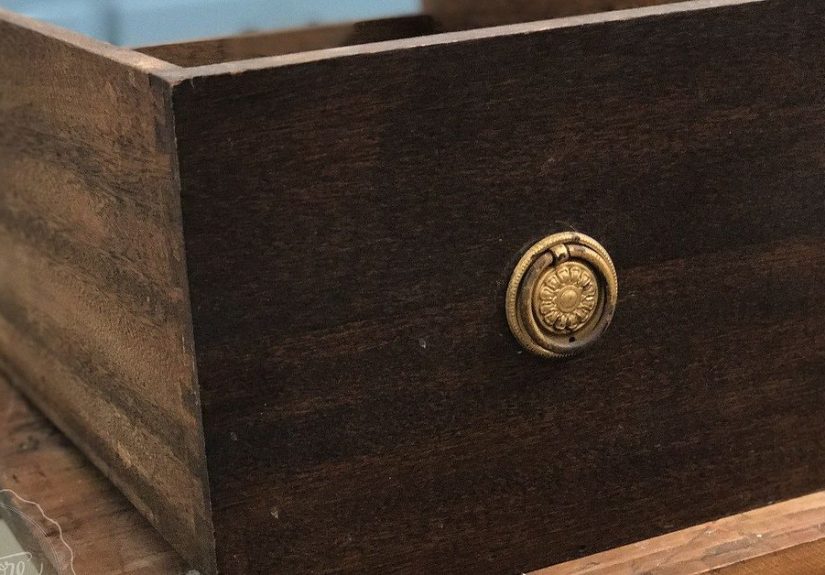
Farmhouse style often mixes old and new. That means a repurposed drawer can look even better if it keeps some original details, such as old pull holes, worn corners, or antique-style hardware. You are not trying to erase the past. You are giving it better lighting.
4. Practical function
A farmhouse piece should do something. Hold towels. Organize mail. Display mason jars. Catch dog leashes. Store rolled washcloths. Corral pantry odds and ends. If your drawer looks pretty but serves no purpose, farmhouse style starts raising one skeptical eyebrow.
5. Texture over flash
Farmhouse décor feels layered because it uses woven baskets, linen, metal, glass, greenery, and wood together. When styling your drawer, choose texture and usefulness over shiny clutter. This is not the time for glitter. Glitter and farmhouse have the chemistry of cats and bathtubs.
Best Ways to Repurpose an Old Drawer
One of the best things about a drawer is that it already has built-in structure. It is basically a box with a backstory. That gives you plenty of options.
Farmhouse tray
Add handles to each side, paint or stain it, and use it as a serving tray or coffee table display. It looks especially good styled with candles, a small vase, coasters, and a stack of books that say, “Yes, I enjoy cozy interiors and maybe soup.”
Wall shelf
Mount the drawer on the wall with the open side facing out or upward. This works beautifully in bathrooms for rolled towels, in kitchens for jars and cookbooks, or in entryways for seasonal décor and little storage baskets.
Bathroom organizer
A repurposed drawer is ideal for corralling hand towels, soaps, lotions, and small jars. If you want a farmhouse bathroom look, pair a painted drawer with glass bottles, white towels, and a touch of greenery.
Entryway catchall
Use it for keys, sunglasses, outgoing mail, pet leashes, and the mysterious collection of small objects that always forms near the front door. Add a wire basket or divided containers inside if your family has a talent for creative chaos.
Nightstand shelf or bedside organizer
Place a drawer on a shelf, bench, or small table and use it to organize books, chargers, hand cream, and reading glasses. It makes your room feel styled without looking too staged.
Open storage on a bench or console
Slide a finished drawer under a bench or onto an open shelf to hold seasonal décor, extra napkins, craft supplies, or kids’ items. This is farmhouse style at its finest: attractive, approachable, and not pretending that nobody in the house owns stuff.
How to Create the Farmhouse Look Step by Step
Start with a solid drawer
Check that the drawer is sturdy, square, and worth saving. Tighten loose joints, glue separated corners, and fill deep gouges if needed. You do not need perfection, but you do want structure. Charming distress is good. A drawer collapsing under a folded towel is less charming.
Clean like you mean it
Old furniture collects dust, grease, wax, and mysterious residue from lives previously lived. Wipe the drawer thoroughly before doing anything else. A clean surface gives primer, paint, or stain a fair chance to stick instead of filing a formal complaint.
Sand for better adhesion
Light sanding helps smooth rough areas and gives new finishes something to grab onto. If you plan to paint, a light scuff sand is often enough for many wood pieces. If the existing finish is glossy, sanding matters even more. For farmhouse style, you do not need a baby-smooth ultra-modern surface, but you do want a finish that lasts longer than your weekend motivation.
Choose paint or stain based on the look you want
For a painted farmhouse finish, try warm white, soft black, muted sage, or dusty blue. For a more rustic look, stain the wood in a medium or weathered tone. You can also combine the two: paint the exterior and stain the interior, or paint the body and leave the edges slightly exposed for contrast.
Use thin coats
Multiple thin coats look cleaner than one thick coat. Thick paint tends to show brush marks, drip at the corners, and generally behave like it has never been told “less is more.” Let each coat dry properly. Light sanding between coats can help keep the finish smooth.
Distress with restraint
Farmhouse distressing works best when it looks natural. Focus on edges, corners, and places that would wear over time, such as around handles or along the top lip. The goal is “well-loved” rather than “attacked by sandpaper in broad daylight.”
Add a protective finish when needed
If the drawer will hold daily-use items or live in a high-touch space, seal it. A matte or satin topcoat usually keeps the farmhouse look intact while adding durability. For stained wood, a protective clear finish helps preserve the look and makes cleanup easier.
Upgrade the hardware
New side handles, bin pulls, or cup pulls can transform the piece. Black metal, aged brass, antique bronze, or simple iron-style hardware all work well with farmhouse design. Hardware is like jewelry for furniture, except far less likely to get lost in the couch.
Farmhouse Color Ideas for a Repurposed Drawer
If you are standing in front of paint swatches with the thousand-yard stare of a person who has seen too many whites, here are some dependable directions.
Crisp white
Bright but classic. Great for bathrooms, laundry rooms, and kitchens. White helps an old drawer feel fresh while still letting its shape and texture stand out.
Warm cream
Softer than white and more forgiving. Cream adds instant coziness and works beautifully with wicker baskets, linen towels, and aged brass hardware.
Greige or soft taupe
Perfect for modern farmhouse spaces that want subtle warmth without looking yellow. This shade plays well with black metal accents and natural wood.
Muted black
For contrast lovers, a soft black drawer can look stunning on an entry console or open shelf. It feels grounded, simple, and a little dramatic in the best way.
Dusty blue or sage green
These tones add color without wrecking the calm farmhouse mood. They are especially nice for drawers repurposed into bathroom storage, bedside organizers, or decorative trays.
How to Style the Finished Piece
The best farmhouse styling feels relaxed, not over-rehearsed. Your drawer should look useful first and photogenic second.
For a tray, try a candle, a ceramic pitcher, a short stack of books, and a small plant. For bathroom storage, use rolled white towels, amber bottles, soap, and a small framed print. In an entryway, add mail, keys, a little bowl, and a mini vase with eucalyptus or dried stems. In a kitchen, use mason jars, napkins, recipe cards, or spice containers.
Keep the display balanced. Do not fill every inch. Empty space is part of the charm. Farmhouse style likes a little breathing room. Otherwise, your thoughtfully styled drawer starts looking like it lost a fight with a discount craft aisle.
Mistakes to Avoid
Going too theme-heavy
You do not need to stamp “FARM FRESH” on every surface. Let the materials and finish do the talking. A drawer can whisper charm. It does not need to yell country slogans from across the room.
Ignoring function
Before you decorate it, decide how it will be used. That decision affects the finish, hardware, and interior setup. A tray needs handles. A wall shelf needs secure mounting. A bathroom organizer needs a surface that can handle regular wiping.
Over-distressing
A little wear creates character. Too much wear creates confusion. If it looks like the drawer survived a small tornado, pull back.
Skipping prep
Paint is not magic. It does not fix grease, dust, loose joints, or peeling finish by sheer force of optimism. Prep matters.
Experience: What It Really Feels Like to Style a Repurposed Drawer in Farmhouse Fashion
The first time you repurpose an old drawer, you may begin with confidence and end with sawdust in your hair and paint on your elbow. That is part of the experience. Farmhouse projects are rarely about perfection. They are about the oddly satisfying moment when a forgotten piece starts looking like it belongs in your home again.
Many people discover that the emotional part of the project is stronger than expected. An old drawer can come from a childhood dresser, a yard sale find, a flea market bargain, or a hand-me-down from a relative whose furniture was built like it planned to outlive everyone. Once you start sanding, cleaning, and choosing colors, the drawer stops being junk and starts feeling like a story you get to continue.
There is also a practical joy in the transformation. You begin with something awkward and dusty, often missing context, and end with a piece that solves a real problem. Suddenly the bathroom has prettier storage. The entryway is less chaotic. The coffee table looks more intentional. The bedroom shelf feels warmer. It is one of those rare home projects that can be both decorative and genuinely useful, which is basically farmhouse style in a nutshell.
Another common experience is learning restraint. At first, it is tempting to add everything: stencil lettering, extra distressing, five bows of twine, two miniature wreaths, and enough faux greenery to open a small garden center. Then something wonderful happens. You remove half of it. The drawer looks better. You realize farmhouse style is strongest when it feels simple, honest, and slightly imperfect. It does not need a costume.
People also tend to remember the sensory details. The smell of wood after sanding. The difference between rough old edges and the smoother surface after prep. The way matte paint softens the piece. The satisfying click of new hardware. The moment you set it on a shelf, step back, and think, “Wait, I made that?” That feeling is no small thing. A repurposed drawer may be a modest project, but it gives you the kind of confidence that leads to dangerous thoughts like, “Maybe I should redo the whole console table too.”
Perhaps the best part is that no two finished drawers are exactly alike. One might feel bright and airy in white with black iron handles. Another may look richer with stained wood, linen, and brass accents. One family may use it to store dog leashes and sunglasses. Another may fill it with guest towels and soaps. Someone else may turn it into a coffee table tray and suddenly become the kind of person who arranges candles seasonally. Growth comes in many forms.
In the end, the experience of creating farmhouse style from a repurposed drawer is less about chasing a trend and more about building a home that feels layered, useful, and personal. It proves that good style does not always begin with a shopping cart. Sometimes it begins with an old drawer, a little patience, and the willingness to see potential where someone else saw leftovers.
Final Thoughts
A repurposed drawer is small enough to finish in a reasonable amount of time and meaningful enough to change a space. That makes it a nearly perfect farmhouse project. It combines function, warmth, texture, and history in one compact piece. It also gives you permission to decorate more thoughtfully and waste less, which is always in style.
So the next time you find an old drawer sitting alone, do not assume it is useless. It may be a tray, a shelf, an organizer, a display piece, or the most charming little farmhouse upgrade in the room. All it needs is a second chance and someone with decent taste and a sanding block.