Table of Contents >> Show >> Hide
- What Makes Falcon Fabricware Tea Towels Different?
- Why Tea Towels Still Matter in a Modern Kitchen
- Materials, Weave, and Performance
- Style: The Quiet Power of Stripes and Heritage Design
- Best Uses for Falcon Fabricware Tea Towels
- How to Care for Tea Towels So They Last
- Who Should Buy Falcon Fabricware Tea Towels?
- Are Falcon Fabricware Tea Towels Worth It?
- Kitchen Experiences: What Living With Falcon Fabricware Tea Towels Feels Like
- Conclusion
Some kitchen tools shout for attention. Others quietly become the most useful thing in the room. Falcon Fabricware tea towels belong firmly in the second camp. They are the kind of kitchen textile that looks crisp hanging from an oven handle, feels practical in the hand, and somehow manages to make even a slightly chaotic Tuesday-night dinner look more organized. That is not magic. That is good design doing its job.
If you have ever wondered why people get oddly passionate about tea towels, welcome to the club. It starts with one striped cloth and ends with a strong opinion about weave, absorbency, lint, and whether a towel should be pretty enough for guests but sturdy enough for tomato splatters. Falcon Fabricware tea towels sit right in that sweet spot. They combine the old-school appeal of classic tea towels with the kind of durability modern kitchens demand. In other words, they are not just there to look charming while your sourdough cools dramatically on the counter.
What Makes Falcon Fabricware Tea Towels Different?
Falcon as a brand is best known for enamelware, so its move into fabricware feels less like a random side quest and more like a logical extension of a kitchen-first design philosophy. The tea towels are made in a cotton-and-linen blend, a combination that tends to win fans because it balances softness, absorbency, structure, and quick drying. Cotton brings everyday ease. Linen adds strength, a more refined hand feel, and the kind of absorbency that makes people say, “Wait, why is this towel actually good?”
The appeal of Falcon Fabricware tea towels is not based on one flashy feature. It is based on a stack of smart choices that work together:
- A woven cotton-linen blend that is practical for kitchen use
- A flat-weave style that is better for low-lint drying and polishing
- Classic striped designs that pair naturally with traditional and modern kitchens
- A size generous enough for real jobs, not just decorative hanging duty
- A design language that complements enamelware, wood, ceramics, and stone surfaces
In plain English, Falcon Fabricware tea towels look pulled together without feeling precious. That matters. A kitchen towel should not behave like a museum object. It should be able to dry glasses, line a bread basket, cover rising dough, catch a dripping pot lid, and still look respectable after laundry day.
Why Tea Towels Still Matter in a Modern Kitchen
In the era of paper towels, microfiber cloths, and enough single-use products to make your trash can feel emotionally overworked, the humble tea towel has survived for a reason. A good tea towel is reusable, versatile, and far more elegant than ripping off a paper sheet every time you wash lettuce or wipe up a splash near the sink.
1. They Dry Without the Drama
Flat-woven tea towels are often preferred for tasks where terry cloth feels too bulky or leaves behind lint. That makes them particularly handy for drying glassware, plates, and hands when you want a cleaner finish. If you have ever polished a wine glass with the wrong towel and ended up with a film of fuzz, you already understand the stakes here.
2. They Handle More Than Dishes
A Falcon-style tea towel is useful for far more than post-dinner cleanup. It can line a bowl of greens, cradle still-warm biscuits, wrap fresh bread, protect delicate produce, or act as a quick barrier between a hot serving dish and a table. Good tea towels earn their keep because they multitask without needing applause.
3. They Bring Design Into Everyday Utility
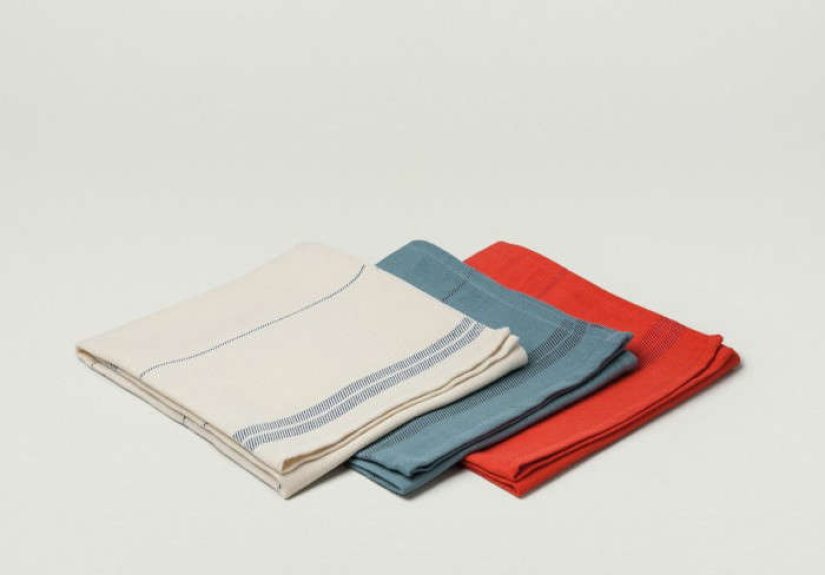
Plenty of kitchen textiles are functional. Fewer are attractive enough to stay visible all day. Falcon Fabricware tea towels have the visual discipline that design-minded shoppers appreciate: clean stripes, restrained color palettes, and a heritage-inspired look that does not fight the rest of the kitchen. They are subtle. They are tidy. They do not scream for compliments, which is exactly why they get them.
Materials, Weave, and Performance
When shopping for kitchen towels, people often focus on color first and fabric second. That is understandable. It is also a little like buying running shoes based only on how cool the laces look. Material matters. A lot.
The Cotton-and-Linen Blend Advantage
Cotton is familiar, soft, washable, and reliable. Linen is strong, naturally absorbent, and tends to dry relatively quickly. Together, they create a fabric that feels tailored to kitchen life. That blend helps explain why Falcon Fabricware tea towels are often described as both durable and highly absorbent. They are built for repeat use, not one glamorous photo and an early retirement in the drawer.
Why Flat Weave Works
Tea towels are typically flatter and smoother than thick terry dish towels. That gives them two advantages. First, they are easier to fold, drape, and store. Second, they are especially useful for lower-lint tasks like drying dishes, polishing glasses, or covering food. If terry towels are the weightlifters of the towel world, tea towels are the skilled dancers who also know how to cook.
Absorbency Is More Than a Buzzword
“Absorbent” gets thrown around so often in product descriptions that it starts to lose meaning. In practice, absorbency is about how quickly a towel pulls in moisture, how evenly it spreads that moisture through the fabric, and how fast it dries afterward. Falcon Fabricware tea towels are appealing because the fabric blend suggests a balance of absorbency and usability. They are not trying to be plush bath towels in disguise. They are trying to be efficient kitchen companions, which is much more helpful.
Style: The Quiet Power of Stripes and Heritage Design
Falcon’s design identity has always leaned toward timeless utility, and its tea towels follow that same path. The striped look feels rooted in classic kitchen traditions, yet it also works beautifully in contemporary spaces. A white-and-blue stripe looks crisp in a farmhouse kitchen, clean in a city apartment, and unexpectedly cool in a minimalist home full of matte black hardware and self-control.
The color story matters too. Neutral bases with simple stripe detailing tend to age well visually. Trend-driven prints can be fun, but they often date themselves faster than a kitchen gadget bought during an overly optimistic organizational phase. Falcon Fabricware tea towels feel steadier. They are the kitchen-textile equivalent of a well-made white shirt: not boring, just impossible to regret.
Best Uses for Falcon Fabricware Tea Towels
If you are bringing Falcon Fabricware tea towels into your kitchen, here are the jobs where they make the most sense:
- Drying dishes and glassware without leaving heavy lint behind
- Covering proofing dough or resting baked goods
- Lining bread baskets or serving trays for a more polished presentation
- Wrapping warm rolls, scones, or muffins on the table
- Drying herbs, greens, or produce after rinsing
- Keeping one visible towel for hands and one for dishes to stay more hygienic
- Adding a simple decorative accent to the kitchen when not in use
That versatility is a huge part of the appeal. One towel can do a lot, which is nice because most of us do not have the storage space or emotional bandwidth for a separate cloth dedicated to every possible kitchen scenario.
How to Care for Tea Towels So They Last
Even the best kitchen towels lose their magic if they are washed carelessly. To keep a cotton-linen tea towel working well, avoid treating it like a random sock from the laundry abyss. A few practical habits go a long way:
Wash Them Regularly
Kitchen towels pick up moisture, food residue, and bacteria more quickly than most people realize. A towel used heavily during cooking should be washed often, ideally before it starts smelling like a very small, very disappointed swamp.
Skip Fabric Softener
Fabric softener can leave residue that reduces absorbency. That means your towel may feel soft but perform like a decorative napkin with ambition issues. If your goal is actual drying power, less is more.
Do Not Overload the Washer
Towels need room to move so detergent and water can do their job. Overstuffing the machine traps residue and makes even quality textiles feel rougher over time.
Dry Thoroughly
Damp towels stored in a heap can develop odor fast. Let them dry completely between uses, and avoid tossing wet kitchen textiles into a basket where they can marinate in regret.
Who Should Buy Falcon Fabricware Tea Towels?
These tea towels make the most sense for shoppers who care about both function and aesthetics. If you want the cheapest possible towel for messy cleanup jobs, there are bulk cotton options that may suit you better. But if you want a towel that performs well, looks elevated, and complements a thoughtfully designed kitchen, Falcon Fabricware tea towels are much more compelling.
They are especially well suited for:
- Home cooks who want reliable, reusable kitchen linens
- Design-conscious shoppers who prefer understated heritage style
- People building a coordinated kitchen around enamelware or classic tabletop pieces
- Gift buyers looking for something practical that still feels refined
- Anyone trying to reduce dependence on disposable paper towels
Are Falcon Fabricware Tea Towels Worth It?
For the right buyer, yes. Their value comes from the combination of material quality, versatile use, and lasting design appeal. They are not exciting in a gimmicky way. They are exciting in the grown-up, deeply satisfying way that makes you notice you keep reaching for the same towel over and over again. That kind of loyalty does not happen by accident.
Falcon Fabricware tea towels also occupy a useful middle ground in the kitchen-textile market. They feel elevated without becoming untouchable. They look stylish without losing practical purpose. They nod to tradition without reading like costume decor. In a world full of products that either overpromise or underperform, that balance is refreshing.
Kitchen Experiences: What Living With Falcon Fabricware Tea Towels Feels Like
The real test of any tea towel is not how it looks folded on a product page. It is what happens after two weeks in a real kitchen. You buy a Falcon Fabricware tea towel because the stripes are handsome and the whole thing feels tastefully self-assured. Then the towel starts doing actual work, and that is when the relationship gets serious.
First comes the morning coffee routine. You wash a mug, rinse a spoon, and grab the towel hanging from the oven handle. It feels lighter and more nimble than a thick terry towel, which is exactly why it works. It wipes down a mug cleanly, polishes the spoon, and does not leave little lint souvenirs behind. Tiny victory. But tiny victories are the architecture of a decent day.
By lunchtime, the same towel is helping with produce. You rinse herbs, pat romaine dry, and spread the leaves across the cloth for a minute before chopping. The towel is absorbent without feeling soggy immediately, which is an underrated superpower. Nobody writes dramatic movie monologues about moisture management, but honestly, maybe they should.
Then there is the baking moment, where tea towels tend to earn permanent status. A Falcon Fabricware tea towel draped over proofing dough looks charming, yes, but more importantly, it feels appropriate. It is breathable, practical, and far better than balancing a random plastic lid over a bowl and hoping your dough understands the assignment. Later, when rolls come out of the oven, the towel wraps them neatly in a basket and keeps the table looking warm and inviting instead of chaotic.
There is also the visual experience, which should not be dismissed. Some kitchen towels make a room look busier. Falcon-style striped tea towels usually do the opposite. They bring a bit of calm. Whether your kitchen is tiny, open-plan, rustic, modern, or somewhere in the very relatable category of “still figuring itself out,” a clean striped towel adds a note of order. It makes the room feel intentional, even if there is a cutting board in the sink and a grocery bag still on the floor.
Over time, you also notice how these towels encourage better habits. Because they look good, people are more likely to hang them properly instead of abandoning them in a damp heap. Because they feel substantial, they often get assigned jobs more thoughtfully: one for drying clean dishes, one for hands, one for food prep. Suddenly the kitchen feels a little more functional, a little more hygienic, and a lot less like every cloth in the room is trying to do every job badly.
That is really the charm of Falcon Fabricware tea towels. They are not flashy kitchen heroes. They are dependable supporting characters with excellent taste. They do the practical work, improve the look of the space, and make everyday routines feel a little more composed. And frankly, in most homes, that is exactly the kind of luxury people actually use.
Conclusion
Falcon Fabricware tea towels are a strong example of how a simple kitchen textile can deliver style, utility, and longevity all at once. Their cotton-linen construction, flat-weave practicality, and timeless striped design make them appealing to anyone who wants a kitchen that works hard and looks good doing it. They are useful for drying dishes, covering dough, lining baskets, styling a kitchen, and cutting down on disposable paper use. Best of all, they feel like objects you genuinely want to keep around, not just clutter you tolerate because it wipes things.
In a crowded world of kitchen linens, Falcon Fabricware tea towels stand out by refusing to be loud. They are thoughtful, durable, attractive, and deeply practical. Sometimes that is the best possible product strategy. Sometimes the smartest item in the kitchen is just a really excellent towel.