Table of Contents >> Show >> Hide
- What Is an Extended Tummy Tuck?
- Who Might Be a Good Candidate?
- Extended Tummy Tuck Procedure: What Actually Happens
- Scars and “Pictures”: How to Read Before-and-After Photos Like a Pro
- Recovery Timeline: What the First 3 Months Often Look Like
- Risks, Complications, and How Teams Reduce Them
- Cost: What an Extended Tummy Tuck Usually Includes
- Choosing a Surgeon and Facility: Quality Beats “Deals”
- Frequently Asked Questions
- Extended Tummy Tuck Experiences: What Patients Commonly Share (About )
- Conclusion
If a standard tummy tuck is the “tidy up the room” version of body contouring, an extended tummy tuck is the “tidy up the room,
vacuum the corners, and finally deal with that mysterious pile near the door” upgrade. It’s designed for people who have loose skin and stubborn fullness
not only across the front of the abdomen, but also along the hips and flanks (the “love handle” area).
This guide breaks down what an extended tummy tuck is, how the procedure typically works, what “pictures” (before-and-after photos) can really tell you,
how recovery usually feels in real life, and what costs look like in the U.S. I’ll keep it clear, practical, and realisticbecause surgery is not the place
for fairy tales (or “one weird trick” energy).
Quick safety note: Cosmetic procedures are generally intended for adults. If you’re under 18, the conversation usually shifts to medical necessity,
growth considerations, and parental/guardian involvement. Either way, decisions should be made with qualified cliniciansnot TikTok lighting.
What Is an Extended Tummy Tuck?
An extended tummy tuck (also called extended abdominoplasty) is a surgical procedure that removes excess skin and fat from
the lower and mid-abdomen and extends the contouring outward toward the hips and flanks. The main difference from a traditional tummy tuck is the
length and reach of the incision: it typically runs low across the abdomen and continues farther around the sides to address laxity that
doesn’t stop neatly at your hip bones.
Extended vs. Standard vs. Mini vs. 360
- Mini tummy tuck: Targets skin and fat below the belly button. Shorter incision, smaller scope.
-
Standard (full) tummy tuck: Addresses the front of the abdomen (often above and below the belly button) and usually includes belly-button
repositioning. -
Extended tummy tuck: A full tummy tuck plus additional contouring toward the sides/flankshelpful when loose skin “spills” around the
waistline. -
360 tummy tuck / circumferential body lift: Goes around the entire torso (front, sides, and back). Bigger scar, bigger change, bigger
recovery planning.
Extended Tummy Tuck vs. Panniculectomy
People often mix up these terms. A panniculectomy focuses on removing an overhanging “pannus” (excess skin/fat apron) and is sometimes
considered reconstructive/medically necessary, depending on symptoms and insurance criteria. A tummy tuck is typically cosmetic and may
include additional steps like tightening the abdominal fascia (often described as “muscle tightening”) and reshaping the belly button.
Who Might Be a Good Candidate?
The best candidates usually have stable weight, excess abdominal skin (often after pregnancy or major weight loss), and
laxity that extends into the flanks. “Stable” matters more than “perfect”surgeons generally want your weight to be steady so results aren’t undone by big
swings.
Common reasons people consider an extended tummy tuck
- Loose skin after significant weight loss
- Skin laxity and stretch after pregnancy (sometimes paired with muscle separation/diastasis repair)
- Abdominal fullness plus flank laxity that a standard tummy tuck may not fully address
- Rashes or irritation under skin folds (note: this may also overlap with panniculectomy discussions)
When surgeons may say “not yet” (or “not you”)
- Nicotine use (smoking/vaping/patches): nicotine can significantly raise the risk of wound-healing problems
- Uncontrolled diabetes or other conditions that increase surgical risk
- Plans for future pregnancy (not always a deal-breaker, but it can stretch tissues again)
- Unstable weight or active weight-loss phase
- Expectations that sound like “I want a whole new body by next Friday” (respectfully… no)
If you’re under 18
Extended tummy tuck is typically an adult cosmetic procedure. For minors, surgeons are more cautious because bodies are still developing,
and the decision can be heavily influenced by body image pressure. If you’re exploring this topic personally, consider starting with a conversation with a
trusted adult and a medical professional who can discuss health, growth, and safer alternatives.
Extended Tummy Tuck Procedure: What Actually Happens
Every surgeon has their own approach, but most extended tummy tucks follow a similar blueprint. The goal is to remove excess tissue, tighten supportive
structures, and re-drape the skin for a smoother contour.
1) Consultation and planning
This is where you talk about goals, medical history, prior surgeries, scars, pregnancies, weight changes, and whether you’d benefit from liposuction in
addition to excision. You’ll also review incision placement and scar expectations (because scars are the “receipt” for surgery).
2) Anesthesia and surgical setting
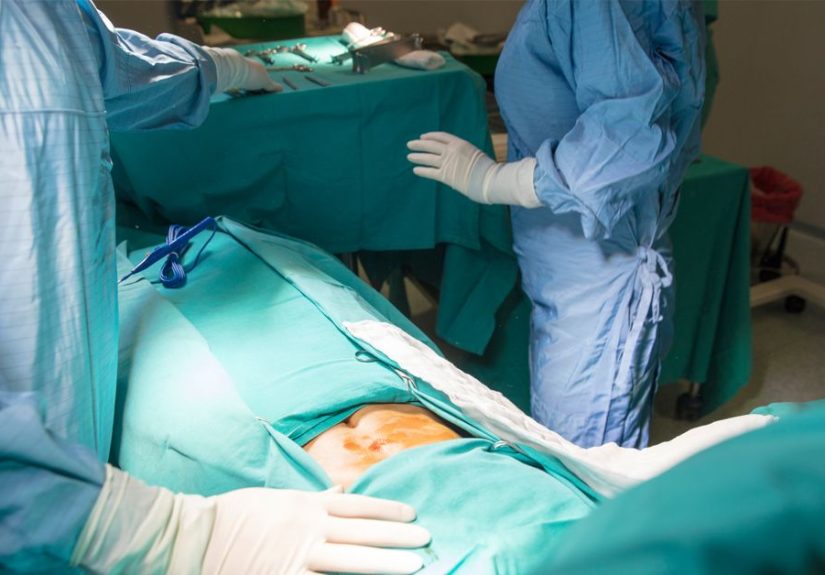
Extended tummy tucks are typically performed under general anesthesia in an accredited surgical facility. Your surgeon and anesthesia team
will review medications and supplements you take, and you’ll get instructions about fasting and what to stop beforehand.
3) Incisions and tissue removal
The incision is generally placed low on the abdomen so it can be hidden under underwear or a swimsuit bottom. In an extended tummy tuck, it continues
farther around the sides to address flank laxity. Excess skin and fat are removed, and the remaining tissues are repositioned.
4) “Muscle tightening” (fascia repair)
Many tummy tucks include tightening of the abdominal fascia (the connective tissue layer over the muscles). People call this “muscle
repair,” but surgeons are typically tightening the fascia to narrow the abdominal wall when it has widened or separated.
5) Belly button reshaping
In a full/extended tummy tuck, the belly button often needs to be brought through the newly positioned skin and reshaped for a natural look.
6) Drains, closure, and compression
Some surgeons use drains to reduce fluid buildup (seroma). Others use techniques designed to reduce the need for drains. After closure,
you’ll typically wear a compression garment to help manage swelling and support healing.
Scars and “Pictures”: How to Read Before-and-After Photos Like a Pro
When people say “pictures,” they usually mean before-and-after galleries. Those can be helpful, but they can also be wildly misleading if you don’t know
what to look for. (Lighting is a powerful magician.)
What you can learn from photos
- Incision length and placement: Extended procedures usually show a longer scar that wraps farther around the hips.
- Waist and flank contour: Look at side anglesnot just front-facing shots.
- Belly button appearance: Natural-looking belly buttons are usually small, vertically oriented, and not obviously “pasted on.”
- Consistency: Are the before and after angles, posture, and lighting similar?
What photos cannot guarantee
- Your exact scar appearance (skin type, healing, and genetics matter)
- Your exact swelling pattern (some people swell longer)
- That you’ll have the same “after” at two weeks (most galleries show months-long results)
Smart questions to ask during a consult
- “How long after surgery is this ‘after’ photo?”
- “How often do you perform extended tummy tucks?”
- “What’s your approach to seroma prevention?”
- “How do you manage scars and what do you recommend for scar care?”
Recovery Timeline: What the First 3 Months Often Look Like
Recovery is where the real work happensmostly your body doing healing while you master the art of moving like a careful, slightly bent-over robot for a
little while.
Days 1–7: The “slow and steady” phase
- You’ll likely be sore, tired, and swollen.
- You may have drains and a compression garment.
- Short, frequent walks are usually encouraged, but you’ll also need lots of rest.
- You may need help standing up, showering, and managing meals/meds.
Weeks 2–4: Swelling is still a main character
- Many people return to desk work somewhere in this window, depending on the extent of surgery and job demands.
- You’ll still be avoiding heavy lifting and strenuous activity.
- Incisions may itch as they heal. (Itching is annoying, but often a normal healing sign.)
Weeks 5–8: Gradual return to activity
- Light exercise may be reintroduced if your surgeon clears you.
- You may feel more upright and mobile, but swelling can still fluctuateespecially later in the day.
Months 2–3: Results start looking more “real”
- Swelling continues to decrease, and contours become more defined.
- Scar appearance evolves and typically continues changing for many months.
Big picture: many sources note that it can take several months to appreciate more final contours, and scar maturation can continue
up to a year or longer. Patience isn’t just a virtue hereit’s basically post-op currency.
Risks, Complications, and How Teams Reduce Them
All surgery carries risk. An extended tummy tuck can have a higher complexity than a standard tummy tuck because it covers a larger area and may involve
longer operative time.
Potential risks (not exhaustive)
- Seroma (fluid collection): may require drainage
- Infection
- Bleeding/hematoma
- Delayed wound healing or skin loss (risk increases with nicotine use)
- Blood clots (DVT/PE): rare, serious
- Numbness or altered sensation
- Scarring (including thick or raised scars)
- Asymmetry or need for revision
Risk factors that matter a lot
Large studies have found complication risks can increase with factors such as diabetes, being significantly underweight or morbidly obese,
and certain procedure types. This is one reason surgeons put so much emphasis on medical optimization and careful patient selection.
How clots are prevented (hint: it’s not only “just walk”)
Early movement is important, but prevention typically uses multiple strategies (based on your risk profile): compression devices, compression stockings,
and sometimes medications. Hospitals emphasize that walking alone isn’t always sufficient as the only prevention strategyyour care plan should follow your
surgical team’s orders.
Cost: What an Extended Tummy Tuck Usually Includes
Let’s talk numberswithout pretending there’s one universal price tag. In the U.S., the average surgeon’s fee for a tummy tuck is commonly
cited around the mid–$8,000 range, but that is only part of the full cost. Extended tummy tucks often cost more than standard tummy tucks because they can
involve a longer incision, more contouring, and potentially more operating time.
Typical “all-in” cost range (U.S.)
Many patients see total quotes that land roughly in the $10,000–$20,000+ neighborhood, depending on geography, surgeon experience, facility
type, anesthesia, and whether liposuction or additional procedures are included. Major metro areas tend to be higher.
What your quote may include
- Surgeon’s fee
- Anesthesia fee
- Facility or operating room fees
- Pre-op labs/clearances (if required)
- Compression garment(s)
- Post-op appointments
- Prescriptions (pain control, antibiotics if prescribed)
A realistic example (hypothetical)
Here’s what a sample breakdown might look like for an extended tummy tuck in a mid-to-high cost region:
- Surgeon fee: $9,500
- Anesthesia: $1,800
- Facility: $2,800
- Garments/medical supplies: $300
- Total: $14,400
That number could be lower or higher depending on your case and location. The key is to ask what’s included and what isn’t, in plain English.
Will insurance cover it?
Most insurance plans treat abdominoplasty as cosmetic. However, panniculectomy may be covered in some cases when there’s
documented medical necessity (for example, chronic skin issues under a pannus that don’t respond to treatment), and insurers publish detailed criteria.
Coverage varies widely by plan, so it’s important to check your specific policy and documentation requirements.
Choosing a Surgeon and Facility: Quality Beats “Deals”
If you only remember one thing: choose safety and training over bargain pricing. You’re not buying a toasteryou’re hiring a team to
operate on your body.
What to look for
- Board certification in plastic surgery (verify through the American Board of Plastic Surgery)
- Accredited surgical facility (and a qualified anesthesia provider)
- Experience with extended tummy tucks specifically
- Clear complication/revision policies and transparent pricing
- Before-and-after photos of patients with similar body type and concerns
Questions that protect you (and your future self)
- “How do you handle seromas and wound-healing issues if they occur?”
- “What’s your protocol for clot prevention for someone like me?”
- “What does follow-up care look likeand who answers after-hours concerns?”
- “If I need a revision, what costs might I be responsible for?”
Frequently Asked Questions
Does an extended tummy tuck help you lose weight?
It’s a contouring procedure, not a weight-loss procedure. Some weight is removed with skin/fat, but the main goal is shape and skin
tightness. Long-term results depend heavily on stable weight and healthy habits.
Will it remove stretch marks?
Stretch marks on the skin that gets removed (often below the belly button) may be reduced. Stretch marks above that area usually remain, though they may
shift position.
How long will I be out of commission?
Many people need at least a couple weeks of true downtime, then a gradual return to normal activities. Strenuous exercise and heavy lifting typically wait
longer. Your surgeon’s instructions matter most because your specific operation and health profile matter.
Is the scar permanent?
Yesscars are permanent, but they typically fade and flatten over time. Scar maturation can take many months. Placement is usually planned low to be
hidden under most underwear/swimwear.
Can I have kids after an extended tummy tuck?
Many people can, but pregnancy may re-stretch the abdominal area and change results. If you know you want more pregnancies soon, many surgeons recommend
waiting.
Extended Tummy Tuck Experiences: What Patients Commonly Share (About )
“Experience” is a tricky word because no two recoveries are identicalbut patterns show up again and again in patient stories and post-op checklists.
If you’re trying to imagine what real life looks like after an extended tummy tuck, here are some of the most commonly shared themes (with the very
important reminder: your surgeon’s instructions are the rules of the road).
The first few days feel like a slow-motion routine
Many patients describe the first week as surprisingly humbling. Standing up straight can feel tight at first, and simple tasksgetting out of bed,
using the bathroom, stepping into the showermay require help. People often say they were grateful they set up a “recovery nest” ahead of time: extra
pillows, easy snacks, water within arm’s reach, phone charger, and loose clothing that doesn’t fight the compression garment like it’s auditioning for
a wrestling match.
Drains are annoying… but often manageable
If drains are used, patients frequently mention that they’re not “painful” so much as awkward and inconvenient. Learning how to empty them and track
output becomes part of the daily routine. Many people feel relieved once drains are removed, but it’s also common to notice that swelling can still
fluctuateespecially later in the day.
Swelling has a long-term lease
A repeated refrain is: “I didn’t realize how long swelling lasts.” Some days look better than others, and it’s normal for the abdomen and flanks to feel
tight or puffy for weeks (sometimes months). Patients often say the “final” look arrived gradually, not overnightmore like a slow reveal than a movie
makeover montage.
Comfort hacks matter more than you’d think
Patients commonly mention sleeping slightly elevated, moving carefully, and taking short walks as directed. They also talk about the value of practical
planning: taking time off work, arranging childcare help, and having someone available for the first 24–48 hours (or longer if needed). People who tried
to “power through” too soon often report a tough day or two that convinced them rest is not lazinessit’s part of the job.
Emotion can be a roller coaster (and that’s normal)
Even when surgery is wanted, it can be emotionally intense. Some patients feel thrilled, then worried, then impatient, then relievedall while wearing
compression and wondering if swelling will ever clock out. Many say it helped to expect an “in-between phase,” where you’re healing but not yet seeing the
polished result. A supportive surgeon’s office and a realistic timeline can make a huge difference in how people cope mentally.
The most satisfied patients sound… boring (in a good way)
They tend to describe a process of steady recovery: following instructions, showing up to follow-ups, protecting the incisions, and giving their body time.
The best stories rarely include dramathey include planning, patience, and a team that takes safety seriously.
Conclusion
An extended tummy tuck can be a powerful option for people whose skin laxity and contour concerns extend beyond the front of the abdomen
into the hips and flanks. It’s not a shortcut to weight loss, and it comes with a longer scar and a recovery that requires real planningbut for the right
candidate, it may provide a more complete waistline and lower-torso contour than a standard tummy tuck alone.
The best next step is a consultation with a qualified, board-certified plastic surgeon who can explain what procedure matches your anatomy, how scars will
be placed, what recovery will look like for you, and what your total costs include. Think of it this way: you’re not shopping for a procedureyou’re
choosing a plan for healing.