Table of Contents >> Show >> Hide
- What Is Vaseline Glass?
- Why Vaseline Glass Glows
- Easy Ways to Identify Vaseline Glass: 10 Steps
- 1. Check the base color in natural light
- 2. Look for transparency
- 3. Use a black light in a dim room
- 4. Pay attention to the quality of the glow
- 5. Do not identify by color alone
- 6. Watch out for common lookalikes
- 7. Study the shape and style
- 8. Inspect wear, seams, and manufacturing clues
- 9. Learn the broader uranium glass family
- 10. Use a Geiger counter or expert opinion as a bonus check
- Common Mistakes People Make When Identifying Vaseline Glass
- Is Vaseline Glass Safe to Handle?
- How to Shop for Vaseline Glass Without Getting Fooled
- Real-World Experiences: What Identifying Vaseline Glass Actually Feels Like
- Final Thoughts
- SEO Tags
If you have ever picked up a yellow-green glass dish at a thrift store and thought, “Hmm, this either belongs in a museum or on an alien spaceship,” welcome to the delightful world of Vaseline glass. This collectible glassware has charmed antique lovers for generations because of its unusual color, its vintage appeal, and of course, its party trick: under ultraviolet light, it can glow a vivid green.
But here is the catch. Not every yellow-green piece is the real deal. Some glass only looks like Vaseline glass. Some glows for different reasons. And some sellers label anything neon-ish as “uranium glass” because it sounds exciting and helps justify the price tag. That is why learning how to identify Vaseline glass properly matters.
In this guide, you will learn easy, practical ways to spot Vaseline glass like a pro, even if you are brand new to collecting. We will cover color, transparency, black light tests, common lookalikes, age clues, and a few mistakes that trip up beginners. By the end, you will be much less likely to buy a fake and much more likely to feel smug in antique malls. Respectfully smug, of course.
What Is Vaseline Glass?
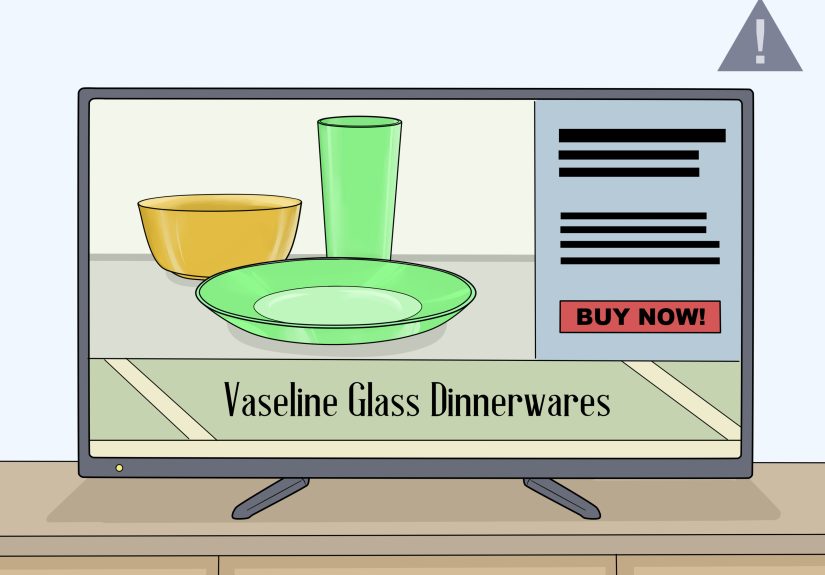
Vaseline glass is generally considered a transparent yellow to yellow-green type of uranium glass. The name comes from its resemblance to the older yellowish tone of petroleum jelly. In collector language, “uranium glass” is the broad family name, while “Vaseline glass” is usually the more specific nickname for the transparent yellowish variety.
That distinction matters. Not all uranium glass is Vaseline glass. Some uranium-bearing pieces are opaque, milky, pinkish, or greenish-white and belong to related categories such as custard glass, Burmese glass, or jadeite-style uranium glass. They can still glow under UV light, but if you are being precise, they are not always what collectors mean when they say “Vaseline glass.”
Historically, uranium was used as a colorant in glass in the 19th century and remained popular into the early 20th century. Production slowed dramatically around World War II when uranium supplies were redirected, and later pieces were often made in smaller decorative runs rather than everyday tableware. That history is part of the reason authentic older pieces feel a little magical today: they are beautiful, odd, and tied to a very specific era of glassmaking.
Why Vaseline Glass Glows
The famous glow comes from uranium in the glass reacting to ultraviolet light. Under a black light, authentic uranium glass typically fluoresces a bright green. That glow is one of the most useful clues for identification, but it is not the only clue, and it should never be your only clue.
Why? Because some other glass can fluoresce too. Clear glass with manganese may show a softer yellowish-green response. Some lead glass can glow bluish white. Repairs, coatings, and even modern materials can confuse the picture. So yes, the black light is your best friend, but it is not your entire personality.
Easy Ways to Identify Vaseline Glass: 10 Steps
1. Check the base color in natural light
Start with the simplest test: look at the piece in plain daylight or near a window. Classic Vaseline glass is usually transparent and ranges from pale yellow to yellow-green. If the piece is very dark emerald green, deep olive, or fully opaque white, you may be looking at another kind of glass entirely.
Think “lemon-lime with good manners,” not “traffic light green.” That gentle yellow-green tone is one of the biggest visual clues.
2. Look for transparency
Traditional Vaseline glass is transparent or semi-transparent. Hold it up to the light. Can you see through it? Is the body of the glass luminous rather than chalky? If yes, that supports the identification.
If the piece is opaque, it may still be uranium glass, but it is probably better described as custard glass, Burmese glass, or another related type. That does not make it less interesting. It just means the label should be more accurate.
3. Use a black light in a dim room
This is the test collectors love for a reason. Place the glass under a UV black light in a dark or dim room. Authentic uranium-bearing glass usually glows a bright, rich green. The stronger and cleaner that fluorescence, the better your odds that you have something real.
A small handheld UV flashlight is enough for most casual checks. Antique shoppers often keep one in a pocket, purse, or glove box. It is the sort of tool that makes you look either highly knowledgeable or wonderfully eccentric. Possibly both.
4. Pay attention to the quality of the glow
Not every glow means Vaseline glass. The color and intensity matter. Uranium glass tends to glow a vivid yellow-green to bright green. If the response is faint, patchy, or more bluish-white, you may be seeing something else.
Also check whether the whole body glows or just a few areas. If only a seam, repair, or residue lights up, that is a warning sign. Real uranium glass usually shows consistent fluorescence throughout the glass body.
5. Do not identify by color alone
This is where many beginners get into trouble. Some non-uranium glass can look almost identical to Vaseline glass in regular light. Other additives can create a similar yellow or green effect without producing the classic uranium response under UV.
So if a seller says, “It looks right to me,” smile politely and continue investigating. Color is a clue. It is not a verdict.
6. Watch out for common lookalikes
Clear old glass with manganese can glow under black light and fool people into thinking it is uranium glass. But manganese glass usually starts out clearer in normal light and may show a weaker, more ghostly glow. Lead glass can fluoresce too, often with a cooler bluish-white tone.
This is why experienced collectors compare normal-light appearance and UV reaction together. One without the other is like judging a book by the cover and never reading the weird chapter titles.
7. Study the shape and style
Authentic Vaseline glass often appears in antique tableware, decorative bowls, vases, candlesticks, toothpick holders, and small novelty items. If the shape screams “mass-produced modern home decor,” proceed carefully. Vintage patterns, pressed-glass forms, and older decorative styles can support authenticity.
That said, age alone does not prove uranium content. It simply adds context. A piece that both looks period-correct and glows properly is more convincing than one that only checks one box.
8. Inspect wear, seams, and manufacturing clues
Older glass often shows honest signs of age: light scratching on the base, mold seams that match older manufacturing methods, minor bubbles, or subtle wear from actual use. Reproductions can look too crisp, too uniform, or suspiciously fresh for something supposedly old enough to remember ragtime.
You are not looking for damage. You are looking for believable age. The best antique glass does not need to be perfect to be authentic.
9. Learn the broader uranium glass family
One of the smartest ways to identify Vaseline glass is to understand what it is not. If you know the difference between transparent Vaseline glass and related types like custard, Burmese, or jadeite-style uranium glass, you will avoid bad labels and better understand what you are buying.
This matters for collecting, pricing, and describing pieces accurately. It also saves you from telling a serious collector that your opaque pink vase is “definitely Vaseline glass” and watching them blink in silence.
10. Use a Geiger counter or expert opinion as a bonus check
If you collect often, a sensitive Geiger counter can provide additional confirmation, since some uranium glass may register above background at close range. But this is not the best first-line method for beginners. Other materials can also register, and fluorescence is usually more practical for everyday identification.
When in doubt, consult a reputable antique dealer, museum resource, collector group, or specialist in vintage glass. A second opinion can save you money and protect you from enthusiastic mislabeling.
Common Mistakes People Make When Identifying Vaseline Glass
- Assuming all glowing glass is uranium glass: It is not. Different additives can fluoresce.
- Assuming all uranium glass is Vaseline glass: Some uranium glass is opaque or belongs to a different collector category.
- Judging from online photos only: Camera filters, lighting, and seller optimism are not scientific tools.
- Ignoring transparency: Transparency is one of the easiest ways to separate classic Vaseline glass from related types.
- Forgetting context: Shape, age, wear, and construction help support identification.
Is Vaseline Glass Safe to Handle?
This is the question everyone eventually asks, usually right after they say, “Wait, uranium?” In normal display and casual handling situations, the radiation levels associated with Vaseline glass are generally considered very low. That is one reason these pieces have been collected and studied for years without widespread panic or people storing them in lead bunkers under the garage.
Even so, many collectors prefer to treat antique uranium glass as displayware rather than everyday kitchenware. That is a practical, common-sense approach. Avoid using chipped or damaged pieces for food or drink, wash your hands after handling dusty antiques, and store fragile items carefully. In other words, treat it like an old collectible first and a glowing conversation starter second.
How to Shop for Vaseline Glass Without Getting Fooled
If you are shopping in person, bring a small UV flashlight and check the piece in a darker corner if the seller allows it. Examine the color in regular light before you test the glow. Take note of transparency, pattern, weight, and condition. If the glow is great but the glass looks obviously modern, ask more questions.
If you are shopping online, request photos in natural light and under black light. Ask whether the piece is transparent or opaque. Ask about chips, cracks, and base wear. And if the listing says “possible Vaseline glass???” with twelve question marks and one blurry photo taken from orbit, maybe keep scrolling.
Real-World Experiences: What Identifying Vaseline Glass Actually Feels Like
There is a big difference between reading about Vaseline glass and actually hunting for it in real life. On paper, identification sounds neat and tidy: check the color, shine a black light, admire the glow, go home victorious. In reality, it is more like a treasure hunt with occasional moments of confusion, dusty fingers, and the strong possibility that you will end up crouching behind a flea market booth whispering, “Please glow, little bowl. Do it for me.”
Many beginners first encounter Vaseline glass by accident. Maybe it is a candy dish at a thrift store, a delicate cup at an estate sale, or a strange little vase sitting between a ceramic clown and a pile of old magazines. In regular light, it may not look dramatic at all. In fact, that is part of the charm. Good Vaseline glass often looks quietly pretty rather than loudly flashy. Then you shine the UV flashlight on it, and suddenly it wakes up like it has been waiting a hundred years for its cue.
That first successful identification tends to stick with people. It feels a little scientific and a little theatrical. You are using observation, testing a hypothesis, and getting instant visual proof. It is the kind of hobby moment that makes you want to check every glass shelf in the building, including ones that clearly belong to strangers.
Of course, not every outing ends in triumph. One common experience is the false alarm. You spot a perfect yellow-green plate, your heart does a tiny cartwheel, and then the black light reveals a weak or odd glow that does not look right. That can be disappointing, but it is also how real collecting knowledge develops. Over time, you stop chasing every greenish object and start noticing the finer details: the transparency, the tone, the way true uranium fluorescence seems to come from within the glass instead of hovering on the surface.
Another real-world lesson is how much lighting changes everything. A piece that looks almost plain indoors can appear far greener outdoors. A seller’s booth with warm bulbs can make a yellow item look richer than it really is. A photograph online can flatten all the color clues you would normally rely on. That is why experienced collectors become slightly obsessed with checking pieces under multiple conditions. It is not fussiness. It is survival.
There is also a social side to the hobby. Once people know you collect Vaseline glass, they start showing you every green bottle, every yellow ashtray, and every mystery goblet they have ever seen. Some of these tips turn out to be great. Some are wildly incorrect. All are part of the fun. You learn to say, “Interesting, let me test that,” instead of “This is definitely not Vaseline glass, Brenda, but thank you for your service.”
Perhaps the most enjoyable part of the experience is that identification gets easier without losing its excitement. The more pieces you handle, the more your eye sharpens. You begin to recognize likely candidates before you even reach for the black light. And yet the glow still feels a bit magical every single time. That combination of knowledge and wonder is rare, and it is exactly why so many collectors keep coming back for one more bowl, one more vase, one more little glowing piece of history.
Final Thoughts
Identifying Vaseline glass is not hard once you know what to look for. Start with the color, confirm the transparency, use a black light, and learn the difference between true Vaseline glass and its many lookalikes. The process is part science, part style, and part antique-store detective work.
The best approach is a layered one. Do not rely on just one clue. Use several. When the color is right, the glass is transparent, the glow is a vivid green, and the overall style looks period-appropriate, your confidence goes way up. And when you do find a genuine piece, you will appreciate it even more because you earned the identification instead of falling for a flashy label.
So the next time you see a pale yellow-green dish on a crowded shelf, do not walk past it too quickly. It might just be ordinary glass. Or it might be Vaseline glass waiting for its big glow-up.