Table of Contents >> Show >> Hide
- Why This Easy Chicken Piccata Meatball Recipe Works
- Ingredients You’ll Need
- How to Make Chicken Piccata Meatballs
- Tips for Tender, Flavorful Meatballs
- What Makes a Great Piccata Sauce?
- Best Ways to Serve Chicken Piccata Meatballs
- Storage, Reheating, and Make-Ahead Tips
- Common Mistakes to Avoid
- Frequently Asked Questions
- Why This Recipe Belongs in Your Weeknight Rotation
- Real-Life Cooking Experience: What This Recipe Feels Like in an Actual Kitchen
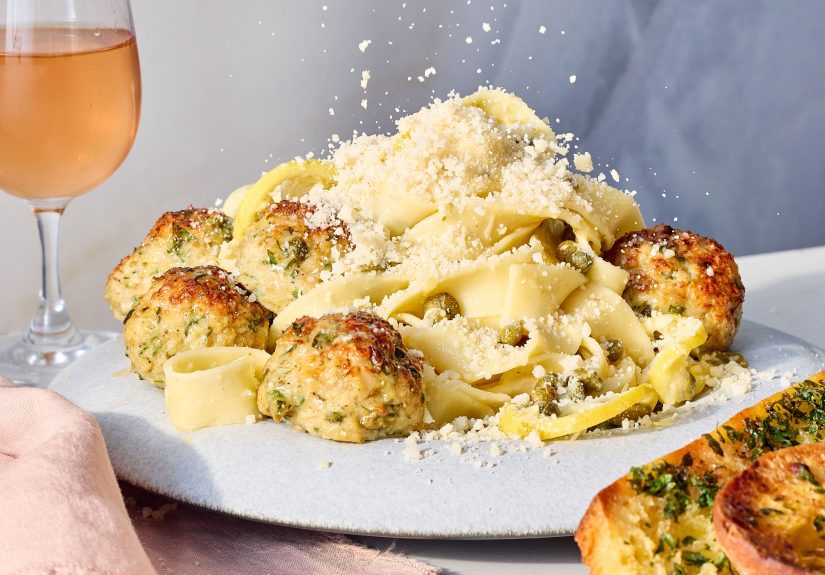
If classic chicken piccata and cozy meatballs had a very charming dinner-party baby, this would be it. This easy chicken piccata meatball recipe delivers everything people love about the original: bright lemon, briny capers, buttery sauce, and that irresistible “pass the bread, I need to mop up the skillet” energy. But instead of dealing with cutlets, dredging stations, and the mild stress of keeping chicken breasts from going rubbery, you get juicy little ground chicken meatballs that cook fast and soak up flavor like tiny edible sponges. Delicious, polite, and extremely efficient.
It is the kind of weeknight dinner that feels a little fancy without acting fancy. The ingredient list is approachable, the technique is simple, and the results are big on flavor. Serve these chicken piccata meatballs over angel hair, buttery orzo, mashed potatoes, rice, or with crusty bread and a green salad if you are trying to feel balanced. The lemon-caper pan sauce does most of the heavy lifting, which is great news for anyone who wants dinner to taste like effort without requiring the emotional commitment of a three-hour project.
Why This Easy Chicken Piccata Meatball Recipe Works
There are plenty of chicken meatball recipes out there, but this one borrows the best parts of a classic piccata and translates them into a format that is easier, faster, and arguably more fun to eat. Ground chicken stays tender when handled gently, and the meatballs cook quickly enough that the whole meal still feels weeknight-friendly. The sauce is bright and punchy from fresh lemon juice, balanced by butter, rounded out with broth, and made unmistakably piccata with capers.
The real magic is contrast. The meatballs are savory and soft, while the sauce is tangy, salty, and glossy. Parmesan in the meatball mixture adds depth, breadcrumbs keep the texture light, and parsley freshens everything up so the dish tastes lively instead of heavy. In other words, it has range.
Ingredients You’ll Need
For the chicken meatballs
- 1 pound ground chicken
- 1/2 cup panko breadcrumbs
- 1/3 cup grated Parmesan cheese
- 1 large egg
- 2 cloves garlic, finely minced
- 1 tablespoon lemon zest
- 2 tablespoons chopped parsley
- 3/4 teaspoon kosher salt
- 1/2 teaspoon black pepper
- 2 tablespoons olive oil for browning
For the lemon-caper piccata sauce
- 1 small shallot, finely chopped
- 2 to 3 cloves garlic, minced
- 3/4 cup chicken broth
- 1/4 cup fresh lemon juice
- 2 tablespoons capers, drained
- 2 tablespoons unsalted butter
- 1 tablespoon parsley, chopped
- Lemon slices for serving, optional but very pretty
You can absolutely make small adjustments. Want a richer meatball? Add a spoonful of ricotta. Prefer a less assertive caper flavor? Use one tablespoon instead of two. Need a non-alcoholic version? Good news: this version skips wine and still tastes bright and balanced. Piccata does not need to be dramatic about it.
How to Make Chicken Piccata Meatballs
1. Mix the meatball mixture gently
In a large bowl, combine the ground chicken, panko, Parmesan, egg, garlic, lemon zest, parsley, salt, and pepper. Mix until just combined. That phrase, “just combined,” matters. Overmixing ground chicken can make meatballs dense and springy, and nobody is aiming for a meatball with the personality of a tennis ball.
2. Shape the meatballs
Form the mixture into about 16 to 18 meatballs, roughly 1 1/2 inches each. Slightly damp hands help keep the mixture from sticking, which is useful unless you enjoy wearing dinner before you cook it.
3. Brown the meatballs
Heat olive oil in a large skillet over medium heat. Add the meatballs and brown them on multiple sides, working in batches if needed. They do not have to cook all the way through at this stage. Think of this step as building flavor and getting that lightly golden exterior that makes the finished dish look far more impressive than the effort required.
4. Build the sauce
Transfer the browned meatballs to a plate. In the same skillet, add the shallot and cook for 1 to 2 minutes until softened. Stir in the garlic and cook just until fragrant. Add the chicken broth, lemon juice, and capers, scraping up any browned bits from the skillet. Those little browned bits are culinary gold. Do not leave them behind.
5. Finish everything together
Return the meatballs to the skillet and simmer gently for 5 to 8 minutes, or until cooked through and the sauce reduces slightly. Stir in the butter at the end for shine and richness, then sprinkle with parsley. The final texture should be silky, spoonable, and bright enough to wake up the whole plate.
6. Serve immediately
Spoon the meatballs and sauce over pasta, rice, or mashed potatoes, or pile them into shallow bowls with toasted bread for dipping. Add a little extra Parmesan if that makes you happy. It probably will.
Tips for Tender, Flavorful Meatballs
The difference between a very good chicken piccata meatball and a dry, disappointing one usually comes down to a few small details. First, do not overwork the mixture. Ground chicken is lean, so it benefits from a lighter touch. Second, panko breadcrumbs help keep the texture delicate rather than compact. Third, browning matters. Even if the meatballs finish cooking in the sauce, a quick sear adds color and savory depth.
Lemon zest in the meatballs is also worth the extra 30 seconds. It layers the citrus flavor so the dish tastes lemony in a way that feels intentional, not like someone panic-squeezed half a fruit into a pan and hoped for the best. Fresh parsley helps in the same way. It gives the whole dish lift and keeps the rich butter sauce from feeling too heavy.
Most important of all, do not overcook the meatballs. Ground chicken is best when it is cooked through but still juicy. Once they are simmered in the sauce and done, pull the skillet from the heat. This is dinner, not a punishment.
What Makes a Great Piccata Sauce?
A great piccata sauce should taste bright, buttery, and balanced. Lemon is the star, but it should not bulldoze the other flavors. Capers add briny pops that keep each bite interesting, while broth gives the sauce body. Butter smooths out the acidity and turns the whole thing into a glossy pan sauce that feels restaurant-level with minimal fuss.
If your sauce tastes too sharp, add a little more butter. If it feels flat, add an extra squeeze of lemon. If it tastes too salty, especially after adding capers and Parmesan, a splash more broth can bring everything back into line. This is one of those forgiving sauces that responds well to tiny adjustments, which makes it perfect for home cooks.
Best Ways to Serve Chicken Piccata Meatballs
This easy chicken piccata meatball recipe plays well with a lot of side dishes, so you can dress it up or keep it simple depending on your mood and the state of your refrigerator.
Great serving ideas
- Angel hair or spaghetti: ideal for soaking up every drop of lemon-caper sauce
- Orzo: cozy, fast, and especially good if you want a dinner-bowl situation
- Mashed potatoes: unexpectedly fantastic and deeply comforting
- Rice: simple, pantry-friendly, and great for meal prep
- Crusty bread: because the sauce deserves attention
- Roasted broccoli or green beans: a fresh side that stands up to the buttery sauce
For a dinner-party version, serve the meatballs over creamy polenta and finish with extra parsley and thin lemon slices. For a busy Tuesday version, toss with pasta and call it a triumph. Both are valid.
Storage, Reheating, and Make-Ahead Tips
These chicken piccata meatballs store well, which makes them a smart meal-prep option. Refrigerate leftovers in an airtight container for up to 3 days. Reheat gently on the stovetop with a splash of broth or water to loosen the sauce. The microwave works too, although the stovetop keeps the sauce from separating and gives you better texture overall.
You can also make the meatballs ahead of time and refrigerate them uncooked for several hours before dinner. If you want to freeze them, freeze the browned meatballs separately from the sauce for best texture. Then thaw, simmer in fresh sauce, and pretend you are the kind of person who always plans ahead. No one has to know otherwise.
Common Mistakes to Avoid
Using bottled lemon juice
Fresh lemon juice gives the sauce its signature brightness. Bottled juice can taste flat or overly sharp. In a dish where lemon is a headliner, fresh is worth it.
Skipping the browning step
Simmering alone will cook the meatballs, but browning builds better flavor. It also makes the finished dish look more appetizing, which matters because people absolutely eat with their eyes first.
Adding too many capers without tasting
Capers are salty and briny, which is lovely until it becomes the only thing you can taste. Start with a moderate amount and adjust if needed.
Cooking the sauce too hard after adding butter
Once the butter goes in, keep the heat gentle. You want a smooth, glossy finish, not a split sauce with an identity crisis.
Frequently Asked Questions
Can I bake the meatballs instead of browning them in a skillet?
Yes. Bake them at 425°F until nearly cooked through, then finish them in the sauce. It is a nice option if you want less stovetop babysitting.
Can I use ground turkey?
Absolutely. Ground turkey works well here and keeps the same general vibe: light, tender, and ready to soak up sauce.
Do I have to use capers?
No, but the dish will lose some of its classic piccata identity. If capers are not your thing, chopped green olives can provide a similar salty contrast.
What internal temperature should chicken meatballs reach?
Cook them until the center reaches 165°F. A quick-read thermometer is the easiest way to avoid guesswork and keep the meatballs juicy.
Why This Recipe Belongs in Your Weeknight Rotation
Some dinners are practical. Some are exciting. This one manages to be both. It uses familiar ingredients, comes together without much drama, and tastes like something you would happily order at a cozy neighborhood restaurant with dim lights and a very confident bread basket. The lemon-caper sauce keeps it lively, the chicken meatballs make it easy, and the whole thing feels just a little more special than the average skillet dinner.
If your recipe rotation needs a meal that is bright, comforting, flexible, and fast enough for real life, this easy chicken piccata meatball recipe is a great place to start. It is simple enough for a Wednesday and good enough for company, which is honestly the dream. Add pasta, add salad, add bread, and suddenly dinner feels like you had a plan all along.
Real-Life Cooking Experience: What This Recipe Feels Like in an Actual Kitchen
Let’s be honest: the most lovable recipes are not always the most glamorous ones. They are the recipes that work when you are tired, hungry, and maybe one minor inconvenience away from calling cereal a balanced dinner. This is one of those recipes. Easy chicken piccata meatballs feel like a small kitchen victory because they hit a sweet spot between comfort food and “I made something with lemon and capers, so clearly I have my life together.”
The first thing most people notice when making this dish is how quickly it starts smelling amazing. Garlic and shallot in olive oil already feel like a good decision. Then the lemon hits the pan, the capers join the party, and suddenly your kitchen smells like a tiny Italian-American bistro opened next to the sink. It is deeply encouraging. Even before dinner is ready, you already feel like things are going better than expected.
The meatballs themselves are also surprisingly low-stress. Ground chicken can seem delicate, but in this recipe it is actually pretty forgiving as long as you do not overmix it into oblivion. Rolling the meatballs is oddly satisfying too. There is something calming about turning a bowl of ingredients into neat little portions, especially on a busy evening when the rest of life feels chaotic and suspiciously email-shaped.
Another nice part of the experience is that the sauce makes the whole meal feel more expensive than it is. Lemon, broth, butter, and capers are not complicated ingredients, but together they create that bright, glossy finish that makes people think you cooked much harder than you actually did. This is excellent news if you enjoy receiving compliments and have no problem accepting them with false modesty.
In real life, this recipe also adapts well to how people actually eat. Some nights it lands over pasta with a generous shower of Parmesan. Other nights it goes over rice because that is what is in the pantry and nobody is going to write a formal complaint. Leftovers are solid, the sauce reheats nicely with a splash of broth, and the meatballs stay flavorful enough that lunch the next day does not feel like a sad compromise.
What makes the experience especially good, though, is the balance of flavors. The richness of the butter, the zip of lemon, and the salty pop of capers keep each bite interesting. It is not heavy in the way some meatball dishes can be, but it is still cozy and satisfying. You finish a bowl feeling comforted, not flattened. That is a very underrated dinner quality.
For families, this recipe tends to work because it feels familiar enough to be approachable, while still offering more personality than plain chicken and pasta. For solo cooks or couples, it is a smart choice because it delivers strong leftovers without feeling repetitive. For anyone who enjoys cooking but does not always enjoy complicated cleanup, the one-pan sauce situation is another major win. Less mess, more lemon-butter glory.
In short, the experience of making easy chicken piccata meatballs is a lot like the experience of finding a really good everyday black blazer, a perfect coffee mug, or a parking spot right in front of the store. It feels useful, reliable, and a little bit thrilling. It is the kind of recipe that quietly becomes part of your regular life because it solves several problems at once: dinner is tasty, the kitchen smells fantastic, and everyone at the table suddenly thinks you know what you are doing. Which, to be fair, you absolutely do.