Table of Contents >> Show >> Hide
- The Sitcom That Turned a TV Writer Into a Star
- How Carl Reiner’s Failed Pilot Became a Classic
- Why the Cast Did Not Want the Show to End
- Carl Reiner’s Bigger Reason: Quit While It Still Sparkles
- The Show Was Still Successful When It Ended
- Mary Tyler Moore and the Modern TV Marriage
- The Writers’ Room That Inspired Future Writers
- Why Being “Heartbroken” Makes Perfect Sense
- What Happened After the Sitcom Ended?
- The Legacy of a Show That Knew When to Stop
- Additional Experience and Reflection: Why This Story Still Feels Personal
- Conclusion
Some television shows end because the ratings collapse. Some end because the cast is exhausted, the network gets nervous, or a shark is spotted somewhere in the distance and everyone agrees it is time to jump over it. But The Dick Van Dyke Show ended for a rarer reason: its creator, Carl Reiner, wanted to protect what he and his cast had built. Dick Van Dyke, however, was not exactly doing cartwheels through the living room over that decisionunless, of course, there was an ottoman in the way.
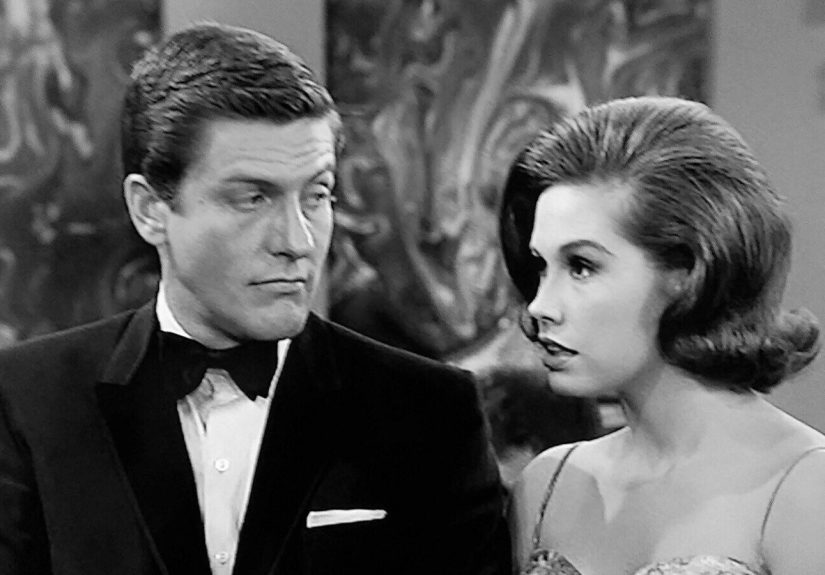
Van Dyke has said that when Reiner chose to end the beloved CBS sitcom after five seasons, the cast was “heartbroken.” It is easy to understand why. From 1961 to 1966, The Dick Van Dyke Show was not just another half-hour comedy. It was a graceful, fast, warm, and brilliantly written series that helped define the modern American sitcom. It gave viewers Rob Petrie, Laura Petrie, Buddy Sorrell, Sally Rogers, Mel Cooley, Alan Brady, and one of the most famous living-room trips in television history.
The surprising part is not that Van Dyke was sad to say goodbye. The surprising part is that Reiner had the discipline to walk away while the show was still great. In an industry where success is usually stretched until it squeaks, Reiner chose restraint. That decision hurt at the time, but it also helped preserve the show’s reputation as one of television’s most polished comedy gems.
The Sitcom That Turned a TV Writer Into a Star
The Dick Van Dyke Show centered on Rob Petrie, a comedy writer for the fictional Alan Brady Show, and his life at work and at home with his wife, Laura, and their son, Ritchie. The premise came from Carl Reiner’s own experience as a writer and performer on Sid Caesar’s legendary sketch programs. Instead of building a sitcom around a wacky gimmick, Reiner built one around something much stronger: the comedy of daily life.
That may sound simple now, but in the early 1960s it felt unusually sophisticated. The show moved between Rob’s writers’ room and his New Rochelle home, giving equal comic weight to career, marriage, parenting, friendship, and ego. Rob could battle a joke deadline at the office and then come home to a domestic misunderstanding that somehow felt both ridiculous and recognizable. The show’s secret was that it treated ordinary problems as comedy gold without turning its characters into cartoons.
Van Dyke’s physical comedy made Rob Petrie unforgettable. He could trip, tumble, stammer, dance, panic, and recover with the elegance of a man who had accidentally invented dignity while falling over furniture. But the show was not only about slapstick. Rob was also smart, kind, nervous, romantic, insecure, and deeply human. That combination made him one of television’s most likable leading men.
How Carl Reiner’s Failed Pilot Became a Classic
Before Dick Van Dyke became Rob Petrie, Carl Reiner himself played a version of the character in a pilot called Head of the Family. The pilot did not become a hit, but producer Sheldon Leonard saw promise in the scripts. His famous instinct was that Reiner had created a strong show but was not the right actor to lead it. In other words, the house was sturdy; it just needed a different front door.
Enter Dick Van Dyke, who had recently become a Broadway star in Bye Bye Birdie. Van Dyke brought boyish warmth, rubber-limbed timing, and a natural gentleness that changed the entire chemistry of the series. Mary Tyler Moore joined as Laura Petrie, Rose Marie played writer Sally Rogers, Morey Amsterdam became joke machine Buddy Sorrell, Richard Deacon played Mel Cooley, and Reiner took the recurring role of vain television star Alan Brady.
The casting was magic. Rob and Laura’s marriage felt playful, affectionate, and modern. Sally Rogers was not just “the girl in the room”; she was a sharp professional comedy writer. Buddy Sorrell fired off insults like a man trying to win a speed contest with his own mouth. Mel Cooley, poor soul, existed partly to absorb those insults with the wounded pride of a bald eagle in a necktie.
Why the Cast Did Not Want the Show to End
When Van Dyke later reflected on the end of the sitcom, he explained that nobody in the cast wanted to quit. According to his recollection, Reiner wanted to move on to movies and other projects, while the performers still loved the work. Van Dyke remembered the set as a joyful place where the actors had real creative freedom. He said the cast often added lines, shaped scenes, and found jokes during rehearsals and filming.
That detail matters. The sadness was not only about losing a job. It was about losing a rare creative playground. The cast had chemistry that could not be manufactured by network memo. Van Dyke, Rose Marie, and Morey Amsterdam came from performance traditions that rewarded timing, improvisation, and quick comic instinct. Reiner’s scripts gave them structure, but the room gave them oxygen.
Many sitcoms look fun on screen and are reportedly less fun behind the scenes. The Dick Van Dyke Show appears to have been the opposite: a show where the joy visible to audiences reflected genuine trust among writers, actors, and producers. When Van Dyke said the group was heartbroken, he was describing the loss of a workplace that felt unusually alive.
Carl Reiner’s Bigger Reason: Quit While It Still Sparkles
Reiner’s decision was not simply a case of boredom. He understood that even the best formula can go stale if it is pushed too far. By 1966, The Dick Van Dyke Show had already won major awards, influenced other writers, and created episodes that would remain funny decades later. Reiner seems to have recognized that repetition could damage the show’s legacy.
That kind of creative self-control is rare. Television rewards continuation. A hit show is a business machine: advertisers like it, networks rely on it, syndication loves it, and audiences want more. Ending a successful sitcom voluntarily is like leaving a buffet while the shrimp tray is still full. It feels almost unnatural.
But Reiner’s instinct was right. By ending after five seasons, the series avoided the slow decline that has dented many long-running comedies. There was no desperate final stretch where Rob opened a detective agency, Laura became a secret astronaut, or Alan Brady bought a haunted hotel. The show stayed itself. It left with its rhythm intact.
The Show Was Still Successful When It Ended
One reason the ending still fascinates fans is that The Dick Van Dyke Show was not limping toward cancellation. It had become a respected and popular program. The Television Academy records show that the series earned 25 Emmy nominations and 15 Emmy wins, including major honors for comedy, writing, acting, and directing.
That awards success reflected the show’s unusual balance. It was both smart and accessible. It could produce a polished workplace farce one week and a tender domestic misunderstanding the next. Episodes such as “Coast to Coast Big Mouth,” in which Laura accidentally reveals Alan Brady’s baldness on national television, remain master classes in setup, escalation, and payoff.
In many ways, the show helped prove that sitcoms could be elegant. It did not need wild fantasy premises or constant chaos. A writers’ room, a suburban living room, a marriage, and a few bruised egos were enough. Add Dick Van Dyke’s timing and Mary Tyler Moore’s sparkle, and suddenly a simple scene could dance.
Mary Tyler Moore and the Modern TV Marriage
Part of the show’s greatness came from Rob and Laura Petrie’s relationship. Their marriage was affectionate without being syrupy, funny without being cruel, and glamorous without becoming unreachable. Laura was not written as a flat sitcom wife whose only function was to ask why dinner was late. She had wit, frustration, charm, and a life that felt larger than the kitchen set.
Mary Tyler Moore’s performance gave Laura a new kind of television presence. She could be elegant, silly, stubborn, vulnerable, and sharpsometimes within the same scene. Her capri pants became famous, but the real revolution was not fashion. It was energy. Laura Petrie felt like a person, not a prop.
That mattered for television history. Moore later carried that force into The Mary Tyler Moore Show, another landmark sitcom that reshaped how women were portrayed on American television. In hindsight, Laura Petrie looks like an early signal of where sitcoms were headed: toward more layered women, more equal relationships, and comedy rooted in character rather than stereotype.
The Writers’ Room That Inspired Future Writers
One of the cleverest parts of The Dick Van Dyke Show was that it made comedy writing visible. Rob, Buddy, and Sally were professional joke-makers, which meant audiences got a peek at how entertainment is made. For future writers watching at home, that was electric. The show quietly told viewers, “Yes, somebody writes the funny lines. And yes, that somebody may be panicking behind a desk.”
Carl Reiner’s background gave the workplace scenes credibility. He knew the rhythm of a comedy office: the deadlines, arguments, bad coffee, better insults, and sudden bursts of inspiration. The fictional writers’ room had the ring of truth because it came from actual show-business experience.
That authenticity is one reason the series still feels fresh. Many old sitcoms are funny as time capsules. The Dick Van Dyke Show is funny as comedy architecture. Its jokes are carefully built. Its characters have clear motives. Its scenes move. Even when the furniture is mid-century, the timing still has electricity.
Why Being “Heartbroken” Makes Perfect Sense
For Van Dyke, the ending represented more than the close of a successful job. It meant saying goodbye to a character who had become part of his identity. Rob Petrie was not Dick Van Dyke, but the role fit him so beautifully that viewers often felt they were watching the actor’s own charm, fears, and playfulness filtered through a fictional life.
There is also something emotionally complicated about ending at the top. When a show is failing, closure can feel like relief. When a show is thriving, closure can feel like being asked to leave a party while the band is still great and nobody has spilled dip on the carpet yet. The cast had not run out of affection. The audience had not stopped watching. The creative machine had not visibly broken down.
That is what makes Reiner’s decision both painful and admirable. He disappointed people he loved in order to protect something they had made together. Van Dyke’s heartbreak and Reiner’s wisdom can both be true. In fact, that tension is the whole story.
What Happened After the Sitcom Ended?
The cast did not vanish after 1966. Dick Van Dyke continued in film and television, including beloved work in Mary Poppins, Chitty Chitty Bang Bang, and later Diagnosis: Murder. Mary Tyler Moore became the star of another television classic. Rose Marie and Morey Amsterdam continued performing. Carl Reiner moved into directing and writing for film, eventually becoming one of American comedy’s most admired elder statesmen.
The show itself kept living through reruns, home video, streaming, colorized specials, reunions, interviews, and archives. The National Comedy Center has preserved important production materials connected to the series, including scripts and documents that help explain how carefully the comedy was built.
That preservation matters because The Dick Van Dyke Show is not merely nostalgic comfort food. It is a blueprint. Modern sitcoms about writers, work families, marriages, and creative egos owe something to the path Reiner and Van Dyke helped clear.
The Legacy of a Show That Knew When to Stop
Today, the decision to end The Dick Van Dyke Show after five seasons looks less like a loss and more like a gift wrapped in heartbreak. Fans may still wish there were more episodes, but the show’s compact run is part of why it remains so highly regarded. It did not overstay. It did not dilute itself. It left behind a strong body of work instead of a long list of “well, the early seasons are better” excuses.
Reiner’s choice also offers a useful lesson about creative success: sometimes the hardest move is stopping before the applause fades. That is not only true for television. It applies to writing, business, music, design, relationships, and even dinner conversations with relatives who have started explaining cryptocurrency for the third time. Timing matters. Exits matter.
Dick Van Dyke’s heartbreak gives the story its emotional pull. Carl Reiner’s discipline gives it its historical meaning. Together, they show why great comedy is not just about laughs. It is also about judgment, trust, timing, and knowing when the final bow should happen.
Additional Experience and Reflection: Why This Story Still Feels Personal
There is something surprisingly relatable about Dick Van Dyke being heartbroken when Carl Reiner ended the sitcom. Most people have never starred in a legendary CBS comedy, won Emmys, or tripped over an ottoman with world-class precision. Still, almost everyone knows the feeling of a wonderful chapter ending before they were ready.
Think about a great school year, a close-knit workplace, a sports team, a neighborhood group, or a creative project where the people just click. The task itself matters, but the real magic comes from the chemistry. You begin with a schedule and a goal; somehow, along the way, you build rituals, jokes, shortcuts, and trust. Then one day someone says, “This is ending,” and even if the reason makes sense, your heart refuses to file the paperwork politely.
That is the emotional core of this story. Van Dyke was not grieving a paycheck. He was grieving a rare atmosphere. The cast had found a rhythm that performers dream about: scripts strong enough to support them, a creator confident enough to let them play, and an audience ready to laugh with them. When that disappears, even for the right reasons, it hurts.
From a creative perspective, Reiner’s decision is also a reminder that quality has to be protected. Many people who make thingsarticles, videos, podcasts, businesses, films, websites, or family recipes with suspicious amounts of butterknow the temptation to keep stretching a successful idea. If people like one version, why not make ten more? If five seasons work, why not six, seven, or twelve?
The answer is that more is not always better. Sometimes more is just more. Reiner seemed to understand that a show’s legacy depends not only on its best moments but also on what it avoids becoming. By stopping early, he prevented fatigue from creeping into the writing. He protected the characters from gimmicks. He made sure viewers remembered Rob and Laura Petrie at their best.
That takes courage because people rarely applaud restraint in the moment. Audiences ask for more. Networks ask for more. Cast members, understandably, may want more. But history often rewards the person who knows when the painting is finished. Add one more brushstroke and you may improve it. Add twenty more and suddenly the Mona Lisa is wearing sunglasses and holding a smoothie.
For writers and creators today, this story offers a practical lesson: build something good, enjoy the collaboration, but pay attention to the moment when continuation begins to threaten quality. A strong ending can make the entire work feel more complete. It gives the audience a clean memory. It allows the project to remain special instead of ordinary.
At the same time, Van Dyke’s heartbreak should not be dismissed as sentimentality. Emotional attachment is part of great creative work. If nobody is sad when a project ends, maybe it was never that alive. The sadness proves the joy was real. The cast cared because the show mattered to them, not just to viewers.
That may be why the story still resonates decades later. It is not just about a classic sitcom ending in 1966. It is about the universal ache of leaving something good behind, and the wisdom of understanding that a beautiful ending can be painful and still be right. Dick Van Dyke felt the loss. Carl Reiner saw the bigger picture. Television history benefited from both.
Conclusion
Dick Van Dyke was “heartbroken” when Carl Reiner ended The Dick Van Dyke Show, and that heartbreak says everything about the warmth, talent, and creative freedom behind the series. The sitcom ended not because it failed, but because Reiner wanted it to remain excellent. That choice disappointed the cast in the moment, yet it helped preserve the show’s reputation as one of the finest comedies in American television history.
More than half a century later, Rob and Laura Petrie still feel alive because the series left before it lost its spark. Carl Reiner protected the magic. Dick Van Dyke mourned the goodbye. Viewers received a classic that still trips gracefully into the hearts of new generations.