Table of Contents >> Show >> Hide
- Introduction: The Sweetest Health Question in the Supplement Aisle
- What Are Cocoa Supplements?
- Why Cocoa Flavanols Matter for Heart Health
- What the COSMOS Trial Found
- Chocolate vs. Cocoa Supplements: Please Do Not Fight Your Cardiologist With a Candy Bar
- Could Cocoa Supplements Promote Longevity?
- Who Might Be Interested in Cocoa Supplements?
- How to Choose a Cocoa Supplement
- Possible Side Effects and Safety Considerations
- Realistic Verdict: Helpful, Hype, or Somewhere in Between?
- Experience-Based Reflections: Living With the Cocoa Question
- Conclusion: Cocoa Supplements Are Promising, Not Magical
Note: This article is for educational purposes only and is not a substitute for medical advice. Anyone taking medication, managing heart disease, or considering a new supplement should speak with a qualified healthcare professional first.
Introduction: The Sweetest Health Question in the Supplement Aisle
Cocoa has always had a suspiciously charming public-relations department. It shows up as hot chocolate on snow days, dark chocolate after dinner, and now, in capsule form, as a possible ally for heart health and healthy aging. Naturally, the question follows: could cocoa supplements combat heart disease and promote longevity, or is this just dessert wearing a lab coat?
The honest answer is more interesting than a simple yes or no. Cocoa supplements, especially those standardized for cocoa flavanols, have shown promising effects on blood vessel function, inflammation, and certain cardiovascular markers. Some research even suggests a possible reduction in cardiovascular death among older adults. But cocoa is not a magic bean, and chocolate candy is not suddenly a prescription. Sorry, truffle lovers. The science points toward potential benefits when cocoa flavanols are delivered in measured amounts, without the sugar, saturated fat, and portion-control chaos that often come with chocolate bars.
In this article, we will unpack what cocoa flavanols are, how they may support the cardiovascular system, what the strongest studies actually found, and how cocoa supplements fit into a realistic longevity plan. Think of this as a friendly tour through the science: less “miracle cure,” more “interesting tool in the wellness toolbox.”
What Are Cocoa Supplements?
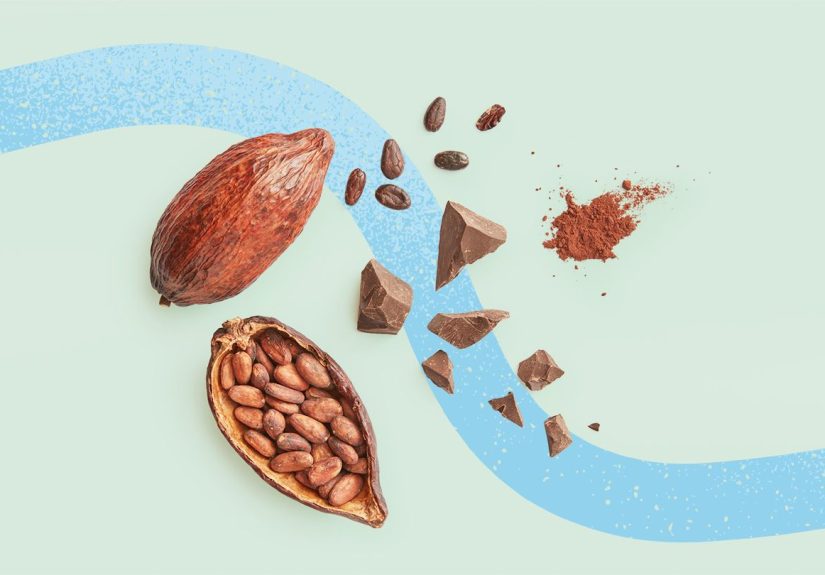
Cocoa supplements are usually capsules, tablets, or powders made from cocoa extract. Unlike ordinary chocolate, a quality cocoa supplement is often designed to provide a consistent dose of cocoa flavanols, a group of plant compounds that belong to the flavan-3-ol family. These compounds are also found in foods such as tea, berries, apples, and grapes, but cocoa is one of the more famous sources because, well, cocoa has better branding.
The key point is standardization. A square of dark chocolate may contain cocoa flavanols, but the amount varies widely depending on the cocoa bean, processing method, alkalization, roasting, and recipe. Some chocolate products lose much of their flavanol content during processing. A supplement, by contrast, may list a specific amount of cocoa flavanols per serving, making it easier to study and easier for consumers to compare.
Why Cocoa Flavanols Matter for Heart Health
Heart disease is not caused by one single villain. It usually develops through a messy mix of high blood pressure, cholesterol problems, inflammation, insulin resistance, oxidative stress, arterial stiffness, smoking, inactivity, poor sleep, genetics, and time doing what time does best: being rude.
Cocoa flavanols are interesting because they appear to influence several cardiovascular pathways at once. Researchers have studied their effects on endothelial function, nitric oxide production, blood pressure, platelet activity, inflammation, and metabolic health. The endothelium is the inner lining of blood vessels. When it works well, blood vessels relax and contract properly, blood flows more smoothly, and the cardiovascular system has fewer reasons to throw a tantrum.
Better Blood Vessel Function
One of the most discussed mechanisms involves nitric oxide, a molecule that helps blood vessels relax. Cocoa flavanols may support nitric oxide availability, which can improve vasodilation. In plain English, that means blood vessels may become better at opening up, allowing blood to move with less resistance.
This matters because stiff, poorly functioning arteries are linked with higher cardiovascular risk. Improved blood flow is not just a nice bonus; it is one of the foundations of heart and brain health. This is why cocoa flavanol research often focuses on vascular function rather than simply asking whether people “feel healthier” after taking a capsule.
Modest Blood Pressure Support
Some clinical research has found that flavanol-rich cocoa products can produce small reductions in blood pressure, especially in the short term. The effect is usually modest, not dramatic. Nobody should expect a cocoa capsule to replace blood pressure medication. That would be like replacing your car’s brakes with positive thinking and a granola bar.
Still, small blood pressure improvements can matter at the population level. If a dietary compound helps nudge blood pressure in a healthier direction, especially when combined with exercise, weight management, reduced sodium intake, better sleep, and a heart-smart diet, it may contribute to long-term cardiovascular protection.
Inflammation and Healthy Aging
Inflammation plays a major role in aging and cardiovascular disease. As people grow older, low-grade chronic inflammation can rise, sometimes called “inflammaging.” Researchers studying cocoa extract have investigated whether cocoa flavanols may reduce certain inflammatory markers, including high-sensitivity C-reactive protein, often shortened to hsCRP.
This is where cocoa supplements become especially relevant to longevity conversations. Longevity is not only about living longer; it is about preserving function, circulation, mobility, cognition, and metabolic resilience. If cocoa flavanols help reduce inflammatory stress in some older adults, they may support the broader goal of healthier aging.
What the COSMOS Trial Found
The most important modern study on cocoa supplements is the COcoa Supplement and Multivitamin Outcomes Study, better known as COSMOS. This large randomized clinical trial studied older adults and tested a daily cocoa extract supplement containing cocoa flavanols. The trial did not show a statistically significant reduction in total cardiovascular events as its main endpoint. That is important, because good science does not get to skip the inconvenient parts.
However, the study did find a significant reduction in cardiovascular disease death among participants assigned to cocoa extract. Researchers also observed stronger signals among people who took the supplement regularly. This does not prove that cocoa supplements are a guaranteed longevity hack, but it does suggest that cocoa flavanols deserve serious attention.
The takeaway is cautious optimism. Cocoa extract did not turn participants into immortal marathon-running superheroes. But it did produce enough promising data that scientists continue to study how cocoa flavanols may influence inflammation, vascular health, and age-related cardiovascular risk.
Chocolate vs. Cocoa Supplements: Please Do Not Fight Your Cardiologist With a Candy Bar
Here is the part where chocolate fans clutch their emergency dark chocolate square. Cocoa supplements and chocolate are not the same thing.
Dark chocolate can contain flavanols, but it also contains calories, sugar, fat, and sometimes heavy metals such as cadmium or lead depending on sourcing and processing. Milk chocolate usually has fewer cocoa solids and more sugar. White chocolate, charming as it may be, is not a flavanol powerhouse. It is mostly there for vibes.
A cocoa supplement can deliver flavanols without the extra dessert baggage. That does not mean supplements are automatically better for everyone. It means they are easier to dose and study. If your goal is heart health, eating large amounts of chocolate is a very scenic route to excess calories. A small amount of high-cocoa dark chocolate can fit into a balanced diet, but it should not be treated like medicine.
Could Cocoa Supplements Promote Longevity?
Longevity is a big word. It attracts big promises, some careful science, and a suspicious number of products with shiny labels. Cocoa supplements may support longevity indirectly by improving factors associated with healthier aging, such as vascular function, blood pressure, inflammation, and metabolic markers. But there is not enough evidence to claim that cocoa supplements directly extend lifespan.
A more accurate statement would be this: cocoa flavanols may support cardiovascular health in ways that could contribute to healthier aging. Since cardiovascular disease is a major cause of death, anything that safely improves cardiovascular risk factors deserves attention. But longevity still depends on the basics: not smoking, staying active, eating a nutrient-rich diet, sleeping well, managing stress, maintaining healthy blood pressure and cholesterol, and getting regular medical care.
The Longevity Lens
When thinking about longevity, it helps to ask three practical questions. Does the supplement target a meaningful aging pathway? Cocoa flavanols may, through vascular and inflammatory mechanisms. Is there human evidence? Yes, including large clinical trial data, though not perfect or final. Is it safe and realistic? Generally, cocoa extract appears well tolerated in studies, but quality, dose, caffeine-like compounds, medication interactions, and individual health status all matter.
That combination makes cocoa supplements interesting, but not miraculous. They belong in the “promising but still being studied” category, not the “sell your treadmill and live on capsules” category.
Who Might Be Interested in Cocoa Supplements?
Cocoa supplements may interest adults who are focused on heart health, healthy aging, and plant-based compounds. They may be especially appealing to people who want cocoa flavanols without eating chocolate every day. Older adults, people with borderline cardiovascular risk factors, or those interested in vascular health may find the research worth discussing with their healthcare provider.
However, cocoa supplements are not for everyone. People taking blood pressure medication, blood thinners, diabetes medication, or multiple prescriptions should be careful. Cocoa products can contain compounds such as theobromine and small amounts of caffeine, which may affect sensitive individuals. Pregnant people, people with kidney disease, and anyone with a complex medical history should get professional guidance before adding supplements.
How to Choose a Cocoa Supplement
If you are considering a cocoa supplement, look for transparency. A good product should clearly state the amount of cocoa flavanols or flavan-3-ols per serving, not just the amount of cocoa powder. “Cocoa extract 1,000 mg” sounds impressive, but without flavanol content, it is like saying a suitcase is heavy without telling us whether it contains gold bars or laundry.
Third-party testing is also helpful. Supplements are not regulated the same way prescription medications are, so quality can vary. Look for products tested for purity, heavy metals, and accurate labeling. Avoid products that make wild claims such as “reverses heart disease” or “guarantees longer life.” If the label sounds like it was written by a carnival barker with a supplement printer, walk away gracefully.
Food Sources Still Matter
Even if cocoa supplements show promise, they should not replace flavanol-rich foods. Tea, berries, apples, grapes, cocoa, and certain legumes can all contribute beneficial plant compounds. A diverse diet brings fiber, vitamins, minerals, and thousands of phytochemicals that no single capsule can copy.
The best heart-health strategy is still boring in the most beautiful way: vegetables, fruits, whole grains, beans, nuts, fish or other quality proteins, healthy fats, regular movement, and less ultra-processed food. Cocoa supplements may be the interesting side character, but lifestyle remains the main plot.
Possible Side Effects and Safety Considerations
Cocoa extract is generally well tolerated in research settings, but side effects can happen. Some people may experience digestive discomfort, headache, jitteriness, or sleep disruption, especially if the product contains caffeine or theobromine. Cocoa may also affect blood pressure, which is good in theory but tricky if someone is already taking medication that lowers blood pressure.
Another issue is heavy metal exposure. Cocoa plants can absorb cadmium from soil, and some cocoa products may contain lead from environmental contamination during processing. This does not mean all cocoa products are dangerous. It means quality sourcing and testing matter. Choosing reputable brands and avoiding excessive intake are sensible steps.
Realistic Verdict: Helpful, Hype, or Somewhere in Between?
Cocoa supplements sit in the “somewhere in between” category. The research is stronger than ordinary wellness gossip, but not strong enough to crown cocoa as a cure for heart disease or a proven longevity supplement. The best evidence suggests cocoa flavanols may support blood vessel function, modestly improve blood pressure, influence inflammation, and possibly reduce cardiovascular death risk in older adults. That is impressive, but it still needs context.
Heart disease prevention is never about one ingredient. It is a pattern. Cocoa supplements may fit into that pattern, especially when used carefully and consistently. But they work best as part of a lifestyle that already respects the heart: movement, good food, sleep, stress management, and medical follow-up. In other words, cocoa may help the orchestra, but it is not the whole symphony.
Experience-Based Reflections: Living With the Cocoa Question
When people first hear about cocoa supplements for heart health, the reaction is often delightfully predictable: “Wait, chocolate is healthy now?” The answer requires a gentle pause, the kind usually reserved for explaining to a child that ketchup is not a vegetable. Cocoa flavanols are the interesting part. Chocolate candy is the delicious but complicated delivery system.
Imagine someone trying to improve their heart-health routine. They already walk most mornings, cook more meals at home, and have started reading nutrition labels with the seriousness of a detective in a raincoat. Then they hear about cocoa extract. It feels approachable. It is not an extreme diet. It does not require learning the emotional language of kale smoothies. It is cocoa, a familiar flavor with a scientific twist.
The first practical lesson is expectation management. A cocoa supplement is not something most people will “feel” dramatically. It is not like drinking coffee and suddenly reorganizing the garage at 7 a.m. The potential benefits are quieter: better vascular function, slightly improved blood pressure, lower inflammatory signaling, and long-term cardiovascular support. These are behind-the-scenes improvements, more like upgrading the plumbing than redecorating the living room.
The second lesson is consistency. In supplement research, regular use often matters. Taking cocoa extract twice, forgetting it for nine days, then blaming science is not exactly a fair trial. People who do best with supplements usually attach them to an existing habit, such as breakfast or brushing their teeth. The goal is not obsession. The goal is boring reliability, which is also the secret personality trait of many successful health routines.
The third lesson is choosing the right form. Someone who simply eats more chocolate may accidentally increase calories and sugar while getting an unpredictable amount of flavanols. A high-quality cocoa extract supplement gives more control. On the other hand, someone who genuinely enjoys a small square of high-cocoa dark chocolate may find that it fits nicely into a balanced diet. The point is not to remove pleasure from food. The point is to stop pretending that a candy bowl is a cardiology plan.
The fourth lesson is personal tolerance. Some people are sensitive to cocoa compounds. They may notice mild stomach upset, alertness, or sleep disruption if they take cocoa too late in the day. Others tolerate it easily. This is why starting with a conservative dose and paying attention to the body makes sense. Health should feel supportive, not like a daily negotiation with your digestive system.
The fifth lesson is humility. Longevity is not won by chasing every shiny supplement trend. It is built through repeatable habits. Cocoa supplements may become one useful part of a heart-conscious lifestyle, but the foundation remains familiar: blood pressure checks, cholesterol management, movement, fiber-rich meals, healthy weight, not smoking, and enough sleep. Cocoa may be the charming guest at the dinner party, but vegetables still paid the mortgage.
So, could cocoa supplements combat heart disease and promote longevity? They may help support the systems that matter most: blood vessels, inflammation control, and cardiovascular resilience. The smartest approach is to treat cocoa flavanols as a promising addition, not a miracle. That way, you get the benefit of curiosity without falling into the trap of hype. And yes, you can still enjoy chocolate. Just do not ask a brownie to do a cardiologist’s job.
Conclusion: Cocoa Supplements Are Promising, Not Magical
Cocoa supplements offer one of the more fascinating stories in modern nutrition science. They are rooted in real compounds, tested in serious studies, and connected to meaningful cardiovascular pathways. Cocoa flavanols may improve blood vessel function, modestly support blood pressure, reduce certain inflammatory markers, and potentially help older adults lower cardiovascular risk.
But the best answer is balanced. Cocoa supplements are not a cure for heart disease, not a guaranteed longevity shortcut, and definitely not permission to eat chocolate frosting with a spoon in the name of science. They may be useful when chosen carefully, used consistently, and combined with proven heart-health habits. For people interested in healthy aging, cocoa flavanols are worth watching, worth discussing with a healthcare provider, and worth understanding beyond the hype.