Table of Contents >> Show >> Hide
- Why a Cork-Lid Beverage Dispenser Is So Popular
- What Defines a “Cork-Lid” Beverage Dispenser
- How to Choose the Right Cork-Lid Beverage Dispenser
- Best Drinks to Serve in a Cork-Lid Beverage Dispenser
- How to Style a Cork-Lid Beverage Dispenser for a Party
- Food Safety Tips for Beverage Dispenser Use
- Cleaning and Maintaining Your Cork-Lid Beverage Dispenser
- Common Mistakes to Avoid
- How to Get the Most Value from One Dispenser
- Real-World Experiences with a Cork-Lid Beverage Dispenser (Extended Section)
- Conclusion
If a regular pitcher is the reliable sedan of party drinkware, a cork-lid beverage dispenser is the vintage convertible: practical enough to use, but stylish enough to make people say, “Ooh, nice.” These dispensers combine clear glass (or sometimes acrylic), an easy-pour spigot, and a cork top that looks charming while helping keep dust, bugs, and random backyard chaos out of your drinks.
But a pretty dispenser is only half the story. The real magic is in how you use it: choosing the right size, setting it up so people can actually pour without gymnastics, keeping drinks cold and safe, and cleaning the spigot so yesterday’s lemonade doesn’t become tomorrow’s science project.
This guide breaks down everything you need to know about a cork-lid beverage dispenserfrom features and sizing to party setup, food safety, and long-term care. Whether you’re hosting a brunch, a backyard BBQ, a baby shower, or just trying to make your fridge water look more exciting, this is your complete, no-nonsense (but still fun) roadmap.
Why a Cork-Lid Beverage Dispenser Is So Popular
A cork-lid beverage dispenser works because it solves three problems at once:
- It looks good on the table. Clear containers show off lemon slices, mint, berries, or tea color beautifully.
- It makes self-serve easy. Guests can pour their own drinks without you playing full-time bartender.
- It helps keep drinks protected. A cork lid acts like a simple barrier against dust, debris, and outdoor bugs.
Retailers and product listings consistently highlight the same appeal: clear drink visibility, easy dispensing, and entertaining-friendly design. In other words, this isn’t just decorit’s genuinely useful serveware.
What Defines a “Cork-Lid” Beverage Dispenser
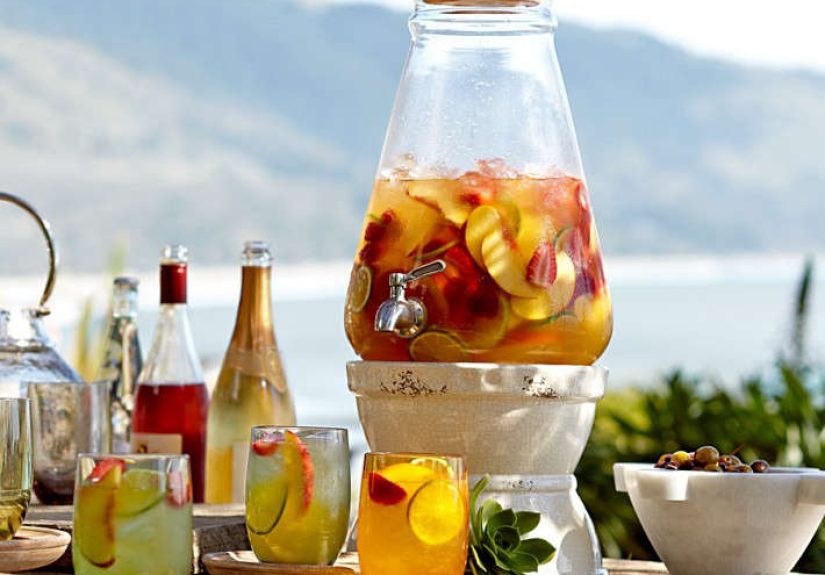
The phrase usually refers to a dispenser with a wide-bodied container (often glass), a spigot near the bottom, and a removable cork top. Some versions are classic hand-blown glass with a tapered silhouette, while others lean modern with teardrop shapes or mason-jar-inspired designs. You’ll also find both glass and acrylic versions, especially if you want something lighter for outdoor use.
Common Features You’ll See
- Clear body: Great for visual appeal and quick refill checks.
- Cork lid: Easy to remove, natural-looking, and good for casual entertaining aesthetics.
- Spigot (often metal or plastic): Should pour smoothly and resist drips.
- Wide mouth: Helpful for adding fruit, ice, and refills without making a mess.
- Capacity range: Many options fall between about 1.5 and 4 gallons, though smaller and larger versions exist.
One classic cork-lid design often referenced in design circles is a hand-blown glass dispenser with a stainless steel spigot and a cork top, built specifically for cold beverages. That “cold drinks only” rule is common and importantmore on that in a minute.
How to Choose the Right Cork-Lid Beverage Dispenser
Buying one is easy. Buying the right one is where the grown-up decisions happen.
1) Pick the Right Capacity for Your Crowd
Capacity is the first filter because it affects everything: weight, refill frequency, table space, and cleanup.
- 1 to 1.5 gallons: Great for daily use, family meals, or small gatherings.
- 2 to 2.5 gallons: A sweet spot for parties without turning your table into a beverage command center.
- 3 to 4 gallons: Best for larger events, open houses, or all-day outdoor hosting.
If you host often, a 2–3 gallon range is usually the most flexible. Big enough to reduce refills, not so giant that moving it feels like a gym workout.
2) Check the Spigot Placement
This detail matters more than people expect. A lower-placed spigot lets guests pour more of the beverage before you need to tilt the dispenser. That sounds tiny, but it’s a huge usability winespecially when the container is heavy.
The catch: low spigots need clearance. If the dispenser sits flat on a table with no stand, cups may not fit underneath. Some product specs even call out the exact clearance under the spigot, which is your clue to either place it near the table edge or use a dedicated stand.
3) Look at the Lid and Opening Size
A cork lid is great, but the opening matters just as much. A wide opening makes it easy to:
- Add ice cubes
- Drop in citrus slices or herbs
- Refill quickly without spills
- Clean the inside more thoroughly
If you plan to make infused water, iced tea, lemonade, or sangria-style drinks (for adult-only events), wide-mouth access is a lifesaver.
4) Choose the Right Material for Your Setting
Glass is the classic choice and usually the prettiest. It feels elevated and shows off the drink beautifully. But it’s heavier and breakable.
Acrylic versions are lighter and often better for patios, pool parties, and events with lots of foot traffic. Many acrylic options still use a cork lid for the same visual charm but with less stress when someone gets enthusiastic near the snack table.
5) Don’t Ignore the “Cold Drinks Only” Note
Many dispensersespecially decorative glass and acrylic stylesare made for cold beverages only. Some listings also specify hand-wash only, while others allow limited dishwasher use (often top rack for certain parts). Read the care notes before you pour in hot cider and accidentally create a very expensive lesson.
Best Drinks to Serve in a Cork-Lid Beverage Dispenser
These dispensers are built for chilled, crowd-friendly drinks. Think refreshing, make-ahead, and easy to pour.
Top Beverage Ideas
- Infused water (lemon-mint, cucumber-lime, orange-berry)
- Sweet or unsweet iced tea
- Homemade lemonade
- Fruit punch
- Sparkling mocktails (add bubbles just before serving)
- Cold brew coffee or iced coffee concentrate
- Party batch drinks for adults (served responsibly)
For entertaining, make-ahead drinks are the real MVP. Big-batch beverages let you prep in advance and let guests serve themselves. If your recipe includes sparkling ingredients, wait to add those right before serving so they don’t go flat.
How to Style a Cork-Lid Beverage Dispenser for a Party
A cork-lid beverage dispenser already has a warm, natural look, so styling it is easy. You don’t need a luxury tablescape or a degree in floral design.
Easy Setup Formula
- Use a stand or lift it slightly. This gives cup clearance and makes pouring easier.
- Put it near the edge of the table. If you don’t have a stand, this helps the spigot clear the cup.
- Add a simple label. “Cucumber Mint Water” sounds fancier than “water with stuff in it.”
- Keep cups nearby. (Yes, this sounds obvious. Yes, people forget.)
- Create a garnish zone. Citrus wheels, mint, or berries make even plain water feel like an event.
Natural materials pair especially well here: wood trays, linen napkins, woven baskets, and neutral ceramics all complement the cork lid. It’s an easy way to get that “I totally planned this” look, even if you set it up 12 minutes before guests arrived.
Food Safety Tips for Beverage Dispenser Use
This part is less glamorous, but it matters. A drink dispenser can sit out for hours, and if the beverage contains ingredients like juice, dairy, fresh fruit, or tea, temperature control becomes important.
Keep Cold Drinks Cold
For cold beverages, the safest practice is to keep them at or below 40°F. If drinks will stay out for a while, place the dispenser over or near ice support (depending on your setup) and check the temperature periodically. A dispenser is for servingit is not a refrigerator.
Testing from home and lifestyle reviewers backs this up: even good dispensers won’t keep ice solid for long in hot conditions. Translation: pre-chill your drink first, then use the dispenser for serving and presentation.
Follow the Time Rule
If you’re not using ice or another cooling method, don’t leave cold drinks sitting out too long. A good rule of thumb is the two-hour rule, and even less time if the weather is very hot. Outdoor summer parties are fun; bacteria are also fun (for bacteria), so stay ahead of it.
Extra Tip for Fruit-Infused Drinks
Fruit looks beautiful in a glass dispenser, but pieces can break down, shed pulp, and affect both flavor and spigot performance. If your dispenser doesn’t have a built-in filter or infuser core, strain pulpy mixtures before serving, or keep refilling in smaller batches so things stay fresh and flowing.
Cleaning and Maintaining Your Cork-Lid Beverage Dispenser
If you remember only one thing from this section, make it this: clean the spigot thoroughly.
Residue collects in spigots and can affect taste, flow, and cleanliness. Industry guidance for beverage equipment and restaurant suppliers repeatedly emphasizes cleaning and sanitizing dispensing parts because buildup is where problems start.
Simple Cleaning Routine (After Each Use)
- Empty leftover liquid completely.
- Rinse the dispenser body with warm water.
- Wash the container with mild dish soap and a soft cloth or sponge.
- Disassemble the spigot (if removable) and clean each part.
- Rinse thoroughly so no soap remains.
- Allow all parts to air-dry fully before reassembling.
Cork Lid Care Tips
Cork is part of the charm, but it needs a little respect:
- Keep it clean and dry after use.
- Don’t soak it for long periods.
- Let it air-dry completely before storing.
- Store the dispenser in a dry place to prevent odors or moisture issues.
If your model includes mixed materials (glass, wood handle, plastic spigot, metal hardware), always follow the manufacturer’s care instructions. “Dishwasher safe” for one part does not automatically mean “throw everything in together and hope for the best.”
Common Mistakes to Avoid
1) Overfilling It
Leave space at the top, especially if you’re adding ice or fruit. Overflow at the refill stage is a very efficient way to make your kitchen floor sticky.
2) Serving Hot Drinks
Many decorative dispensers are explicitly meant for cold beverages only. Hot liquids can damage components, affect seals, or create safety risks.
3) Ignoring the Spigot Between Uses
The container may look clean, but the spigot can still hide residue. If the pour tastes “off,” the spigot is usually the suspect.
4) Using It as a Cooler
A beverage dispenser is a serving vessel, not a long-term chilling system. Start with cold liquid, use ice strategically, and refresh in smaller batches for long events.
5) Choosing Style Over Function
Yes, the teardrop shape is gorgeous. But if the opening is too small, the spigot drips, or the base is unstable, it won’t be fun to use. Pretty matters. Practical matters more.
How to Get the Most Value from One Dispenser
If you only buy one cork-lid beverage dispenser, make it work year-round:
- Daily use: Keep chilled water or unsweetened tea in the fridge (if size allows).
- Weekend brunch: Serve infused water or juice.
- Outdoor events: Use for lemonade or iced tea on a stand with cups beside it.
- Holiday hosting: Create a self-serve station with labels and garnishes.
- Kids’ parties: Use a mocktail station with fruit slices and sparkling water (added just before serving).
The best part is that the dispenser does double duty: it helps with hosting logistics and makes your drink setup look intentional. That’s a rare combo, and honestly, we love a multitasker.
Real-World Experiences with a Cork-Lid Beverage Dispenser (Extended Section)
One of the best things about a cork-lid beverage dispenser is how quickly it changes the vibe of a gathering. I’ve seen the same basic setupwater, cups, and lemon sliceslook totally forgettable in a plastic jug and suddenly feel “host-level excellent” in a clear dispenser with a cork lid. It sounds silly, but presentation really does affect how people interact with food and drinks. Guests are more likely to help themselves, drink water, and stay hydrated when the station is visible, neat, and easy to use.
A backyard lunch is a perfect example. Instead of opening the fridge every 10 minutes, you can fill a dispenser with iced tea or citrus water, set it on a sturdy stand, and let people serve themselves. The host gets to actually sit down for once. The cork lid also earns its keep outside because it helps keep leaves, dust, and surprise flying visitors out of the drink. Is it a military-grade seal? No. Is it helpful and charming? Absolutely.
Another common experience: people underestimate weight. A glass dispenser that feels manageable when empty becomes dramatically less adorable when it’s full. That’s why a 2-gallon model is often a smarter choice than a jumbo 4-gallon one for everyday users. It still serves a crowd, but it’s easier to carry to the sink and less intimidating to refill. If you do go larger, a model with a handle or a permanent serving spot can make a huge difference.
Brunch setups are where cork-lid dispensers really shine. One dispenser with cucumber-lemon water, one with orange juice, and suddenly the table looks like a cafe. You can even create a “build-your-own drink” corner with mint, berries, or citrus wheels. People love it because it feels interactive without requiring a complicated recipe. It’s also easier to keep things neat than using multiple open pitchers, especially if you have kids or a busy kitchen.
For longer events, the biggest lesson is to serve in smaller batches. Even if your dispenser holds a lot, refilling once with fresh, cold beverage often gives better flavor and safer temperature control than loading it up and letting it sit all day. This is especially true for drinks with fruit, tea, or anything perishable. The dispenser is the stage; the drink still needs temperature support and timing.
Cleaning habits also make or break the experience. People often wash the glass body and forget the spigot, then wonder why the next batch tastes weird. Once you build a routinerinse, wash, disassemble spigot, dry thoroughlyit becomes quick. Five extra minutes after the party saves you a lot of frustration later. The cork lid deserves the same attention: wipe it down, let it dry, and don’t store it damp. Cork is beautiful, but it’s not a fan of being treated like a submarine.
There’s also a practical design lesson that comes up again and again: spigot height matters. A beautiful dispenser with a low spigot can be fantastic, but only if you give it clearance. Put it on a stand or near the edge of the table. Otherwise, guests end up tilting cups sideways like they’re solving a puzzle. Once the setup is right, though, the self-serve flow is smooth, and you stop hearing “Can you pour me some?” every three minutes.
In the end, the real experience of using a cork-lid beverage dispenser is this: it makes hosting easier and prettier. It won’t replace good prep, safe food handling, or basic cleanup. But it does make all three feel more organized. And when something makes your party look better, run better, and feel less stressful, that’s not just decorit’s a solid investment in your future sanity.
Conclusion
A cork-lid beverage dispenser is one of those rare hosting tools that balances form and function. It looks great, keeps service simple, and works for everything from weekday infused water to full party drink stations. The key is choosing the right size, respecting cold-drink limits, setting it up with proper spigot clearance, and cleaning it thoroughlyespecially the spigot and lid.
Do that, and your dispenser won’t just be a one-summer purchase. It’ll become your go-to piece for brunches, birthdays, BBQs, and all the “I guess we’re hosting now” moments in between.