Table of Contents >> Show >> Hide
- A quick nutrition snapshot (aka: why chia gets bragging rights)
- The 7 health benefits of chia seeds
- 1) Supports digestive health (fiber that actually shows up to work)
- 2) Helps you feel fuller longer (a quiet ally for weight management)
- 3) Supports heart health (fiber + healthy fats = a good combo)
- 4) May help with blood sugar steadiness (less spike, more calm)
- 5) Provides plant-based omega-3s (good news for your “healthy fat” checklist)
- 6) Supports bone health with key minerals (not glamorous, very important)
- 7) Adds antioxidants and may support inflammation balance (small seed, big chemistry)
- How to eat chia seeds (without turning your kitchen into a science fair)
- Who should be cautious with chia seeds?
- FAQ: quick answers people actually want
- Conclusion: tiny habit, meaningful payoff
- Real-world experiences: what people notice when they add chia (about )
Chia seeds are the tiny overachievers of the pantry: no loud branding, no dramatic crunch, just a
“How am I this small and still this useful?” vibe. Toss them in a smoothie, stir them into yogurt,
or let them do their signature trickturning into a jelly-like gel when soakedand suddenly your
snack looks fancy enough to charge rent.
But chia isn’t popular just because it photographs well in mason jars. These seeds pack fiber,
plant-based omega-3s, protein, and minerals into a small serving. And while no single food
can “fix” your health like a superhero cape, chia can absolutely play a strong supporting role
in a balanced diet (think: the reliable best friend who always shows up with snacks and good advice).
A quick nutrition snapshot (aka: why chia gets bragging rights)
A typical serving is 2 tablespoons. In that small scoop, you’ll find a meaningful
dose of dietary fiber, some protein, mostly unsaturated fats, and
minerals like calcium, magnesium, and phosphorus. Chia is also known for being one
of the richest plant sources of ALA (alpha-linolenic acid), a type of omega-3 fat.
The exact numbers vary slightly by brand and how the seeds are measured, but the big picture stays
the same: chia is nutrient-densemeaning you get a lot of nutrition for relatively few calories.
What makes chia different from other seeds?
- It gels. When hydrated, chia forms a mucilaginous gel that can thicken foods and slow digestion.
- It’s easy. Unlike some seeds, chia doesn’t need grinding to be used in common recipes.
- It plays well with others. Sweet or savory, breakfast or dinnerchia rarely complains.
The 7 health benefits of chia seeds
1) Supports digestive health (fiber that actually shows up to work)
Chia seeds are famous for fiber, and your digestive system is the main reason people notice a difference.
Fiber helps keep things moving regularly and can support a healthier gut environment. Chia contains both
soluble and insoluble fiber; the soluble portion is part of what helps it form that gel when mixed with liquid.
The gel-like texture can be especially helpful if you’re trying to build meals that feel more satisfying and
gentle on digestionas long as you introduce it gradually. Going from “no fiber” to “chia pudding every day”
can lead to bloating or discomfort, because your gut bacteria need time to adjust.
Practical example: If you’re aiming for more regularity, start with 1 teaspoon in yogurt
or oatmeal for a few days, then work up to 1 tablespoon. Pair it with water throughout the dayfiber is
helpful, but fiber without fluids is like trying to mop a floor with a dry sponge.
2) Helps you feel fuller longer (a quiet ally for weight management)
Chia seeds combine fiber, a bit of protein, and that water-absorbing gelthree things that can make meals feel
more filling. When a snack keeps you satisfied, you’re less likely to go hunting for random “bonus calories”
an hour later (you know, the ones that “don’t count” because they were eaten while standing).
This doesn’t mean chia is a magic weight-loss ingredient. Think of it as a tool: it can help you build
breakfasts and snacks that are more satisfying, which may support healthy weight goals over time.
Easy satiety upgrades
- Stir chia into Greek yogurt with berries and cinnamon.
- Add a tablespoon to a smoothie to thicken it (and stop it from feeling like flavored air).
- Mix into overnight oats so breakfast doesn’t vanish from your stomach by 10 a.m.
3) Supports heart health (fiber + healthy fats = a good combo)
Heart health is where chia’s “team effort” shines. The fiber in chia can support healthier cholesterol levels
as part of a fiber-rich diet. Meanwhile, chia’s ALA omega-3s may contribute to overall cardiovascular wellness.
It’s worth knowing one nuance: ALA is a plant omega-3, and the body converts only a small portion of ALA into
the longer-chain omega-3s (EPA and DHA) found in fish. So chia isn’t a direct replacement for fish omega-3s,
but it is still a valuable source of healthy fatsespecially for people who eat mostly plant-based.
Practical example: If your goal is heart-friendly eating, chia works best when it’s part of a bigger
pattern: more plants, more fiber, more unsaturated fats, and fewer ultra-processed “mystery snacks.”
4) May help with blood sugar steadiness (less spike, more calm)
The same gel that thickens chia pudding may also slow how quickly carbohydrates are digested. That can support
steadier blood sugar and energyespecially when chia is added to meals that include carbs (like oatmeal, cereal,
or fruit-forward smoothies).
Research on chia and blood sugar is still evolving, but clinical and nutrition experts commonly point to chia’s
fiber and fat profile as reasons it may support better glucose control for some peopleparticularly when it
replaces lower-fiber, more refined ingredients.
Important note: If you take medication for diabetes or blood pressure, talk with a clinician before
making big changes. Foods that may lower blood sugar or blood pressure can sometimes amplify medication effects.
5) Provides plant-based omega-3s (good news for your “healthy fat” checklist)
Chia seeds are one of the best plant sources of ALA omega-3 fatty acids. Omega-3s are linked to many body systems,
including cardiovascular function and inflammation regulation. While ALA conversion to EPA/DHA is limited, ALA itself
is still considered an important dietary fat.
Practical example: If you don’t eat fish, consider chia as one pillar of an omega-3 strategy, along with
other ALA sources (like walnuts) and (if appropriate) fortified foods or supplements discussed with a professional.
6) Supports bone health with key minerals (not glamorous, very important)
Bones don’t get enough hype until they start complaining. Chia provides minerals associated with bone structure and
maintenanceespecially calcium, magnesium, and phosphorus. While you shouldn’t rely on chia alone for your
daily calcium needs, it can contribute meaningfully as part of an overall nutrient-rich diet.
Practical example: Pair chia with other bone-friendly foods:
dairy or fortified plant milks, leafy greens, tofu made with calcium, and fish with bones (like sardines) if you eat them.
7) Adds antioxidants and may support inflammation balance (small seed, big chemistry)
Chia seeds contain antioxidant compounds, and antioxidants help protect cells from oxidative stress. That’s not a flashy,
instant “feel it now” benefit like caffeine, but it’s a meaningful part of long-term health.
Some studies and clinical summaries discuss chia in the context of inflammation markers and metabolic health. The most
realistic takeaway is this: chia isn’t a miracle anti-inflammatory, but it can help you build a dietary pattern that’s
more fiber-rich and more unsaturated-fat-forwardtwo characteristics often associated with better cardiometabolic health.
How to eat chia seeds (without turning your kitchen into a science fair)
Start here: serving size and timing
Most people do well with 1–2 tablespoons per day. If you’re new to chia, start smaller for a week and
increase gradually. Your gut will thank you for not going from “zero” to “chia cannon” overnight.
Soak or mix well (seriouslythis matters)
Chia seeds absorb a lot of liquid and expand. That’s great in pudding. It’s less great if you eat a spoonful dry and chase it
with a sip of water. Medical experts have reported cases where dry chia contributed to swallowing obstruction, especially in
people with swallowing difficulties. The simplest safety move is: hydrate chia before eating or mix it thoroughly
into moist foods.
Simple ways to use chia every week
- Chia pudding: Mix chia with milk (dairy or plant), let sit at least 15–30 minutes (or overnight), add fruit and spices.
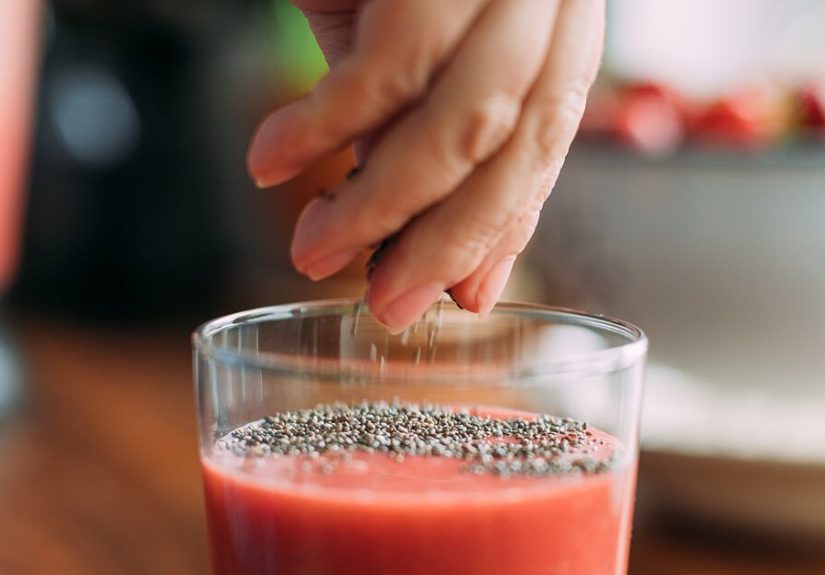
- Smoothies: Add 1 tablespoon for thickness and extra fiber.
- Oatmeal or cereal: Stir in after cooking so it thickens as it sits.
- Baking: Add to muffins, quick breads, pancakes, or granola.
- Egg substitute: Mix 1 tablespoon chia + 3 tablespoons water, rest 10 minutes (“chia egg”) for some baked goods.
- Savory: Sprinkle on salads or stir into soups (start small unless you want “instant stew gel”).
Who should be cautious with chia seeds?
Chia is generally safe for most people in typical food amounts, but “healthy” foods can still be a bad match in certain situations.
Consider extra caution if any of these apply:
- Swallowing problems: Avoid dry chia; hydrate it first.
- Digestive sensitivity (IBS, frequent bloating): Start very small and increase slowly.
- Kidney stone history (especially oxalate stones): Talk with a clinician about how chia fits your plan.
- Medication interactions: If you take blood thinners or medications for blood sugar/blood pressure, ask a clinician before increasing chia significantly.
- Allergies: Rare, but possibleespecially if you have seed allergies.
FAQ: quick answers people actually want
Do I have to grind chia seeds?
Usually, no. Chia can be eaten whole and still offers fiber and nutrients. Grinding may change texture and how it blends into recipes,
but it’s not required the way it often is with flaxseed.
What time of day is best?
Whenever you’ll use it consistently. Many people like chia at breakfast because it helps build a more filling meal. But it can work at lunch
or as an afternoon snack tooespecially in yogurt or a smoothie.
Can chia help with constipation?
It can for some people, mainly because it increases fiber intake. The key is adding it gradually and drinking enough water. If constipation is persistent
or severe, it’s worth checking in with a healthcare professional.
Conclusion: tiny habit, meaningful payoff
Chia seeds won’t replace sleep, vegetables, or medical care (tragic, we know). But they’re a legitimately useful addition to a balanced diet:
fiber for digestion, nutrients for bone support, healthy fats for heart-friendly eating, and an easy way to make meals more satisfying.
If you’re curious, start with a teaspoon, hydrate it properly, and see how your body responds. The best “superfood” is the one you’ll actually eat
more than oncewithout feeling like you’re punishing yourself.
Real-world experiences: what people notice when they add chia (about )
When people start eating chia seeds regularly, the first “benefit” they report is usually not something dramatic like
“my aura is glowing.” It’s more practicallike noticing they’re less snacky between meals, or that breakfast holds them
over until lunch without the 10:30 a.m. emergency granola-bar situation.
A very common experience is the fullness factor. Chia’s mix of fiber, a little protein, and its gel-forming
behavior can make food feel more substantial. People who stir chia into yogurt or oats often say they feel like they ate a
“real meal,” not just a quick bite. That can be especially helpful for anyone who tends to grab a light breakfast and then
spend the rest of the morning thinking about the next thing to eat.
Another frequent observation is digestive changesometimes for the better, sometimes… temporarily for the weird.
Many people notice more regular bowel movements after a week or two, especially if they were previously low on fiber.
But if someone jumps straight to two tablespoons (or more) on day one, the early days can include bloating or gas. This isn’t
chia “being bad”; it’s often just the gut adjusting to a sudden fiber upgrade. The people who report the smoothest transition
usually do two things: start small and drink more water.
Chia pudding deserves its own mini “experience review.” Some people love it immediately, calling it creamy and dessert-like.
Others have a first reaction of: “Why is my breakfast doing a tapioca impression?” The trick is texture controlusing enough liquid,
letting it sit long enough, and adding flavor. A basic combo like milk + chia + vanilla + berries tends to win more hearts than
plain chia in plain water (unless you’re truly committed to living the minimalist lifestyle).
People also report chia as an easy way to make healthy eating feel less complicated. It’s shelf-stable, doesn’t require cooking,
and slides into recipes without changing the flavor much. That matters because the healthiest routine is usually the one that fits your life.
If you’re busy, tired, or simply not in the mood to “meal prep” like a social media influencer, chia is refreshingly low-effort.
Finally, there are the lessons learned the hard way. The most common are: eating chia dry (don’t), adding too much too fast (ease in),
and forgetting that fiber works best with fluids (hydrate your plan, not just your seeds). Once people dial in serving size and preparation,
chia tends to move from “new health experiment” to “normal pantry staple”which is exactly where useful foods belong.