Table of Contents >> Show >> Hide
- What Counts as “Weed Killer,” Exactly?
- Cancer Risk 101: Hazard vs. Real-World Risk
- What the Research Says: Why the Answer Isn’t a Simple Yes or No
- The Big Ingredients People Worry About (and What We Actually Know)
- Glyphosate (commonly associated with Roundup-style products)
- Atrazine (widely used in agriculture; sometimes seen in turf products)
- 2,4-D (common in lawn weed control products)
- Alachlor and other herbicides you may not see in your garage
- Paraquat (not mainly a “cancer” headline, but a major safety headline)
- Who Is Most at Risk (If There Is a Risk)?
- How to Reduce Exposure Without Becoming a Full-Time Weed Negotiator
- When to Talk to a Medical Professional
- Experiences From the Real World: What People Commonly Run Into (and What They Learn)
- Final Takeaway
Weed killer is one of those modern miracles that makes your driveway cracks look civilized again… while also making some people wonder if they just sprayed their way into a health problem. So, can weed killer cause cancer?
The most accurate (and least annoying) answer is: it depends on the specific product, the amount and duration of exposure, and what the research shows for that chemical. “Weed killer” isn’t one thingit’s a whole category of herbicides with different active ingredients, different toxicity profiles, and different evidence bases.
This article breaks down what scientists and regulators mean when they talk about cancer risk, what major research has found for common herbicide ingredients, who may be at higher risk, and how to reduce exposure without letting your yard become a documentary series called Return of the Dandelions.
What Counts as “Weed Killer,” Exactly?
When people say “weed killer,” they usually mean herbicideschemicals designed to kill or control unwanted plants. You’ll find them in:
- Ready-to-use sprays (the grab-and-go bottle)
- Concentrates (mix with wateroften higher exposure risk during mixing)
- Granules (spread on lawns)
- Professional/agricultural products (often stronger, sometimes restricted use)
Two important label concepts:
- Active ingredient: the main weed-fighting chemical (like glyphosate, 2,4-D, or atrazine).
- Other ingredients (inert ingredients): added to help the product stick, spread, or work better. “Inert” does not automatically mean harmlessit often means “not the active pesticide.”
Cancer Risk 101: Hazard vs. Real-World Risk
Cancer conversations about chemicals get confusing fast because different organizations are often answering different questions.
Hazard identification: “Can it cause cancer under some conditions?”
This is the approach used by groups like the International Agency for Research on Cancer (IARC). A hazard classification means there is evidence the agent can cause canceroften based on human studies, animal studies, and mechanisms like DNA damage or oxidative stress. It does not automatically tell you how likely cancer is for any one person using a product occasionally.
Risk assessment: “How risky is it at typical exposure levels?”
Regulators such as the U.S. Environmental Protection Agency (EPA) focus heavily on risk: how people are exposed (skin, inhalation, accidental ingestion), how much exposure happens in real life, and whether risk is acceptable when the product is used according to label directions. In other words: hazard is “could,” risk is “what happens at real-world doses and scenarios.”
That’s why you can see disagreement: one group may say “probably carcinogenic,” while another says “not likely carcinogenic when used as directed.” They’re weighing evidence differently and sometimes asking slightly different questions.
What the Research Says: Why the Answer Isn’t a Simple Yes or No
When researchers study herbicides and cancer, they usually look at:
- Human observational studies (farmers, pesticide applicators, landscapers): useful, but harder to control for other exposures.
- Animal studies (rats/mice): helpful for hazard signals, but translation to humans isn’t always direct.
- Mechanistic studies (cells/biomarkers): show possible pathways like oxidative stress or genotoxicity.
Why results can conflict:
- Different products: “glyphosate” vs. “glyphosate-based formulations” aren’t always identical in ingredients.
- Exposure measurement: self-reported spraying history can be imperfect.
- Mixed exposures: many workers use multiple pesticides over years.
- Latency: cancers can take many years to develop, complicating timelines.
The Big Ingredients People Worry About (and What We Actually Know)
Glyphosate (commonly associated with Roundup-style products)
Why it’s in the spotlight: Glyphosate is among the most widely used herbicides. The cancer discussion most often centers on non-Hodgkin lymphoma (NHL).
What major organizations have said:
- IARC: Classified glyphosate as “probably carcinogenic to humans” (Group 2A), based on limited evidence in humans, sufficient evidence in experimental animals, and mechanistic evidence.
- U.S. EPA: Has stated that glyphosate is “not likely to be carcinogenic to humans” when used according to label directions, based on its review of available data.
What large human studies suggest: One well-known cohort of pesticide applicators (often discussed in the context of the Agricultural Health Study) did not find a statistically significant association between glyphosate use and overall cancer incidence in primary analyses, though some analyses have explored specific cancers and high-exposure subgroups.
What meta-analyses and reviews suggest: Some meta-analyses report an association between glyphosate-based herbicide exposure and increased NHL risk, while other reviews and updated analyses conclude the overall evidence is inconsistent or may depend on exposure intensity, study design, or specific lymphoma subtypes. In short: the science has not produced a single universally accepted conclusion.
Reasonable takeaway for readers: If you’re a typical homeowner using a ready-to-use product a few times a year, your exposure is generally far lower than occupational applicators. If you mix concentrates frequently, spray for work, or have years of high exposure, the conversation becomes more relevantand protective practices matter more.
Atrazine (widely used in agriculture; sometimes seen in turf products)
Why it’s discussed: Atrazine has a long history in U.S. agriculture and has been debated for both environmental and human health concerns.
What’s changed recently: IARC’s more recent evaluation classified atrazine as “probably carcinogenic to humans” (Group 2A), based on its review of human evidence, animal data, and mechanistic findings. Meanwhile, EPA documents have historically stated atrazine is “not likely to be carcinogenic to humans” under its assessment approach.
Reasonable takeaway: Atrazine is a good example of hazard vs. risk framing colliding in public view. If your exposure is primarily from occasional lawn use, risk is likely different than for agricultural workers, mixers/loaders, or those living close to heavy application areas. It’s also a reminder that “weed killer” is not one uniform risk category.
2,4-D (common in lawn weed control products)
Why it’s discussed: 2,4-D is common in “weed-and-feed” and broadleaf weed products.
What major organizations have said:
- IARC: Classified 2,4-D as “possibly carcinogenic to humans” (Group 2B), based on limited animal evidence and mechanistic data, with inadequate evidence in humans.
- EPA/other U.S. assessments: Some summaries describe 2,4-D as “not classifiable” regarding human carcinogenicity or otherwise not strongly supported as a human carcinogen under EPA frameworks (depending on the review era and classification system used).
Reasonable takeaway: The evidence is not a slam dunk in either direction for typical consumer exposure, but caution is still smartespecially for frequent users and workers.
Alachlor and other herbicides you may not see in your garage
Some herbicides (including certain older agricultural chemicals) have stronger cancer concerns in parts of the scientific literature and in certain evaluations. A key point: the cancer conversation is often chemical-specific. If you want the most practical clarity, start by reading the product label for the active ingredient, then look up that ingredient specificallyrather than treating all weed killers as interchangeable.
Paraquat (not mainly a “cancer” headline, but a major safety headline)
Paraquat is often mentioned in broader herbicide safety conversations because it is highly toxic and restricted in use. While its cancer classification discussions differ from the glyphosate/NHL debate, it highlights a basic truth: some herbicides pose severe risks that have nothing to do with cancer. When people say “weed killer is dangerous,” sometimes they’re thinking of acute toxicity or other chronic conditionsnot only cancer.
Who Is Most at Risk (If There Is a Risk)?
Across many pesticide-health studies, higher concern tends to cluster around people with:
- Occupational exposure (farmers, licensed applicators, landscapers, grounds crews)
- Frequent mixing/loading of concentrates (higher chance of splashes and skin contact)
- Long-term, repeated exposure over years
- Inadequate protective practices (no gloves, spraying in shorts, breathing drift like it’s “fresh linen”)
Kids and pets can also be vulnerable to exposure because they’re closer to the ground and may touch treated surfaces. That doesn’t mean “one whiff equals cancer.” It means the safer approach is to minimize exposureespecially right after application.
How to Reduce Exposure Without Becoming a Full-Time Weed Negotiator
If you want to lower potential risk (cancer-related or otherwise), you have two big levers: use fewer chemicals and use them more safely when you do.
Option A: Reduce or replace herbicide use
- Mulch garden beds to block sunlight and suppress weeds.
- Hand-pull early (tiny weeds are easierand far less smugthan mature weeds).
- Use physical barriers like landscape fabric where appropriate.
- Improve turf health (dense grass crowds out weeds naturally).
- Spot-treat instead of blanket-spraying when chemicals are needed.
Option B: If you use herbicides, use them like a responsible adultnot a lawn wizard
- Read the label every time (yes, every time).
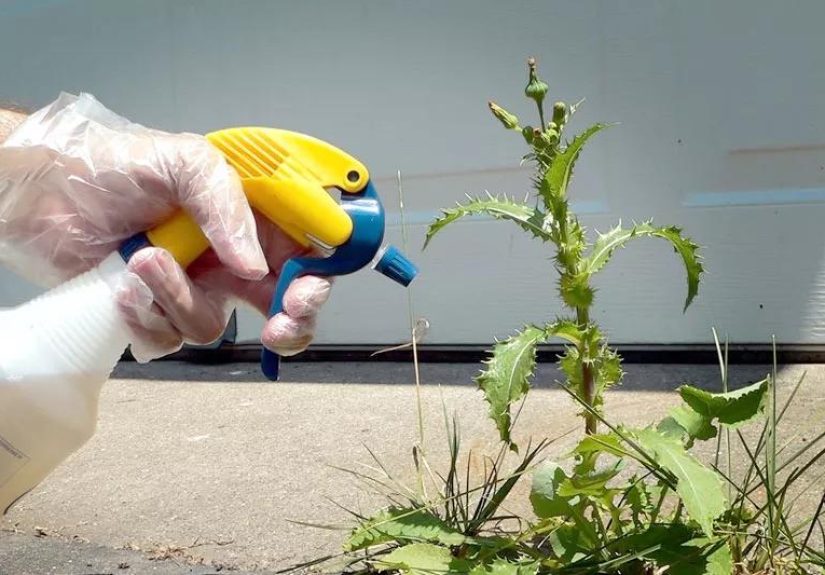
- Wear protective gear recommended by the label (commonly gloves, long sleeves, long pants, closed-toe shoes).
- Avoid spraying in wind to reduce drift and inhalation exposure.
- Mix outdoors or in good ventilation and avoid splashes.
- Keep kids and pets away for the label-specified reentry time.
- Wash hands and change clothes after application.
- Store products safely in original containersnever transfer to drink bottles or food containers.
When to Talk to a Medical Professional
If you’ve had a significant exposure event (for example, a splash of concentrate on skin, inhaling a lot of spray mist, or accidental ingestion), contact local poison control or a medical professional promptly. For people with long-term occupational exposure who are concerned about cancer risk, it can be helpful to discuss exposure history with a clinicianespecially if there are symptoms that persist or if your work involves frequent pesticide handling.
Experiences From the Real World: What People Commonly Run Into (and What They Learn)
The following experiences are drawn from common, repeat patterns reported by homeowners and workers in pesticide safety educationthink of them as “this happens a lot” scenarios, not as a single person’s story.
1) The Weekend Sprayer Who Learns the Hard Way About “Just a Quick Touch-Up”
A common homeowner experience starts with good intentions: weeds are popping up along the fence line, company is coming over, and the yard is giving “unkempt internship” instead of “thriving adult.” The homeowner grabs a ready-to-use spray, heads out in shorts and sandals, and does a fast lapsometimes in a breeze, sometimes too close to ornamental plants, and often without gloves.
Nothing dramatic happens that day, so it feels like no big deal. But later, they notice skin irritation, a mild headache, or that they tracked residue indoors on shoes. The bigger “aha” moment isn’t panicit’s realizing exposure can be small but unnecessary. Many people adjust by switching to spot treatments, wearing gloves and closed-toe shoes, and being picky about weather. The lesson is simple: you don’t need to treat weed killer like radioactive goo, but you also don’t need to treat it like air freshener.
2) The Landscaping Crew That Changes Habits Once They Start Mixing Concentrates
Workers who apply herbicides for a living often describe the biggest exposure jump as the moment they move from “spraying” to “mixing.” Concentrates increase the chance of splashes on hands and forearms, accidental spills on clothes, and inhaling vapors or mists in poor ventilation. Over time, crews that receive stronger safety training tend to adopt consistent PPE (chemical-resistant gloves, long sleeves, eye protection as needed) and “clean routines” like washing gloves before removing them, changing clothes after shifts, and separating work laundry.
These changes aren’t only about cancerthey’re about reducing overall pesticide exposure. But they’re relevant to cancer concerns because much of the cancer research focus is on higher, repeated exposures over years. In other words, the most practical “experience-based” prevention strategy is minimizing dose and frequency over time.
3) The Agricultural Community Experience: Drift, Distance, and Worry
In agricultural regions, some concerns aren’t about direct use at all. People describe worries about drift during application seasons, residues on work clothing, and what shows up in dust and soil. Even when exposures are below regulatory limits, uncertainty can create stressespecially when news headlines discuss “probable carcinogens,” lawsuits, or changing classifications. Communities often respond with practical steps: changing out of work clothes before entering living spaces, washing hands and boots, improving ventilation at home, using buffer zones, and following local guidance on application timing.
From an “experience” perspective, the biggest takeaway is emotional as well as practical: it’s normal to feel uneasy when science sounds divided. People often feel calmer when they replace vague fear with specific actionsknowing the product’s active ingredient, following label directions, reducing unnecessary use, and making exposure-lowering habits routine.
4) The “I Switched to Prevention” Success Story
One of the most common positive experiences is the shift from reactive spraying to prevention. Instead of chasing weeds with chemicals, people invest in mulch, edging, dense ground cover, healthier turf, and early weeding. Herbicides become an occasional, targeted tool rather than a seasonal ritual. Many report fewer total applications, less exposure, andbonusless money spent on products that promise “one spray fixes everything” (which is marketing’s way of saying “see you again next month”).
Bottom line from experience: People who feel best about weed killers long-term usually do the same thingsuse less, use smarter, protect their skin and lungs, and stop treating “more product” like “more better.”
Final Takeaway
Can weed killer cause cancer? Some herbicide ingredients have been linked to cancer concerns in parts of the scientific literature, while other assessments (including certain regulatory reviews) conclude the risk is low when products are used according to label directions. The strongest concerns typically involve long-term, higher exposureespecially occupational exposure, mixing/loading concentrates, and frequent application over years.
If you want the most practical, evidence-aligned approach: reduce unnecessary herbicide use, choose non-chemical weed control when possible, and follow label safety directions meticulously when you do use chemicals. That strategy lowers exposure and lowers worrytwo wins for the price of one pair of gloves.