Table of Contents >> Show >> Hide
- What Does Breast Pain During Pregnancy Feel Like?
- Why Breast Pain Happens During Pregnancy
- When Does Breast Pain Start in Pregnancy?
- Breast Pain Before Period vs. Breast Pain During Pregnancy
- Is Breast Pain Always a Sign of Pregnancy?
- Breast Changes That Are Common During Pregnancy
- When Breast Pain During Pregnancy May Need Medical Attention
- How to Relieve Breast Pain During Pregnancy
- Does No Breast Pain Mean Something Is Wrong?
- Breast Pain and Pregnancy: Practical Examples
- Common Myths About Breast Pain and Pregnancy
- Emotional Side of Breast Pain During Pregnancy
- of Real-Life Experiences Related to Breast Pain and Pregnancy
- Conclusion
- Note
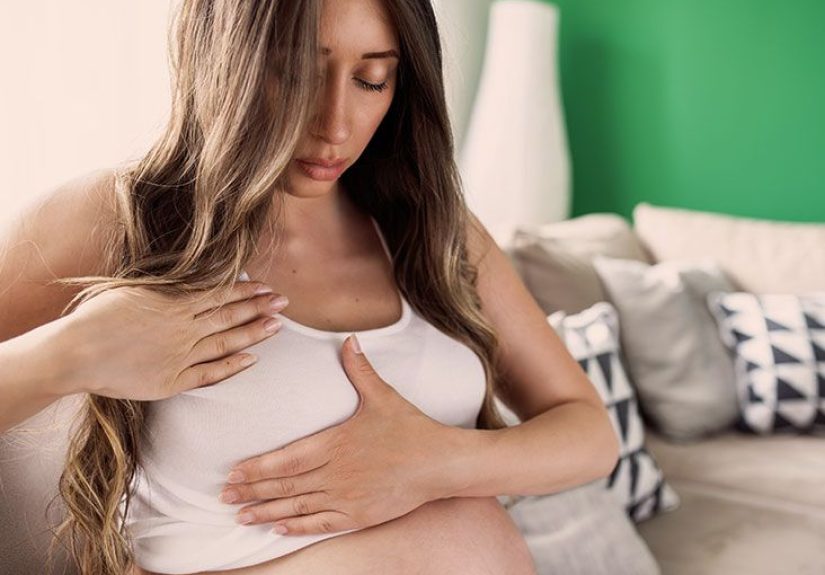
Breast pain during pregnancy can feel surprising, annoying, emotional, and occasionally dramatic enough to make a person glare suspiciously at every bra in the drawer. The good news: breast tenderness is one of the most common early pregnancy symptoms, and in many cases, it is a normal sign that the body is preparing for the months ahead.
Still, “common” does not mean “ignore everything.” Pregnancy brings major hormonal, blood-flow, skin, and tissue changes. These changes can cause sore breasts, nipple sensitivity, swelling, tingling, heaviness, visible veins, and occasional leaking later in pregnancy. Most breast pain is harmless, but certain symptomssuch as a new lump, redness, fever, unusual nipple discharge, or severe one-sided paindeserve a conversation with a healthcare professional.
This guide explains the causes, symptoms, timing, warning signs, and practical comfort tips for breast pain and pregnancy in clear, real-world language. No panic. No medical mystery fog machine. Just useful information for people who want to understand what their body may be doing.
What Does Breast Pain During Pregnancy Feel Like?
Breast pain in pregnancy can show up in several ways. Some people describe it as tenderness, soreness, heaviness, fullness, aching, burning, tingling, or sharp sensitivity around the nipples. Others say it feels similar to premenstrual breast pain, but stronger or longer-lasting. The breasts may feel swollen, tight, or uncomfortable when touched, hugged, or bumped. Even a shower stream can suddenly feel like it has entered combat mode.
The discomfort may affect both breasts or feel stronger on one side. It can come and go, or it may be steady for several weeks. For many pregnant people, breast tenderness appears early, sometimes before a missed period or shortly after a positive pregnancy test. For others, it starts later or barely happens at all. Both patterns can be normal.
Common breast symptoms in pregnancy include:
- Tender, sore, or swollen breasts
- Nipple sensitivity or tingling
- Breasts feeling heavier or fuller
- Darker or larger areolas
- More visible blue or green veins
- Small bumps around the areolas becoming more noticeable
- Itching or stretching sensations as skin expands
- Colostrum leakage in the second or third trimester
These symptoms are usually connected to hormonal shifts and physical preparation for breastfeeding, even if a person does not plan to breastfeed later.
Why Breast Pain Happens During Pregnancy
The main reason breast pain happens during pregnancy is hormonal change. After conception, levels of estrogen, progesterone, and other pregnancy-related hormones rise quickly. These hormones help support the pregnancy, but they also affect breast tissue, milk ducts, glands, blood vessels, and skin.
Think of the breasts as a renovation project that starts before anyone has agreed on paint colors. The body begins preparing the breast tissue for possible milk production very early. That preparation can create swelling, tenderness, and sensitivity.
1. Rising Hormone Levels
Estrogen and progesterone increase during pregnancy. These hormones stimulate growth in breast ducts and milk-producing glands. As the tissue responds, the breasts may become sore, tender, or fuller. This is one reason breast pain is often one of the first signs of pregnancy.
2. Increased Blood Flow
During pregnancy, blood volume increases to support the developing baby and placenta. More blood flow reaches the breasts, which can make veins look more visible and cause a feeling of fullness or throbbing. This increased circulation is normal, but it can make the breasts feel more sensitive than usual.
3. Breast Growth and Skin Stretching
As pregnancy progresses, breast size may increase. Some people notice a small change; others need a new bra size surprisingly quickly. As the skin stretches, it may feel itchy, tight, or tender. The ligaments and tissue supporting the breasts may also feel strained, especially without enough support.
4. Nipple and Areola Changes
The nipples and areolas often become more sensitive during pregnancy. The areolas may darken, widen, or develop more noticeable small bumps called Montgomery glands. These glands help lubricate and protect the nipple area. They are normal and not a sign of poor hygiene or infection.
5. Milk Duct Development
The milk ducts begin changing long before birth. This can cause aching, fullness, or a deep tender feeling. Later in pregnancy, some people notice colostrum, the early yellowish fluid produced before mature milk. Colostrum leakage can be normal, though not everyone experiences it.
6. Fluid Retention
Pregnancy can cause the body to hold more fluid. Fluid shifts may contribute to swelling and tenderness in the breasts, hands, feet, and other areas. In the breasts, this swelling may create pressure or tightness.
When Does Breast Pain Start in Pregnancy?
Breast tenderness can begin very early in pregnancy, sometimes within the first few weeks after conception. Many people notice soreness around the time their period is due, which can make it tricky to tell the difference between pregnancy symptoms and premenstrual symptoms.
In early pregnancy, breast pain may feel intense because hormone levels are rising quickly. For some people, the tenderness improves after the first trimester as the body adjusts. For others, breast discomfort continues in waves throughout pregnancy, especially during periods of breast growth.
First Trimester
The first trimester is often when breast pain is most noticeable. Breasts may feel swollen, tender, tingly, or unusually sensitive. Nipple discomfort may also increase. A person may find that their usual bra suddenly feels like an ancient torture device. A softer, supportive bra can make a big difference.
Second Trimester
During the second trimester, breast tenderness may ease, but breast growth often continues. Veins may become more visible, and areolas may darken. Some people begin leaking small amounts of colostrum. Others do not leak at all, and that can also be normal.
Third Trimester
In the third trimester, breasts may feel heavy or full as the body gets closer to birth. Nipple sensitivity, stretching, and occasional leaking may continue. A supportive bra, breathable fabrics, and gentle skin care can help reduce discomfort.
Breast Pain Before Period vs. Breast Pain During Pregnancy
Breast pain before a period and breast pain during early pregnancy can feel very similar. Both are influenced by hormones. However, there are a few clues that may help tell them apart.
Breast pain before a period
Premenstrual breast pain usually happens during the second half of the menstrual cycle and often improves once the period starts. It may feel like heaviness, swelling, or tenderness in both breasts.
Breast pain during pregnancy
Pregnancy-related breast pain may last beyond the expected period date. It can come with other early pregnancy symptoms, such as a missed period, nausea, fatigue, frequent urination, food aversions, mood changes, or mild cramping. The areolas may also darken, and the breasts may feel fuller than usual.
The only reliable way to know whether breast pain is related to pregnancy is to take a pregnancy test at the appropriate time or speak with a healthcare professional. Symptoms alone can be confusing because bodies are not always excellent at sending clear memos.
Is Breast Pain Always a Sign of Pregnancy?
No. Breast pain can happen for many reasons, and pregnancy is only one possibility. Hormonal changes during the menstrual cycle are a common cause. Breast pain can also be related to birth control, fertility medications, poorly fitting bras, muscle strain, cysts, injury, stress, or infection.
Some people experience breast tenderness every cycle. Others rarely notice it. A sudden change in breast symptoms may be worth paying attention to, especially if it does not follow a familiar pattern.
Other possible causes of breast pain include:
- Premenstrual syndrome
- Hormonal contraception
- Fertility treatment
- Breast cysts
- Muscle strain from exercise or lifting
- Mastitis or breast infection
- Fibrocystic breast changes
- An unsupportive or tight bra
Breast pain alone does not confirm pregnancy. If pregnancy is possible, a home pregnancy test after a missed period is usually the simplest next step.
Breast Changes That Are Common During Pregnancy
Breast pain is only one part of the pregnancy breast-change package. The body may also make visible changes that can feel surprising but are usually normal.
Darker Areolas
The areolas may become darker because of hormonal changes affecting skin pigment. This change is common and may become more noticeable as pregnancy progresses.
More Visible Veins
Increased blood flow can make veins more noticeable beneath the skin. This is especially common in people with lighter skin tones, but it can happen to anyone.
Enlarged Montgomery Glands
Small bumps around the areolas may become more visible. These glands help keep the nipple area moisturized and protected.
Breast Size Changes
Breasts may increase in size because the glands and ducts are developing. Some people go up one or more cup sizes during pregnancy. Others notice only mild changes.
Colostrum Leakage
Colostrum is the first milk-like fluid produced before mature breast milk. It may appear as a yellowish or clear fluid later in pregnancy. Leaking colostrum can be normal, but not leaking is also normal.
When Breast Pain During Pregnancy May Need Medical Attention
Most breast pain during pregnancy is not dangerous. However, certain symptoms should be checked by a healthcare professional. Pregnancy is not a reason to ignore breast concerns. If something feels unusual, persistent, or worrying, it is better to ask than to spend three nights searching symptoms online and accidentally diagnosing yourself with twelve unrelated conditions.
Call a healthcare professional if you notice:
- A new lump that does not go away
- Severe breast pain, especially on one side
- Redness, warmth, swelling, or fever
- Pus-like nipple discharge
- Bloody nipple discharge
- Skin dimpling, thickening, or unusual texture changes
- A nipple that suddenly turns inward
- Pain that lasts longer than two weeks and does not improve
Breast infections can occur during pregnancy, though they are more common during breastfeeding. A painful, red, warm area with fever may suggest infection and should be evaluated promptly.
How to Relieve Breast Pain During Pregnancy
Breast tenderness may not disappear completely, but several simple strategies can reduce discomfort. The goal is support, softness, and fewer surprise “ouch” moments.
Wear a Supportive Bra
A well-fitting bra can help reduce pulling and pressure. Many people prefer wireless bras, maternity bras, or soft sports bras during pregnancy. The right bra should support the breasts without digging into the ribs, shoulders, or breast tissue.
Try a Sleep Bra
If breast pain is worse at night, a soft sleep bra may help. Light support can reduce movement and tenderness while sleeping.
Use Warm or Cool Compresses
Some people feel better with warmth; others prefer cold. A warm compress may relax sore tissue, while a cold pack wrapped in cloth may reduce swelling and sensitivity. Avoid applying ice directly to the skin.
Choose Soft, Breathable Fabrics
Scratchy fabric and tight seams can irritate sensitive nipples. Cotton or moisture-wicking materials may feel better. If nipples are extremely sensitive, soft breast pads can reduce friction.
Adjust Exercise Support
Exercise is often encouraged during pregnancy when approved by a healthcare professional, but bouncing can make breast pain worse. A supportive sports bra can help during walking, stretching, or prenatal workouts.
Ask Before Taking Pain Relievers
Some pain relievers are not recommended at certain stages of pregnancy. Before taking medication for breast pain, ask a healthcare professional what is safe for your situation.
Does No Breast Pain Mean Something Is Wrong?
No. Some people have strong breast tenderness during pregnancy, while others have little or none. Symptoms vary widely from person to person and pregnancy to pregnancy. A lack of breast pain does not automatically mean there is a problem.
It is also normal for breast tenderness to come and go. One day the breasts may feel very sore; another day they may feel almost normal. Pregnancy symptoms can fluctuate, especially as hormone levels shift and the body adjusts.
However, if breast tenderness suddenly disappears along with other symptoms and there is bleeding, strong cramping, dizziness, or concern about pregnancy loss, contact a healthcare professional. The absence of soreness alone is not usually enough to indicate a problem, but symptoms should be considered in context.
Breast Pain and Pregnancy: Practical Examples
Example 1: Early tenderness before a missed period
A person notices that their breasts feel unusually sore one week before their expected period. The tenderness continues after the period does not arrive. A pregnancy test later comes back positive. In this case, breast pain may have been an early pregnancy symptom, especially because it continued beyond the expected period date.
Example 2: Sore nipples in the first trimester
Someone in early pregnancy finds that their nipples feel sensitive against clothing. Switching to a soft bra and avoiding rough fabrics helps. This type of nipple sensitivity is common during early pregnancy and often improves with time.
Example 3: One-sided pain with redness
A pregnant person develops pain in one breast, along with redness and warmth. This is different from typical hormonal tenderness and should be checked by a healthcare professional, especially if fever develops.
Example 4: No breast pain at all
Another person is pregnant but has no breast tenderness. They feel tired and nauseated but their breasts feel normal. This can still be normal. Not every pregnancy includes every symptom.
Common Myths About Breast Pain and Pregnancy
Myth 1: Breast pain always means pregnancy
False. Breast pain can happen because of PMS, hormonal contraception, muscle strain, cysts, or other causes. Pregnancy is only one possible explanation.
Myth 2: Severe breast pain means something is definitely wrong
Not always. Some people experience strong tenderness during normal pregnancy. However, severe pain, one-sided symptoms, redness, fever, or unusual discharge should be evaluated.
Myth 3: No breast pain means the pregnancy is unhealthy
False. Many healthy pregnancies have mild symptoms or no breast pain. Pregnancy symptoms vary widely.
Myth 4: Leaking colostrum means labor is starting
Not necessarily. Colostrum leakage can happen weeks or months before birth. It does not automatically mean labor is near.
Emotional Side of Breast Pain During Pregnancy
Breast pain is physical, but it can also affect mood and daily comfort. When your body feels different every week, it can be hard to feel relaxed. Tender breasts may make sleeping uncomfortable, intimacy awkward, workouts annoying, and clothing choices strangely dramatic. Suddenly, a favorite fitted top may feel like it was designed by someone with a personal grudge.
It is okay to feel frustrated. Pregnancy changes can be exciting and uncomfortable at the same time. Paying attention to comfort is not being “too sensitive.” It is practical body care. A better bra, softer pajamas, or a short conversation with a clinician can make the experience easier.
of Real-Life Experiences Related to Breast Pain and Pregnancy
Many people describe breast pain as one of the first clues that pregnancy might be happening. The experience often begins with a familiar feelingsimilar to pre-period tendernessbut then it does not fade when expected. One common story is waking up, rolling over, and instantly realizing that the breasts have become extremely sensitive overnight. It can feel like the body quietly changed the settings while everyone was asleep.
For some, the soreness is mild and manageable. They notice a little swelling, a tighter bra, or tenderness when pressing against the chest. For others, the discomfort is intense enough to change daily habits. Running down stairs, sleeping on the stomach, or wearing an underwire bra may suddenly become a hard no. Even hugs can require a warning label: “Approach gently. Chest area under construction.”
Another common experience is confusion. Because breast pain can happen before a period, many people do not immediately connect it with pregnancy. They may think their period is coming, only to notice that the tenderness lasts longer than usual. When a missed period, fatigue, nausea, or frequent urination appears too, the pieces start to fit together. Still, symptoms are not proof on their own, which is why a pregnancy test or medical visit matters.
Some pregnant people feel anxious when breast pain changes. A person may have sore breasts for several weeks, then wake up one morning with less tenderness. This can be unsettling, especially in early pregnancy. In many cases, symptoms naturally rise and fall as hormones shift. The body does not operate on a perfectly predictable schedule. However, if symptom changes come with bleeding, strong cramping, dizziness, or severe pain, medical guidance is important.
There are also people who never experience much breast pain at all. They may hear friends talk about soreness and wonder why their own body is not doing the same thing. This can create unnecessary worry. Pregnancy symptoms vary widely. Some people have breast tenderness, some have nausea, some have fatigue, and some have a mix that changes every few days. The lack of one symptom does not automatically mean something is wrong.
Comfort strategies often come from trial and error. Many people discover that their regular bra no longer works and switch to a soft maternity bra or sports bra. Others use cool compresses after a long day or wear a sleep bra at night. Loose shirts, soft fabrics, and avoiding rough seams can help with nipple sensitivity. Small changes can make a surprisingly big difference.
The biggest lesson from real-life experiences is this: breast pain during pregnancy is common, but personal. It can be early or late, mild or intense, constant or on-and-off. The best approach is to notice patterns, support the body, and ask a healthcare professional about anything unusual. Pregnancy already comes with enough mysteries; breast pain does not need to be solved alone at 2 a.m. with twenty browser tabs open.
Conclusion
Breast pain and pregnancy often go together because the body begins preparing for feeding a baby early in gestation. Hormonal changes, increased blood flow, breast growth, nipple sensitivity, and milk duct development can all contribute to soreness, swelling, tingling, or heaviness. These symptoms are usually normal, especially in the first trimester, and they often improve as the body adjusts.
At the same time, it is important to know when breast pain needs attention. A new persistent lump, redness, warmth, fever, bloody discharge, severe one-sided pain, or unusual skin changes should be discussed with a healthcare professional. Most breast tenderness is harmless, but peace of mind is worth more than guessing.
Supportive bras, soft fabrics, warm or cool compresses, and gentle daily adjustments can make pregnancy-related breast pain easier to manage. Whether breast tenderness is strong, mild, or absent, every pregnancy is different. The body has its own timelineand sometimes, apparently, its own very opinionated bra policy.
Note
This article is for general educational purposes only and should not replace professional medical advice, diagnosis, or treatment. Anyone who is pregnant or may be pregnant should contact a qualified healthcare professional with personal health concerns, severe symptoms, or unusual breast changes.