Table of Contents >> Show >> Hide
Let’s get one thing out of the way: there is no enchanted workout that melts fat while you lounge around thinking athletic thoughts. Weight loss is usually the result of consistent movement, smart recovery, and habits you can actually live with. The good news? You do not need to become a gym goblin or marry a treadmill to make progress.
The best exercises to lose weight are the ones that burn energy, help you build or preserve muscle, and fit into your real life without making you miserable. That usually means a mix of cardio, strength-building, and enough variety to keep boredom from filing a formal complaint. Some workouts torch calories quickly. Others are slower burners but easier to stick with. The real winner is the routine you can repeat next week, next month, and beyond.
In this guide, you’ll find nine of the best exercises for weight loss, plus practical tips for combining them into a routine that feels effective instead of punishing. Whether you’re a beginner, a former athlete returning from a long break, or someone who has a complicated relationship with burpees, there’s something here for you.
Why Exercise Helps With Weight Loss
Exercise supports weight loss in a few important ways. First, it increases the amount of energy your body uses. Cardio tends to burn more calories during the workout itself, which is why walking, running, cycling, and swimming are popular choices. Strength training matters just as much because it helps you build or maintain lean muscle mass, and muscle is metabolically active tissue. In plain English: stronger bodies tend to be more efficient, more capable, and better at hanging onto progress.
There’s also the “life gets easier” factor. As your fitness improves, daily movement feels less exhausting. Stairs stop acting like your sworn enemy. Carrying groceries becomes less dramatic. You may move more throughout the day without even trying, and that extra movement adds up.
Most importantly, exercise works best for weight loss when it is not treated like punishment for eating lunch. Sustainable progress comes from consistency, not from trying to “make up for” pizza with 90 minutes of suffering.
The 9 Best Exercises to Lose Weight
1. Brisk Walking
Walking is the most underrated star in the weight loss universe. It is low-impact, beginner-friendly, free in its most natural form, and much easier on the joints than higher-impact workouts. A brisk walk can raise your heart rate enough to count as moderate-intensity cardio, especially if you pick up the pace, add hills, or extend the distance.
Walking also wins on consistency. Many people can walk more often than they can run, which makes it a powerful long-game strategy. A daily 30- to 45-minute brisk walk can be more useful than an intense workout you only survive once every ten days.
Best for: beginners, people returning to exercise, active recovery days, and anyone who wants a sustainable fat-loss habit.
2. Jogging or Running
If walking is the reliable best friend, running is the loud overachiever. Jogging and running can burn more calories in less time than walking because the intensity is higher. They also improve cardiorespiratory fitness and can make steady-state cardio more efficient over time.
The catch is that running is not ideal for everybody, especially if you have joint pain, are significantly deconditioned, or simply hate it with the fiery passion of a thousand suns. You do not need to run to lose weight. But if you enjoy it, it can be a very effective option.
Best for: people who want efficient calorie burn, enjoy outdoor exercise, or like tracking pace and distance.
3. Cycling
Cycling is one of the best weight loss exercises because it can be scaled so easily. You can ride outdoors, use a spin bike, or hop on a stationary bike at the gym. It can be moderate, vigorous, interval-based, social, scenic, or gloriously sweaty.
It is also gentler on the joints than running, which makes it a great alternative for people who want hard cardio without a lot of pounding. Add resistance or hills and your legs will definitely send you a strongly worded letter the next morning.
Best for: low-impact cardio lovers, people with cranky knees, and anyone who wants a mix of endurance and intensity.
4. Swimming
Swimming is a full-body workout that challenges your heart, lungs, arms, legs, and core all at once. Because water supports body weight, swimming is often more comfortable for people with joint issues or those who want a hard workout without high impact.
It also sneaks in resistance training because water creates drag with every stroke. That means you are not just doing cardio; you are working muscles at the same time. Bonus: you usually do not feel drenched in sweat, which feels like cheating but isn’t.
Best for: full-body conditioning, low-impact training, hot weather, and cross-training days.
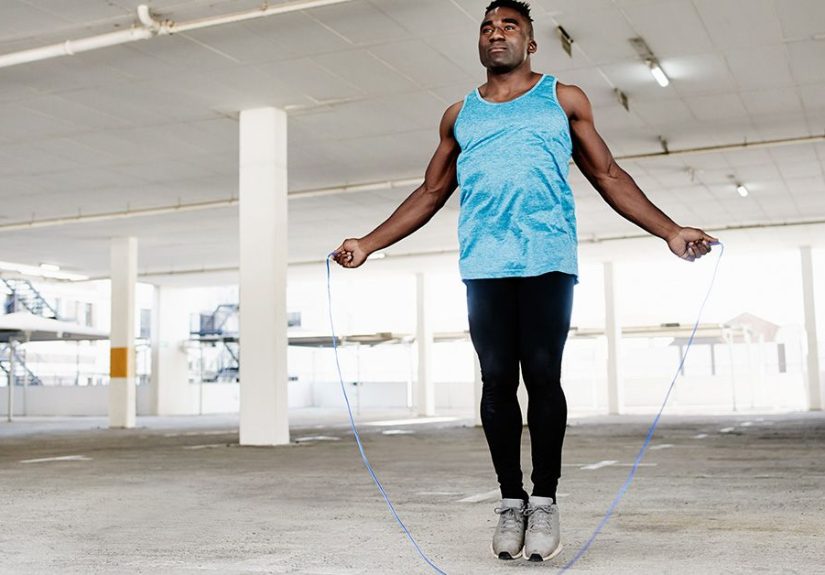
5. Jump Rope
Jump rope is compact, affordable, and surprisingly intense. It can quickly elevate your heart rate and improve coordination, rhythm, and lower-body endurance. It is one of those workouts that looks easy until you do it for a minute and suddenly start negotiating with your lungs.
Because it is higher impact, beginners may want to use short intervals and softer surfaces. Start with 20 to 30 seconds of jumping followed by rest, then build from there.
Best for: short workouts, home exercise, coordination, and people who want a serious cardio challenge in a tiny space.
6. High-Intensity Interval Training (HIIT)
HIIT alternates short bursts of hard effort with recovery periods. Think 30 seconds of fast cycling, followed by 60 seconds of easy pedaling, repeated for several rounds. The beauty of HIIT is efficiency: you can get a demanding workout in a shorter session than traditional steady-state cardio.
HIIT can improve fitness and keep workouts interesting, but it is not something you need to do every day. Too much intensity can leave you exhausted, overly sore, or more likely to quit. Use it as a spice, not the whole meal.
Best for: busy schedules, experienced exercisers, and people who like short, challenging sessions.
7. Traditional Strength Training
Strength training deserves a permanent seat at the table. Lifting weights, using resistance machines, or training with dumbbells and bands can help you build muscle, preserve lean mass during weight loss, improve posture, and boost overall function. It may not feel as sweaty as a hard cardio class, but it pays off where it counts.
Compound movements are especially useful: squats, deadlifts, rows, presses, and lunges recruit multiple muscle groups and give you more return for your time. Think of them as the multitaskers of the gym.
Best for: body recomposition, building strength, preserving muscle while losing fat, and improving everyday movement.
8. Bodyweight Training
No gym? No problem. Bodyweight exercises such as squats, push-ups, lunges, step-ups, glute bridges, planks, and mountain climbers can build strength and elevate your heart rate at the same time. They are flexible, accessible, and excellent for people who want to exercise at home.
The trick is progression. If you always do the exact same ten squats with the exact same effort, your body gets bored. Add reps, slow down the lowering phase, reduce rest time, or try harder variations to keep making progress.
Best for: home workouts, beginners, travel, and anyone building a routine without equipment.
9. Circuit Training
Circuit training blends strength and cardio into one efficient session. You move through a series of exercises with limited rest, such as squats, rows, push-ups, bike sprints, lunges, and planks. Because you keep moving, your heart rate stays elevated while your muscles still get challenged.
This style of training is fantastic for people who want the “best of both worlds.” It is also harder to get bored because you switch tasks frequently. Circuits can be done with machines, free weights, resistance bands, or just body weight.
Best for: time-efficient workouts, mixed fitness goals, and people who want cardio and strength in one session.
Which Exercises Burn the Most Fat?
That question sounds simple, but the honest answer is: the exercise that you can do consistently and recover from. Running may burn more calories per minute than walking, but if walking is something you can do five days a week while running wrecks your knees after one session, walking is the smarter pick.
Cardio often burns more calories during the workout itself. Strength training helps you maintain muscle and shape a stronger body that can keep training hard over time. The most effective fat-loss plan usually includes both. This is less glamorous than a “one weird trick” headline, but far more useful.
Tips to Make Your Workouts Actually Work
Combine Cardio and Strength
Do not choose sides in the cardio-versus-strength argument like it is a reality show finale. Use both. Cardio supports calorie burn and endurance. Strength training helps preserve muscle and improves overall body composition.
Start Slightly Easier Than Your Ego Wants
The fastest way to derail a routine is to go too hard, get painfully sore, and vanish for a week. Start at a level that feels manageable. Progress beats bravado.
Use the Talk Test
For moderate-intensity exercise, you should be breathing harder but still able to talk in short sentences. For vigorous exercise, talking becomes difficult. This is a simple way to gauge effort without needing fancy gadgets.
Focus on Weekly Consistency
One heroic workout is nice for social media. Four decent workouts and more daily movement are better for results. Aim for a routine you can repeat, not one you need to recover from emotionally.
Protect Recovery
Sleep, hydration, rest days, and enough food to recover all matter. Weight loss does not improve when your body feels like it has been hit by a truck driven by your own bad decisions.
Pair Exercise With Realistic Nutrition Habits
Exercise helps with weight loss, but it works best alongside balanced eating habits. That does not mean extreme rules, panic, or trying to survive on lettuce and vibes. It means enough protein, fiber-rich foods, regular meals, and a calorie intake that supports progress without making your life miserable.
A Simple Weekly Weight Loss Workout Plan
Here is one balanced example:
- Monday: Brisk walk for 40 minutes
- Tuesday: Full-body strength training for 35 to 45 minutes
- Wednesday: Cycling or swimming for 30 minutes
- Thursday: Bodyweight circuit for 25 to 30 minutes
- Friday: Brisk walk or easy jog for 30 to 40 minutes
- Saturday: HIIT session for 15 to 20 minutes or a longer bike ride
- Sunday: Rest, mobility, or an easy walk
This kind of schedule gives you cardio, strength-building, variety, and recovery without turning fitness into a second full-time job.
What Real-Life Weight Loss Exercise Often Feels Like
Now for the part no one talks about enough: the experience of doing these workouts in real life. Not the polished before-and-after version. Not the dramatic movie montage where you suddenly become a machine after one inspirational playlist. The actual experience.
In the beginning, brisk walking often feels almost too easy, which makes people underestimate it. Then a week later, they realize they have been more active, more energized, and less intimidated by exercise. Walking is sneaky like that. It slips into your routine without demanding a costume change, a gym membership, or emotional preparation worthy of a moon landing.
Running and HIIT tend to create the opposite reaction. At first, they feel impressive. You finish a hard session and think, “Yes, I am now the kind of person who does athletic things.” Then the next day your legs file a complaint, stairs become a trust exercise, and sitting down feels like a strategic decision. The lesson is not that hard workouts are bad. The lesson is that intensity is useful only when recovery keeps pace.
Strength training usually brings one of the most satisfying shifts. Early on, the scale may not move dramatically, which can be frustrating if you are expecting instant fireworks. But daily life starts changing in small, meaningful ways. Grocery bags feel lighter. Posture improves. You stand differently. You feel more capable. A lot of people notice that their clothes fit better before the number on the scale makes a big announcement.
Cycling and swimming often become favorites for people who hate the pounding of high-impact exercise. There is a sense of momentum in both. On a bike, especially outdoors, you may not notice how hard you are working until you stop and realize your legs are speaking fluent exhaustion. In the pool, the water makes exercise feel graceful, even when your technique says otherwise. Both can make cardio feel less like punishment and more like a skill.
Jump rope and circuit training are usually humbling at first. Coordination, timing, and pacing all matter. You miss a few jumps. You lose count in the middle of a circuit. You discover that push-ups become dramatically less fun when they are sandwiched between lunges and squats. But that learning curve is part of the reward. These workouts show progress quickly because what feels chaotic in week one often feels smooth by week four.
Another common experience is the famous “nothing is happening” phase. This is when people are exercising regularly, eating better, and still waiting for some huge, cinematic transformation. Usually, things are happening. Resting heart rate improves. Stamina improves. Mood improves. Sleep improves. Strength improves. The body often changes quietly before it changes obviously.
The people who do best are usually not the ones doing the most brutal workouts. They are the ones who keep showing up. They walk when motivation is low. They lift even when the session is not perfect. They stop treating exercise like a test they can fail and start treating it like a normal part of life. That shift matters more than any trendy fat-burning promise ever could.
Final Thoughts
The best exercises to lose weight are not limited to one machine, one class, or one fitness personality type. Brisk walking, running, cycling, swimming, jump rope, HIIT, strength training, bodyweight workouts, and circuit training can all help. The real secret is combining enough effort with enough consistency and enough sanity to keep going.
If you want the shortest possible answer, here it is: move often, lift something regularly, recover properly, and choose workouts you do not dread. Fitness does not need more drama. It needs a plan you can live with.