Table of Contents >> Show >> Hide
- What Is an Appetizer Fork & Spoon Set, Exactly?
- Why These Mini Utensils Make Parties Easier
- How to Choose the Right Appetizer Fork & Spoon Set
- How to Use Them Without Overthinking It
- Care & Cleaning: Keep the Shine, Keep Your Sanity
- Party Setup Ideas That Make Small Utensils Feel Like a Big Deal
- Smart Buying Tips: What to Look For (and What to Skip)
- FAQ
- Conclusion: Small Utensils, Big Hosting Energy
- Extra: of Real-World Appetizer Fork & Spoon Set Experience
Tiny utensils are the underrated heroes of entertaining. They’re the difference between
“Wow, this feels fancy” and “Why am I balancing a meatball, a drink, and my dignity with two fingers?”
An appetizer fork & spoon set solves a very real party problem: how to eat small bites neatly,
comfortably, and with minimal shirt regrets.
In this guide, we’ll break down what’s in a great set, which materials actually matter, how to use them
(without looking like you’re auditioning for a Victorian drama), and how to pick a set that fits your hosting style
from game-day nacho bars to rooftop oyster nights.
What Is an Appetizer Fork & Spoon Set, Exactly?
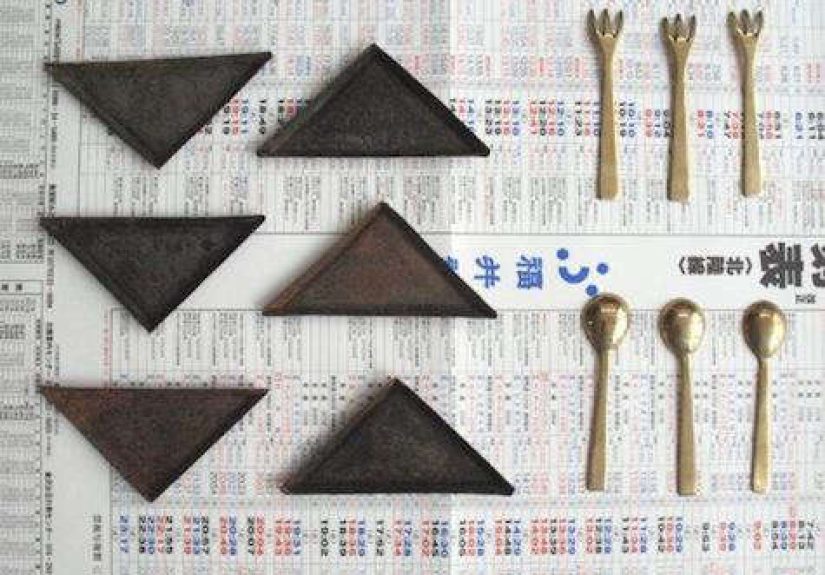
Think of it as the “small-but-mighty” category of flatware: shorter forks and spoons designed for
hors d’oeuvres, tasting portions, seafood bites, dessert samples, condiments, and cocktail-hour everything.
Some sets are matched pairs (mini forks + mini spoons), while others lean into one specialty.
The fork side of the story
Most appetizer forks fall into a few familiar shapes:
-
Cocktail forks: small forks made for bite-sized foodsshrimp, olives, cheese cubes,
tiny tarts, or that one fancy cube of watermelon that costs more than your first car payment. -
Seafood/oyster-style forks: often slightly narrower and designed to reach into shells
or grab slippery bites without launching them across the room. -
Two-tine “pick” forks: great for small, delicate bites and charcuterie boards. They look
a little like tiny tuning forks for snack-time concerts.
The spoon side of the story
Appetizer spoons commonly include:
-
Demitasse/espresso spoons: small spoons used for espresso, affogato, mini desserts, or
stirring cocktails when you’re feeling extra. -
Tasting/appetizer spoons: slightly larger bowls or modern “Asian soup spoon” silhouettes,
often used for amuse-bouche portionsthink ceviche, panna cotta, or a one-bite gazpacho moment. -
Condiment spoons: tiny scoops for jams, mustards, tapenade, caviar, or chili crisp
(a valid personality trait).
Why These Mini Utensils Make Parties Easier
A dedicated appetizer fork and spoon set isn’t just cuteit’s practical. Here’s what it fixes:
-
Cleaner hands: Less finger-food fallout means fewer napkin emergencies and fewer
accidental “handshake of hummus.” -
Better pacing: Small utensils encourage small bitesideal for tasting menus, appetizer-only
dinners, or cocktail parties where the goal is “mingling,” not “deep breathing between forkfuls.” -
More elegant serving: Mini spoons shine with dips, spreads, and saucy bites (hello, shrimp
cocktail sauce, chimichurri, and that queso you pretend is “just a taste”). -
Less double-dipping drama: When serving utensils are clearly available, guests are more likely
to use them. Peace treaties are signed. Friendships survive.
How to Choose the Right Appetizer Fork & Spoon Set
1) Material: stainless steel isn’t all the same
If you want everyday durability with minimal fuss, stainless steel flatware is the usual winner.
You’ll often see ratios like 18/10, 18/8, or 18/0.
In plain English: higher nickel content typically means better shine and corrosion resistance, while lower-nickel
options can be more budget-friendly.
For entertaining sets, 18/10 is often marketed as the premium pickespecially if you love that bright,
mirror-finish look and you’d like your utensils to keep their glow after many dishwasher cycles.
18/0 can still be perfectly usable, especially for casual gatherings, but it may not hold the same luster long-term.
Prefer something more “heirloom vibes”? You might consider silver-plated appetizer forks
for holidays or special dinners. They’re gorgeous, but they come with more care rules (and a higher chance you’ll
be whispering “please don’t put that in the garbage disposal” through clenched teeth).
2) Construction: forged vs. stamped (yes, it matters)
You’ll sometimes see flatware described as forged or stamped. Forged pieces
are formed from thicker material and typically feel more substantial in the hand. Stamped pieces can be lighter
and more flexible. For appetizer utensils, either can workwhat matters most is comfort and sturdiness,
especially at the fork tips and spoon bowls.
3) Shape and comfort: the “will I actually use this?” test
A beautiful set that feels awkward becomes “decor” fast. Look for:
- Comfortable handles (not too sharp, not too slippery)
- Fork tines that are narrow enough for small bites but not flimsy
- Spoon bowls that can scoop dips cleanly without acting like a shovel
- Balanced weight (especially if guests will be standing while eating)
4) How many pieces do you need?
Here’s a hosting-friendly rule of thumb:
- Cocktail party: 2–3 appetizer forks per guest (people drop them, misplace them, or accidentally adopt one)
- Seated appetizer course: 1 per guest plus a few extras
- Appetizers-only dinner: plan for 2 utensils per guest if you’re serving multiple courses or stations
If you do lots of entertaining, buying a slightly larger set is smarter than scrambling mid-party
and handing out dinner forks that look like they’re training for a heavyweight competition.
How to Use Them Without Overthinking It
Mini etiquette that makes you look like a pro
You don’t need a finishing school certificatejust a few simple habits:
-
Put utensils where the food is. If guests have to hunt, they will default to fingers.
Fingers are innocent… until they aren’t. - Offer cocktail napkins. Napkins + small utensils = the secret handshake of successful hosting.
- Use the right tool for the right bite. Forks for firm bites; spoons for saucy bites; both for “I made a dip so good it should pay rent.”
Perfect pairings: what to serve with appetizer forks
A cocktail fork set shines with foods that are tidy but not exactly finger-friendly:
- Shrimp cocktail (especially if you want to avoid the “shrimp slap” on your sleeve)
- Caprese skewersremove the skewer and fork it like a civilized person
- Charcuterie boardspickles, cheeses, olives, marinated artichokes
- Mini quiches and savory tarts
- Fruit bites (melon, berries, pineapple) where sticky fingers are a known hazard
Perfect pairings: what to serve with appetizer spoons
Appetizer spoons are your best friend for anything saucy, silky, or “one elegant scoop”:
- Hummus, whipped feta, or ricotta with toppings (hot honey, herbs, chili crisp)
- Caviar or roe on blinis/crackers (a tiny spoon makes it feel intentional)
- Ceviche or tartare tasting portions
- Mini desserts like mousse, pudding, panna cotta, or affogato
- Condimentsmustard, jam, relishso guests don’t turn your serving board into a crime scene
Care & Cleaning: Keep the Shine, Keep Your Sanity
Most stainless appetizer utensils are dishwasher-friendly, but a few habits help them last longer:
- Rinse soon after use so salty or acidic residues don’t linger
- Avoid harsh detergents (especially citrus-heavy ones) if the maker recommends it
- Don’t let them sit wetremove promptly after the cycle to reduce water spots
- Dry if you care about sparkle (air-drying is fine; towel-drying is “guest-ready”)
If you go with silver-plated pieces, follow brand guidance carefully. Many can be cleaned in the dishwasher
only under specific conditions (gentle detergent, careful loading, and avoiding certain metal-to-metal contact).
Sterling silver and delicate hollow-handled pieces are usually the “hand-wash me, please” category.
Party Setup Ideas That Make Small Utensils Feel Like a Big Deal
Create a “grab-and-go” utensil moment
Put forks and spoons in short glasses or small crocks near the appetizer spread. Bonus points if you add a little sign
like “Tiny Tools, Big Flavor.” It’s corny. It’s charming. It works.
Match the utensil to the station
- Seafood station: seafood/cocktail forks + lemon wedges + extra napkins
- Dip bar: appetizer spoons + spreaders + small plates
- Dessert bites: demitasse spoons + mini forks for fruit tarts
Don’t over-set the table
If it’s a cocktail-style gathering, keep it simple: plates, napkins, and the appetizer utensils you’ll actually use.
Over-setting can feel fussyand guests will still somehow pick up the one utensil meant for a different course.
Smart Buying Tips: What to Look For (and What to Skip)
Buy for your real life, not your “someday château”
Ask yourself: Are you hosting holiday parties? Doing weekly charcuterie nights? Or are you mostly feeding your
household and occasionally bribe friends to come over with snacks? Choose accordingly.
Where great sets often come from
- Specialty kitchen retailers (solid quality and stylish designs)
- Restaurant supply styles (durable, consistent, often sold in multiples)
- Flatware brands with clear care guidance and quality grades
Watch out for the “cute but useless” trap
If a spoon is so tiny it can’t scoop anything thicker than air, it’s not an appetizer spoonit’s a decorative idea.
Similarly, if fork tines are dull or oddly wide, you’ll be chasing olives like you’re playing snack pinball.
FAQ
Are appetizer forks the same as dessert forks?
Sometimes they’re similar in size, but appetizer forks are typically meant for savory bites and mingling-friendly portions.
Dessert forks may be shaped a bit differently for pastries. If it feels comfortable and works for your menu, you’re fine.
The utensil police are not real (and if they are, they’re not invited).
Can I use demitasse spoons for tasting appetizers?
Absolutely. They’re great for mini desserts, small scoops, and coffee service. For more liquid-y bites (like soup sips),
you may prefer a tasting spoon with a slightly deeper bowl.
Do I need matching forks and spoons?
Matching looks polished, but mixed sets can be funespecially with vintage cocktail forks or a brushed finish paired
with glossy serving pieces. The key is consistency: pick a vibe and commit.
Conclusion: Small Utensils, Big Hosting Energy
A well-chosen appetizer fork & spoon set makes entertaining smoother, cleaner, and honestly more joyful.
It’s a small upgrade that pays off every time you serve shrimp cocktail, set out a dip trio, or build a charcuterie board
that deserves its own camera crew. Choose a durable material, buy enough pieces for your crowd, and set them out where guests
can actually find them. Your future selfwearing a stain-free shirtwill thank you.
Extra: of Real-World Appetizer Fork & Spoon Set Experience
The first time I hosted a “grown-up” appetizer party, I underestimated two things: (1) how quickly adults turn into
happy raccoons around a cheese board, and (2) how badly people want a utensil the moment a dip appears.
I had gorgeous foodsmoked salmon, whipped feta, marinated olives, mini crab cakes. I did not have enough small forks.
Within minutes, guests were doing the elegant equivalent of survival foraging: one friend used a toothpick like a spear,
another tried to scoop hummus with a cracker that snapped mid-air, and someone (bless them) attempted a “double-dip but make it subtle.”
The next gathering, I came prepared with a real appetizer fork and spoon set. It changed the whole mood.
Suddenly, people could actually eat while holding a drink. They could take a bite of olive without chasing it across the plate
like it owed them money. The spoons were the surprise MVP: guests used them for tapenade, for salsa, for a little drizzle of hot honey
over goat cheese, andunexpectedlyfor stirring cocktails when the ice started melting. (Apparently, if you put a spoon out, it becomes a
multi-tool. Like a tiny Swiss Army utensil.)
My favorite lesson came from a seafood night. I served shrimp cocktail and a small tray of oysters. I set a jar of cocktail forks right by
the platter, plus extra napkins. The setup looked intentional, and it prevented the classic shrimp problem: slippery shrimp + sauce + fingers
= wardrobe danger. People grazed neatly, and nobody had to do the awkward “wipe hands on napkin while pretending it’s part of the conversation”
move. Even better, the forks made shy guests more comfortable. Some folks don’t love messy finger foods, especially in a group setting.
Give them a utensil, and they’ll happily try the fancy bite they were avoiding.
I’ve also learned that small utensils are a secret weapon for pacing. When you serve rich biteslike bacon-wrapped dates or buttery puff pastry
tiny forks encourage smaller, more thoughtful bites. People savor instead of inhaling. That means your appetizer spread lasts longer, your guests
feel better, and you don’t run out of the “good stuff” in the first ten minutes. If you want to stretch a party menu without feeling stingy,
mini forks and spoons are weirdly effective.
Finally, there’s the cleanup factor. Good stainless appetizer utensils wash up easily, and having enough pieces prevents the “utensil pile-up”
where guests abandon forks around the house like breadcrumbs. Now I treat them like part of the party plan: I set them out in more than one spot
(because guests always gather in clusters), I keep a small dish for used utensils near the kitchen, and I buy a few extras because one will
inevitably disappear into the same alternate dimension as matching socks.
So yesan appetizer fork & spoon set sounds like a small thing. But in real life, it’s one of those small things that makes
hosting feel smoother, more polished, and more fun. And if it saves even one shirt from cocktail-sauce catastrophe, it has earned its place in the drawer.