Table of Contents >> Show >> Hide
- Quick Specs at a Glance
- What Makes the ABC3219-CO a Standout
- Concrete in a Kitchen: The Honest Pros, the Annoying Cons
- Is 32 Inches the Sweet Spot?
- Installation Options
- Installation Reality Check: Support, Cabinet Modifications, and Sealing
- Choosing the Right Faucet and Accessories
- Care and Cleaning: How to Keep Concrete Looking “Design Magazine,” Not “Mystery Spot Map”
- Pros and Cons for Real Kitchens (Not Just Pretty Photos)
- Who This Sink Is Perfect For
- Buying and Delivery Tips (Because 150 lbs Does What It Wants)
- Conclusion
- Real-World Experiences: Living With the ALFI ABC3219-CO (Extra Notes From the “I Actually Use My Kitchen” Club)
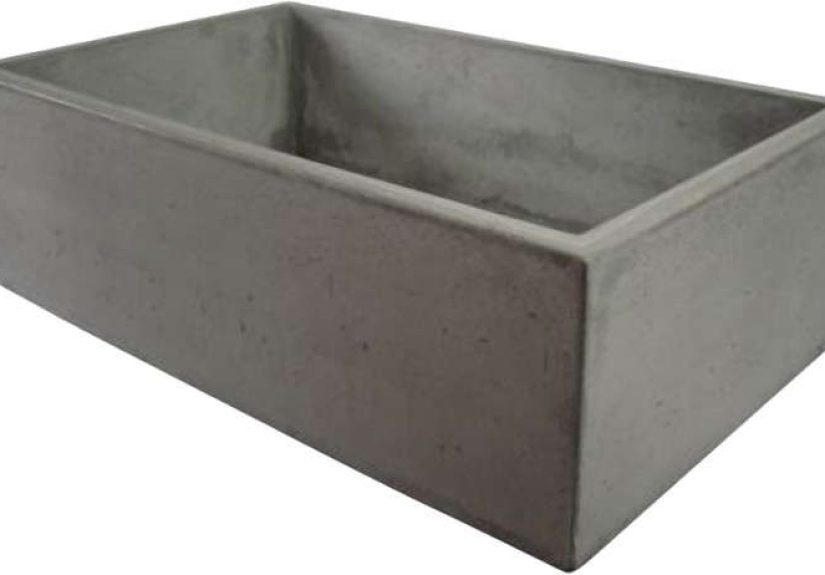
Some kitchen upgrades whisper. This one thunksin the best way. The ALFI ABC3219-CO is a 32-inch,
single-bowl, apron-front (a.k.a. farmhouse) concrete sink with that “wet cement chic” vibe: minimalist, modern,
and unapologetically substantial. If your design mood board is “industrial loft meets cozy cooking show,” keep reading.
In this guide, we’ll break down real-world sizing, installation options, cabinet reality checks (yes, your base cabinet
needs to be strong), daily-use pros and cons, and how to keep a concrete sink looking handsome instead of “mysteriously blotchy.”
Quick Specs at a Glance
- Model: ABC3219-CO
- Material: Concrete
- Color: “Concrete” (a sleek gray reminiscent of natural wet cement)
- Type: Farmhouse / apron-front, single bowl
- Outer dimensions: 32 1/8" (L) x 19 1/4" (W) x 10" (H)
- Inside dimensions: 29 1/2" (L) x 16 1/2" (W) x 8 1/2" (D)
- Item weight: ~150 lbs (shipping weight can be higher)
- Available colors in the line: Concrete, Terracotta, Adobe
Translation: it’s roomy enough for the “I cook like I’m feeding a small village” crowdand heavy enough that
your cabinet can’t be held together by hopes, dreams, and two wiggly screws.
What Makes the ABC3219-CO a Standout
Concrete sinks aren’t trying to look like something else. They’re not pretending to be porcelain, not cosplaying as stainless,
not imitating stone. Concrete is the pointand the ABC3219-CO leans into that with a smooth tactile finish and subtle tonal variation.
Because concrete is a mixed material, you should expect slight differences in shade and texture. That’s not a defect; that’s the personality.
Design vibe: modern farmhouse, minus the ruffles
Farmhouse sinks are famous for their exposed front apron, which becomes a visual centerpiece. In concrete, that apron reads more
“architectural” than “country.” Pair it with flat-panel cabinets and it looks sleek; pair it with shaker cabinets and it looks timeless;
pair it with chaotic countertops and it looks like it’s judging you (fairly).
Concrete in a Kitchen: The Honest Pros, the Annoying Cons
Why people love concrete sinks
- Distinctive look: A modern, organic aesthetic with depth and texture that photos can’t fully capture.
- Big-bowl practicality: Farmhouse sinks trade cabinet space for capacityexcellent for oversized cookware and messy prep.
- Design flexibility: Concrete works in industrial, Scandinavian, modern farmhouse, and even warm-minimal kitchens.
Where concrete asks you to be an adult
- Maintenance matters: Concrete needs sensible cleaning habits (think pH-neutral and non-abrasive).
- Sealer sensitivity: The protective coating is your sink’s “shield,” and harsh chemicals can mess with it.
- Weight: You’re planning around 150 lbs of sink before you add water, a disposal, and that stockpot you swear you’ll use more often.
Concrete isn’t “high maintenance,” exactlyit’s more like a nice leather jacket. Treat it well and it ages beautifully.
Treat it like a disposable rain poncho and it will absolutely remember that.
Is 32 Inches the Sweet Spot?
A 32-inch farmhouse sink often hits the Goldilocks zone: large enough for baking sheets, roasting pans, and “I meal-prepped for the week”
chaosbut not so wide that it forces a total kitchen redesign. The interior basin measurements here are especially generous for a single bowl,
which is why single-bowl fans love this style: no divider stealing your elbow room.
Cabinet fit: don’t guessmeasure like you mean it
Farmhouse/apron sinks shift the cabinet equation because the front apron is exposed and the cabinet face is typically modified.
Your base cabinet is the real MVP, and you’ll want to confirm interior width, frame construction, and how the sink will be supported.
If you’re replacing an existing sink, assume nothing: measure everything (twice) and then measure the thing you measured (for emotional closure).
Installation Options
One of the nice surprises with this ALFI concrete farmhouse line is that it can be installed in multiple ways depending on your countertop
material, your installer’s skill level, and your tolerance for seeing a silicone seam.
1) Undermount
The countertop overhangs the sink edge. It looks clean and makes wiping crumbs into the sink easier. It also means the sink must be
supported from beneath by the cabinet and a support systemnever by the countertop alone.
2) Flush mount
The sink and countertop meet at the same height for a sleek, modern transition. It’s gorgeous when executed well, but it’s also the
“measure 27 times, cut once” option. Expect the silicone line to be visibleneat, but visible.
3) Top mount
The sink lip sits above the countertop and the counter butts up against it. This can be a practical choice in some installs, and it’s also
the least fussy about countertop edge perfection. If your kitchen is a lived-in, high-action zone, top-mount can be the “less stress, more success” route.
Installation Reality Check: Support, Cabinet Modifications, and Sealing
Farmhouse sink installs are part plumbing, part carpentry, part “please don’t let the countertop fabricator and cabinet maker stop talking
to each other.” Here’s the smart, simplified process you want your installer following.
Step-by-step planning (the sane version)
- Plan the cutouts. For the countertop, many installers trace the sink outline and then cut precisely based on the chosen reveal (undermount/flush/top).
-
Modify the base cabinet front. The apron-front needs a clean, accurate cabinet cut. On ALFI’s farm sink guidance, the apron can be slightly tapered,
so templates are your friend. -
Build real support. Use a proper sink support kit or construct a custom support using sturdy framing (commonly 2x4s) plus a stable platform.
With heavy kitchen sinks, you want the cabinet structure carrying the loadnot the countertop. - Level the sink. Level at the rim and at the base. “Close enough” isn’t close enough when water decides to pool in the corner forever.
- Seal the edges. Use a kitchen/bath silicone sealant to prevent water intrusion where sink meets counter.
Pro tip: budget for a bottom grid. It protects the sink surface, cushions dishes, and quietly prevents the daily “ceramic clank of regret.”
Choosing the Right Faucet and Accessories
Faucet style that matches concrete
Concrete pairs beautifully with:
- Matte black for a modern, graphic contrast
- Brushed brass to warm up the gray (and look expensive in photos)
- Brushed stainless/nickel for a clean, timeless, “I make sensible decisions” finish
A pull-down sprayer is especially useful with a deep single bowl. Concrete sinks are about function as much as aestheticsso give yourself a faucet
that keeps up with spaghetti nights and sheet-pan suppers.
Drain + disposal planning
Your product listing should specify drain opening and placement. Many kitchen sinks use a standard-size drain compatible with common basket strainers
and disposals, but confirm before ordering accessories (especially if you’re matching a designer drain cover). Also note: farmhouse sinks can change the
position of the plumbing rough-in slightly compared to a standard drop-in.
Care and Cleaning: How to Keep Concrete Looking “Design Magazine,” Not “Mystery Spot Map”
Most concrete sink horror stories aren’t about concrete failingthey’re about people using the wrong cleaners, letting acidic spills hang out too long,
or scrubbing with something that belongs in a medieval battlefield reenactment.
Your easy daily routine
- Rinse after heavy use (especially after acidic foods like tomatoes or citrus).
- Wipe with a soft cloth or sponge and a non-abrasive, pH-neutral cleaner.
- Drying helps minimize water spots and keeps the surface looking crisp.
Things to avoid (your sink’s “nope” list)
- Abrasive pads and powders that can dull or damage the sealer
- Harsh chemicals (bleach, ammonia, hydrogen peroxide) that can compromise protective coatings
- Acidic liquids left to linger (vinegar, wine, soda, lemon juice)wipe promptly
- Thermal shock moments like dropping extremely hot items directly onto the surface (protect the sealer; use a trivet when in doubt)
Long-term upkeep
Over time, most sealed concrete surfaces benefit from occasional resealing or sealer refresh depending on use. If you notice the finish looking dull
or more easily marked, that’s often your sign to talk to the manufacturer/installer about a maintenance refreshthink of it like reconditioning a cutting board.
Pros and Cons for Real Kitchens (Not Just Pretty Photos)
Pros
- Statement-making design: Concrete + apron-front instantly elevates a kitchen’s visual weight (in every sense of the phrase).
- Huge working basin: Excellent for large cookware, awkward baking sheets, and enthusiastic dish-soaking.
- Modern versatility: Works with contemporary, industrial, and modern farmhouse styles.
Cons
- Requires cabinet reinforcement: You’re not “dropping this in” like a basic sink.
- Maintenance expectations: Needs pH-neutral cleaners and quick cleanup of acidic spills.
- May reduce under-sink storage: Farmhouse sinks often eat some cabinet volume.
- Upfront cost + install complexity: Budget for the sink, freight, and proper installation.
Who This Sink Is Perfect For
- Modern farmhouse lovers who want the apron-front look without the traditional white fireclay vibe.
- Home cooks who constantly wash oversized items and hate cramped basins.
- Design-forward remodelers who want a sink that looks custom, curated, and a little bit architectural.
- People who enjoy nice things and are willing to clean them like they enjoy them.
Maybe skip it if…
- You want a “set it and forget it” sink and you love strong chemical cleaners.
- Your cabinet setup can’t be modified (or you rent and your landlord thinks a “remodel” is buying a new sponge).
- You’re not prepared for freight delivery logistics and careful inspection on arrival.
Buying and Delivery Tips (Because 150 lbs Does What It Wants)
With heavyweight farmhouse sinks, delivery is part of the project. Plan for:
- Freight handling: Shipping weight can be significantly higher than the sink’s net weight due to crating and protective packaging.
- Inspection: Open and inspect promptly for damage, chips, or cracks before scheduling installation.
- Timing: Ideally, have the sink onsite before final cabinet/countertop fabrication so cutouts and reveals are tailored precisely.
Conclusion
The ALFI ABC3219-CO is a bold, practical centerpiece: a roomy 32-inch concrete farmhouse sink that blends modern design with real cooking functionality.
It rewards smart planningproper cabinet support, careful installation choice (undermount/flush/top), and gentle maintenance habits. If you want a sink that
feels curated, substantial, and built to be used (not just admired), this model is an excellent candidate for the “buy once, remodel less” philosophy.
Just remember: concrete is honest. It will look incredible, and it will also reveal whether you treat it like a premium surface or a testing ground for every
cleaning product under the sun. Choose the premium-surface path. Your future self will thank you.
Real-World Experiences: Living With the ALFI ABC3219-CO (Extra Notes From the “I Actually Use My Kitchen” Club)
The first thing you notice after installation is the presence. A concrete farmhouse sink doesn’t disappear into the countertop the way stainless can.
It sits there like a calm, gray boulder of competence. Friends will run their hand along the apron and say something like, “Oh wow, this is… nice,” in the same
tone people use when they touch a fancy car door handle. That’s the aesthetic payoff.
Day-to-day, the single-bowl layout is the real MVP. You stop playing Tetris with sheet pans and roasting racks. Big pots fit without weird angles. And because the
basin is deep, you can soak a mountain of dishes while still having room to rinse produce or fill a stockpot. The sink becomes less of a “washing station” and more
of a “kitchen utility zone,” which sounds dramatic until you’re prepping a holiday meal and suddenly realize the sink is doing half the work.
Now for the part nobody brags about on social media: concrete teaches you better habits. Not in a judgey waymore in a “we live here together” way. You learn to
wipe up tomato sauce splatters sooner instead of later. You get weirdly loyal to gentle, pH-neutral cleaners. And you stop using abrasive scrub pads because the
surface doesn’t need that kind of aggression. If you’re used to attacking stains like they insulted your family, the transition can be… character-building.
The protective coating matters. When the finish is behaving well, the sink feels smooth and surprisingly refinedless “raw sidewalk” and more “polished concrete floor
in a boutique hotel.” But the coating is also why you don’t want to park a scorching-hot pan in the sink and walk away. Not because the concrete will melt (it won’t),
but because sealers and coatings are the part you’re protecting. The best rhythm is simple: use a trivet if you’re dumping something nuclear-hot, and treat harsh
chemicals like they’re uninvited guests.
Water spots? They can happen, especially if you have hard water and you let droplets air-dry in place. The fix is low drama: a quick wipe-down after heavy use keeps
the surface looking clean and even. Many owners also swear by using a bottom gridnot just for dish protection, but because it reduces the daily “micro-scratch roulette”
that comes from sliding heavy cookware around. The grid basically turns your sink into a more forgiving workspace.
Over time, what you’ll appreciate most is how the sink ages. Concrete doesn’t need to stay “perfect” to look good. Minor tonal changes and the faintest patina can
actually make it look more natural and high-endlike a material that belongs in the house, not a shiny object trying to stay showroom-fresh forever. And if you’re the
kind of person who wants a kitchen that looks curated but still lives a real life, that’s the sweet spot: a sink that performs hard, looks cool, and doesn’t panic
when you cook like a human.
Bottom line from lived experience: this sink is ideal for people who love design and cook often, who want a big basin, and who don’t mind basic upkeep.
It’s not fussybut it does respond best to a little respect. Think “nice cutting board,” not “public restroom hand dryer.” If that sounds like your vibe, the
ABC3219-CO is the kind of upgrade you’ll notice every single day.