Table of Contents >> Show >> Hide
- What Makes a Table Setting Feel Summery?
- Start with the Right Table Base
- Choose a Summer Color Palette That Works
- Set the Place Settings Correctly Without Stress
- Dinnerware: Pretty, Practical, and Summer-Proof
- Glassware and Drink Stations
- Centerpieces That Look Beautiful and Stay Out of the Way
- Lighting for a Warm Summer Mood
- Outdoor Dining Comfort Matters
- Serving Food Safely in Summer
- How to Add Personality Without Clutter
- Summery Table Setting Ideas by Occasion
- Common Mistakes to Avoid
- My Experience Creating a Summery Table Setting
- Conclusion: Build a Table That Feels Like Summer
A summery table setting is not just a dining surface wearing a pretty outfit. It is a mood, a tiny vacation, and occasionally a clever way to distract guests from the fact that the grilled corn got a little too enthusiastic. The best summer tables feel relaxed but intentional, colorful but not chaotic, and beautiful without requiring a second mortgage or a private florist named Pierre.
Whether you are planning a backyard dinner, a porch brunch, a poolside lunch, or a simple weeknight meal that deserves more than paper towels and a “good luck” attitude, a summery table setting can turn ordinary food into an occasion. The secret is balance: breezy linens, practical dinnerware, fresh seasonal details, comfortable spacing, and a centerpiece that does not block conversation like a leafy security guard.
In this guide, we will explore how to create a summer tablescape that looks polished, works in real life, and keeps guests comfortable. You will find table setting ideas, color palettes, centerpiece tips, outdoor dining advice, and personal experience-based hosting lessons that make the whole process easier, prettier, and far less stressful.
What Makes a Table Setting Feel Summery?
A summery table setting begins with lightness. That does not mean everything must be white, beige, or so neutral it looks like it whispered instead of spoke. Summer welcomes color: citrus yellow, ocean blue, garden green, coral, terracotta, soft pink, sky blue, and creamy ivory. The key is choosing a palette that feels fresh rather than fussy.
Think about what summer gives us naturally: sunshine, herbs, fruit, flowers, woven textures, cold drinks, open windows, bare feet, and the happy sound of someone asking, “Is there more lemonade?” A table that reflects these elements instantly feels seasonal. A bowl of lemons, a few sprigs of rosemary, striped napkins, rattan chargers, or simple glass tumblers can do more than an overly complicated arrangement.
The Summery Table Formula
A reliable summer table usually includes five core elements: a breathable base, layered place settings, seasonal color, natural texture, and a relaxed centerpiece. Once these are in place, you can adjust the mood. Want coastal? Add blue glassware and shells. Want garden party? Bring in florals and green napkins. Want modern farmhouse? Use linen, stoneware, wood boards, and unfussy flowers.
The result should say, “Welcome, stay awhile,” not “Please do not touch anything; this table has been emotionally insured.”
Start with the Right Table Base
The tablecloth, runner, placemats, or bare tabletop sets the tone. For summer, lightweight materials usually work best. Linen, cotton, bamboo, jute, seagrass, and woven textures all feel relaxed and seasonal. A white linen cloth creates a crisp garden-party look. A striped runner gives instant picnic charm. Rattan placemats add warmth and texture without making the table feel crowded.
If you are dining outdoors, avoid overly delicate fabrics that show every splash of iced tea like a crime scene. Patterned linens are practical because they hide small spills. A floral or gingham tablecloth can survive a barbecue better than a stark white cloth, especially when children, pets, or one dangerously enthusiastic uncle are involved.
Tablecloth, Runner, or Placemats?
Use a full tablecloth when you want softness, romance, or a more finished look. Choose a runner when you want to show off a wood, metal, or stone tabletop. Use placemats when you want easy cleanup and casual structure. For outdoor meals, placemats can also help define each seat, which is helpful when guests drift toward the snack table and forget where they belong.
Layering is also effective. Try a simple runner with woven placemats, or a plain tablecloth with colorful napkins. The goal is dimension, not a textile avalanche.
Choose a Summer Color Palette That Works
Color is where a summery table setting gets its personality. The easiest approach is to choose one main color, one supporting color, and one neutral. For example, blue, lemon yellow, and white feel coastal and crisp. Coral, sage green, and cream feel warm and garden-inspired. Terracotta, olive, and natural linen create a Mediterranean mood that practically begs for grilled vegetables and good bread.
For a cheerful brunch, try butter yellow napkins with white plates and clear glassware. For a sunset dinner, combine soft orange, dusty pink, and warm wood tones. For a beachy meal, use navy stripes, pale blue glasses, and sandy beige placemats. Summer gives you permission to be playful, but the table still needs a little discipline. Otherwise, it can start to look like a craft store had a pool party.
Easy Palette Ideas
A citrus palette uses yellow, green, white, and natural wood. A coastal palette uses blue, white, sand, and clear glass. A garden palette uses green, blush, lavender, and cream. A picnic palette uses red, white, blue, gingham, and casual enamelware. A modern summer palette uses ivory, black accents, pale wood, and fresh greenery.
Once you choose your palette, repeat it at least three times across the table. For example, if you use yellow in the napkins, repeat it in lemons and flowers. This creates visual unity without making everything match too perfectly.
Set the Place Settings Correctly Without Stress
A beautiful table still needs to function. Fortunately, basic table setting rules are simple. Place the dinner plate in the center. Forks go on the left. Knives and spoons go on the right, with the knife blade facing the plate. The water glass sits above the knife, slightly to the right. Napkins can go to the left of the fork, under the fork, or on the plate.
Here is the most useful rule: only set out utensils guests will actually use. If you are not serving soup, skip the soup spoon. If dessert is handheld, do not add a dessert fork just because it looks fancy. A good summery table setting should feel generous, not like a silverware pop quiz.
Casual Summer Place Setting Example
For a casual outdoor dinner, start with a woven placemat. Add a dinner plate, then a salad plate if you are serving starters. Place a cloth napkin either under the plate or loosely folded on top. Set the fork on the left, knife on the right, and spoon only if needed. Add a water glass and, if appropriate, a wine glass or iced tea tumbler. Finish with a small sprig of herbs, a place card, or a lemon leaf for personality.
If wind is an issue, tuck napkins partly under plates so they do not fly away and join the neighbor’s landscaping. Heavier linen napkins are also better outdoors than flimsy paper ones, unless your theme is “chasing napkins across the yard.”
Dinnerware: Pretty, Practical, and Summer-Proof
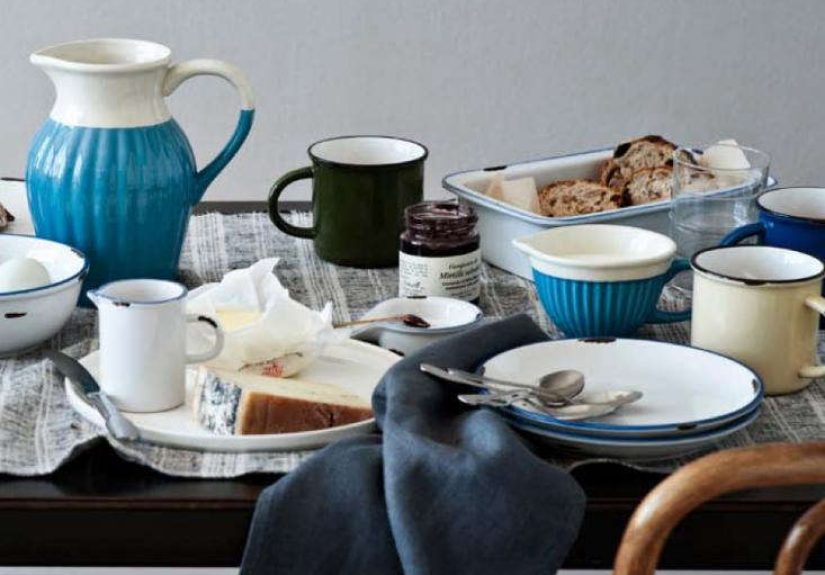
Summer entertaining often moves outside, and outdoor dining requires practical choices. Shatter-resistant plates and glasses are smart for patios, decks, pool areas, and family gatherings. Melamine, bamboo blends, enamelware, acrylic drinkware, and durable stoneware can all look stylish while reducing the risk of broken glass.
That said, “practical” does not have to mean boring. Many outdoor dinnerware collections now mimic ceramic patterns, Mediterranean tiles, hand-painted stoneware, or classic white porcelain. You can create a polished look without sending your best china into the backyard like it is entering a danger zone.
Mixing Plates for a Collected Look
One of the easiest ways to make a summer table feel personal is to mix plates. Use white dinner plates as the base, then add patterned salad plates on top. Or use solid-colored plates with floral bowls. The mix looks intentional when colors repeat across the table. Blue-and-white plates with blue napkins? Lovely. Four unrelated plates, neon cups, and a pumpkin-shaped serving bowl in July? That may require a committee meeting.
Glassware and Drink Stations
Summer meals revolve around drinks. Water, lemonade, iced tea, sparkling water, fruit spritzers, and chilled mocktails all deserve a place at the table. Clear glassware feels classic indoors, while acrylic or shatter-resistant tumblers are better for outdoor dining. Stemless glasses are especially practical outside because they are harder to tip over.
A drink station can keep the table from feeling crowded. Set a pitcher of water with cucumber, mint, or citrus nearby. Add a tray with glasses, napkins, and a small bowl of fruit slices. This makes guests feel cared for and reduces the number of times you hear, “Where are the cups?” which is the unofficial soundtrack of hosting.
Centerpieces That Look Beautiful and Stay Out of the Way
The best summer centerpieces are fresh, low, and easy. Flowers, herbs, fruit, candles, small potted plants, and greenery all work beautifully. A bowl of peaches, lemons, limes, or tomatoes can be just as charming as a formal arrangement. Grocery-store flowers become special when divided into several small vases down the center of the table.
Keep height in mind. Guests should be able to see each other across the table without leaning around hydrangeas like they are spying through shrubbery. Low arrangements, bud vases, and small pots are ideal. If you want height, use slim candlesticks or a tall arrangement on a buffet table instead.
Simple Summer Centerpiece Ideas
Try a line of small glass bottles filled with wildflowers. Place herbs like basil, rosemary, thyme, or mint in terracotta pots. Fill a shallow bowl with citrus fruit. Scatter small shells for a coastal dinner. Use lanterns with battery-operated candles for evening meals. Combine greenery with votives for a soft glow after sunset.
For a budget-friendly centerpiece, shop your kitchen first. Lemons, peaches, cherries, tomatoes, artichokes, and fresh herbs all bring color and texture. Bonus: unlike complicated floral foam arrangements, fruit does not judge you.
Lighting for a Warm Summer Mood
Lighting can turn a nice table into a memorable table. During the day, shade is your best friend. Position the table under a tree, umbrella, pergola, or covered porch when possible. Direct afternoon sun can make guests uncomfortable and wilt flowers faster than a compliment at a middle-school dance.
For evening, use layered lighting. String lights overhead, lanterns on the ground, votive candles on the table, and small rechargeable lamps can all create atmosphere. If you use candles outdoors, choose stable holders and avoid placing flames near napkins, dry leaves, or anything that looks like it has dramatic potential.
Outdoor Dining Comfort Matters
A summery table setting is not only about looks. Comfort matters just as much. Make sure chairs are sturdy, cushions are clean, and guests have enough elbow room. Keep a basket of light throws nearby if dinner may stretch into a cool evening. Place bug-repellent options away from the food area, and consider using fans to keep air moving on hot days.
If your table is outside, check the ground before guests arrive. Wobbly chairs, uneven patio stones, and mystery sprinkler puddles can turn a charming dinner into an obstacle course. A quick comfort check is one of the simplest hosting upgrades.
Serving Food Safely in Summer
Warm-weather meals need a little food-safety planning. Perishable foods should not sit out too long, especially in hot outdoor temperatures. Keep cold foods cold and hot foods hot. Use smaller serving bowls and refill them from the refrigerator or cooler rather than placing everything out at once. This is especially useful for salads with dairy, seafood dishes, sliced meats, and desserts that need chilling.
For outdoor gatherings, use coolers, ice trays, insulated bowls, and covered dishes. Keep serving utensils separate for each dish. Label foods if guests may have allergies or dietary preferences. A beautiful table is wonderful, but a safe table is better. Nobody wants the party favor to be digestive regret.
How to Add Personality Without Clutter
Personal touches make a table memorable. Handwritten place cards, mismatched vintage glasses, a favorite pitcher, napkin rings, tiny vases, or a family serving bowl can make the setting feel warm and real. The trick is restraint. Choose one or two personality moments, not seventeen.
For example, a coastal table might include shell place cards and blue napkins. A garden table might include herb bundles tied with twine. A picnic table might include gingham linens and enamel plates. A modern table might include sculptural candles and simple greenery. When every detail supports the same mood, the table feels designed rather than decorated by a very excited raccoon.
Summery Table Setting Ideas by Occasion
Backyard Dinner Party
Use a linen runner, woven placemats, white plates, green napkins, and low floral arrangements. Add lanterns or string lights for evening. Serve family-style dishes on platters to encourage conversation.
Sunday Brunch
Choose a bright palette like yellow, white, and soft blue. Use small juice glasses, a pitcher of iced tea, fruit bowls, and simple flowers. Add folded napkins on each plate for an easy polished touch.
Coastal Lunch
Use blue-and-white plates, clear tumblers, striped napkins, and a centerpiece of shells, sea glass, or white flowers. Keep the mood casual and breezy.
Garden Party
Layer floral plates with solid napkins, add herb pots, and use soft candlelight if the party continues into the evening. This style works beautifully for birthdays, showers, and relaxed celebrations.
Family Barbecue
Go practical with durable plates, casual napkins, covered serving dishes, and a simple fruit centerpiece. Use a separate drink station and keep condiments organized in a tray or basket.
Common Mistakes to Avoid
The first mistake is overdecorating. If guests have nowhere to put their plates, drinks, elbows, or actual food, the table has lost the plot. Leave breathing room. The second mistake is using centerpieces that are too tall. The third is choosing fragile pieces outdoors. The fourth is forgetting shade, water, or food safety.
Another common mistake is trying too hard to match everything. A table with slight variation feels more inviting than one where every item looks purchased in a panic from the same aisle. Mix textures and tones, but repeat colors so the setting still feels cohesive.
My Experience Creating a Summery Table Setting
The first time I tried to create a proper summery table setting, I treated it like a military operation with flowers. I had a color palette, a list, a backup list, and a backup for the backup list. I imagined guests walking in, gasping softly, and saying things like, “This belongs in a magazine.” What actually happened was that the wind lifted three napkins, one candle refused to stay lit, and the centerpiece was so tall my cousin had to move sideways to ask someone to pass the salad.
That dinner taught me the most important rule of summer tables: beauty must cooperate with real life. Since then, I have learned to keep arrangements low, use heavier napkins outdoors, and place drinks on a side table when the dining table is small. A summer table should not require guests to solve engineering problems before eating.
One of my favorite setups was also one of the simplest. I used a plain white tablecloth, woven placemats, white plates, blue napkins, and a row of small jars filled with basil, mint, and grocery-store daisies. In the center, I placed a bowl of lemons. That was it. No elaborate floral installation. No imported candleholders. No centerpiece with its own personality disorder. Guests kept commenting on how fresh and relaxed it felt.
Another time, I hosted a casual outdoor lunch and used fruit as the main decoration. Peaches, cherries, and a few sprigs of rosemary went down the middle of the table on a wooden board. The colors looked gorgeous, and after lunch, people started eating the peaches. That is the magic of summer decorating: when the centerpiece becomes dessert, everyone wins.
I have also learned that lighting changes everything. A daytime table can look charming with bright linens and flowers, but once the sun goes down, it needs glow. Battery-operated candles, small lanterns, and string lights make guests want to linger. They soften the table and make even simple food feel special. A bowl of pasta under bad overhead lighting is dinner. A bowl of pasta under warm string lights is suddenly “an evening.” Very powerful stuff, lighting.
My biggest practical lesson is to set the table early but add delicate items late. Plates, placemats, napkins, and flatware can be arranged ahead of time. Flowers, cold drinks, chilled foods, and candles should wait until closer to serving. This prevents wilted flowers, warm beverages, and the tragic sight of ice cubes surrendering before guests arrive.
Another helpful habit is making a mini hosting kit. Mine includes matches, extra napkins, clips for tablecloths, a bottle opener, serving spoons, small place cards, a permanent marker, and a few battery candles. It sounds overly prepared until the moment someone asks for a serving spoon and you produce one like a magician with excellent domestic priorities.
Finally, I have learned that guests remember how the table made them feel more than whether the napkin fold had a name. A summery table setting should make people feel welcome, relaxed, and ready to enjoy the meal. If the table has color, comfort, fresh details, and enough room for the bread basket, you are already doing beautifully.
Conclusion: Build a Table That Feels Like Summer
A summery table setting is about more than pretty plates. It is about creating an atmosphere where guests feel invited to slow down, share food, and enjoy the season. Start with a simple base, choose a fresh color palette, layer practical place settings, add natural textures, and finish with a centerpiece that brings charm without blocking conversation.
The best summer tables are relaxed, useful, and personal. They welcome a few imperfections. They can handle a spilled drink, a breeze, a second helping, and a guest who insists on telling one more story before dessert. In other words, they are not just styled for photos. They are designed for living.
Note: This article is written for web publication in standard American English and synthesizes current home entertaining, etiquette, tablescape, and outdoor dining guidance into original, plagiarism-free content.