Table of Contents >> Show >> Hide
- Quick Answer: Ham Starts as a Pork Leg (Usually the Back Leg)
- Ham’s Origin Story: Pork Becomes Ham Through Curing
- Types of Ham You’ll Run Into (And What They Tell You About “Where It Came From”)
- So… Where Does the Ham You Buy Come From in Practice?
- Label Decoder Ring: How to Read a Ham Package Like a Pro
- Ham Safety Basics (Because Nobody Wants a Side of Regret)
- Nutrition and Health: Enjoying Ham Like a Balanced Human
- FAQ: The Most Common “Where Does Ham Come From?” Questions
- of Ham-Related Experiences (The Kind People Actually Live)
- Conclusion: Ham Comes From the Pigand From the Process
Ham is one of those foods that shows up everywhereholiday centerpieces, deli sandwiches, breakfast scrambles,
midnight fridge raidsyet it still manages to feel oddly mysterious. Like, is ham a cut? A flavor? A lifestyle?
(If “spiral-sliced enthusiast” is a lifestyle, please sign me up.)
The truth is both simple and surprisingly interesting: ham comes from pork… but not just any pork. It comes from a
specific part of the pig, then goes through a very specific transformation. And that transformationcuringexplains
why ham doesn’t taste like a regular pork roast, why it’s pink, why it’s salty, why “uncured” ham can still be
cured (yep), and why your aunt swears her country ham could survive a small apocalypse.
Quick Answer: Ham Starts as a Pork Leg (Usually the Back Leg)
In classic U.S. food labeling and everyday butcher-speak, “ham” refers to the hind leg of a pig
that has been cured. If you have an uncured pork leg, it’s typically called a fresh ham,
not just “ham.” That difference matters because “ham” is less about the animal and more about the process that
turns plain pork into the savory, sliceable, pink icon we know.
Two quick plot twists:
-
“Picnic ham” is often not from the hind leg at allit’s usually from the front shoulder
area (a “picnic shoulder”) that has been cured/smoked to taste ham-like. -
“Turkey ham” exists, and it’s typically made from cured turkey thigh meat.
It’s not a pig productit’s a turkey product wearing a ham costume.
Ham’s Origin Story: Pork Becomes Ham Through Curing
If pork is the raw ingredient, curing is the “hero’s journey” that makes it ham. Without curing, the meat is just
pork. With curing, you get that signature ham flavor, color, and longer shelf life (plus the confidence to host
brunch without panicking).
What “Curing” Actually Means
Curing is the use of salt (often with other ingredients like sugar, spices, and sometimes nitrite/nitrate)
to change the meat in a few key ways:
- Preservation: Salt reduces available moisture and helps slow spoilage.
- Flavor: Salty, savory, and sometimes sweet notes develop and concentrate.
- Texture: Cured meat becomes firmer and more sliceable.
- Color: Many cured hams stay pink after cooking (unlike plain pork, which turns grayish/white).
Some cures use nitrite or nitrate in tightly controlled amounts. These compounds help maintain color,
contribute to “cured” flavor, and can inhibit certain harmful bacteria. In other words, curing isn’t just tradition
it’s food science with a delicious résumé.
Wet-Cured vs. Dry-Cured: The Two Big Ham Families
Most hams you see in American grocery stores fall into one of two categories:
Wet-cured (a.k.a. brined or “city ham” style): The ham is cured using a liquid solution. In commercial
production, that solution is often introduced efficiently (for example, through injection and distribution techniques)
to create consistent flavor and texture. Many wet-cured hams are also smoked and may be sold fully cooked.
Dry-cured (a.k.a. “country ham” style): The ham is cured by rubbing/packing with salt (and sometimes
sugar/spices). Over time, moisture leaves the meat, concentrating flavor. Dry-cured hams can be aged for months
(sometimes longer), developing deep, complex, funky-in-a-good-way intensity. This is the ham style that can make
you say, “Wow… that’s salty,” and then immediately go back for another bite.
Smoking: Flavor, Aroma, and a Little Extra Preservation
Smoking is common, but it’s not mandatory for something to be ham. Some hams are cured but not smoked.
Smoking adds aroma and flavor (hello, backyard nostalgia), and it can also contribute to preservation by drying
the surface and adding smoke compounds that slow spoilage. But the star of the show remains curing.
Types of Ham You’ll Run Into (And What They Tell You About “Where It Came From”)
City Ham: The Supermarket MVP
If you buy a glossy, sliceable ham that reheats easily and tastes mildly sweet and smoky, you’re probably eating
a wet-cured hamoften called city ham in contrast to country ham. Many are sold
fully cooked, which means you’re mostly warming it and adding glaze drama for fun.
Common examples: spiral-sliced ham, honey ham, brown sugar ham, most deli-style ham.
Country Ham: The Intensely Flavored Traditionalist
Country ham is typically dry-cured and often aged. It tends to be saltier and more concentrated,
sometimes smoked, sometimes not. Think of it as the bold espresso of the ham worldless “sweet and easy,” more
“complex and unforgettable.”
Country hams are closely associated with Southern U.S. food culture and traditional preservation methods that
existed long before modern refrigeration.
Prosciutto and Other Dry-Cured “Artisan-Style” Hams
Prosciutto is an Italian dry-cured ham style that’s widely sold in the U.S. It’s typically thin-sliced and enjoyed
without further cooking. Similar dry-cured traditions exist worldwide (Spain’s jamón, for example), but in American
stores, you’ll most commonly see prosciutto. These hams highlight how “ham” is as much a method as it is a meat.
Picnic “Ham”: When the Ham Flavor Comes From the Shoulder
A “picnic” cut comes from the lower portion of the pork shoulder. When it’s cured and smoked, it can
be sold in a ham-like way because it eats similarlysalty, smoky, sliceable, sandwich-friendly. It’s a reminder that
when people ask “Where does ham come from?” the accurate answer is often:
“From the pig’s leg… unless the label says it’s basically the shoulder pretending to be the leg.”
Canned Ham: Shelf-Stable Convenience
Canned ham is ham that’s been processed and packaged for long keeping. Some versions are shelf-stable
and can live in your pantry like a polite, cylindrical time capsule. It’s not the same vibe as a fresh-carved holiday ham,
but it’s part of ham’s modern “from farm to fork” storyespecially in how preservation evolved from salt curing to
industrial canning and strict safety controls.
So… Where Does the Ham You Buy Come From in Practice?
Let’s zoom out from the slice on your plate to the real-world chain that produces ham in the U.S. (without getting
lost in the weeds of every possible processing method).
Step 1: It Starts on Pork Farms
Ham begins with pigs raised for pork production. After harvest and inspection, the carcass is broken down into
wholesale cuts. The hind leg portion is what becomes the “ham” cut in the traditional sense.
Step 2: The Fresh Leg Becomes “Ham” Through Curing
The fresh pork leg can be sold as fresh ham (uncured) or sent for curing. In commercial settings, curing is done with
carefully controlled ingredients and timing so the product is consistent, safe, and meets labeling standards.
Step 3: Optional Smoking, Cooking, and Packaging
Many hams are smoked, and many are also fully cooked before sale. Others are “cook-before-eating” and require full
cooking at home. The end resultyour hamthen heads to stores as whole, half, spiral-sliced, deli-sliced, chunked,
formed, or canned.
Label Decoder Ring: How to Read a Ham Package Like a Pro
If you want to know where your ham “came from,” your best clues are on the label. Here’s how to decode the most
common terms without needing a PhD in Pork Studies.
“Fresh Ham” vs. “Ham”
Fresh ham is an uncured pork leg. Ham is cured. If it doesn’t say “fresh” and it’s labeled
as “ham,” you’re in cured territory.
“Fully Cooked” vs. “Cook Before Eating”
Fully cooked means it’s already cooked in the processing facility. You can eat it cold (like deli meat) or
reheat it. Cook before eating means it needs thorough cooking before it’s safe to eat.
“Ham” vs. “Ham with Natural Juices” vs. “Ham and Water Product”
Here’s the big idea: labels can indicate how much added solution (like water and curing ingredients) is in the product.
You may see phrases like:
- Ham
- Ham with natural juices
- Ham, water added
- Ham and water product (with a percentage statement)
These aren’t just poetic ham phrases. They’re standardized ways to signal the product’s composition and how it was
processed. Practically, it affects texture (firmer vs. softer), juiciness, and sometimes how “hammy” the flavor feels.
“Uncured” Ham: The Label That Confuses Everyone at Least Once
If you’ve ever stared at a package that says “uncured” and thought, “Cool, so it’s not cured,” you’re not alone.
Here’s what’s going on:
In U.S. labeling, “uncured” often means the product was not cured with added synthetic/purified nitrate/nitrite.
Instead, it may use natural sources of nitrate (like celery juice powder) that can still generate nitrite and
create the same cured color and flavor. That’s why “uncured” products can look and taste like classic cured ham.
Ham Safety Basics (Because Nobody Wants a Side of Regret)
Ham is generally a safe, well-controlled product in the U.S., but it comes in many forms, and the handling depends on
which type you bought:
- Fully cooked ham: Safe to eat as-is; reheating is for taste and texture.
- Cook-before-eating ham: Requires thorough cooking following label instructions.
- Dry-cured/country ham: Often saltier and may have different storage and preparation norms than city ham.
For reheating, the goal is typically gentle warming rather than blasting it into dryness. Think “cozy sweater,” not “desert jerky.”
Nutrition and Health: Enjoying Ham Like a Balanced Human
Ham brings protein and a lot of flavorbut it can also bring more sodium than people expect, especially in
dry-cured or heavily processed varieties. If you’re eating ham frequently, balance helps: add fruits/vegetables,
choose smaller portions, and mix in less-processed proteins sometimes.
Also, ham is typically classified as a processed meat because it’s cured, and sometimes smoked.
Many health organizations advise limiting processed meats overall. That doesn’t mean you can’t enjoy hamjust that
it’s smarter as an “often enough to be happy, not so often it’s your main personality trait” food.
A Note on High-Heat Cooking
When muscle meats are cooked at very high temperatures (especially charring/grilling), certain compounds can form.
If you’re reheating ham, you usually don’t need extreme heatlow-and-slow warming tends to protect the texture
and avoids turning your dinner into a science experiment.
FAQ: The Most Common “Where Does Ham Come From?” Questions
Is ham always pork?
Most ham is pork (hind leg). But “turkey ham” is a separate product made from cured turkey thigh meat.
Is bacon a type of ham?
Nope. Bacon typically comes from pork belly (or sometimes back/loin, depending on style). Ham is traditionally from the leg.
They’re cousins in the cured-meat family, not twins.
Why is ham pink even after cooking?
The pink color is a hallmark of curing chemistry. Cure ingredients help stabilize pigments in meat, producing that familiar
rosy shade that sticks around even after cooking.
What’s the difference between a ham roast and fresh pork roast?
A ham roast is usually cured (and sometimes smoked). A fresh pork roast is uncured and tastes more like plain pork.
Same species, very different flavor storyline.
Why does country ham taste so much stronger?
Dry-curing removes moisture and concentrates flavor over time. Aging can add even more depth.
It’s basically the “slow cinema” of hampatient, intense, and unforgettable.
of Ham-Related Experiences (The Kind People Actually Live)
If you want to understand where ham “comes from” in real life, think about the moments ham shows upbecause those
moments reveal what ham is designed to do: be convenient, celebratory, comforting, and a little bit showy.
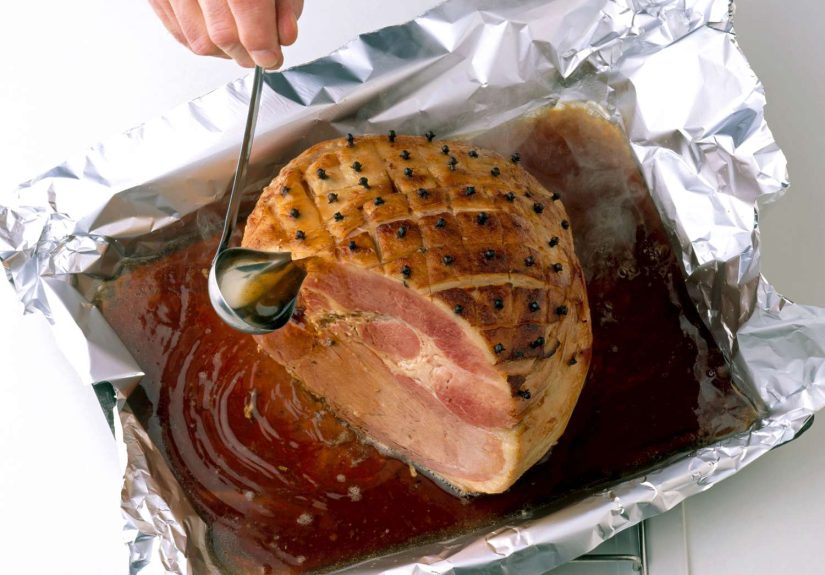
A lot of people first meet ham at a holiday table. Someone pulls a glossy spiral-sliced ham out of the oven, and suddenly
the kitchen smells like brown sugar, cloves, and “we are definitely eating leftovers for three days.” You might notice how
easy it is to serve: it’s already cooked, it slices neatly, and it makes a crowd happy with minimal effort. That’s the
wet-cured city-ham superpowerdesigned for consistency and convenience.
Then there’s the deli-counter experience: ordering a ham sandwich and realizing ham can be gentle, not just loud.
Thin-sliced ham is often lightly sweet, slightly smoky, and easy to pair with almost anythingcheddar, Swiss, pickles,
mustard, mayo, lettuce, regret (kidding… mostly). Deli ham reflects a modern “food system” origin story: standardized
curing, standardized slicing, standardized satisfaction.
Some people meet a different ham entirelythe first time they try country ham. Maybe it’s at a Southern breakfast with
biscuits, maybe it’s shaved onto a plate like a salty little luxury. The first bite can be a shock: “Wow, that’s intense.”
The second bite is curiosity: “Wait… why do I kind of love it?” Country ham is a reminder that ham’s roots are older
than supermarkets. It comes from the human need to preserve meat safely before refrigerators existed, using salt,
airflow, time, and sometimes smoke.
Ham also shows up in everyday cooking in small, practical waysdiced into omelets, tossed into bean soup, stirred into
mac and cheese, or layered on a quick pizza. In those moments, ham is less “centerpiece” and more “supporting actor
with excellent lines.” It brings salt and savoriness fast, which is exactly what curing was always about: making flavor
and preservation travel well.
And finally, there’s the label-reading experiencethe moment you realize ham is not just a cut, it’s a category with rules.
You notice terms like “fully cooked,” “cook before eating,” “ham with natural juices,” or “uncured.” You learn that “uncured”
can still taste cured, that “picnic ham” might be shoulder, and that “ham” is basically a story told in ingredients, process,
and tradition. Once you see it, you can’t unsee it: ham comes from a pig, yesbut it also comes from centuries of food
preservation, modern processing standards, and the very human desire to make something delicious last longer than a day.
Conclusion: Ham Comes From the Pigand From the Process
So where does ham come from? In the most direct sense, ham comes from the pig’s leg (most often the hind leg).
But the deeper answer is that ham comes from curinga preservation method that evolved into a flavor tradition,
then scaled into a modern food system. Whether you’re eating a sweet spiral ham, a salty aged country ham, a deli slice,
or even a “turkey ham,” you’re tasting a blend of anatomy, technique, and history.