Table of Contents >> Show >> Hide
- The accusation that went viral: what allegedly happened with Domino’s Chile
- Why the evidence felt “hard to deny”
- Memes are memes… but copyrights are copyrights
- Franchises, agencies, and the “brand voice” problem
- What this means for creators: practical moves when a brand lifts your work
- What brands should do instead: meme marketing without the plagiarism allegations
- Conclusion: the internet loves creativityand hates creative shortcuts
- Experiences related to the Domino’s plagiarism accusation (and why they feel so personal)
There are two things the internet will always deliver faster than a pizza: memes and receipts.
So when an artist accused a Domino’s social account of lifting her work, the case didn’t unfold in a courtroom firstit unfolded
where modern justice thrives: the comments section, the quote-tweets, and the side-by-side screenshots that make you squint and go,
“Oh… oh no.”
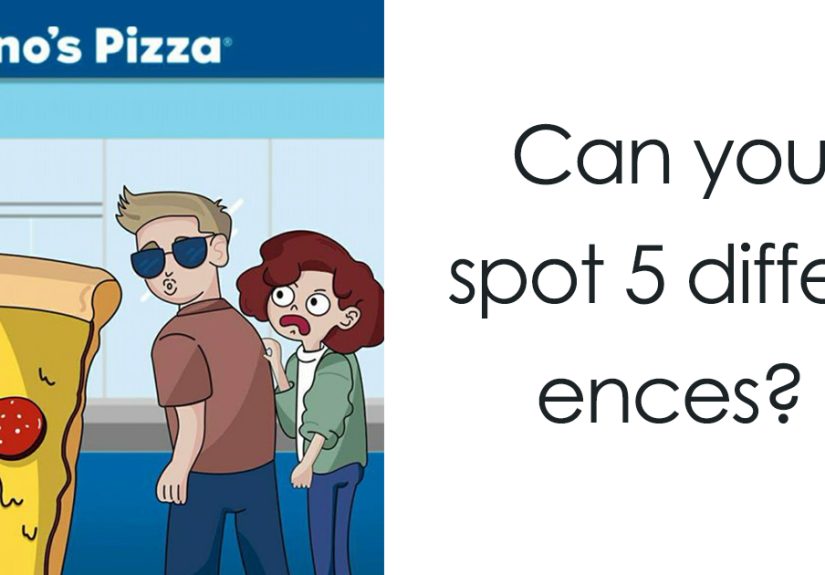
The story that caught attention wasn’t a fuzzy “they both drew a pizza” situation. It was a specific comic illustrationcreated by an independent artist,
shared online months earliershowing up in branded marketing that looked suspiciously like a traced-and-tweaked copy.
And the kicker? The response reportedly offered by the brand’s page: a shruggy, meme-speak explanation that boiled down to “memes are memes.”
(Fun in a group chat. Less fun as an IP strategy.)
The accusation that went viral: what allegedly happened with Domino’s Chile
The artist at the center of this controversy is illustrator and webcomic creator Weinye Chen, known online as “It’s Weinye.”
In early 2018, Chen said a Domino’s Pizza Facebook page for Chile posted an image that closely mirrored one of her comics.
Her original work had been inspired by a popular internet formatspecifically the “Distracted Boyfriend” memewhere a guy turns his head to admire
a new “temptation,” while his partner reacts in disbelief.
Chen’s version adapted the meme’s idea into her own drawn comic (not a repost of the original stock photo), turning the “temptation” into a slice of pizza.
According to Chen and the outlets that covered the incident, the Domino’s page didn’t simply reference the same meme format.
The post appeared to reuse Chen’s specific composition and character styling, then adjust details like colors and facial features
before publishing it as brand content.
A meme format is not a permission slip
It’s worth separating two ideas that often get mashed together online:
using a meme format versus copying a creator’s execution.
“Distracted Boyfriend” is a widely remixed cultural template (itself based on a stock photo taken years earlier).
But Chen’s comic wasn’t the raw stock imageit was her illustration, her lines, her character design, her joke rhythm, and her specific visual decisions.
The “memes are memes” moment
The phrase that fueled the fire“memes are memes”was widely shared in screenshots as the alleged justification from the Domino’s Chile page
when followers called the post out. Whether typed by a community manager, a contracted agency, or a sleepy intern with a caffeine deficit,
the effect was the same: it sounded like a confession that the page saw no meaningful difference between internet culture and someone else’s paid labor.
After the backlash, reports indicated the post was removed and that there were messages exchanged afterward, with Chen later sharing updates
suggesting a resolution was reached. While details of any agreement weren’t publicly itemized in a way that satisfies gossip-hungry spreadsheets,
the broader arc was clear: creator posts receipts, the internet amplifies, and a brand learnsloudlythat “found online” is not the same as “free to use.”
Why the evidence felt “hard to deny”
In plagiarism disputes, the strongest cases often rely on something simple: a side-by-side comparison that makes “coincidence” feel expensive.
In this situation, the allegations weren’t about two people independently thinking, “Pizza is tempting.”
The claim was that the Domino’s image tracked Chen’s specific illustration closelyso closely that minor edits looked more like an attempt
to disguise copying than an attempt to create an original work.
What makes copying look like copying
Creators and copyright attorneys tend to look for patterns like these:
- Identical composition: the same character placement, angles, and focal points.
- Distinctive character traits: recurring features or styling that point to a specific artist’s “hand.”
- Superficial alterations: recoloring, small facial edits, or accessory changes that keep the underlying structure intact.
- Commercial context: using the image to market a brand, not just share a joke among friends.
Importantly, none of this requires that the brand copied the artist’s idea (“pizza temptation”).
Copyright law generally doesn’t protect abstract ideas; it protects the original expressionthe specific artwork.
That’s why a meme-inspired comic can still be protected, even if the premise came from a broader cultural trend.
“But it’s a meme” doesn’t end the conversation
Memes are remix culture in its purest form, but they live on top of real rights: stock photo licenses, photographer copyrights,
illustrators’ copyrights, and sometimes trademark issues if logos or distinctive brand elements show up.
A meme can be popular and still be protected.
In fact, the “Distracted Boyfriend” image is tied to a known photographer and has been discussed publicly in terms of licensing and usage.
Memes are memes… but copyrights are copyrights
Let’s translate this into normal-people English: if you drew it, you generally own it the moment it’s created and “fixed”
(saved, posted, published, or otherwise captured in a tangible form).
You don’t need to print it on parchment with a wax seal and a dramatic curse.
Commercial use changes the math
Posting an image to sell pizza is not the same as sharing a joke with your cousin.
Courts weigh things differently when money, branding, and marketing are involved.
Even when a brand thinks it’s being “playful,” the law often sees it as promotional useespecially when the image is part of an ad or campaign.
Fair use isn’t a magic phrase
People love saying “fair use” the way they love saying “I declare bankruptcy!”
Unfortunately, neither works like a spell.
In the U.S., fair use is a context-based analysis that considers factors like the purpose of the use (commercial vs. educational),
how much of the original was taken, and whether the use harms the market for the original.
Some memes can qualify as fair use, especially when they transform the original with commentary or parodybut that’s a fact-specific question,
not a guarantee.
And here’s the part brands often ignore: claiming fair use is one thing; winning a fair use argument after a dispute is another.
If your risk strategy is “hope we don’t get noticed,” that’s not strategythat’s hide-and-seek with a spotlight.
What creators can actually do online
Most artists don’t want a decade-long lawsuit saga. They want one of three things:
the post taken down, proper credit, or proper compensationideally all three.
In many online contexts, creators can send a takedown request without having registered the work first.
(Registration matters more if you’re filing an infringement lawsuit in the U.S., but removal requests are a different lane.)
Franchises, agencies, and the “brand voice” problem
One reason this Domino’s incident became a case study is that it highlights a messy reality:
big brands don’t always act as one brain. Domino’s is a global franchise operation, and local markets often use agencies
and social teams to create region-specific content fast.
That speed is great for trending jokesuntil it turns into a shortcut around permission.
How a global brand ends up with a local mess
International franchising can involve layers: master franchisees, sub-franchisees, local marketing teams, and agencies producing ads.
That structure helps brands scale globally, but it also creates a governance gap:
if nobody has a clear “copyright checklist,” someone will eventually assume the internet is a free buffet.
(And the internet will respond by throwing the buffet table.)
The real cost of a “cheap” creative shortcut
Even when a dispute ends with a quiet agreement, the public costs can be loud:
lost trust, negative headlines, creator backlash, and a permanent association with “that time you got roasted for stealing art.”
A licensed illustration might cost a brand a few hundred or a few thousand dollars.
The reputation hit can cost far moreand it can last longer than the pizza.
What this means for creators: practical moves when a brand lifts your work
If you’re a creator dealing with a possible brand copy, the internet will suggest “lawyer up” and “go viral” in the same breath.
In real life, you need a plan that protects you without draining you.
Here’s a practical sequence many creators follow.
1) Document everything (before it disappears)
- Screenshot the post, comments, and any brand handle information.
- Save URLs and timestamps.
- Capture your original file metadata if you can (project files, original exports, drafts).
2) Decide what you want
Do you want removal? Credit? A paid license? A public apology?
Being clear about your ask makes every next step easierfrom emails to legal letters.
3) Start professional, escalate strategically
Many disputes resolve through a calm message to the brand or agencyespecially if you include proof and a specific request.
If that fails, escalation can include formal takedown routes, counsel, or public pressure.
Public posts can work, but they’re emotionally expensive and can invite harassment.
Pick the path that protects your time and mental bandwidth, not just your pride.
What brands should do instead: meme marketing without the plagiarism allegations
Brands can absolutely participate in internet culture without copying creators. The playbook is not mysterious.
It just requires treating artists like professionals instead of pixels.
Commission original work (yes, even for “quick” posts)
If you want an illustration in a meme style, hire an illustrator.
If you want to riff on a popular format, ask a creator for a paid license or commission a new version.
The benefit isn’t just legal safetyit’s better creative.
Artists are good at making something that feels native to the internet without stepping on anyone’s toes.
License what you didn’t create
Stock images and pre-cleared assets exist for a reason.
If your concept depends on a known photo, don’t treat “everyone uses it” as a license.
Use the proper channels, especially when the content is tied to an ad buy or a brand campaign.
Build a simple internal checklist
A one-page policy can prevent a dozen PR disasters:
- Who created this asset?
- Do we have written permission or a license?
- Is this a meme format, or are we copying a specific creator’s artwork?
- Is it commercial use (ad/campaign/brand promotion)?
- Do we have a process to credit and compensate creators?
Conclusion: the internet loves creativityand hates creative shortcuts
The reason this Domino’s plagiarism accusation stuck is simple: the visual comparison told the story faster than any press release could.
A creator made something original; a brand page allegedly used it for marketing; the internet noticed; and “memes are memes”
became shorthand for “we didn’t think this through.”
For creators, the takeaway is empowering (if exhausting): documentation, clarity, and smart escalation can workeven against big names.
For brands, the lesson is even simpler: if you need art, pay for art. If you want to join meme culture, do it with respect.
Because the moment you treat someone else’s work like free toppings, the internet will treat your brand like a communal pizza cutter.
Experiences related to the Domino’s plagiarism accusation (and why they feel so personal)
Ask almost any working illustrator, designer, or comic artist about plagiarism, and you’ll hear a similar emotional timeline:
first disbelief, then adrenaline, then the slow burn of realizing you now have a second job you didn’t apply forbeing your own investigator,
archivist, and customer support rep for your own dignity.
It’s not just the money (though money matters); it’s the weird intimacy of seeing your choicesyour lines, your humor, your character design
show up wearing someone else’s logo like it borrowed your hoodie and never gave it back.
One of the most common experiences creators describe is the “scale shock.”
When a random repost account steals your work, it’s irritating but familiarlike a mosquito bite you’ve learned to ignore.
When a recognizable brand uses it, the feeling changes. Suddenly it’s not a petty nuisance; it’s an organization with marketing budgets,
legal departments, and paid campaigns benefiting from something you made on your own time.
Even if the brand claims it was an agency mistake or a local account going rogue, creators often still feel the same sting:
if there was money to sell pizza (or shoes, or makeup, or streaming subscriptions), why wasn’t there money to license the art?
Another recurring experience is the “internet law seminar” you didn’t sign up to teach.
The moment a plagiarism story goes public, strangers appear to debate whether the artist “deserved” to be copied because they used a meme format,
or because the work was posted online, or because “everything is a remix.”
Creators end up explaining the basics repeatedly: yes, a meme can inspire an artwork; no, that doesn’t mean you can trace the artwork and call it a day.
People often confuse inspiration with duplication, and creators become reluctant educators, correcting misconceptions while trying not to sound defensive.
Then there’s the exhausting practical side: gathering evidence before it vanishes.
Screenshots. Archived links. Time-stamped originals. Comment threads. DMs.
Creators learn quickly that brands can delete posts, and platforms can remove content or hide it behind region locks.
The “experience” of a plagiarism dispute is often 20% art and 80% paperworkexcept the paperwork is done on your phone, in your pajamas,
while trying to stay polite enough that your messages could be forwarded to someone’s legal team.
Many artists also describe a strange social dynamic: their audience becomes both shield and amplifier.
Supporters can help pressure a brand to respond, but going public can also invite dogpiles, bad-faith arguments,
and the occasional person who thinks sending threats is “helpful.” (It’s not.)
The healthiest creators tend to develop a boundary: they can accept help and visibility without surrendering control of the narrative.
They ask followers to report, repost, or tagwithout escalating into harassmentbecause the goal is resolution, not a chaos festival.
Finally, there’s the “after” experience, which rarely looks like a movie ending.
Sometimes the post comes down and the creator gets paid. Sometimes the brand apologizes. Sometimes it goes quiet.
But even when it resolves, creators often carry a new caution into their work:
clearer watermarks, more explicit licensing notes, a better filing system for originals, and a sharper instinct for when to say,
“Hey, that’s mine.” If there’s a silver lining, it’s this: every high-profile dispute pushes the cultureslowlytoward acknowledging
that creativity is labor. And labor deserves permission, credit, and payment, not a shrug and a “memes are memes.”