Table of Contents >> Show >> Hide
- When Period Pain Is More Than “Just Cramps”
- Common Symptoms That Are Worth Bringing Up
- Why Talking to Your Doctor Can Feel Hard
- How to Prepare Before the Appointment
- What to Say During the Appointment
- What Your Doctor May Do
- Treatment Options to Discuss
- How to Advocate for Yourself If You Feel Dismissed
- Red Flags That Need Prompt Medical Attention
- What a Good Follow-Up Plan Looks Like
- Experience-Based Section: What It Can Feel Like to Have the Conversation
- Conclusion
Note: This article is for educational purposes only and should not replace medical advice from a qualified healthcare professional. If your pain is severe, sudden, worsening, or accompanied by fever, fainting, heavy bleeding, or pregnancy concerns, seek medical care promptly.
When Period Pain Is More Than “Just Cramps”
Most people who menstruate have met the monthly villain known as cramps. Sometimes they arrive quietly, like an annoying calendar reminder. Other times they kick the door open, steal your energy, and make your heating pad feel like your most committed relationship. But while mild period pain can be common, severe period pain that interrupts school, work, sleep, relationships, or basic daily life deserves a real conversation with a doctor.
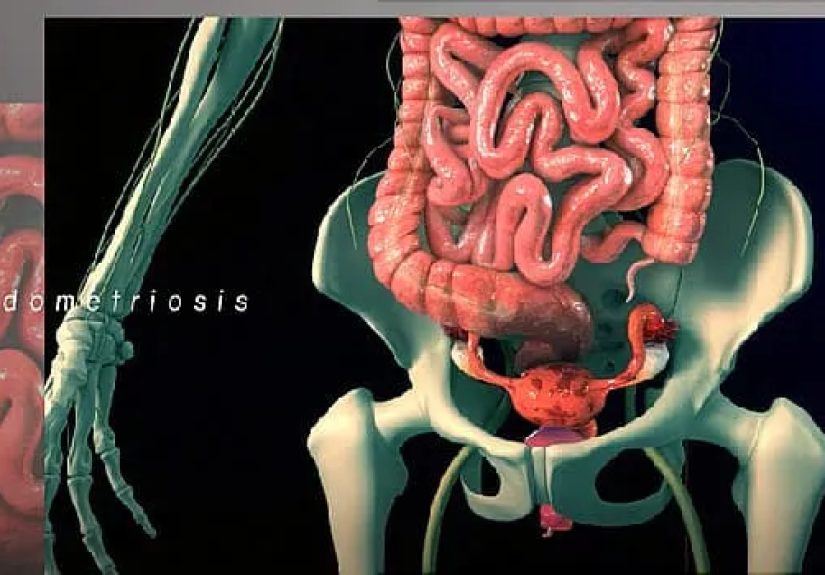
One possible cause is endometriosis, a chronic condition in which tissue similar to the lining of the uterus grows outside the uterus. This tissue can respond to hormonal changes, trigger inflammation, and cause pain that may show up before, during, or outside your period. Endometriosis can also affect the ovaries, fallopian tubes, bowel, bladder, pelvic lining, and, rarely, areas outside the pelvis.
The tricky part? Endometriosis does not always wave a giant flag that says, “Hello, I am the problem.” Symptoms vary widely. Some people have severe pain with little visible disease, while others may have advanced endometriosis with fewer symptoms. That is why learning how to describe your pain clearly, ask the right questions, and advocate for yourself can make a major difference.
Common Symptoms That Are Worth Bringing Up
If your period pain is intense, persistent, or getting worse over time, do not dismiss it as a personality flaw of your uterus. Your body may be trying to tell you something important. Endometriosis symptoms can include painful periods, pelvic pain between periods, pain during or after sex, pain with bowel movements or urination, heavy bleeding, spotting between periods, bloating, fatigue, nausea, constipation, diarrhea, lower back pain, and difficulty getting pregnant.
One useful rule: if pain regularly changes your plans, it is worth discussing. Missing class, calling out of work, canceling social events, vomiting from cramps, needing to lie still for hours, or taking pain relievers without relief are not things you should have to simply “power through.” You are a person, not a phone running on 2% battery with no charger in sight.
Primary vs. Secondary Period Pain
Doctors often think about painful periods in two broad categories. Primary dysmenorrhea means cramps that are not caused by another diagnosed condition. They are often linked to prostaglandins, hormone-like chemicals that help the uterus contract. Secondary dysmenorrhea means period pain caused by an underlying condition such as endometriosis, fibroids, adenomyosis, pelvic inflammatory disease, or ovarian cysts.
Clues that pain may be secondary include cramps that start earlier than usual, pain that continues after bleeding ends, worsening symptoms over months or years, pain with sex, bowel or bladder pain around your period, bleeding changes, or pelvic pain that happens outside your cycle.
Why Talking to Your Doctor Can Feel Hard
Discussing period pain can feel awkward, especially if you have been told that cramps are “normal” or that everyone deals with them. Many patients also worry about being dramatic, being dismissed, or not knowing the right medical words. Here is the good news: you do not need to arrive sounding like a gynecology textbook with shoes. You only need to describe what is happening in your real life.
Instead of saying, “My cramps are bad,” try saying, “For two days every month, I cannot stand up straight, I miss work, and ibuprofen barely helps.” That gives your healthcare provider a clearer picture. Pain is subjective, but its impact is concrete. Doctors can do more with examples than with vague adjectives, even very passionate adjectives.
How to Prepare Before the Appointment
Preparation helps you walk into the appointment with confidence, even if the paper gown is making bold architectural choices. Start by tracking your symptoms for at least one or two cycles if you can. Use a period tracking app, notes on your phone, or a simple notebook. The format does not matter. The details do.
Track These Details
Write down when the pain starts, where you feel it, how long it lasts, and how severe it feels on a scale of 1 to 10. Note whether the pain is sharp, dull, burning, stabbing, cramping, pulling, or radiating to your back, hips, legs, bowel, or bladder. Track bleeding patterns, clotting, nausea, bloating, fatigue, digestive symptoms, urinary symptoms, pain during sex, and any days you miss school, work, exercise, or social plans.
Also list what you have already tried: heating pads, rest, exercise, dietary changes, over-the-counter pain relievers, birth control pills, hormonal IUDs, patches, rings, injections, or other treatments. Include what helped, what failed, and what caused side effects.
Bring Your Medical Context
Your doctor may ask about your first period, cycle length, pregnancy history, fertility goals, sexual activity, family history of endometriosis, past surgeries, medications, allergies, and other conditions. If you have had ultrasounds, lab work, emergency room visits, or previous diagnoses, bring those records if possible.
What to Say During the Appointment
You can be direct. In fact, direct is helpful. Try opening with: “My period pain is interfering with my life, and I want to be evaluated for possible causes, including endometriosis.” This sentence does three important things: it states the problem, explains the impact, and names a possible condition without demanding a diagnosis on the spot.
You might also say, “I know some cramping can be normal, but this feels beyond normal for me.” Or: “I am concerned because my symptoms are getting worse.” If you have been dismissed before, it is okay to say, “I have brought this up in the past and did not feel my pain was fully addressed. I would like to make a plan today.”
Helpful Questions to Ask
Good questions can turn a rushed appointment into a productive one. Consider asking:
- “What conditions could be causing this level of period pain?”
- “Could my symptoms fit endometriosis, adenomyosis, fibroids, ovarian cysts, or another pelvic condition?”
- “What tests or imaging would you recommend?”
- “Would an ultrasound or MRI be useful in my case?”
- “What treatment options can we try now?”
- “At what point should I see a gynecologist or endometriosis specialist?”
- “How long should I try this treatment before we reassess?”
- “What side effects should I watch for?”
- “How might treatment affect fertility or future pregnancy plans?”
That last question matters even if pregnancy is not on your calendar right now. Fertility goals can influence treatment choices, and your future self may appreciate the memo.
What Your Doctor May Do
Your healthcare provider may start with a detailed history and physical exam. Depending on your age, symptoms, sexual history, and comfort level, this may include a pelvic exam. If you are nervous, say so. You can ask what each step involves, whether it is necessary that day, and whether you can pause at any time.
Your doctor may recommend pregnancy testing, testing for infections, blood work, ultrasound, or other imaging. Ultrasound can help identify ovarian cysts, fibroids, and some endometriosis-related findings such as endometriomas. MRI may be considered in certain cases, especially when deeper disease is suspected. However, normal imaging does not always rule out endometriosis.
Is Surgery Always Needed for Diagnosis?
For many years, laparoscopy was considered the standard way to confirm endometriosis because it allows a surgeon to look inside the pelvis and sometimes remove or biopsy lesions. Today, many clinicians also consider symptoms, exam findings, imaging, and response to treatment when making a working diagnosis and starting care. In other words, you may not need to wait for surgery before your pain is taken seriously.
Surgery may still be appropriate for some patients, especially when symptoms are severe, treatment is not helping, imaging shows an endometrioma or deep disease, fertility is affected, or another condition needs evaluation. The key is shared decision-making: your symptoms, goals, risks, and preferences should all be part of the plan.
Treatment Options to Discuss
There is no one-size-fits-all treatment for endometriosis or severe period pain. A good plan should match your symptoms, medical history, side effect tolerance, and reproductive goals. It may involve medication, hormonal treatment, physical therapy, lifestyle support, surgery, or a combination.
Pain Relief
Nonsteroidal anti-inflammatory drugs, often called NSAIDs, may help reduce cramps for some people. These include medicines such as ibuprofen or naproxen. They tend to work best when taken early, before pain becomes intense, but they are not safe for everyone. People with certain stomach, kidney, bleeding, or heart conditions should ask a clinician before using them regularly.
Hormonal Treatments
Hormonal options can reduce or suppress menstrual cycles, which may help control endometriosis-related pain. Options may include combination birth control pills, progestin-only pills, hormonal IUDs, implants, injections, patches, rings, GnRH agonists, GnRH antagonists, or other prescription therapies. These treatments have different benefits, side effects, costs, and pregnancy considerations, so ask your doctor to compare them clearly.
Pelvic Floor Physical Therapy
Chronic pelvic pain can cause muscles in the pelvis, hips, abdomen, and back to tighten protectively. Pelvic floor physical therapy may help with muscle tension, painful sex, bowel or bladder symptoms, and movement-related pain. It is not “just do some stretches and think positive.” It is specialized care from trained professionals who understand pelvic pain.
Surgery
If surgery is recommended, ask what type is being considered, whether lesions would be excised or ablated, how many endometriosis surgeries the surgeon performs, what recovery looks like, and how the plan might change if bowel, bladder, ovarian, or deep infiltrating disease is found. Do not be shy about asking for a referral to a specialist if your symptoms are complex.
How to Advocate for Yourself If You Feel Dismissed
Unfortunately, many people with pelvic pain spend years searching for answers. If you feel brushed off, try calmly redirecting the conversation back to function and next steps. You can say, “I understand cramps can be common, but missing work every month is not manageable. What is our plan to investigate this?” Or: “If we are not testing today, what symptoms would make testing appropriate?”
You can also ask your provider to document your symptoms and your request for evaluation in your chart. Bringing a support person can help if you feel overwhelmed. A second opinion is not rude; it is healthcare. You are allowed to want a doctor who listens, explains, and takes pelvic pain seriously.
Red Flags That Need Prompt Medical Attention
Some symptoms should not wait for a routine appointment. Seek urgent care if you have sudden severe pelvic pain, fainting, fever, shoulder pain, heavy bleeding that soaks through pads quickly, severe dizziness, pain with a positive pregnancy test, or new intense pain that feels different from your usual cramps. These symptoms can have causes that need immediate evaluation, such as ectopic pregnancy, ovarian torsion, infection, or significant bleeding.
What a Good Follow-Up Plan Looks Like
Before you leave the appointment, make sure you understand the plan. What treatment are you trying? How soon should symptoms improve? What side effects matter? When should you follow up? What happens if the first plan fails? A vague “come back if it gets worse” is not always enough when you are already planning life around pain.
A stronger plan sounds like this: “Try this medication for three cycles, track pain and bleeding, schedule an ultrasound, and return in eight to twelve weeks. If symptoms are not improved, we will discuss referral to a gynecologist who treats endometriosis.” That kind of plan gives you direction, not just a brochure and a brave smile.
Experience-Based Section: What It Can Feel Like to Have the Conversation
Many people walk into a doctor’s office with two battles happening at once: the physical pain and the fear of not being believed. You may have rehearsed your symptoms in the car, then suddenly forgotten everything the moment the clinician asks, “So, what brings you in today?” This is extremely common. Pain is hard to summarize, especially when you have spent years minimizing it so you can get through normal life.
One helpful experience-based strategy is to bring a short written summary. Think of it as a tiny résumé for your uterus, except instead of “excellent communication skills,” it says, “causes stabbing pelvic pain and ruins vacations.” Keep it simple: when symptoms started, how often they happen, what they feel like, what you have tried, and what you want from the visit. Handing this to your doctor can make the conversation more focused and less emotionally exhausting.
Another common experience is realizing that “normal” has slowly changed. Maybe at age 15, cramps meant taking one pain reliever and watching a movie. By age 25, cramps mean sweating, vomiting, canceling plans, and arranging your month around the worst two days. Because the change happens gradually, you may not notice how much space pain has taken up. That is why tracking function is powerful. Write down the life impact: “missed two workdays,” “could not drive,” “pain during bowel movements,” “woke up at 3 a.m.,” or “had to leave dinner early.” These details are harder to dismiss than “bad cramps.”
Some patients also feel embarrassed discussing pain with sex, bowel movements, or urination. Please know that doctors who treat pelvic pain hear these symptoms all the time. You are not being inappropriate; you are giving medically relevant information. If saying it out loud feels difficult, write it down. You can say, “Some symptoms are hard for me to talk about, so I listed them here.” That is not awkward. That is efficient.
It can also help to practice one firm sentence before the appointment: “This pain is affecting my quality of life, and I need help making a plan.” If the conversation drifts toward “periods can be painful,” return to that sentence. You are not asking for special treatment. You are asking for appropriate evaluation of pain that is interfering with daily living.
If the first visit does not give you answers, that does not mean your symptoms are imaginary. Endometriosis can be complex, and diagnosis may take time. You may need follow-up appointments, imaging, treatment trials, or a referral. Keep copies of results and notes. Continue tracking symptoms. If a treatment does not work, report that clearly. “I tried it for three months, and my pain score stayed at 8 out of 10” is useful information.
Finally, remember that self-advocacy does not mean you must become aggressive, suspicious, or perfectly informed. It means you stay present in your own care. You ask questions. You request explanations. You say when something is not working. You seek another opinion when needed. Period pain that steals your life deserves more than a shrug. Your comfort, fertility goals, relationships, work, sleep, and mental health all matter. The goal is not to win a debate with your body. The goal is to get support, reduce pain, and build a care plan that lets you live more fully.
Conclusion
Talking to your doctor about period pain and endometriosis can feel intimidating, but it is one of the most important steps toward relief. Severe cramps, pelvic pain, painful sex, bowel or bladder pain, heavy bleeding, and fatigue are not symptoms you have to quietly endure. Prepare your story, track your symptoms, ask specific questions, and push for a clear follow-up plan. Whether the answer is endometriosis or another condition, your pain deserves careful attention.
The bottom line is simple: common does not always mean normal, and normal should not mean unbearable. If period pain is running your schedule like a tiny monthly dictator, it is time to bring in medical backup.