Table of Contents >> Show >> Hide
- First, Understand the Two Main Types of Iron
- 1. Dairy Foods: Milk, Yogurt, and Cheese
- 2. Tea and Coffee
- 3. Whole Grains and Bran Cereals
- 4. Beans, Lentils, and Peas
- 5. Soy Foods: Tofu, Soy Milk, Edamame, and Some Meat Alternatives
- 6. Eggs and Cocoa-Rich Foods
- How to Improve Iron Absorption Naturally
- Who Should Pay Extra Attention to Iron Absorption?
- Quick Iron-Friendly Meal Ideas
- Personal Experience: What It Feels Like to Learn About Iron Blockers the Hard Way
- Conclusion
Iron is one of those nutrients that does a lot of behind-the-scenes work. It helps your body make hemoglobin, the protein in red blood cells that carries oxygen. In plain English: iron helps keep your internal delivery trucks running. When iron intake or absorption drops too low, people may feel tired, weak, lightheaded, cold, short of breath, or unusually low on energy.
But here is the plot twist: eating iron-rich foods is only half the story. Your body also has to absorb that iron. Certain foods and drinks can reduce iron absorption, especially from plant-based sources such as beans, lentils, spinach, tofu, nuts, seeds, and fortified cereals. These foods are not “bad.” In fact, many of them are nutritious. The real issue is timing, pairing, and knowing how iron behaves at the dinner table.
This guide explains six foods and drinks that may block iron absorption, why they matter, and how to enjoy them without accidentally turning your iron-rich meal into a nutritional traffic jam.
First, Understand the Two Main Types of Iron
Before we blame your morning coffee or heroic bowl of bran cereal, let’s clear up one important point: not all dietary iron is absorbed the same way.
Heme Iron
Heme iron comes from animal foods such as beef, poultry, fish, and seafood. It is generally easier for the body to absorb and is less affected by common iron blockers.
Non-Heme Iron
Non-heme iron comes from plant foods and fortified foods. Beans, lentils, tofu, spinach, nuts, seeds, oats, whole grains, and iron-fortified cereals all contain non-heme iron. This form is useful and important, especially for people who eat mostly plant-based meals, but it is more sensitive to inhibitors such as calcium, polyphenols, and phytates.
That means someone eating lentil soup with iced tea, a calcium-fortified drink, and a high-bran roll might absorb less iron than expected. The meal is still healthy, but the iron absorption may need a little strategy.
1. Dairy Foods: Milk, Yogurt, and Cheese
Dairy foods are rich in calcium, and calcium is famous for supporting bones. Unfortunately, calcium can also compete with iron absorption when they show up at the same meal. This does not mean you should avoid dairy. It means that if you are actively trying to raise iron levels, eating a calcium-heavy food at the exact same time as your iron-rich meal may not be ideal.
Examples include milk with iron-fortified cereal, yogurt with a spinach-heavy lunch, or cheese added to a bean-based dinner. These combinations are common, delicious, and not a disaster. But for someone with low iron, they may not be the most efficient choice.
Smarter Timing Tip
Instead of removing dairy from your diet, separate it from your highest-iron meals by a couple of hours when possible. For example, enjoy yogurt as a snack in the afternoon and eat your iron-rich lentil bowl at lunch with citrus, tomatoes, or bell peppers. Your bones and your iron stores can both win. No family feud required.
2. Tea and Coffee
Tea and coffee are two of the most common drinks linked with lower iron absorption. The main issue is not just caffeine. The bigger players are polyphenols, including tannins, which can bind to non-heme iron and make it harder for the body to absorb.
This is especially relevant when tea or coffee is consumed with meals. A cup of black tea with a bean stew, coffee with fortified oatmeal, or green tea with a tofu bowl may reduce the amount of iron absorbed from that meal. Decaf coffee may still contain polyphenols, so switching to decaf does not fully solve the issue.
What About Herbal Tea?
Some herbal teas may also contain plant compounds that affect iron absorption, although the effect can vary widely depending on the herbs and the strength of the brew. If you are iron deficient, it is safer to drink tea between meals rather than during meals.
Smarter Timing Tip
Enjoy tea or coffee at least one hour before or after an iron-rich meal. If you take an iron supplement, follow your healthcare provider’s timing instructions, because supplements are more concentrated than food sources and can interact with other nutrients and medications.
3. Whole Grains and Bran Cereals
Whole grains are packed with fiber, B vitamins, and minerals. They are good foods. However, many whole grains and bran-heavy products contain phytates, also called phytic acid. Phytates can bind minerals such as iron and reduce how much your body absorbs.
Common examples include wheat bran, bran flakes, oats, brown rice, whole-wheat bread, and some high-fiber breakfast cereals. The irony is strong here: some cereals are fortified with iron but may also contain compounds that make absorption less efficient. Nutrition can be dramatic like that.
Does This Mean Whole Grains Are Bad?
Absolutely not. Whole grains support digestion, heart health, and steady energy. The goal is not to fear them. The goal is to prepare and pair them wisely.
Smarter Pairing Tip
Add vitamin C-rich foods to grain-based meals. Strawberries with oatmeal, orange slices with fortified cereal, tomato salsa with brown rice, or bell peppers in a whole-grain wrap can help increase non-heme iron absorption. Fermented grain products, such as sourdough bread, may also have lower phytate levels than some non-fermented grain products.
4. Beans, Lentils, and Peas
Beans, lentils, chickpeas, black beans, kidney beans, split peas, and similar legumes are excellent sources of plant protein, fiber, and non-heme iron. They also contain phytates, which can reduce iron absorption. This is why legumes are both an iron source and, in some situations, an iron absorption obstacle.
That may sound unfair, like getting points taken away after studying for the test. But legumes remain valuable foods. They just need the right teammates.
Preparation Matters
Soaking beans, rinsing them well, sprouting, fermenting, and cooking thoroughly may help reduce some phytate content. Canned beans can still be a practical option; rinse them to reduce sodium and use them in meals with vitamin C-rich vegetables.
Smarter Meal Example
Instead of eating plain lentils with tea, try lentil soup with tomatoes, lemon juice, and chopped parsley. Instead of a basic bean burrito with cheese and coffee, try black beans with salsa, cabbage, peppers, and avocado, then save the coffee for later. Small changes can make the meal much more iron-friendly.
5. Soy Foods: Tofu, Soy Milk, Edamame, and Some Meat Alternatives
Soy foods deserve their own spotlight because they are common in vegetarian and vegan diets and can be important protein sources. Tofu, tempeh, edamame, soy milk, soy-based meat alternatives, and soy protein products may contain phytates and other compounds that can affect non-heme iron absorption.
Here is the nuance: soy foods can still contribute iron. Tofu, for example, can contain iron, especially if it is made with certain mineral salts. But depending on the product and the meal, soy may also make iron less available for absorption.
Fermented Soy May Be Different
Fermented soy foods, such as tempeh and miso, may be easier on mineral absorption than some highly processed soy products because fermentation can reduce phytate levels. That does not make tempeh magical, but it does make it a useful option in a varied diet.
Smarter Pairing Tip
Pair tofu or tempeh with vitamin C-rich ingredients such as broccoli, bok choy, bell peppers, pineapple, citrus dressing, or tomatoes. A tofu stir-fry with red bell peppers and a squeeze of lime is much more iron-friendly than tofu eaten with tea and a calcium-fortified drink.
6. Eggs and Cocoa-Rich Foods
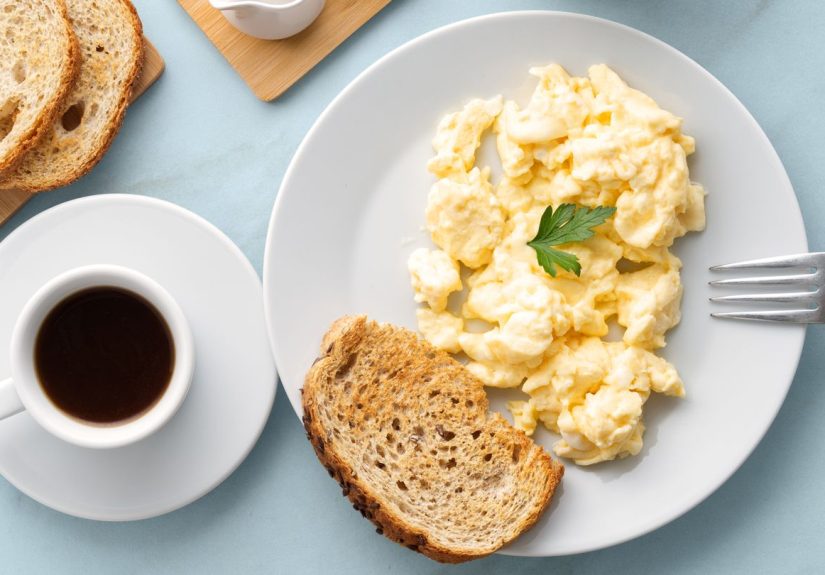
Eggs are nutrient-dense and convenient, but some research suggests egg proteins, especially compounds in the yolk, may reduce iron absorption. This does not mean eggs are unhealthy. It means that if your main goal at a meal is maximizing iron absorption, eggs may not be the best partner for iron-rich plant foods or iron supplements.
Cocoa-rich foods, including dark chocolate and some chocolate drinks, may also contain polyphenols that can interfere with non-heme iron absorption. Yes, chocolate has entered the chat. No, this does not mean you must break up with chocolate. It simply means timing matters.
Smarter Timing Tip
If you are working on improving iron status, avoid taking iron supplements with eggs, chocolate drinks, or cocoa-heavy snacks unless your healthcare provider says otherwise. Enjoy them at another time of day. Chocolate can remain in your life; it just does not need to sit next to your iron supplement like a mischievous little mineral blocker.
How to Improve Iron Absorption Naturally
Now that we have identified common iron blockers, let’s talk about the good news: iron absorption is highly influenced by what you pair with your meals. You do not have to eat a boring “medical meal” that tastes like cardboard wearing a lab coat.
Add Vitamin C
Vitamin C is one of the best-known enhancers of non-heme iron absorption. Add oranges, strawberries, kiwi, tomatoes, lemon juice, bell peppers, broccoli, potatoes, or grapefruit to meals with beans, lentils, tofu, spinach, oats, or fortified grains.
Include Heme Iron When Appropriate
For people who eat animal foods, adding poultry, fish, seafood, or lean meat to meals can improve the absorption of non-heme iron from plant foods. For example, chicken with beans or fish with leafy greens may help the total meal provide more usable iron.
Separate Calcium and Iron Supplements
If you take calcium and iron supplements, do not assume more nutrients at once means more benefit. Taking them together may reduce absorption. Ask a healthcare provider or pharmacist how to space them, especially if you take other medications.
Be Careful With Self-Diagnosis
Low energy does not automatically mean low iron. Iron deficiency should be confirmed with appropriate blood tests. Too much iron can be harmful, so iron supplements should be used carefully and ideally with medical guidance.
Who Should Pay Extra Attention to Iron Absorption?
Some people are more likely to need iron-conscious meal planning. This may include people with heavy menstrual bleeding, pregnant people, frequent blood donors, endurance athletes, people who eat vegetarian or vegan diets, people with digestive conditions that affect absorption, and people recovering from certain surgeries. Children and teens also need enough iron for growth and development.
If you fall into one of these groups, the answer is not panic. The answer is planning. A bean chili with tomatoes, a tofu bowl with peppers, or fortified oatmeal with strawberries can be simple, affordable, and helpful.
Quick Iron-Friendly Meal Ideas
Lentil Tomato Soup
Make lentil soup with tomatoes, carrots, onion, garlic, and lemon juice. Skip tea or coffee during the meal and drink water instead.
Tofu Pepper Stir-Fry
Cook tofu with broccoli, red bell peppers, and a citrus-based sauce. Serve with rice and enjoy coffee later, not with the meal.
Iron-Fortified Oatmeal
Top fortified oatmeal with strawberries, kiwi, or orange slices. Avoid adding a large amount of dairy right at the same meal if iron absorption is your priority.
Bean Tacos
Use black beans, cabbage, salsa, lime juice, and peppers. Keep cheese modest or eat it at another time if you are trying to maximize iron absorption.
Personal Experience: What It Feels Like to Learn About Iron Blockers the Hard Way
Many people discover iron absorption by accident. They are eating “healthy,” checking all the responsible-adult boxes, and still wondering why they feel wiped out. Picture a typical breakfast: a high-fiber cereal, a splash of milk, a cup of coffee, and maybe a boiled egg. On paper, it looks like a champion’s breakfast. In real life, if someone is low in iron, that meal may not be doing iron absorption any favors.
A common experience is the “I eat spinach all the time, why is my iron still low?” moment. Spinach contains non-heme iron, but it also comes with compounds that can affect mineral absorption. Then add tea with lunch, yogurt as dessert, and coffee after dinner, and suddenly the day is full of small absorption speed bumps. None of those foods are villains. They are more like overenthusiastic friends who keep interrupting the iron conversation.
The most practical lesson is that timing often works better than restriction. People usually do not need to throw away their coffee maker, ban yogurt from the fridge, or stare suspiciously at every bean. Instead, they can create iron-friendly windows. For example, breakfast might become oatmeal with strawberries and water, while coffee moves to mid-morning. Lunch might be lentil soup with tomato and lemon, while yogurt becomes an afternoon snack. Dinner might include fish, beans, or tofu with vitamin C-rich vegetables, while tea becomes an evening drink.
Another helpful experience is learning that iron-friendly eating does not have to be expensive. Canned beans, frozen broccoli, potatoes, eggs eaten at a separate time, citrus fruit, tomato sauce, lentils, rice, and fortified cereals can all fit into budget-conscious meals. The magic is not in a rare superfood with a dramatic name. The magic is in pairing and spacing.
People who switch to vegetarian or vegan eating often notice this lesson quickly. Plant-based diets can absolutely provide iron, but non-heme iron needs support. A vegan chili with beans, tomatoes, peppers, and lime is much smarter than plain beans with tea. A tofu bowl with broccoli and lemon dressing is more strategic than tofu with a calcium-fortified drink. Small changes can make plant-based meals more effective without making them complicated.
The biggest takeaway from real-life iron management is this: do not treat nutrition like a punishment. Iron absorption improves when meals are built thoughtfully. Add color, add vitamin C, separate the biggest blockers, and get tested if symptoms suggest a problem. Your plate does not need to be perfect. It just needs to stop accidentally working against you.
Conclusion
The six foods and drinks that may block iron absorption are dairy foods, tea and coffee, whole grains and bran cereals, beans and lentils, soy foods, and eggs or cocoa-rich foods. Most of them are nutritious, useful, and absolutely allowed in a balanced diet. The key is not elimination; it is timing and pairing.
If you are trying to improve iron levels, focus on vitamin C-rich foods, separate calcium-heavy meals from iron-rich meals when possible, avoid tea and coffee with your highest-iron meals, and talk with a healthcare provider before taking iron supplements. Iron is important, but more is not always better. Smart absorption beats random guessing every time.