Table of Contents >> Show >> Hide
- What Happened on the Flight?
- Why Airlines Treat This as a Biohazard, Not Just an Embarrassing Accident
- Why Turning Around Was the Practical Call
- The Real Story Behind the Viral Reaction
- What Health Guidance Tells Us About Situations Like This
- What Travelers Can Learn From This Without Becoming Paranoid
- What This Incident Says About Flying in the Real World
- Related Experiences That Make This Story Hit Even Harder
- Conclusion
Air travel has produced many unforgettable moments over the years: delayed departures, mystery gate changes, babies with championship-level lungs, and the occasional in-flight meal that tastes like it was seasoned with disappointment. But every so often, a story comes along that makes even seasoned flyers sit up, blink twice, and whisper, “Well, that is absolutely not in the safety card.”
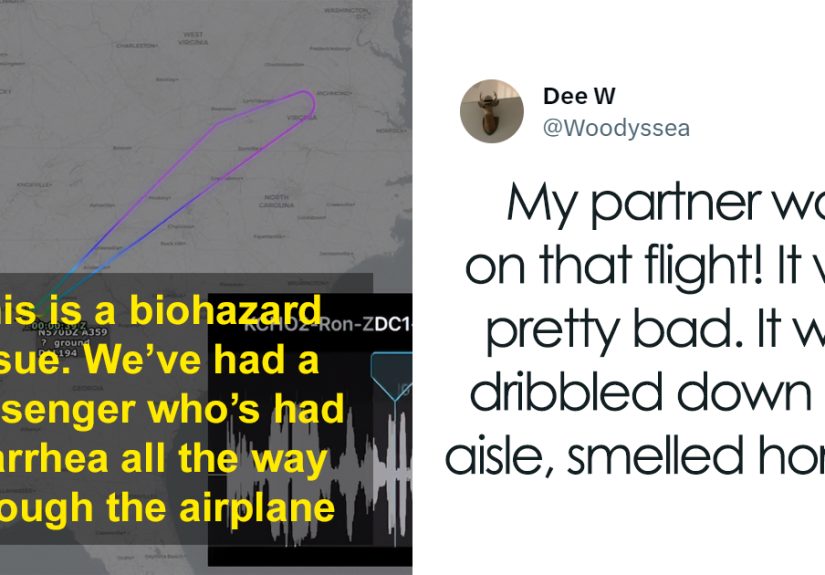
That is exactly what happened when a US flight headed for Europe was forced to turn around after a passenger suffered such severe diarrhea that the pilot reportedly described it as a biohazard issue stretching “through the plane.” The phrase sounded shocking, and that is probably why it traveled so fast across the internet. But beneath the viral headline was a very real aviation decision shaped by health protocols, sanitation standards, passenger safety, and simple common sense.
This was not just a gross story turned into meme bait. It was a reminder that commercial flights are tightly controlled spaces where even one unexpected medical event can trigger a major operational response. Once bodily fluids contaminate a cabin, the problem is no longer about discomfort alone. It becomes a cleanup issue, a possible infection-control issue, a customer-care issue, and a scheduling nightmare all rolled into one.
So what actually happened, why did the plane have to go back, and what does this bizarre episode reveal about the realities of modern flying? Let’s unpack the incident without losing our lunch.
What Happened on the Flight?
The incident involved Delta Flight 194, which departed Atlanta for Barcelona. After taking off, the aircraft had to return to Atlanta because of what was described as a serious onboard medical and sanitation problem involving a passenger with diarrhea. Reports tied to the incident said the contamination was significant enough that the pilot referred to it as a “biohazard issue” and requested a return to the departure airport.
That wording may sound dramatic, but aviation professionals do not throw around the term biohazard for entertainment value. In a commercial cabin, where hundreds of people share tight aisles, lavatories, armrests, tray tables, flooring, and recycled time, contamination from bodily fluids is treated seriously. If the affected area extends beyond a single seat or lavatory, the normal in-flight cleanup response can quickly become insufficient.
The flight returned to Atlanta, the aircraft was cleaned, and the trip continued after a substantial delay. In other words, the airline did what most people would hope an airline would do: stop, sanitize, reset, and try again with a cabin that did not feel like a public-health plot twist.
Why Airlines Treat This as a Biohazard, Not Just an Embarrassing Accident
Here is the key point: diarrhea on an airplane is not automatically just a personal medical issue. Once it contaminates surfaces in a shared environment, it can become an operational hazard. Airlines and health authorities treat body fluids with caution because they may carry infectious material, and because contaminated soft and hard surfaces inside a plane are not easy to manage at 35,000 feet.
A modern aircraft cabin is basically a small, crowded city block with wings. People eat there, sleep there, touch everything there, and line up for the lavatory with the patience of raccoons near an open trash can. If contamination reaches the aisle, nearby seats, or high-touch surfaces, the risk shifts from one person’s illness to a larger sanitation problem involving crew, nearby passengers, cleaning staff, and the next leg of the aircraft’s schedule.
That is why the phrase “biohazard level” resonated. It sounds exaggerated, but operationally it makes sense. Crew members are expected to isolate the affected situation as best they can, minimize exposure, dispose of contaminated materials properly, and alert cleaning teams about any area that may require more than routine cleanup. If carpets, seat cushions, lavatories, or shared surfaces are involved, the airplane may need a much deeper response than a few paper towels and a brave smile.
There is also the infection-control side of the story. Diarrhea can be associated with a range of causes, from noninfectious stomach upset to highly contagious gastrointestinal illness. Public guidance for airlines treats body fluids cautiously for exactly this reason. When the cause is unclear, the safest assumption is not “this is probably fine.” The safest assumption is “handle it properly now, before it becomes a bigger problem later.”
Why Turning Around Was the Practical Call
At first glance, some people may wonder why the flight did not just continue to Spain. After all, airplanes are full of inconveniences, and passengers are used to powering through them. But this was not a broken entertainment screen or a sandwich shortage. A transatlantic flight involves many more hours in the air, limited cleaning capability, and a confined environment where nearby travelers cannot simply move to another room.
Returning to Atlanta gave the airline access to a full ground team, proper sanitation equipment, maintenance support, replacement materials if needed, and a controlled environment for dealing with the situation. It also reduced the chance that passengers and crew would spend many more hours trapped with contamination that had already exceeded what in-flight cleanup could reasonably handle.
Operationally, it was a painful decision but a logical one. Airlines hate delays. They hate diversions. They definitely hate having a long-haul flight turn into a news headline for all the wrong reasons. If a carrier still chooses to bring a plane back, that tells you the situation had crossed the line from “awkward” to “not manageable in the air.”
The Real Story Behind the Viral Reaction
Part of the reason this incident exploded online is that it mixed three ingredients the internet finds irresistible: aviation drama, bodily-function horror, and a quote so unbelievable it sounded like parody. But the public reaction was not only about shock value. It also reflected something more familiar: most travelers have had at least one flight where the cabin suddenly stopped feeling clean, calm, or under control.
People know the sensory intensity of air travel. A smell that would be unpleasant in an open building becomes unforgettable in a sealed cabin. A sticky armrest feels ten times worse when you still have seven hours left to your destination. A lavatory line becomes a stress test in human character. This story went viral because it captured, in one awful headline, the fear that one person’s bad day can instantly become everyone else’s travel memory.
Still, the humor that surrounded the story should not erase the human side of it. Whatever caused the illness, the passenger at the center of the event was almost certainly dealing with a deeply embarrassing medical episode in one of the least forgiving places imaginable. The internet may have joked, but the situation itself was not funny for the person who got sick, for the crew responding in real time, or for the passengers stuck between sympathy and survival.
What Health Guidance Tells Us About Situations Like This
Public-health guidance for air crews is surprisingly practical. When a traveler becomes sick, the goal is to reduce contact, treat body fluids as potentially infectious, clean and disinfect affected areas correctly, and communicate clearly with the people who will handle the plane after landing. That may sound basic, but basic is exactly what matters when a messy situation unfolds fast.
Health experts also emphasize that not every aircraft health risk spreads evenly through the cabin air. Research on cabin environments shows that close proximity matters. People seated nearest a sick traveler may face the greatest exposure risk, while cabin filtration helps reduce broader airborne spread in many situations. That does not magically solve contamination on surfaces, carpets, armrests, or lavatory fixtures, but it does explain why airlines respond through sanitation protocols rather than panic.
Another lesson is that hand hygiene still matters more than travelers often assume. If a stomach bug is involved, soap and water remain especially important. Airplane cabins encourage shortcuts, but illness does not care whether you are over Virginia or over the Atlantic. Once a contamination event happens, the most boring advice becomes the best advice: wash your hands, avoid touching your face, and do not treat a tray table like a sacred clean zone sent down from heaven.
What Travelers Can Learn From This Without Becoming Paranoid
No, this story does not mean every flight is one aisle away from chaos. But it does offer a few smart reminders for frequent flyers and nervous travelers alike.
Carry a small health kit
A basic travel kit can do wonders. Think tissues, disinfecting wipes, a spare pair of underwear, oral rehydration packets, any personal medication you might need, and a plastic bag or two. That is not pessimism. That is just experienced traveling with a sense of self-respect.
Know your body before a long flight
If you are already feeling sick, dehydrated, or one risky airport burrito away from regret, a long-haul flight may not be the ideal stage for heroics. Travel sometimes rewards resilience, but gastrointestinal distress is not a character-building exercise anyone needs at cruising altitude.
Pack medication properly
If you rely on medically necessary liquids or medications, carry them correctly and keep them accessible. Waiting until checked baggage is somewhere under three other continents is not a winning strategy.
Give crew members some grace
When something like this happens, flight attendants are not just serving drinks. They become first responders, sanitation coordinators, crowd managers, and public-facing calm generators. That is a lot to ask from anyone, especially in a narrow aisle with 300 people wondering what happens next.
What This Incident Says About Flying in the Real World
There is a fantasy version of flying, and then there is the real version. The fantasy version is elegant, organized, and lightly scented with citrus. The real version includes delays, turbulence, missing chargers, mystery dampness, and the occasional story that makes everyone on board rethink their life choices.
This incident landed so hard in public conversation because it stripped away the polished image of air travel and reminded everyone how fragile comfort really is in a shared space. It only takes one medical issue, one missed cleaning step, or one problem that cannot be contained quickly for a routine trip to turn into a headline.
At the same time, the story showed why protocols exist. The flight returned. The airplane was cleaned. The passengers eventually continued on their way. Ugly problem, practical response. Not glamorous, but absolutely necessary.
Related Experiences That Make This Story Hit Even Harder
If the Delta incident felt unusually memorable, that is partly because airline sanitation stories have a way of sticking to the public imagination. They are personal, sensory, and instantly relatable. You do not have to be on the affected row to imagine how fast a cabin mood can change when something is visibly or unmistakably wrong.
One reason this story struck a nerve is that it was not an isolated reminder that bodily-fluid incidents can derail travel. Around the same period, Air Canada faced backlash after passengers complained that their seats were smeared with vomit and said they were effectively told to either sit there or leave the plane. The airline later apologized and acknowledged that proper procedures had not been followed. That story landed with travelers because it touched a universal fear: being told to accept an unsanitary seat as if a blanket and a little optimism could solve everything.
There was also the widely discussed case of a traveler on an Air France flight who discovered that the footwell area around his seat was still wet with a previous passenger’s blood and diarrhea. According to reports, he described a terrible odor and said he ended up trying to clean the area himself with wipes before sitting through the flight. That kind of experience is not just unpleasant. It erodes the basic trust travelers place in airlines to prepare the cabin properly before boarding begins.
These stories are different in detail, but they share the same core lesson: once sanitation breaks down on an aircraft, the emotional reaction is immediate and intense. Passengers do not think in terms of policy manuals or contamination zones. They think, “Am I safe?” “Why wasn’t this handled already?” and “How many more hours am I supposed to sit here pretending this is normal?”
That is also why the Delta story sparked both laughter and sympathy. People laugh because the headline is absurd in a way only real life can be. But they also empathize because many travelers have had close calls with stomach issues, food poisoning, motion sickness, or sudden illness while flying. A cramped lavatory at turbulence altitude is not a place anyone wants to test their dignity. Even passengers who have never lived through a sanitation nightmare understand how quickly a manageable problem can become a public ordeal in the air.
There is another layer here too: crew members are often expected to absorb the chaos and make it look easy. When a passenger gets sick, they are the ones who respond first. They reassure nearby travelers, coordinate supplies, communicate with the cockpit, protect themselves, and keep the rest of the cabin from spiraling into panic or outrage. That work is usually invisible when it goes well, and instantly viral when it doesn’t.
So the “biohazard level” story stays with people not only because it is outrageous, but because it reveals the fragile social contract of flying. Everyone boards with the same quiet hope: keep the plane clean, keep the trip moving, and please let the weirdest moment of the day be the snack service. When that contract breaks, even briefly, the entire cabin feels it.
Conclusion
The story of the US flight forced to ground after a biohazard-level diarrhea incident was more than a headline built for gasps and retweets. It was a real example of how quickly a single medical event can become an airline-wide operational problem. In a tightly packed aircraft cabin, sanitation is not cosmetic. It is part of safety, public health, and passenger trust.
Yes, the headline was wild. Yes, the internet behaved exactly as the internet behaves. But the airline’s decision to return the plane reflected something sensible: when contamination reaches the point that the cabin can no longer be managed safely and cleanly in the air, turning back is not overreaction. It is the responsible call.
And maybe that is the final takeaway. Flying can be glamorous in advertisements, but in real life it runs on procedure, preparation, and people making tough decisions under pressure. Sometimes that means rerouting a transatlantic trip because a problem has literally moved down the aisle. Not elegant, not fun, but very real.