Table of Contents >> Show >> Hide
- What Makes an Outdoor Room Feel Like a Real Room?
- Why Outdoor Rooms Have Become So Popular
- Core Elements Every Great Outdoor Room Needs
- Popular Types of Outdoor Rooms
- How to Design Outdoor Rooms in Small Yards
- Common Outdoor Room Mistakes to Avoid
- How Outdoor Rooms Create Better Daily Living
- Experiences That Make Outdoor Rooms Worth It
- Conclusion
There was a time when the backyard had one job: grow grass, host a grill, and quietly collect a few lawn chairs that had seen better decades. Then homeowners got smarter. Why let the indoors have all the fun? The modern backyard has evolved into something far more interesting: the outdoor room.
An outdoor room is exactly what it sounds likea space outside that behaves like a real room. It has a purpose, a layout, a mood, and enough comfort to make people linger instead of fleeing back inside at the first sign of sun, wind, or a mosquito with bad intentions. Whether it is a dining zone under a pergola, a lounge corner with deep seating, or a tiny courtyard dressed up like a boutique hotel patio, outdoor rooms turn unused square footage into everyday living space.
The beauty of outdoor rooms is that they are not one-size-fits-all. A suburban deck, an apartment balcony, a side yard, a front porch, and a pool terrace can all become functional extensions of the home. The trick is not spending wildly or buying every wicker sofa on the internet. The trick is designing with intention.
What Makes an Outdoor Room Feel Like a Real Room?
The best outdoor rooms do not happen because someone tossed a loveseat near a flowerpot and declared victory. They work because they borrow the same logic used indoors. A good room needs purpose, boundaries, circulation, comfort, and personality. Outside, those same principles matter even more.
Start with function. Do you want a place to eat, read, entertain, nap, work, or pretend you are “just checking the herbs” while avoiding your inbox? A lounge space needs different proportions than a dining area. A family-friendly backyard hangout needs sturdier materials than a quiet garden nook for morning coffee.
Then comes enclosure. Outdoor rooms usually feel successful when they have some visual structure. That can come from a pergola, privacy screens, fencing, planters, hedges, trees, curtains, trellises, an awning, or even the way furniture is arranged around a rug or fire feature. You are not building a fortress. You are creating enough definition that the area feels intentional rather than randomly furnished.
Why Outdoor Rooms Have Become So Popular
Outdoor rooms solve a very modern problem: people want more usable living space without always taking on a full renovation. When a patio starts functioning like a second living room or dining room, the home instantly feels bigger. That is especially helpful for smaller homes, narrow lots, and families who entertain often.
They also change behavior. A well-designed outdoor room invites people outside more often and for longer stretches. Dinner gets moved outdoors. Coffee tastes fancier outside, even if it came from a machine with suspicious noises. Kids do homework on the porch. Friends stay for one more drink because the lighting is soft, the seating is comfortable, and nobody wants to be the first person to ruin the vibe by standing up.
There is also an emotional appeal. Outdoor rooms offer the comfort of interior design with the openness of fresh air, plants, birdsong, and changing light. They make a home feel layered and lived in, not just decorated.
Core Elements Every Great Outdoor Room Needs
1. A Clear Purpose
Decide what the space is supposed to do before choosing furniture or decor. A dining room outdoors needs a table with enough clearance around it, convenient access to the kitchen, and lighting that helps people actually see their food. A lounge area benefits from low seating, side tables, and a focal point like a fire pit, coffee table, or garden view.
2. A Sense of Enclosure
The secret sauce of outdoor rooms is gentle containment. Pergolas create overhead definition. Tall planters can frame a seating area. Curtains soften a patio and add privacy. Hedges, slatted screens, and trellises provide visual separation without making the yard feel boxed in. Even a patterned outdoor rug can anchor a room and tell the eye, “Yes, this is where the party lives.”
3. Shade, Because the Sun Is Not Always a Team Player
Without shade, the prettiest outdoor room in the world can feel like a frying pan with throw pillows. Umbrellas, retractable awnings, pergolas, covered patios, shade sails, mature trees, and vine-covered structures all help make a space usable during hot weather. Layered shade works best because the sun moves, and it rarely asks permission first.
4. Comfortable, Weather-Ready Seating
If the chairs are uncomfortable, the room fails. It is that simple. Look for deep seating, dining chairs with supportive backs, and cushions made with outdoor-rated fabrics. Performance textiles, quick-dry fills, powder-coated metals, teak, all-weather wicker, stone, and concrete all tend to perform better than materials that panic at the first summer storm.
5. Lighting in Layers
Good outdoor lighting is not about turning your yard into a sports stadium. It is about layering light for mood, navigation, and safety. String lights create ambience. Lanterns and sconces add warmth. Path lights make movement safer. Spotlights can highlight architectural plants or textures. If you choose efficient LED fixtures and bulbs, you get longer-lasting light with lower energy use and less maintenance drama.
6. Durable Surfaces and Smart Materials
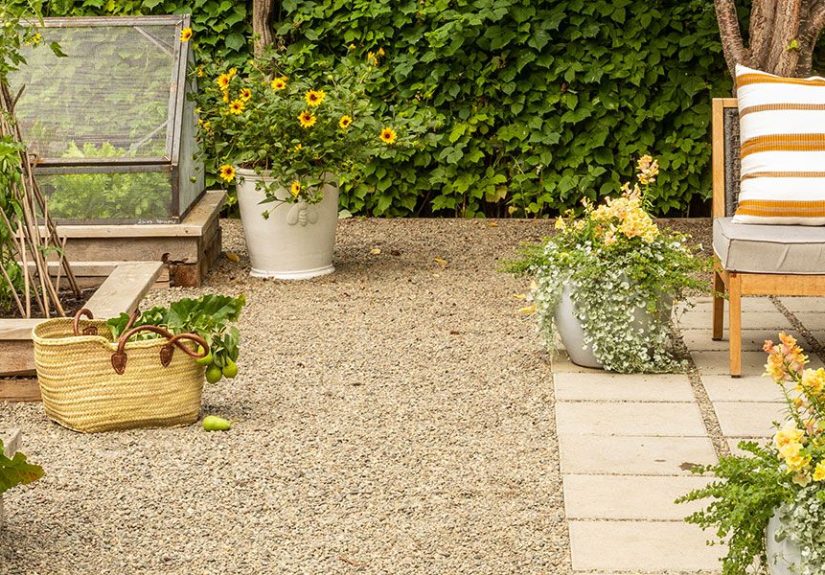
Patios, decks, pavers, gravel, brick, tile, and concrete all create different moods. The best choice depends on climate, maintenance tolerance, and style. In small spaces, using one consistent paving material across connected zones can make the whole yard feel larger and more cohesive. In larger spaces, mixing materials can help define different functions without resorting to too many visual tricks.
7. Plants That Do More Than Look Pretty
Plants are the architecture of an outdoor room. They soften edges, add privacy, provide seasonal color, buffer noise, and help rooms feel connected to the landscape. Use a layered approach: tall screening plants, mid-height shrubs or containers, and lower ground-level planting. Match plants to sun, shade, wind, and watering realities. The fastest way to ruin the romance is installing a dreamy garden that demands the emotional labor of a second full-time job.
Popular Types of Outdoor Rooms
The Outdoor Living Room
This is the classic version: a sofa or sectional, lounge chairs, side tables, a rug, maybe a fire pit or coffee table, and enough pillows to suggest confidence. It works best near the house, especially if it visually connects to an indoor living space through similar colors, materials, or lines.
The Outdoor Dining Room
Dining rooms outdoors thrive under partial cover. Pergolas, umbrellas, porches, and covered patios make meals more comfortable and extend the usefulness of the space. Add a serving surface, an herb planter nearby, and lighting overhead, and suddenly weeknight pasta feels suspiciously cinematic.
The Outdoor Kitchen Zone
This can be as simple as a grill station with prep space or as elaborate as a full kitchen with refrigeration, storage, and bar seating. Keep safety front and center. Cooking equipment needs smart placement, room for ventilation, and separation from anything combustible. Beauty is great. Not setting your throw pillows on fire is better.
The Quiet Retreat
Not every outdoor room needs to entertain. Some are made for reading, journaling, stretching, or hiding from everyone while holding a book open for credibility. A bench under a tree, a chaise on a side patio, or a screened corner with one excellent chair can become the most beloved room on the property.
The Small-Space Balcony or Courtyard
Small outdoor rooms are often the most charming because every piece has to earn its keep. Foldable bistro furniture, built-in benches, wall planters, hanging lights, and compact storage help a tiny footprint feel intentional rather than cramped. Vertical design matters here. When you cannot spread out, build upward.
How to Design Outdoor Rooms in Small Yards
A small yard does not prevent great design. It actually rewards it. The key is resisting the urge to cram in every trend from every social media video you saved at 1:12 a.m. Pick one primary function and support it well.
Use scale carefully. Oversized furniture can overwhelm a tight patio, but going too small makes the space feel flimsy and temporary. Choose pieces with clean lines and narrow footprints. Built-in benches are particularly useful because they reduce visual clutter and squeeze more function from awkward corners.
Repeat materials to create cohesion. If the pavers near the back door match those under the dining area, the space reads as unified. Add mirrors sparingly, use container gardens for flexibility, and bring in softness through cushions, textiles, and plants. A swing bench, slim umbrella, or corner sectional can make a tiny patio feel more like a destination than an afterthought.
Common Outdoor Room Mistakes to Avoid
Ignoring the climate: A beautiful layout means very little if the space is unusable because there is no shade, no wind buffer, or no rain protection.
Forgetting circulation: People need room to move. Dining chairs should slide back without causing a furniture traffic jam. Paths should feel obvious and safe at night.
Choosing indoor-only materials: Outdoor spaces need fabrics, finishes, and frames that can stand up to weather, pollen, moisture, and UV exposure.
Overdecorating: Outdoor rooms should feel inviting, not like a home goods aisle exploded. A few strong elements beat twenty tiny accessories every time.
Skipping safety: Fire features, grills, electrical components, and outdoor lighting all require thoughtful installation and placement. Safety should be stylish, but it should still be safety.
How Outdoor Rooms Create Better Daily Living
The real success of an outdoor room is not measured by how it photographs. It is measured by whether people use it without needing a special occasion. The best outdoor rooms support ordinary life beautifully.
They make mornings slower in a good way. They provide a place to cool down after work, host birthdays, stretch a weekend brunch into the afternoon, or let kids spread out with crafts that would be absolute chaos on the dining table indoors. They create a transition zone between the house and the landscape, one that feels curated without being precious.
And perhaps most importantly, they encourage presence. Outside, the light changes, breezes move through the plants, and the soundtrack includes birds, distant lawnmowers, and occasionally a neighbor who believes classic rock should be a shared public utility. An outdoor room lets all of that become part of the experience.
Experiences That Make Outdoor Rooms Worth It
What people remember about outdoor rooms is rarely the paver brand or the exact dimensions of the sectional. They remember how the space felt. They remember the first dinner outside when the weather was finally warm enough to stay out after sunset. They remember kids running barefoot from the lawn to the patio while adults kept talking long after the plates were empty. They remember the smell of basil from the planter near the table and the way the string lights made everyone look like they had accidentally become more relaxed and more photogenic.
An outdoor room changes the rhythm of a day. Morning coffee becomes less of a caffeine emergency and more of a ritual. You step outside with a mug, sit in the same chair every time, and suddenly the yard begins to feel like a familiar room with changing wallpaper. In spring, it is new leaves and early blossoms. In summer, it is full green growth and warm air. In fall, it is lower light, cooler evenings, and the tiny thrill of adding a throw blanket because the season has officially entered its cozy era.
For families, outdoor rooms become flexible stages for ordinary life. A dining table outside can host pancakes on Saturday, homework in the afternoon, and grilled vegetables by evening. A covered patio can turn into the backup playroom when the house feels too crowded. A shaded corner with two chairs can become the default location for hard conversations, easy conversations, or no conversation at all.
For people who live alone or simply crave quiet, an outdoor room can become a private reset button. A small balcony with a chair, side table, and a few containers of herbs may not sound dramatic, but it can be the place where the day finally slows down. It is where you read ten pages of a book instead of ten doom-scrolling posts. It is where you notice the light hitting a wall, the scent of rosemary, or the relief of being outside without having to go anywhere.
Outdoor rooms are also generous spaces for gathering. They make entertaining feel easier because the environment does some of the hosting for you. Guests spread out naturally. Conversations split into smaller groups. Someone lingers near the grill, someone claims the best lounge chair, someone always ends up talking to the dog. A good outdoor room gives people options, and options make gatherings more comfortable.
Even weather becomes part of the charm when the room is designed well. A covered patio makes a light rain feel cozy instead of inconvenient. A fire feature stretches the season into cooler evenings. A pergola with climbing vines softens bright summer afternoons. The space does not have to fight nature; it just has to work with it.
That is what makes outdoor rooms feel special. They are not only design projects. They are experience amplifiers. They turn underused outdoor space into a place where life can happen more fully, more comfortably, and often more joyfully. And that is a pretty impressive career shift for a patch of backyard that used to do little more than hold a grill and a folding chair with trust issues.
Conclusion
Outdoor rooms work because they blend comfort, function, and atmosphere in a way that expands how a home is used. Whether you are designing a spacious backyard lounge, a compact dining patio, or a tiny balcony retreat, the same principles apply: define the purpose, create enclosure, plan for shade and lighting, choose durable materials, and let plants support the architecture of the space. When those pieces come together, the result is more than attractive. It is livable.
The best outdoor rooms do not try to copy indoor spaces exactly. They borrow what works from interior design and adapt it to the textures, weather, and pleasures of being outside. Done well, they become the spaces people choose first, not last. And for any home, that is a design win worth celebrating.