Table of Contents >> Show >> Hide
- Why Dishwasher Rack Adjustment Matters
- Start With the Easiest Win: Adjust the Upper Rack
- How to Adjust a Dishwasher Rack Safely
- Use Fold-Down Tines Like a Pro
- Do Not Forget the Third Rack
- Smart Loading Tips That Create More Usable Space
- The Best Situations for Rack Adjustment
- Common Mistakes to Avoid
- How to Know When the Rack Itself Needs Attention
- Conclusion
- Real-Life Experiences With Adjusting a Dishwasher Rack for More Space
- SEO Tags
If your dishwasher feels like a tiny apartment with unreasonable rent, you are not alone. One oversized salad bowl, one suspiciously tall water bottle, and suddenly the whole load turns into a game of kitchen Tetris. The good news is that many modern dishwashers already have the solution built right in: adjustable racks, fold-down tines, sliding bowl supports, and flexible top trays that can create a surprising amount of extra room without requiring any miracle-level organizational talent.
Learning how to easily adjust your dishwasher rack for more space is one of those small household skills that pays off immediately. You fit more dishes, wash awkward items more comfortably, reduce the odds of blocked spray arms, and avoid that classic moment when a cereal bowl comes out somehow both wet and still crusty. In other words, a few seconds of rack adjustment can save you a whole second wash cycle and a decent chunk of your patience.
In this guide, you will learn how dishwasher rack adjustment works, what features to look for, how to make more room for tall or bulky items, and how to avoid the loading mistakes that cancel out all your clever space-saving moves.
Why Dishwasher Rack Adjustment Matters
Most people load a dishwasher the same way every time, even when the dishes are completely different from one load to the next. That is a mistake. A dishwasher is not meant to have one fixed personality. It is supposed to adapt.
Adjustable racks give you the flexibility to:
- Make room for tall pots, platters, blender jars, and mixing bowls
- Create extra clearance for stemware, travel mugs, and long utensils
- Fit more dishes per cycle without overcrowding
- Keep water spray and air circulation moving properly
- Reduce tipping, nesting, and awkward collisions between dishes
That last part matters more than people think. More space is not just about cramming in more stuff. It is about creating the right kind of space so water and detergent can actually reach the surfaces that need cleaning. If dishes are stacked too tightly, leaned at bizarre angles, or positioned over tines instead of between them, the dishwasher cannot do its job well. It becomes a glorified steam room with commitment issues.
Start With the Easiest Win: Adjust the Upper Rack
The fastest way to create more dishwasher space is to change the height of the upper rack. On many models, the upper or middle rack can be raised or lowered depending on what you need to fit.
When to Raise the Upper Rack
Raise the upper rack when you want more room below for tall items. This is useful for:
- Dinner plates with extra height
- Large serving bowls
- Pots and sauté pans
- Blender jars and food processor bowls
- Pitchers or tall storage containers marked dishwasher-safe
By lifting the upper rack, you create extra vertical clearance in the lower rack. That can turn a frustrating “this will never fit” load into a one-cycle success story.
When to Lower the Upper Rack
Lower the upper rack when the top section needs more height. This is useful for:
- Wine glasses and stemware
- Tall mugs and insulated cups
- Baby bottles and bottle parts
- Reusable water bottles
- Taller bowls in the upper rack
Lowering the upper rack can also make loading easier because you are not performing an upper-body stretch every time you place a cup. Your shoulders may not send a thank-you note, but they will notice.
How to Adjust a Dishwasher Rack Safely
Exact steps vary by model, but the overall process is usually simple. On many dishwashers, you will find levers, tabs, or thumb adjusters on both sides of the upper rack. Some racks lift up and lock into place. Others require pressing both release points before moving the rack.
Basic Rack Adjustment Steps
- Unload the rack first. Do not try to adjust it while it is full of dishes. That is how cups rattle, racks tilt, and your confidence leaves the room.
- Pull the rack out partway. You want enough access to both sides.
- Locate the adjusters. These are usually on the outer sides of the rack rails.
- Move both sides evenly. Raise or lower the rack so it stays level from side to side and front to back.
- Make sure it locks in place. Give it a gentle wiggle. If it feels unstable, reset it.
- Test the clearance. Slide the rack in and out, then check that dishes will not hit the spray arms, door seal, or upper tray.
If your rack seems hard to move, do not force it. Some models have removable stops, locking tabs, or rail pieces that need to be correctly aligned. If the rack recently came out of the rails, confirm the wheels are seated properly before trying again.
Use Fold-Down Tines Like a Pro
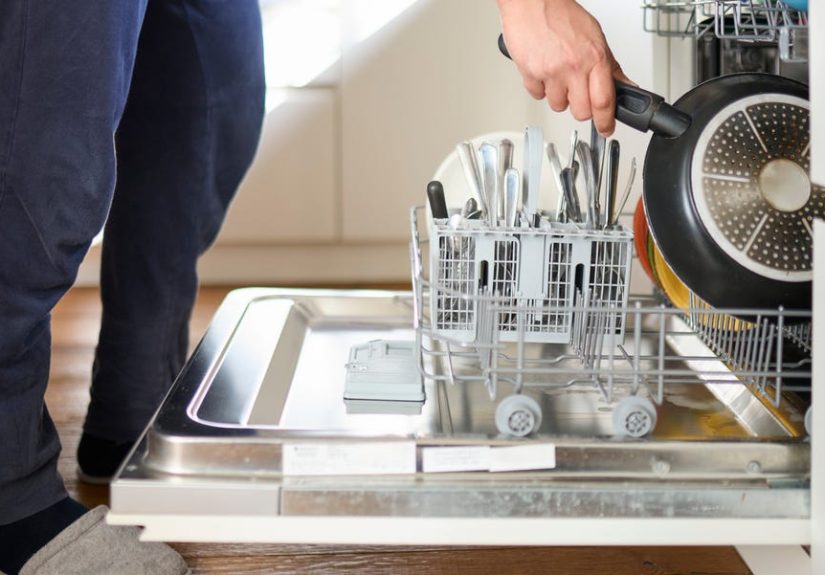
If adjustable racks are the headline act, fold-down tines are the underrated supporting cast. These little rows of prongs are what hold plates, bowls, and cups in place. On many dishwashers, sections of those tines can fold down or slide aside to make room for larger or oddly shaped items.
What Fold-Down Tines Are Best For
- Wide mixing bowls
- Serving platters
- Casserole dishes
- Lids and food-storage containers
- Pots and pans with unusual shapes
If you have ever tried to wedge a big salad bowl into a forest of upright tines, this feature is for you. Fold a section down, and suddenly the rack becomes much more flexible. Sliding bowl tines can also help you position bowls of different sizes without crowding them together.
The trick is to use this feature strategically. Fold down only the sections you need. Leaving every tine flat may sound liberating, but it reduces support for regular dishes and can lead to shifting during the cycle.
Do Not Forget the Third Rack
If your dishwasher has a third rack, congratulations: you are living in the future, or at least a slightly more organized version of the present. Third racks are great for flatware, serving utensils, measuring spoons, lids, chopsticks, and small kitchen tools. Some are shallow. Some are deeper and adjustable. Some can be partially or fully removed.
Using the third rack well can free up the silverware basket below, which opens valuable real estate in the lower rack for bowls, pans, and plates. It can also keep long utensils from sticking up into the spray path or blocking another rack.
If you need extra room for tall glasses in the top rack, some models let you move, lower, or remove parts of the third rack. That small adjustment can completely change what fits underneath.
Smart Loading Tips That Create More Usable Space
Rack adjustment is only half the equation. The other half is how you load the dishes after you make that extra room. Otherwise, you are just reorganizing chaos with better hardware.
1. Put Items Between the Tines, Not On Top of Them
Tines are there to separate dishes, not to serve as weird little balancing poles. Plates, bowls, and cups should sit between the tines so they stay stable and exposed to water.
2. Face Dirty Surfaces Toward the Spray
Open sides should face the center or downward toward the spray pattern. If a bowl is facing sideways or a mug is standing like a proud little tower, water will not reach the inside properly.
3. Avoid Overcrowding
More dishes per load is good. Packing them shoulder to shoulder like a subway at rush hour is not. Water needs room to move. Air needs room to dry. If dishes are nested together, they may come out dirty, wet, or both.
4. Check the Spray Arms Before Starting
This step takes five seconds and prevents a shocking number of bad loads. After adjusting the rack and loading everything, spin the spray arms by hand if your model allows easy access. If a pan handle, long spoon, or giant cup blocks movement, rearrange the load.
5. Keep Long Utensils Flat When Needed
Large serving spoons, spatulas, and long tools are often better laid flat on the top rack or third rack rather than standing upright in the basket, where they can block spray arms or interfere with spinning.
6. Leave Plastic Up Top
Dishwasher-safe plastics usually do best on the upper rack, where they are farther from the heating element and less likely to warp. That also helps you keep heavier cookware and ceramics in the bottom rack where they belong.
The Best Situations for Rack Adjustment
Not every load needs a new configuration, but some absolutely do. Here are the most common moments when adjusting the dishwasher rack makes life easier:
- After a dinner party: Platters, serving bowls, and extra glassware need more flexible spacing.
- Meal-prep day: Storage containers, lids, and mixing bowls benefit from folded tines and more top-rack room.
- Baking cleanup: Measuring cups, spatulas, and mixing tools fit better when the third rack is used properly.
- Holiday cooking: Tall casserole dishes and oversized utensils practically demand a rack makeover.
- Water bottle week: Lowering the upper rack or reworking the top section helps with tall drinkware.
Common Mistakes to Avoid
Adjusting a Full Rack
This is the most obvious mistake and somehow still very popular. Racks are easier and safer to move when empty. Save yourself the clatter.
Ignoring the Manual
Most brands use similar ideas, but not identical mechanisms. If your rack seems unusual, check the model guide before pushing random tabs like you are defusing a tiny kitchen bomb.
Creating Space but Blocking Water Flow
More clearance for a stockpot is great. Not so great if the pot blocks the spray arm or detergent dispenser. Space is only useful when the dishwasher can still wash.
Folding Every Tine Flat
Too many flat sections can leave cups and plates unsupported, which leads to movement, clanking, and poor cleaning coverage.
Forgetting the Rack Must Stay Level
If one side is higher than the other, dishes may tip, the rack may not slide correctly, and the whole arrangement becomes one small domestic drama.
How to Know When the Rack Itself Needs Attention
Sometimes the problem is not your loading style. It is the rack hardware. If your upper rack will not stay in position, slides unevenly, falls unexpectedly, or feels loose on the rails, it may need maintenance.
Watch for these signs:
- Broken or cracked rollers
- Loose or damaged adjusters
- Rack stoppers left in the open position
- Rust or peeling coating on the rack
- Rails that no longer glide smoothly
When that happens, adjustment alone will not solve the problem. A replacement part or service check may be the smarter move.
Conclusion
Learning how to easily adjust your dishwasher rack for more space is one of the easiest ways to make your kitchen work better without buying anything new. A quick rack change can help you fit tall dishes, awkward cookware, fragile glassware, and all those random kitchen tools that seem to multiply when nobody is looking. Add in fold-down tines, a smart third-rack strategy, and better loading habits, and your dishwasher suddenly becomes a lot more efficient.
The real secret is not just making more room. It is making better room. Keep the rack level, avoid overcrowding, place dishes between the tines, and always check that the spray arms can move freely. Once you get used to adjusting the layout based on the load, you will wonder why you ever treated your dishwasher like a fixed box instead of the flexible space-saving machine it was designed to be.
Real-Life Experiences With Adjusting a Dishwasher Rack for More Space
One of the most common experiences people have with dishwasher rack adjustment starts with a totally ordinary weeknight dinner. Everything is fine until the cleanup reveals one giant pasta bowl, a deep sauté pan, two lunch containers, three mugs, and a reusable bottle that is apparently training for a height competition. At that moment, the old loading method stops working. People who start using the adjustable upper rack often say the biggest surprise is not that the dishes fit, but that they fit without needing to hand-wash the annoying items first.
Another familiar situation happens after hosting friends or family. A normal load becomes a full production involving serving spoons, appetizer plates, charcuterie boards with dishwasher-safe accessories, and enough stemware to make the upper rack question all its life choices. Lowering the upper rack for wine glasses while using the third rack for flatware and bar tools can make that post-party cleanup dramatically easier. Instead of splitting everything into two loads, people often find they can handle more in one cycle simply by adjusting the interior before they begin.
Parents and meal-prep fans have their own version of this story. Baby bottles, lids, snack containers, shaker cups, and bentobox accessories tend to create a frustrating mix of tall, small, lightweight, and awkwardly shaped items. This is where fold-down tines and top-rack changes really shine. Many people describe the “aha” moment as the day they stop tossing lids into random spaces and start using the upper rack and third rack more intentionally. Suddenly, small items stop flipping over, containers stop collecting water, and the dishwasher looks less like a yard sale in motion.
There is also the seasonal experience: holiday cooking. That is when the dishwasher gets tested by casserole dishes, gravy boats, mixing bowls, and the mysterious giant serving platter that only appears three times a year. In those moments, adjustable racks are less of a convenience and more of a peace treaty. Raising the upper rack to make space for taller bakeware below can save a lot of frustration, especially when the sink is already full and nobody wants to volunteer for hand-washing duty.
Some people even say that once they learned how to adjust the dishwasher rack for more space, they started buying kitchenware a little differently. Tall tumblers, stackable containers, and oddly shaped prep tools became less of a headache because they knew the dishwasher could adapt. That is a surprisingly practical shift. Instead of thinking, “Will this fit?” they think, “How should I configure the rack?” That small mindset change makes everyday cleanup feel less like guesswork and more like a system.
And maybe that is the real experience at the heart of it all: less stress. Not glamorous, not dramatic, just genuinely useful. A dishwasher that is adjusted well saves time, fits more, cleans better, and causes fewer arguments over who loaded it “wrong.” In the world of household victories, that deserves at least a quiet round of applause.