Table of Contents >> Show >> Hide
- Why Florida Attracts So Many Invasive Animals
- 1. Burmese Python
- 2. Lionfish
- 3. Green Iguana
- 4. Cane Toad
- 5. Argentine Black and White Tegu
- 6. Nile Monitor
- 7. Wild Hog
- 8. Rhesus Macaque
- 9. Giant African Land Snail
- Common Threads Behind Florida’s Animal Invasions
- What Floridians and Visitors Can Do
- Experience Notes: What Florida’s Invasive Animal Problem Feels Like Up Close
- Conclusion
Florida has sunshine, beaches, oranges, theme parks, andbecause apparently that was not enough excitementa surprisingly long guest list of invasive animals. Some arrived through the pet trade. Others slipped in through global shipping, aquariums, farms, or accidental releases. A few looked around at Florida’s warm weather and said, “Great, I live here now.”
The problem is not simply that these animals are “from somewhere else.” A nonnative species becomes invasive when it spreads and causes harm to native wildlife, ecosystems, agriculture, property, or public health. In Florida, the combination of subtropical climate, busy ports, booming development, canals, wetlands, and year-round warmth makes the state unusually welcoming to species that would freeze out elsewhere.
Below are nine animals that have invaded Florida, why they matter, and what makes each one such a headache for wildlife managers, homeowners, gardeners, divers, and anyone who enjoys an ecosystem that does not feel like a badly managed zoo.
Why Florida Attracts So Many Invasive Animals
Florida is basically a five-star resort for many nonnative species. Winters are mild, food is abundant, water is everywhere, and many landscapes have been disturbed by roads, canals, suburbs, farms, and landscaping. Disturbed habitats often give invaders an opening because native species are already under pressure.
The exotic pet trade has also played a major role. Reptiles, amphibians, fish, and mammals that were once kept in homes sometimes escaped or were released by owners who could no longer care for them. Releasing a pet may feel like “setting it free,” but in ecological terms it can be like tossing a wrench into a very delicate machineexcept the wrench eats eggs, digs up yards, and reproduces.
1. Burmese Python
The Everglades’ most infamous invader
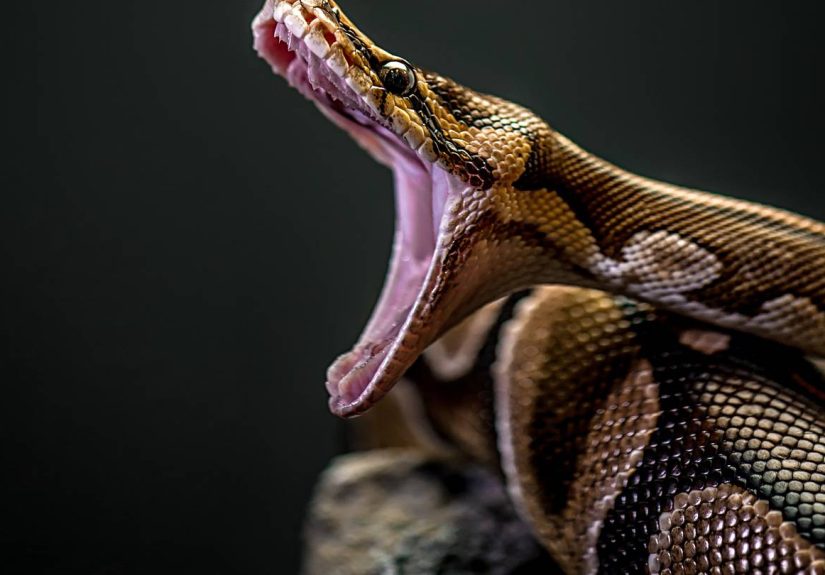
The Burmese python may be the celebrity villain of Florida invasive species. Native to Southeast Asia, this enormous snake became established in South Florida after escaped or released pets found the Everglades to be an excellent place to grow, hide, and hunt. Unfortunately, the Everglades did not ask for a giant ambush predator with excellent camouflage and a flexible appetite.
Burmese pythons prey on birds, mammals, and reptiles, including species that Florida is working hard to protect. Their impact has been especially serious in parts of the Everglades, where declines in some small and medium-sized mammals have been linked to python predation. Raccoons, opossums, marsh rabbits, and other native animals can all become python meals.
What makes the Burmese python so difficult to manage is its stealth. A snake the size of a gym rope can still disappear in sawgrass, mangroves, and marsh. Wildlife agencies use trained search teams, reporting programs, public removal challenges, and even detector dogs to find them, but the Everglades is not exactly a tidy backyard. It is vast, wet, buggy, and very good at hiding snakes.
2. Lionfish
Beautiful, venomous, and terrible at sharing
Lionfish look like they were designed by an artist who had too much coffee: dramatic fins, zebra-like stripes, and venomous spines arranged with theatrical flair. Native to the Indo-Pacific, lionfish became established in Atlantic and Caribbean waters, including Florida’s coastal ecosystems. Their beauty is part of the problem; they likely spread from aquarium releases and now thrive on reefs where they do not belong.
Lionfish are aggressive predators that eat small fish and crustaceans, including young reef fish that are important for ecological balance. They reproduce quickly and have few natural predators in their invaded range. That means a reef can go from “colorful neighborhood” to “lionfish buffet line” surprisingly fast.
Florida has responded with public awareness, removal events, and encouragement of lionfish harvest. Unlike many invasive animals, lionfish have found their way onto dinner plates. That does not solve the invasion alone, but it does give divers and seafood lovers a reason to participate in control efforts. Ecological crisis with a side of tacos? Florida knows how to multitask.
3. Green Iguana
The lizard that turned landscaping into lunch
Green iguanas are now one of Florida’s most recognizable invasive reptiles. Native to parts of Central and South America and the Caribbean, they became established in South Florida through escaped and released pets. In warm neighborhoods, they lounge on seawalls, climb roofs, sunbathe on sidewalks, and treat ornamental plants like an all-you-can-eat salad bar.
Their impacts go beyond chewed hibiscus. Green iguanas can damage seawalls, sidewalks, and canal banks by digging burrows. They also eat vegetation, flowers, fruits, and sometimes bird eggs. In areas where native plants and animals are already stressed, a large herbivorous lizard can add yet another pressure.
Green iguanas are also famous for cold-stun events. When temperatures drop, they can become sluggish and fall from trees. That sounds cartoonish, but it is a real reminder that these tropical reptiles are living near the edge of their comfort zone in parts of Florida. In South Florida’s warm urban zones, however, they have found enough cozy corners to persist and spread.
4. Cane Toad
A toxic backyard surprise
The cane toad, also called the “bufo” toad, is a major concern for Florida pet owners. Native to Central and South America, cane toads were introduced in various places for pest control, but the plan aged about as well as leaving milk in a hot car. In Florida, they are invasive and especially common in parts of South and Central Florida.
Cane toads secrete a powerful toxin from glands behind their eyes. Dogs are especially at risk if they bite, lick, or mouth the toads. That makes this invader not just an ecological issue, but a backyard safety issue. A large toad hopping across the patio at night may look harmless, but for pets, it can be dangerous.
Ecologically, cane toads compete with native amphibians and can affect predators that attempt to eat them. They are often found around homes, golf courses, canals, and landscaped areas. Because they are active at night and attracted to insects around lights, residents may encounter them near porches, driveways, and pet water bowls.
5. Argentine Black and White Tegu
The egg-loving lizard with expansion plans
The Argentine black and white tegu is a large, intelligent lizard native to South America. In Florida, it has become a serious invasive species because it eats a wide variety of foods, including fruits, insects, small animals, carrion, and eggs. That last item is especially troubling because Florida has many native reptiles and ground-nesting birds whose eggs are already vulnerable.
Tegus have established populations in parts of South Florida and have been reported elsewhere in the state. Their ability to use different habitats makes them hard to ignore. They can live around disturbed land, agricultural edges, canals, and natural areas. When an animal is both adaptable and hungry, wildlife managers start developing headaches.
One of the biggest concerns is their potential impact on species such as turtles, alligators, and ground-nesting birds. Eggs are compact packages of nutrition, and tegus are skilled at finding them. Florida has listed tegus among high-risk reptiles, and officials encourage the public to report sightings rather than handle the animals.
6. Nile Monitor
A canal-loving predator with claws, teeth, and attitude
The Nile monitor is another large invasive lizard in Florida, native to Africa. It is powerful, semi-aquatic, and well suited to life near canals, ponds, wetlands, and shorelines. In other words, Florida accidentally provided it with a luxury transportation network made of water.
Nile monitors are skilled swimmers and climbers. They eat a broad diet that can include eggs, small mammals, birds, reptiles, amphibians, fish, and carrion. Their presence is especially concerning in areas where they may threaten native wildlife, including burrowing owls, turtles, and other vulnerable species.
These lizards are not animals to approach. They can defend themselves with bites, claws, and tail strikes. Wildlife officials encourage reporting sightings so trained personnel can respond. The goal is early detection and rapid removal, especially when monitors appear in new areas where populations may not yet be established.
7. Wild Hog
The four-legged rototiller nobody ordered
Wild hogs, also called feral swine, feral pigs, or wild boar, are found throughout Florida. They are not native to the state, and they are among the most destructive invasive mammals in North America. If the Burmese python is stealthy, the wild hog is the opposite: it leaves churned-up soil, damaged crops, muddy wallows, and a general sense that a small bulldozer with legs passed through overnight.
Wild hogs root in soil for food, damaging native plant communities, wetlands, lawns, pastures, and agricultural fields. Their feeding habits can disturb ground-nesting wildlife and spread invasive plants by moving seeds. They also compete with native wildlife such as deer and turkey for food resources.
Another concern is disease. Feral swine can carry pathogens that affect livestock, wildlife, pets, and people who handle them. Because they reproduce quickly and adapt to many habitats, control is difficult. Even when numbers are reduced in one area, hogs can rebound if management stops. They are the invasive species version of a bad group chat: hard to leave and somehow always active.
8. Rhesus Macaque
Florida’s unexpected monkeys
Yes, Florida has wild monkeys. Rhesus macaques were introduced to Silver Springs in the 1930s as part of a tourist attraction idea, because apparently someone looked at Florida and thought, “Needs monkeys.” The animals swam away from their original release sites and established a free-ranging population in Central Florida.
Rhesus macaques are intelligent, social, and adaptable. They can affect native plants and wildlife through feeding, seed dispersal, competition, and habitat use. Their presence also raises public health concerns because some macaques can carry herpes B virus. Human infection is rare, but the risk is serious enough that people should never feed, approach, or interact with them.
The macaques are a strange Florida story: fascinating to watch from a distance, but problematic in the wild. Feeding them makes the situation worse because it encourages bold behavior and increases the chance of conflict. A monkey that associates humans with snacks is not a charming Disney sidekick; it is a management problem with hands.
9. Giant African Land Snail
The slow invader with a giant appetite
The giant African land snail may not move fast, but do not let that fool you. This invasive snail is one of the world’s most damaging land snails and has appeared in Florida more than once. It feeds on hundreds of plant species, which puts gardens, landscapes, natural vegetation, and agriculture at risk.
Florida and federal agencies have taken the giant African land snail very seriously because of its potential agricultural and environmental impacts. The snail can reproduce rapidly, survive in urban and suburban habitats, and move accidentally through soil, plants, yard waste, and human activity. It is basically a tiny tank wearing a shell and carrying a big appetite.
There is also a public health angle. Giant African land snails can carry parasites that may be harmful to humans, so people are advised not to handle them with bare hands. When officials detect populations, quarantines and eradication programs may be used to stop spread. Compared with a python or monitor lizard, a snail may seem less dramatic, but agriculture departments do not panic over nothing.
Common Threads Behind Florida’s Animal Invasions
These nine invasive animals are different in size, habitat, diet, and behavior, but several patterns repeat. First, many arrived through human choices: pet releases, aquarium dumping, accidental transport, or intentional introductions that later went sideways. Second, Florida’s climate gives tropical and subtropical species a better chance of surviving than they would have in colder states. Third, once an invasive species establishes a breeding population, removing it becomes far harder than preventing its arrival.
Another pattern is that invasive animals rarely cause just one problem. A green iguana can damage property and affect native plants. A lionfish can reduce small reef fish and alter food webs. A wild hog can damage agriculture, wetlands, and wildlife habitat all at once. Invasion is usually not a single punch; it is a series of jabs landing across ecosystems, economies, and daily life.
What Floridians and Visitors Can Do
The most important rule is simple: never release pets into the wild. A pet that has become too large, expensive, aggressive, or difficult to care for should be surrendered through responsible programs, shelters, rescues, or official amnesty options where available. Releasing it outdoors may feel kind in the moment, but it can create long-term harm.
People can also report sightings of priority invasive species through official channels such as state wildlife hotlines and reporting apps. Photos, location details, and accurate descriptions help experts respond. However, residents should not approach, capture, or handle risky animals such as large reptiles, monkeys, toxic toads, or unknown snails. The safest “DIY” tool is a camera from a respectful distance.
Gardeners can inspect plants and soil before moving them. Boaters, anglers, and divers can clean equipment and follow local rules. Homeowners can reduce outdoor food sources, secure trash, and avoid feeding wildlife. These small habits matter because invasive species often spread through ordinary human routines.
Experience Notes: What Florida’s Invasive Animal Problem Feels Like Up Close
To understand Florida’s invasive animals, it helps to imagine a normal day in the state. You might start the morning walking along a canal in Cape Coral and see a large lizard slip into the water before you can decide whether it was an iguana or something more serious. Later, you drive past a manicured neighborhood where green iguanas are stretched across seawalls like scaly retirees enjoying the sun. By evening, a cane toad may appear under a porch light, waiting for insects while the family dog shows way too much curiosity.
That is the strange thing about invasive species in Florida: they are not always hidden deep in remote wilderness. Many live right beside people. They show up in backyards, parks, canals, marinas, golf courses, gardens, and roadside ditches. A visitor may expect to see palm trees and pelicans, then discover that the local wildlife menu includes monkeys, giant snails, armored-looking lizards, toxic toads, and fish with venomous spines. Florida does not do boring.
For residents, the experience can be both fascinating and frustrating. Seeing a green iguana basking on a fence can feel exciting the first time. By the tenth time, after landscaping has been chewed and burrows appear near a seawall, the charm fades faster than sunscreen in August. Divers may admire lionfish because they are undeniably beautiful, but underwater beauty becomes complicated when the fish is eating native reef species like it has a reservation for one at every coral head.
In natural areas, the mood changes from curiosity to concern. The Everglades is already under pressure from water management issues, habitat loss, pollution, and climate stress. Add Burmese pythons, and the challenge becomes even more complex. A quiet marsh may look peaceful, but beneath that calm surface is a food web being rearranged by a predator that never belonged there. Wildlife biologists do not talk about pythons with dramatic flair because they want attention; they talk that way because the ecological stakes are real.
The same is true for wild hogs. A hiker may notice rooted-up soil and think it is just messy ground. A land manager sees habitat damage, erosion, invasive plant spread, and stress on native species. A farmer sees crop loss. A wildlife health expert sees disease risk. One animal can mean different problems depending on who is looking.
Perhaps the biggest lesson from Florida’s invasive animals is that prevention is easier than repair. Once a species is breeding across wetlands, canals, reefs, or neighborhoods, control becomes expensive and ongoing. The better story is the one that never becomes a headline: a pet surrendered responsibly, a suspicious snail reported early, a boat cleaned before moving to another waterway, a homeowner choosing not to feed wildlife. Those choices are not glamorous, but ecosystems are often protected by boring, responsible habits. Nature loves that. It just has terrible marketing.
Conclusion
Florida’s invasive animals are more than weird headlines. Burmese pythons, lionfish, green iguanas, cane toads, tegus, Nile monitors, wild hogs, rhesus macaques, and giant African land snails all show how quickly human activity can reshape ecosystems. Some invaders threaten native wildlife directly. Others damage property, agriculture, reefs, or public safety. Many do several of those things at once, because apparently invading Florida is a team sport.
The good news is that awareness helps. Responsible pet ownership, early reporting, careful landscaping and boating habits, and respect for wildlife rules all reduce the chances of the next invasion becoming tomorrow’s expensive problem. Florida’s wild places are extraordinary. Protecting them means knowing which animals belong there, which ones do not, and why “just one released pet” can become a statewide headache.