Table of Contents >> Show >> Hide
- Why Vegetable Recipes Get Boring And How to Fix Them
- 1. Crispy Miso-Maple Carrots with Sesame and Scallions
- 2. Roasted Cabbage Steaks with Lemon-Parmesan Crunch
- 3. Charred Broccoli with Garlic, Chili, and Toasted Almonds
- 4. Whole-Roasted Eggplant with Yogurt, Chili Crisp, and Herbs
- 5. Smoky Corn and Zucchini Skillet Tacos
- 6. Green Beans with Tahini-Herb Sauce and Crispy Shallots
- 7. Tomatoey White Bean and Roasted Vegetable Bake
- How to Make Any Vegetable Recipe More Exciting
- What the Experience of Cooking These Vegetable Recipes Really Feels Like
- Conclusion
Vegetables have suffered a terrible public relations crisis. Somewhere along the way, they got branded as the sad side dish on the edge of the plate, wedged between “real dinner” and a polite sigh. But that boring reputation usually has less to do with the vegetables and more to do with what we do to them. Steam them into surrender, skip the seasoning, and serve them with all the excitement of a tax form, and yes, they will taste dull. Roast them until the edges go golden, hit them with lemon, give them crunch, heat, creaminess, and a little swagger, and suddenly broccoli starts acting like it owns the place.
This is where great vegetable recipes earn their keep. The secret is not pretending vegetables taste like steak. The secret is letting vegetables taste gloriously like themselves, only louder. Sweet carrots get even sweeter when roasted hot. Eggplant turns silky and dramatic. Green beans love a punchy sauce. Cabbage, when crisped at the edges, becomes the overachiever nobody saw coming. A smart vegetable dish is all about contrast: soft and crunchy, smoky and bright, rich and fresh.
Below are seven vegetable recipes that prove produce can be the best thing on the table. Some are side dishes, some flirt with main-course status, and all of them are built for flavor first. They are easy enough for a weeknight, impressive enough for company, and delicious enough to make “eat your vegetables” sound less like a rule and more like a reward.
Why Vegetable Recipes Get Boring And How to Fix Them
Most boring vegetable dishes have the same problem: everything is soft, flat, and one-note. The fix is wonderfully simple. Use one cooking method that creates deep flavor, then add one ingredient that brightens, one that adds richness, and one that adds texture. Think roasted carrots with a glossy miso-maple finish and sesame seeds. Think cabbage steaks with lemon and crunchy breadcrumbs. Think broccoli with garlic, chili, and toasted almonds. Suddenly, you are not serving “vegetables.” You are serving a dish people remember.
Another smart move is to stop treating vegetables like backup singers. Let them take center stage. Build the meal around them. Pair them with grains, beans, yogurt, herbs, cheese, nuts, or a sauce with personality. When vegetables stop being an obligation and start being the point, dinner gets a lot more interesting.
1. Crispy Miso-Maple Carrots with Sesame and Scallions
Why this works
Carrots already bring sweetness to the party, so the goal is to help them show off. A hot roast concentrates their flavor, while a quick glaze of white miso and maple syrup adds savory depth, shine, and a little “wait, why are these so good?” energy. Sesame seeds and scallions finish the dish with crunch and freshness.
How to make it
Slice carrots on a diagonal so they have plenty of surface area. Toss them with olive oil, salt, and black pepper, then roast at high heat until browned at the edges and tender in the middle. In a small bowl, whisk white miso, maple syrup, a splash of vinegar, and a spoonful of warm water until smooth. Toss the hot carrots in the glaze right after they come out of the oven, then scatter toasted sesame seeds and thinly sliced scallions over the top.
Why you’ll make it again
This dish hits sweet, salty, savory, and nutty all at once. It works beside roast chicken, tucked into grain bowls, or eaten directly from the sheet pan while you “check the seasoning” twelve times.
2. Roasted Cabbage Steaks with Lemon-Parmesan Crunch
Why this works
Cabbage is the sleeper hit of the vegetable world. Roast it hard enough and the leaves crisp at the edges while the center turns buttery and tender. Add lemon zest, Parmesan, and toasted breadcrumbs, and it goes from humble to heroic.
How to make it
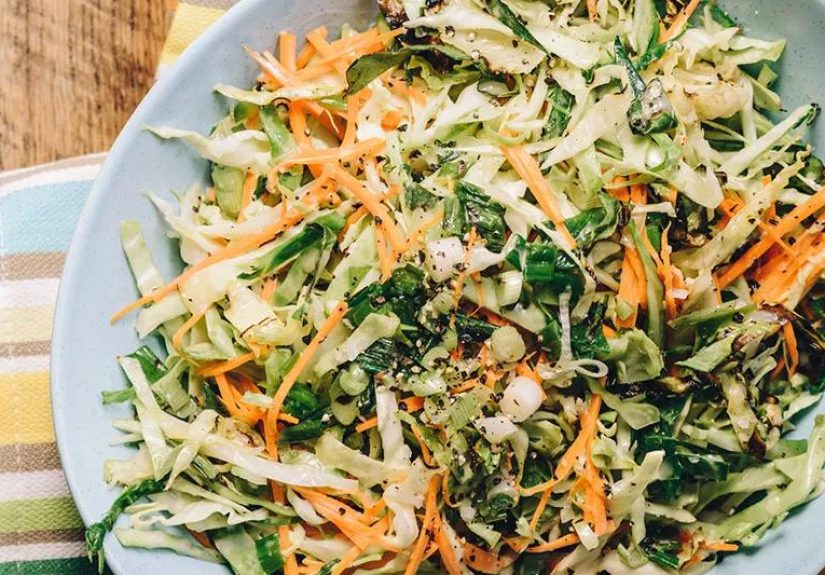
Cut a head of green cabbage into thick wedges or “steaks,” keeping a bit of the core intact so the slices hold together. Brush both sides with olive oil and season with salt, pepper, and a pinch of red pepper flakes. Roast until the edges are deeply browned. While it cooks, toast breadcrumbs in a skillet with olive oil and garlic until golden. Stir in lemon zest and a shower of grated Parmesan. Pile that crunchy topping over the roasted cabbage and finish with a squeeze of fresh lemon juice.
Serving idea
Put the cabbage over whipped ricotta or white beans for a more substantial meal. It also pairs beautifully with sausages, roast fish, or a fried egg if breakfast-for-dinner is in play.
3. Charred Broccoli with Garlic, Chili, and Toasted Almonds
Why this works
Broccoli does not need a makeover. It needs confidence. When roasted until the florets char, the stems stay crisp-tender and the tops go nutty and crisp. Garlic, chili flakes, and almonds turn that flavor into something bold and snackable.
How to make it
Cut broccoli into medium florets and peel the tougher stems if needed. Toss with olive oil, salt, and pepper, then roast until the edges darken and the broccoli takes on a slightly smoky look. In a skillet, warm sliced garlic in olive oil just until fragrant, add chili flakes, then toss in toasted almonds. Spoon the mixture over the broccoli and finish with lemon juice. A dusting of Pecorino or Parmesan is optional, but highly persuasive.
Make it dinner
Serve this over pasta with white beans, over rice with a fried egg, or next to grilled tofu. It also disappears from the serving platter at an alarming speed, so make more than you think you need.
4. Whole-Roasted Eggplant with Yogurt, Chili Crisp, and Herbs
Why this works
Eggplant is one of those vegetables that can go either magnificently silky or tragically sponge-like. Whole-roasting solves that problem. The flesh collapses into something creamy and rich, then a cool yogurt base and spicy chili crisp keep it balanced.
How to make it
Prick whole eggplants a few times and roast them until the skins are wrinkled and the insides feel completely soft. Split them open and let them relax for a few minutes. Spread Greek yogurt or labneh on a platter, nestle the eggplant on top, then spoon over chili crisp, chopped herbs, lemon juice, and flaky salt. Add toasted walnuts or pistachios if you want extra crunch.
Why this feels restaurant-worthy
The contrast is the magic: smoky, soft eggplant; cool creamy yogurt; bright herbs; spicy oil; and a crackle of nuts. It looks fancy but is mostly just the oven doing the heavy lifting.
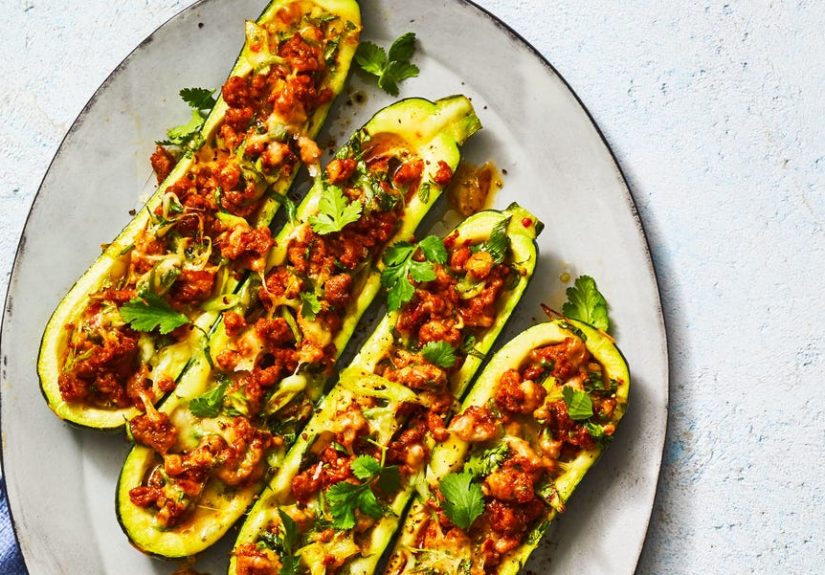
5. Smoky Corn and Zucchini Skillet Tacos
Why this works
Not every great vegetable recipe needs to be roasted. A hot skillet can turn zucchini and corn into a fast, weeknight-friendly taco filling with just the right mix of sweetness, char, and spice. Add beans and a punchy sauce, and nobody asks where the meat went.
How to make it
In a wide skillet, cook sliced zucchini with olive oil until it gets good color without turning mushy. Add corn kernels, red onion, smoked paprika, cumin, salt, and a little garlic. Stir in black beans near the end so they warm through but keep their shape. Spoon the mixture into warm tortillas and top with avocado, lime, cilantro, pickled onions, and crumbled cotija or a dairy-free alternative.
Flavor booster
A quick sauce of yogurt, lime, and hot sauce brings the whole thing together. If you like more heat, add jalapeño. If you like more crunch, shredded cabbage is your friend. These tacos are bright, messy, and extremely hard to eat politely.
6. Green Beans with Tahini-Herb Sauce and Crispy Shallots
Why this works
Green beans are often trapped in one of two fates: undercooked and squeaky or overcooked and weary. This version keeps them snappy, then gives them a creamy tahini-herb sauce and crispy shallots so every bite has tension, richness, and freshness.
How to make it
Blanch or steam green beans until just tender-crisp, then dry them well. Whisk tahini with lemon juice, a little vinegar, grated garlic, chopped dill or parsley, salt, pepper, and enough water to make it silky. Spread the sauce on a platter, pile the green beans on top, and finish with crispy shallots, lemon zest, and more herbs.
When to serve it
This is a smart holiday side, but it also works on an ordinary Tuesday when you want something fresh that does not taste like punishment. It is elegant enough for guests and easy enough for people who claim they are “just throwing something together.”
7. Tomatoey White Bean and Roasted Vegetable Bake
Why this works
When vegetables team up with beans and a savory tomato base, they stop being a side dish and become dinner with a backbone. This bake is cozy, flexible, and a great use for odds and ends in the crisper drawer.
How to make it
Roast a mix of vegetables such as cauliflower, bell peppers, onions, cherry tomatoes, zucchini, or eggplant until lightly caramelized. In a baking dish, combine white beans with crushed tomatoes, garlic, olive oil, oregano, and a pinch of red pepper flakes. Fold in the roasted vegetables, top with a little mozzarella, feta, or Parmesan if you like, then bake until bubbling. Finish with parsley and a drizzle of olive oil.
Why it belongs in your rotation
It is hearty without being heavy, colorful without trying too hard, and endlessly adaptable. Serve it with crusty bread, spoon it over polenta, or eat it straight from the dish while promising yourself you will plate it next time.
How to Make Any Vegetable Recipe More Exciting
If you want vegetables to taste like something worth craving, follow a few simple rules. First, use enough heat. Vegetables need real contact with heat to brown, sweeten, and develop flavor. Second, do not crowd the pan. When vegetables are piled on top of one another, they steam, and steamed vegetables rarely become legends. Third, season in layers. Salt early, then brighten at the end with lemon juice, vinegar, or herbs. Finally, think in contrasts. A creamy sauce loves a crunchy topping. A sweet vegetable loves chili. A smoky dish loves acidity. A tender center loves crisp edges.
The best part is that once you understand that formula, you can improvise endlessly. Swap broccoli for cauliflower. Use carrots instead of parsnips. Change dill to cilantro, almonds to pistachios, lemon to sherry vinegar. The method matters more than the exact grocery list. That is what makes great vegetable cooking feel less like following instructions and more like having a very delicious superpower.
What the Experience of Cooking These Vegetable Recipes Really Feels Like
One of the most satisfying things about better vegetable cooking is how quickly it changes the mood in the kitchen. A tray of broccoli going from green to crisp-edged and fragrant smells like progress. Carrots roasting with a miso-maple glaze make the room smell like something far fancier than a weeknight dinner. Eggplant collapsing into silk under a wrinkled skin feels like culinary magic, even though the process is mostly just patience and heat. These are the kinds of experiences that turn vegetable recipes from “healthy option” into “favorite thing on the table.”
There is also a very specific joy in watching skeptical eaters change their minds. It often starts with a cautious bite and a face that says, “Fine, I’ll try it,” followed by a second bite that happens much faster. People who think they dislike cabbage usually mean they dislike sad cabbage. People who say they are not into green beans often mean they have only met plain green beans. The experience of serving vegetables with char, crunch, creaminess, spice, or acidity is often the experience of watching old food opinions fall apart in real time.
Another underrated part of these recipes is how forgiving they are. Vegetables are great teachers because they show you what is happening. If they are pale, they need more time. If they are crowded, they steam instead of brown. If they taste flat, they probably need salt or acid. The feedback is immediate, which makes cooking them feel less mysterious than many meat-centered dishes. After a few rounds, you start trusting your senses more. You can hear when shallots are crisping properly, smell when garlic is on the edge of going too far, and see exactly when a tray of vegetables has crossed into that golden, irresistible zone.
These recipes also create good leftover experiences, which is a detail busy cooks appreciate deeply. Roasted vegetables become pasta sauce helpers, grain bowl heroes, taco fillings, omelet add-ins, sandwich layers, and soup starters. A tahini sauce made for green beans suddenly improves lunch the next day. Extra roasted carrots can be tucked into wraps. Tomatoey vegetable bake becomes a lunch that tastes even better after the flavors settle. In other words, exciting vegetable cooking does not just make dinner better. It makes tomorrow easier.
Then there is the shopping experience. When you cook vegetables this way, you start seeing produce differently. Instead of asking, “What side dish should I make?” you start asking, “What looks best today?” That shift is powerful. It makes cooking feel seasonal, flexible, and more fun. Zucchini in summer, squash in fall, asparagus in spring, broccoli all year long each one starts to feel like an opportunity instead of an obligation. Even a slightly random farmers market haul begins to look like potential rather than a puzzle.
Most of all, the experience becomes more relaxed and more creative. Once you understand how flavor and texture work together, you stop needing every recipe to hold your hand. You begin adding herbs because the dish looks like it wants freshness. You drizzle yogurt under roasted vegetables because you know the cool creaminess will balance the heat. You scatter nuts or breadcrumbs because your instincts now understand what crunch can do. That is when vegetable cooking becomes genuinely fun. Not virtuous. Not dutiful. Fun. And when food gets fun, boring does not stand a chance.
Conclusion
The best vegetable recipes are not trying to disguise vegetables. They are trying to make the most of them. Roast for sweetness and char. Add a punchy sauce. Finish with herbs, citrus, cheese, nuts, or spice. Build in contrast so each bite has something to say. Whether you start with carrots, cabbage, broccoli, eggplant, zucchini, green beans, or whatever is hanging out in your fridge hoping for a better destiny, the goal is the same: bold flavor, great texture, and zero boredom.
So the next time someone claims vegetables are dull, feel free to hand them a taco stuffed with smoky zucchini and corn, or a platter of roasted cabbage under a shower of lemon-Parmesan crunch. Then stand back and enjoy the silence. That is the sound of a very bad argument losing badly.