Table of Contents >> Show >> Hide
- Why Food Matters for Joint Health
- The 6 Best Foods To Eat for Healthy Joints
- Foods and Habits to Limit (Yes, This Part Matters)
- How to Build a Joint-Friendly Day of Eating
- 3 High-Impact Lifestyle Moves to Pair with These Foods
- Common Mistakes People Make
- Conclusion
- Experience Section (500+ Words): What Real People Commonly Notice When They Start Eating for Healthier Joints
Your joints do a lot of heavy lifting (sometimes literally): walking, climbing stairs, typing, lifting groceries, dancing badly at weddings, and pretending your desk chair counts as ergonomic.
So if your knees sound like bubble wrap and your hips negotiate every squat, your plate can absolutely help.
Let’s be clear before we start: no single “miracle food” can magically erase joint pain overnight. But a smart eating pattern can support cartilage, help manage inflammation, and make day-to-day movement feel easier.
Think of food as your joint support teamnot a lone superhero in a cape.
This guide breaks down 6 foods to eat for healthy joints, plus practical ways to use them in real meals, common mistakes to avoid, and a 500-word experience section at the end so the advice feels human, not robotic.
Why Food Matters for Joint Health
Joint comfort depends on multiple factors: inflammation levels, body weight, muscle support, hydration, activity, sleep, and genetics. Food influences many of these at once.
Nutrient-dense meals can provide antioxidants, omega-3 fats, fiber, vitamins, and minerals that support connective tissues and normal immune responses.
One important detail: inflammation is influenced more by your overall diet pattern than by one ingredient. In other words, adding salmon once a month while living on ultra-processed snacks is like putting one sandbag in front of a flood. Helpful? Maybe. Sufficient? Not really.
The 6 Best Foods To Eat for Healthy Joints
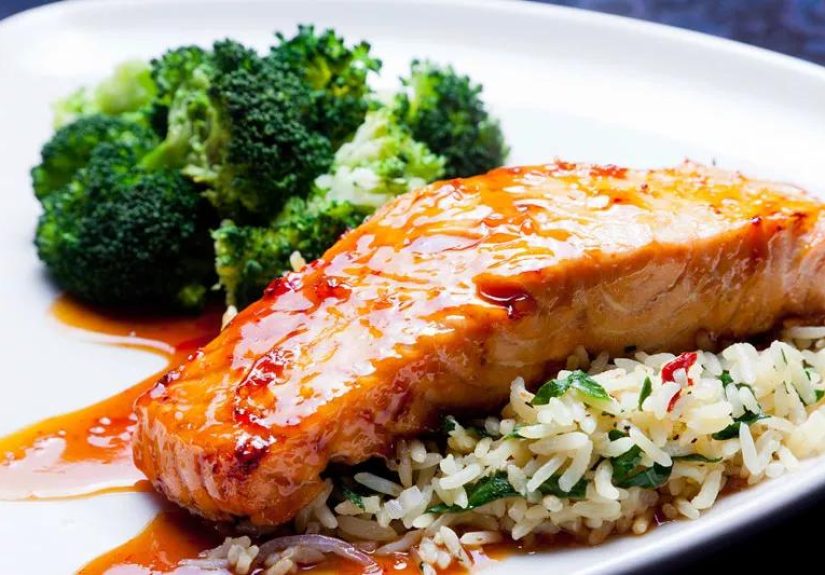
1) Fatty Fish (Salmon, Sardines, Mackerel, Trout)
If joint-friendly foods had a hall of fame, fatty fish would get a first-ballot vote. They’re rich in omega-3 fatty acids (EPA and DHA), which are widely studied for their anti-inflammatory effects.
For people with inflammatory joint conditions, diets higher in omega-3s are linked with improvements in symptoms like tenderness and stiffness.
Why it helps: Omega-3s may help shift inflammatory signaling in a favorable direction.
How to eat it: Aim for fish 2 times per week.
Easy idea: Canned salmon patties, grilled trout tacos, sardines on whole-grain toast with lemon and pepper.
Not a fish person? Start mild: salmon burgers, tuna-and-white-bean salad, or fish tacos with crunchy cabbage slaw. Your taste buds can adapt.
2) Extra-Virgin Olive Oil (EVOO)
EVOO is a core player in Mediterranean-style eating and for good reason. It provides monounsaturated fats and plant compounds, including oleocanthal, associated with anti-inflammatory activity.
It’s less “trend food” and more “quietly effective everyday staple.”
Why it helps: Supports heart health and provides compounds linked to lower inflammation and joint comfort.
How to use it: Replace butter-heavy and deep-fried patterns with olive-oil-based cooking.
Easy idea: Whisk EVOO with lemon, garlic, and herbs for a 60-second dressing that makes vegetables taste like actual food.
Pro tip: Store olive oil away from heat and light so it keeps its flavor and quality longer.
3) Berries and Cherries
Blueberries, strawberries, blackberries, and tart cherries are loaded with polyphenols and anthocyanins (the pigments that give them rich color).
These compounds are studied for antioxidant and anti-inflammatory effects. Cherries, in particular, have been linked with reduced gout flare risk in some studies.
Why it helps: Polyphenols may help reduce oxidative stress and support a healthier inflammatory profile.
How to eat it: 1 cup daily is a practical target. Fresh or frozen both work.
Easy idea: Frozen cherry smoothie with plain yogurt, chia seeds, and cinnamon.
If fruit feels expensive, frozen berries are usually budget-friendlier and just as useful nutritionally.
4) Leafy Greens and Colorful Vegetables
Spinach, kale, collards, broccoli, bell peppers, carrots, and tomatoes bring vitamins, minerals, carotenoids, and other antioxidants.
Vitamin C is especially relevant because it’s required for collagen biosynthesis, and collagen is a structural protein in connective tissue.
Why it helps: Supports connective tissue and helps counter oxidative stress from chronic inflammation.
How to eat it: Fill at least half your plate with vegetables at lunch and dinner.
Easy idea: Sheet-pan broccoli + bell peppers + onions with olive oil and garlic, served with protein and whole grains.
If you “don’t like vegetables,” that usually means you don’t like bland vegetables. Roast them. Season them. Give them a chance.
5) Nuts and Seeds (Walnuts, Almonds, Chia, Flax)
Nuts and seeds deliver healthy fats, fiber, minerals, and plant antioxidants. Walnuts and flax/chia also contribute ALA omega-3 fat.
They’re easy to add and require no cookinggreat when life is chaotic and your meal prep dreams are not.
Why it helps: Helps improve overall diet quality and may support lower inflammatory markers as part of a healthy pattern.
How to eat it: A small handful of nuts or 1–2 tablespoons of seeds daily.
Easy idea: Add ground flax to oatmeal, walnuts to salad, chia to yogurt.
Portion note: nuts are nutrient-dense and calorie-dense. Great food, just don’t turn “sprinkle” into “half the jar.”
6) Beans and Lentils (with Whole Grains as the Sidekick)
Beans and lentils are fiber superstars with plant protein, minerals, and phytonutrients. Fiber intake is associated with lower C-reactive protein (CRP), an inflammation marker.
Pairing legumes with whole grains gives steady energy and supports weight managementimportant because extra body weight increases joint load.
Why it helps: Fiber supports metabolic health, fullness, and potentially healthier inflammatory signaling.
How to eat it: Add legumes several times per week.
Easy idea: Lentil chili, black bean tacos, chickpea pasta with vegetables and olive oil.
If beans upset your stomach, start with small portions, rinse canned beans well, and increase gradually. Your gut microbiome may need a minute to meet its new high-fiber friends.
Foods and Habits to Limit (Yes, This Part Matters)
You don’t need a “perfect” diet, but reducing these can improve the big picture:
- Ultra-processed snacks loaded with added sugars and refined starches
- Frequent sugary drinks
- Regular deep-fried foods
- High intake of processed meats
- Large portions with low fiber and little produce
Think addition before restriction: add better foods first, and the less-helpful stuff naturally shrinks.
How to Build a Joint-Friendly Day of Eating
Breakfast
Oatmeal + blueberries + chia + walnuts, with a side of plain Greek yogurt.
Lunch
Salmon bowl: brown rice, roasted broccoli, spinach, cucumber, olive-oil lemon dressing.
Snack
Apple + almond butter, or carrots + hummus.
Dinner
Lentil and vegetable stew with whole-grain toast, side salad, and olive oil vinaigrette.
Optional Dessert
Cherries (fresh or frozen) with cinnamon and a spoon of yogurt.
3 High-Impact Lifestyle Moves to Pair with These Foods
- Protect your weight trend, not your ego. Even modest weight loss can reduce joint pain and disability for people carrying extra weight.
- Move daily. Low-impact activity (walking, cycling, swimming, mobility work) supports joint function.
- Stay consistent. Joints prefer routines over heroic one-week overhauls.
Common Mistakes People Make
- Expecting instant results: Most people need weeks, not days, to notice meaningful changes.
- Chasing supplements before fixing meals: Food pattern first, extras second.
- Eating “healthy” but low protein: Muscles protect joints; include adequate protein.
- Ignoring cooking method: Baked salmon and deep-fried fish are not nutritionally identical twins.
- All-or-nothing mindset: A better pattern beats a perfect plan you can’t sustain.
Conclusion
The best diet for healthy joints is practical, repeatable, and enjoyable.
If you focus on fatty fish, extra-virgin olive oil, berries/cherries, colorful vegetables, nuts/seeds, and beans/lentils, you’ll cover a lot of nutritional ground that supports joint comfort and long-term mobility.
This isn’t about “curing” joint issues with one superfood. It’s about stacking small wins at each meal so your joints stop carrying the entire burden alone.
Cook simply, eat consistently, move daily, and give your body a few weeks to respond.
Experience Section (500+ Words): What Real People Commonly Notice When They Start Eating for Healthier Joints
In everyday coaching conversations, clinic handouts, and patient stories, one pattern shows up again and again: people usually don’t notice change on Day 2, but they often notice something by Week 2 to Week 4.
Not always dramatic, not always linearbut meaningful.
A common early experience is morning stiffness easing slightly. People describe it as “I still feel stiff, but I don’t feel welded to the mattress.”
That subtle shift matters because it improves confidence. When the first ten minutes of the day are easier, people are more likely to walk, stretch, or prepare better mealswhich creates a positive feedback loop.
Another frequent experience is energy becoming steadier. When meals move from refined, sugary, ultra-processed foods toward fiber-rich options (beans, oats, vegetables, fruit, nuts), people report fewer afternoon crashes.
With steadier energy, they’re less likely to skip movement and less likely to reach for “emergency snack decisions” at 9 p.m. That consistency indirectly helps joints because body weight, sleep, and activity all improve.
Some people notice that swelling feels less “angry” after high-sodium takeout is reduced and whole-food meals increase. This doesn’t mean every flare disappears; it means the baseline may feel calmer.
Several individuals describe this as, “My joints still complain, but now they complain in lowercase letters.”
There are also practical budget experiences. Many assume joint-friendly eating is expensive until they discover canned salmon, frozen berries, dry lentils, and store-brand olive oil can be cost-effective.
A recurring win is the “big pot strategy”: a large lentil soup or bean chili cooked once, portioned for multiple meals. Less decision fatigue, lower cost per serving, and fewer last-minute fast-food detours.
Social life creates real friction. People often say weekends are hardest: restaurant portions, fried foods, and sugary drinks can reset progress.
Those who do best usually follow a flexible rule: “One indulgent meal, not one indulgent weekend.” They enjoy dinner out, then return to normal habits at the next meal instead of spiraling into all-or-nothing thinking.
Another notable experience: taste buds adapt. At first, less sugar and less ultra-processed food can feel disappointing. Around Week 3 or 4, many find fruit sweeter, roasted vegetables more satisfying, and heavily processed snacks overly salty.
This adaptation is huge because it turns healthy choices from “discipline” into “preference.”
People who pair food upgrades with low-impact movement often describe the greatest improvement. A simple combobetter meals plus a 20–30 minute daily walkcan improve mood, stiffness tolerance, and confidence with daily tasks.
It’s not flashy, but it’s reliable.
Of course, not everyone responds the same way. Some people need medication adjustments, physical therapy, or targeted care for specific diagnoses.
The most realistic mindset is this: nutrition is a powerful support tool, not a replacement for personalized medical treatment.
The most encouraging experience of all is psychological: people feel more in control. Joint problems can feel unpredictable, but food choices are one area where action is possible today.
When people build repeatable habitsfish twice weekly, legumes several times weekly, olive oil for cooking, produce at most mealsthey often report that their joints feel more manageable, daily movement feels less intimidating, and life feels a little less negotiated.
In short, experience-based patterns suggest this approach works best when it is simple, consistent, and sustainable. Not perfect. Not trendy. Just repeatable.
And repeatable is what gets results.